 flip
flipKūlolo — taro and coconut pudding
Kūlolo — taro and coconut pudding
Why this dish? Coconut, like pork, was long kapu to women; by abolishing it, Kaʻahumanu opened the world of coconut sweets to Hawaiian women. Kūlolo, a dense cake of taro and coconut cream baked in the imu, was among the precious dishes presented at great gatherings and offered as a sign of respect — a sweetness worthy of a court.
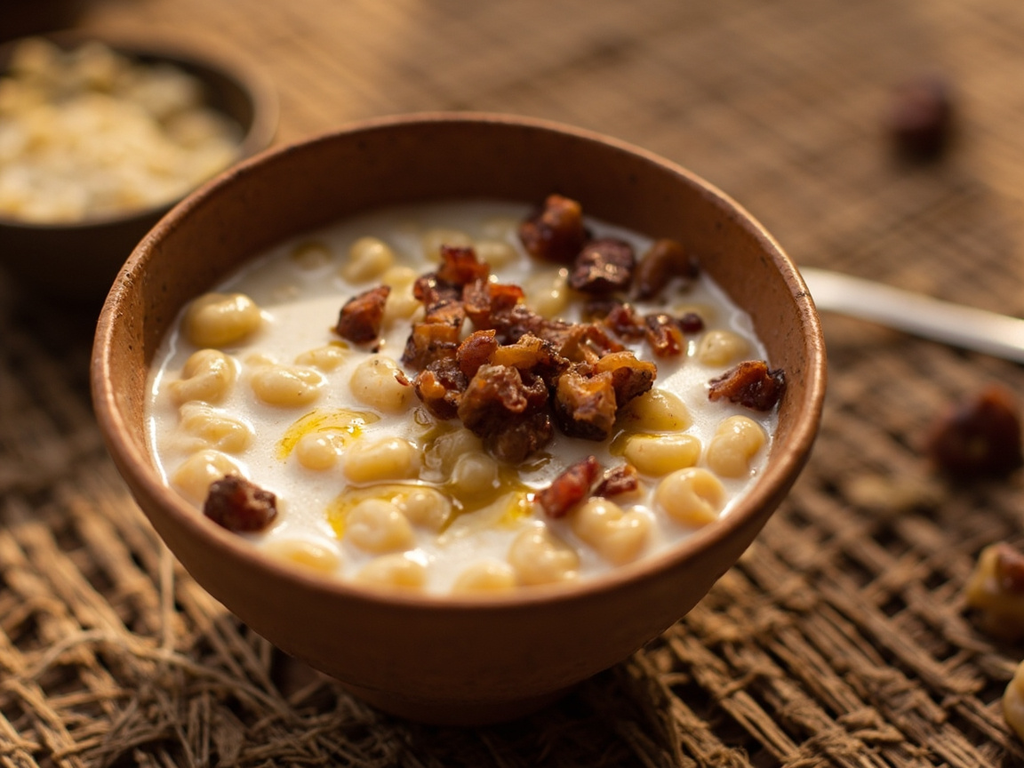
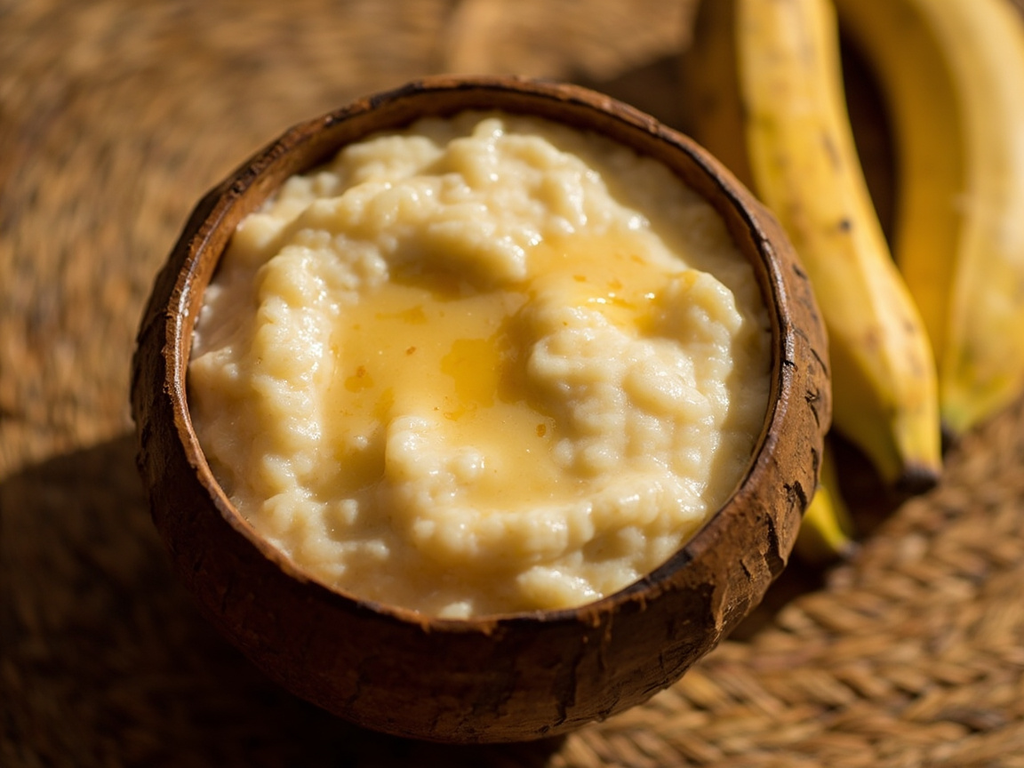
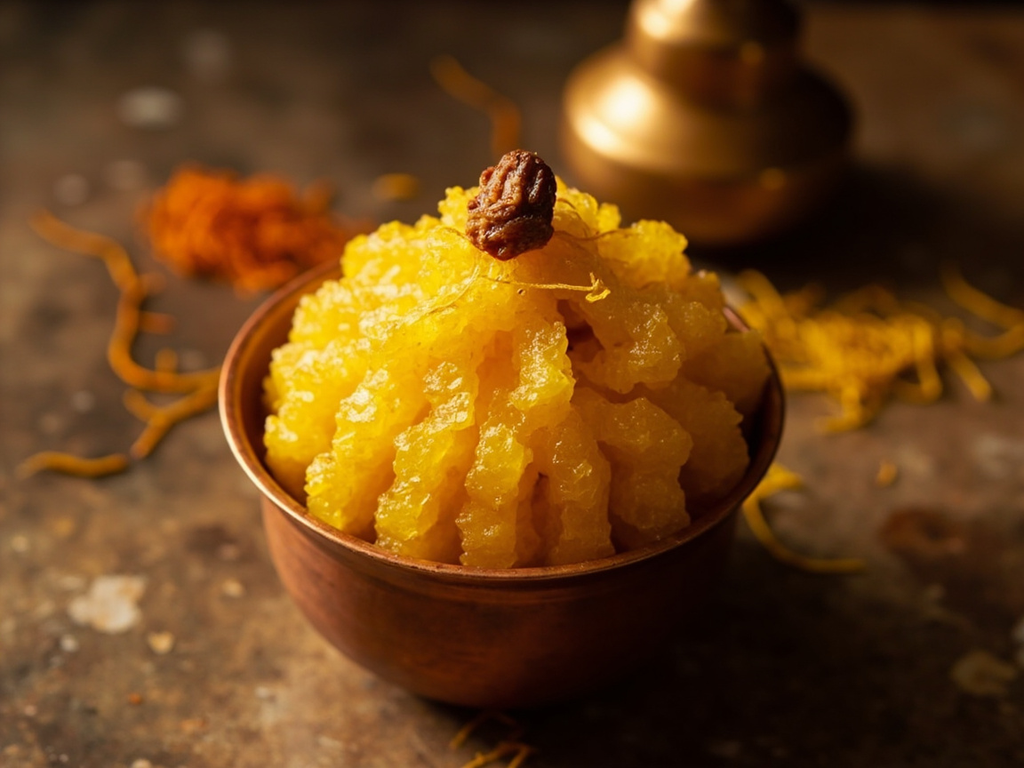
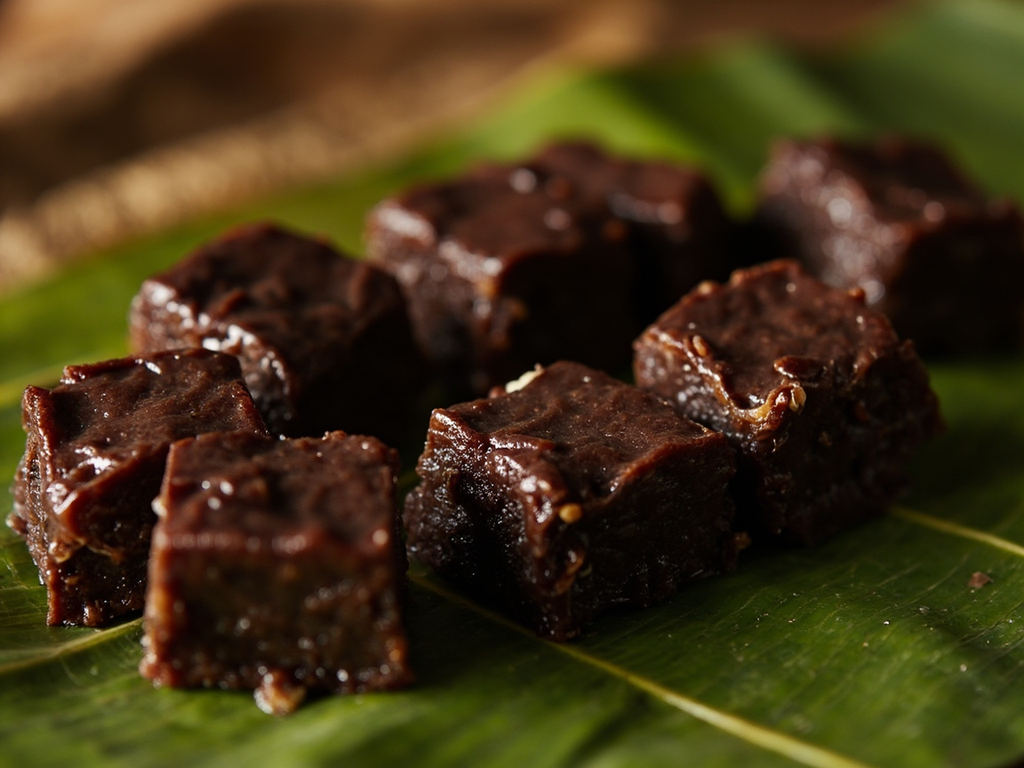
A dense, brown, glossy cake mixing grated taro and coconut cream, slowly baked in the earth oven until caramelized on the surface. Naturally sweetened by coconut (and sometimes sugarcane juice), melting like fruit paste, slightly smoky.
Here is a sweetness that, as a little girl, I was not allowed to taste: coconut flesh was closed to women by the kapu. Today I share it with you without fear. We grate the taro, drown it in cream pressed from the coconut, then seal everything in ti leaves and the earth cooks this cake all night, until it browns and becomes firm like hardened honey. It is heavy and sweet, a gift offered to distinguished guests — and now to women too.
- •Grated taro (kalo) — a large amount grated (cake base)
- •Coconut cream (waiū niu) — milk pressed from several nuts (binder and natural sugar)
- •Sugarcane juice (kō) — a splash, optional (extra sweetness)
- •Ti leaves (lāʻī) — enough to line (mold and imu flavor)
Kūlolo — taro and coconut pudding
A dense, brown, glossy cake mixing grated taro and coconut cream, slowly baked in the earth oven until caramelized on the surface. Naturally sweetened by coconut (and sometimes sugarcane juice), melting like fruit paste, slightly smoky.
Why this dish? Coconut, like pork, was long kapu to women; by abolishing it, Kaʻahumanu opened the world of coconut sweets to Hawaiian women. Kūlolo, a dense cake of taro and coconut cream baked in the imu, was among the precious dishes presented at great gatherings and offered as a sign of respect — a sweetness worthy of a court.
Here is a sweetness that, as a little girl, I was not allowed to taste: coconut flesh was closed to women by the kapu. Today I share it with you without fear. We grate the taro, drown it in cream pressed from the coconut, then seal everything in ti leaves and the earth cooks this cake all night, until it browns and becomes firm like hardened honey. It is heavy and sweet, a gift offered to distinguished guests — and now to women too.
Ingredients (period version)
- Grated taro (kalo) — a large amount grated (cake base)
- Coconut cream (waiū niu) — milk pressed from several nuts (binder and natural sugar)
- Sugarcane juice (kō) — a splash, optional (extra sweetness)
- Ti leaves (lāʻī) — enough to line (mold and imu flavor)
Ingredients
- Finely grated taro — 500 g (cake base)
- Thick coconut cream — 400 ml (binder and natural sugar)
- Whole cane sugar (optional) — 60 g (adjust sweetness)
- Pinch of salt — 1 pinch (enhance)
Method
- Finely grate the raw taro (wear gloves), then mix with coconut cream, optional sugar, and salt until a thick batter forms.
- Pour into a mold lined with ti/banana leaves or simply buttered.
- Bake at 175 °C for 1 h 15 to 1 h 30, until the top is set, golden, and slightly caramelized.
- Cool completely: kūlolo firms into a dense paste that is cut into cubes.
- Serve in small squares at room temperature.
How it was made : In the imu, kūlolo cooked for hours, sometimes all night, sealed in ti leaves: the gentle heat and smoke concentrated the sugars of taro and coconut into a brown, glossy mass. It was a mea ʻono, a "good thing," a prestige dish for celebrations and an honorary gift. Sugarcane, introduced by the first Polynesians, was mostly chewed raw but could sweeten preparations.
The contemporary twist : Cut into dice and grilled for a minute to re-caramelize, then dusted with toasted coconut: a "taro-coconut fudge" that holds its own against any brownie.
Sources : Rachel Laudan, The Food of Paradise (1996)
Ka'ahumanu · Charactorium