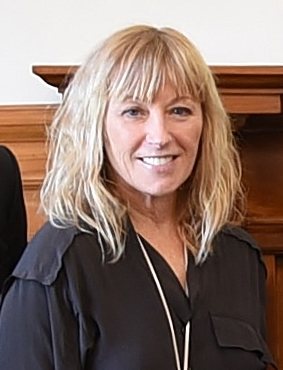
Kara Walker(1969 — ?)
Kara Walker
États-Unis
6 min read
Kara Walker is an African American artist born in 1969, famous for her cut-out black paper silhouettes that stage, with violence and irony, the history of slavery and racism in the United States. Her work questions memory, power, and racial representations.
Frequently asked questions
Key Facts
- Born on November 26, 1969, in Stockton, California
- Awarded the prestigious MacArthur Fellowship (“Genius Grant”) in 1997, at just 28 years old
- Rose to prominence in the 1990s with her wall murals of cut-out black silhouettes
- Created in 2014 the monumental installation “A Subtlety” (the “Sugar Sphinx”) in the former Domino refinery in New York
- Represents the United States and exhibits in the world's greatest international museums (MoMA, Tate)
Works & Achievements
First large silhouette mural that introduced Walker to the art world. In it she subverts the romantic imagery of the South to expose the violence of slavery.
An installation of silhouettes paired with color projections, where the shadows of the viewers join a scene of a slave revolt.
A large wall installation combining cut-outs and projected light that immerses the visitor at the heart of a landscape drawn from the American racist imagination.
A giant sphinx coated in sugar inside the Domino refinery. One of her most famous works, seen by tens of thousands of visitors.
A monumental 13-meter fountain for the Tate Modern that retraces the history of the Atlantic slave trade by parodying imperial monuments.
A series of historical Civil War engravings onto which Walker superimposes her own silhouettes, revealing the Black people absent from the official narrative.
Anecdotes
In 1994, at just 24 years old and fresh out of art school, Kara Walker unveiled a wall mural of black silhouettes titled *Gone* in New York. The work caused a sensation and instantly launched her career: three years later, she became one of the youngest artists ever to receive the prestigious MacArthur Fellowship, nicknamed the “genius grant.”
Kara Walker's rapid success sparked heated controversy. In 1997, the older African American artist **Betye Saar** launched a letter-writing campaign accusing Walker of pandering to racist clichés by staging slaves and masters in degrading situations. Walker defended her work, explaining that she forces viewers to confront head-on a violence that America would rather forget.
In 2014, Walker installed a gigantic sphinx sculpture, *A Subtlety*, in a former Brooklyn sugar refinery. Coated in white sugar and depicting a black woman with caricatured features, the work — a reminder that sugar was harvested by enslaved people — drew tens of thousands of visitors before the building was demolished.
Walker chose the cut-paper silhouette, a popular and inexpensive portrait technique of the 19th century, precisely because it evokes the era of slavery. From afar, her scenes look like pretty decorative friezes; up close, the viewer discovers images of violence and oppression, and that contrast lies at the heart of her work.
In 2019, Walker designed a monumental fountain 13 meters high, *Fons Americanus*, for the great hall of the **Tate Modern** in London. She subverts the style of imperial British fountains to tell the story of the transatlantic slave trade.
Primary Sources
Kara Walker explores questions of race, gender, sexuality and power through life-size cut-paper silhouettes that stage the history of the antebellum American South.
A tribute to the unpaid and overworked artisans who refined our sugar from the cane fields to the kitchens of the New World.
This fountain draws on the tradition of public commemorative monuments to question narratives of power, exploring the interconnected histories of Africa, America and Europe.
The silhouette says a lot with very little information: it is a form that reduces a person to a type, to a shadow, exactly as racism reduces individuals.
Key Places
Kara Walker's hometown, where she spent her childhood before the family moved to the South.
City where Walker grew up from the age of 13 and studied art; there she discovered the persistent racism of the American South.
Art school where Walker earned her master's degree in 1994 and developed her silhouette technique.
Former sugar factory where Walker installed “A Subtlety” in 2014, just before the building was demolished.
Museum of modern art whose Turbine Hall hosted her monumental fountain “Fons Americanus” in 2019.
City where Walker lives and works, and where she teaches, notably at Columbia University.