 flip
flipʻUfi tunu ma le lolo
ʻUfi tunu ma le lolo
Why this dish? The yam (ʻufi) is the king of Tongan tubers — its harvest gives rise to an annual festival, and the finest specimens were traditionally offered to the sovereign. Salote continued this custom and participated each year in the yam festival, where village chiefs competed to present the largest tuber to the queen. This simple dish — roasted yam topped with coconut cream — is the noble daily fare of the Tongan table.
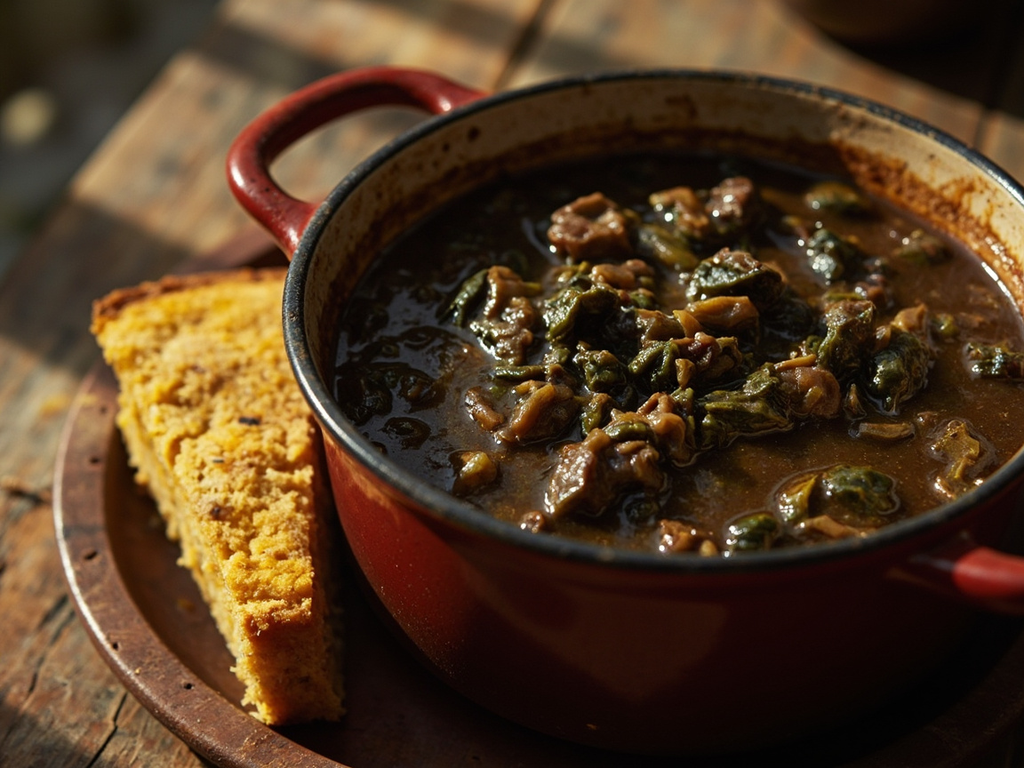
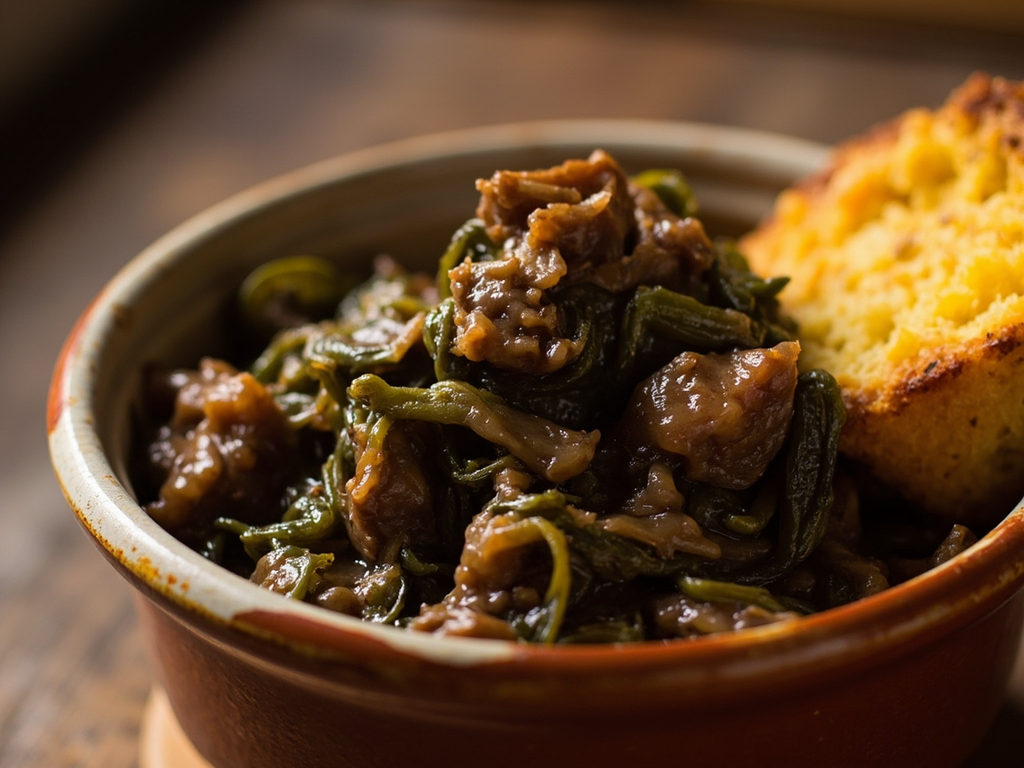
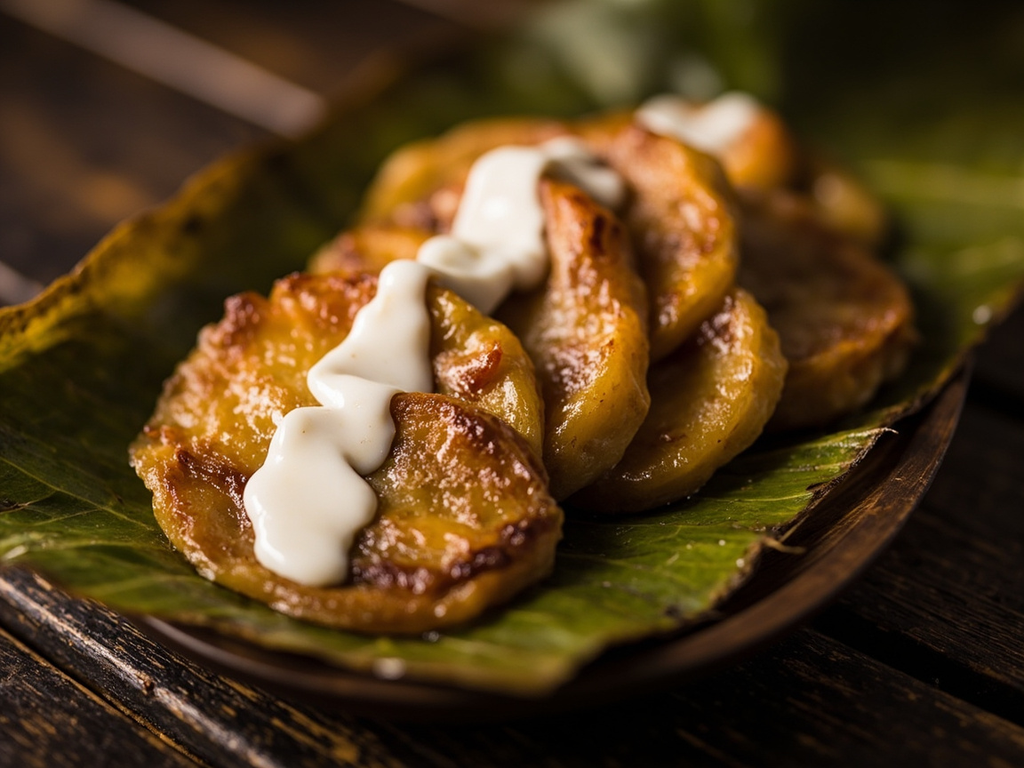
Yam roasted in the ʻumu (or oven), cut into thick slices and coated with a warm, lightly salted lolo. The dense, nourishing tuber absorbs the coconut cream and offers a sweet, earthy flavor. It is the foundation of every Tongan meal.
The yam is our pride. Every year, the chiefs bring me their finest ʻufi at the festival — some are so large it takes two men to carry them. I have the best ones roasted in the palace ʻumu, and we share them simply, sliced and drizzled with creamy lolo. There is no more Tongan dish. A people who cultivate fine yams are a people who care for their land, and a queen must show she knows how to recognize that.
- •Yam (ʻufi) — One fine tuber (Main starch)
- •Fresh coconut cream (lolo) — Pressed from one coconut (Sauce)
- •Salt — A pinch (Seasoning)
ʻUfi tunu ma le lolo
Yam roasted in the ʻumu (or oven), cut into thick slices and coated with a warm, lightly salted lolo. The dense, nourishing tuber absorbs the coconut cream and offers a sweet, earthy flavor. It is the foundation of every Tongan meal.
Why this dish? The yam (ʻufi) is the king of Tongan tubers — its harvest gives rise to an annual festival, and the finest specimens were traditionally offered to the sovereign. Salote continued this custom and participated each year in the yam festival, where village chiefs competed to present the largest tuber to the queen. This simple dish — roasted yam topped with coconut cream — is the noble daily fare of the Tongan table.
The yam is our pride. Every year, the chiefs bring me their finest ʻufi at the festival — some are so large it takes two men to carry them. I have the best ones roasted in the palace ʻumu, and we share them simply, sliced and drizzled with creamy lolo. There is no more Tongan dish. A people who cultivate fine yams are a people who care for their land, and a queen must show she knows how to recognize that.
Ingredients (period version)
- Yam (ʻufi) — One fine tuber (Main starch)
- Fresh coconut cream (lolo) — Pressed from one coconut (Sauce)
- Salt — A pinch (Seasoning)
Ingredients
- Yam (or white sweet potato) — 800 g (Main starch)
- Thick coconut cream — 250 ml (Sauce)
- Salt — ½ tsp (Seasoning)
- Coconut oil — 1 tbsp (For cooking)
Method
- Preheat the oven to 200°C. Peel the yam and cut into 5 cm thick chunks.
- Brush the pieces with coconut oil and arrange on a baking sheet. Lightly salt.
- Roast for 40 to 50 minutes, turning halfway, until the yam is golden on the outside and tender inside (a knife tip should enter without resistance).
- Meanwhile, heat the coconut cream in a small saucepan with a pinch of salt over low heat, without boiling.
- Arrange the roasted yam pieces on a serving dish. Generously drizzle with hot lolo.
- Serve immediately as an accompaniment to lū or fish.
How it was made : Yam is the most prestigious crop in Polynesia. In Tonga, the ʻInasi — the annual first-fruits festival of yam — was the greatest ceremony of the calendar, during which chiefs offered their best harvests to the sovereign. Salote maintained this tradition throughout her reign. Yams were cooked directly in the ʻumu, on the hot stones, without fat; the lolo was poured at serving.
The contemporary twist : Cut the yam into thick oven-roasted fries, served in a banana leaf cone with warm lolo as a dipping sauce.
Sources : Kirch, Patrick V. « On the Road of the Winds: An Archaeological History of the Pacific Islands ». University of California Press, 2000. · Pollock, Nancy J. « These Roots Remain ». University of Hawaii Press, 1992.
Salote Tupou III · Charactorium