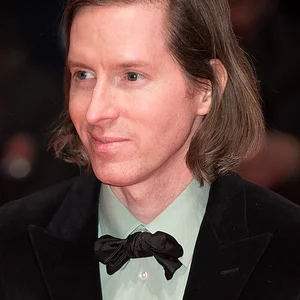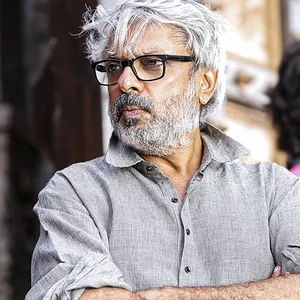

Sanjay Leela Bhansali is an Indian director, producer, and composer born in 1963, a major figure of Bollywood cinema. He is renowned for his sumptuous romantic epics, with their opulent staging and keen visual sense.
Sanjay Leela Bhansali(1963 — ?)
Sanjay Leela Bhansali
Inde
4 min read
Frequently asked questions
Key Facts
- Born on February 24, 1963, in Bombay (Mumbai), India
- Directs Hum Dil De Chuke Sanam in 1999, awarded at the Filmfare Awards
- Directs Devdas in 2002, screened out of competition at the Cannes Film Festival
- Confirms his status with epics such as Bajirao Mastani (2015) and Padmaavat (2018)
Works & Achievements
Bhansali's first feature film, already centered on music and emotion.
A major romantic hit that established his flamboyant style.
A lavish romantic epic, presented at Cannes and now a Bollywood classic.
An acclaimed drama about a deaf and blind young woman, praised for its boldness.
An Indian adaptation of Romeo and Juliet, intense and colorful.
A historical epic about a Maratha general, awarded at the National Film Awards.
A historical-legendary epic at the heart of a fierce controversy in India.
A portrait of a powerful woman from Mumbai, presented at the Berlinale.
Anecdotes
Sanjay Leela Bhansali bears his mother's first name, Leela, as a tribute: he inserted it between his first name and his surname, a rare way of honoring a mother in Indian cinema.
Before becoming a director, Bhansali studied editing at the FTII institute in Pune and worked as an assistant to the famous filmmaker Vidhu Vinod Chopra, notably on the film '1942: A Love Story'.
Bhansali often composes the music for his films himself. For 'Bajirao Mastani' (2015), he wrote the melodies in addition to directing, a rare feat in Bollywood, where directing and composing are usually kept separate.
Several of his films, such as 'Padmaavat' (2018), sparked violent controversy in India: groups protested against the alleged portrayal of historical figures, and filming was even disrupted by incidents on set.
His sets are so enormous and costly that they have become part of his signature: for 'Devdas' (2002), he had vast palaces built in the studio, making the film one of the most expensive in Indian cinema at the time.
Primary Sources
My films are born of emotion above all; the visual grandeur is never decorative, it serves the feelings of the characters.
The film is a work of fiction inspired by a poem; it pays tribute to courage and honour, not to a fixed historical truth.
Composing the music myself lets me preserve the unity between image and sound; every song must extend the scene, not interrupt it.
Key Places
Bhansali's birthplace and the capital of the Bollywood industry, where he lives and works.
The Film and Television Institute of India, where Bhansali studied editing and learned his craft.
A vast studio complex where Bhansali has his monumental sets built and shoots his films.
His film "Devdas" was presented here in 2002, marking his international reach.
"Gangubai Kathiawadi" was screened at the Berlinale in 2022.
Typical Objects

The director's central tool, it captures the images and makes it possible to compose the lavish shots that are Bhansali's signature.

Palaces, gardens and squares rebuilt full-scale in the studio for his historical and romantic epics.

With Bhansali composing the music for his films himself, the score guides the songs and the overall sound atmosphere.

Richly adorned saris, lehengas and ceremonial outfits, essential to the visual opulence of his films.

A series of drawings planning out each shot before filming, a preparation tool for his complex staging.

Trophies honouring his films, symbols of recognition from the industry and the Indian state.
School Curriculum
Vocabulary & Tags
Key Vocabulary
Daily Life
Morning
A contemporary director, Bhansali often begins his day by preparing for the shoot: rereading the script, talking with his department heads, and scouting the shots to be filmed. Mornings may be devoted to rehearsals with the actors.
Afternoon
Afternoons are spent on set, directing the actors, adjusting the sets and lighting, and overseeing every visual detail. Bhansali is renowned for his perfectionism and his meticulous control of every scene.
Evening
In the evening, he sometimes works on the music for his films, which he composes himself, or watches the rushes filmed during the day. Evenings are also used for editing and creative discussions.
Food
As a contemporary Indian from Mumbai, his diet blends Indian cuisine (rice, lentils, vegetarian and non-vegetarian curries) and the wide variety of dishes available in a major metropolis. Many Gujarati families, the community he comes from, favor vegetarian cooking.
Clothing
He generally dresses in a plain, professional manner on set, often in simple, comfortable outfits that contrast with the lavishness of the costumes he has created for his films.
Housing
Bhansali lives in Mumbai, a modern metropolis, in a big-city urban setting. His true world remains the studios where he builds spectacular sets.
Historical Timeline
Period Vocabulary
Liens externes & ressources
Références
Œuvres
Khamoshi: The Musical
1996
Hum Dil De Chuke Sanam
1999
Goliyon Ki Raasleela Ram-Leela
2013