India
Emperors, sages, spiritual figures and independence leaders — from the Indus civilisations to modern India.
93 characters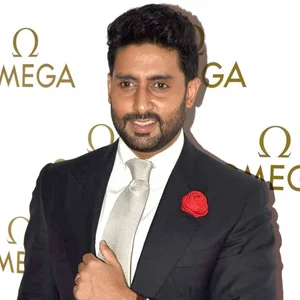
93 characters
Bhumi Devi
Bhūmi Devi is the goddess of the Earth in Hindu mythology, the personification of the nurturing planet. Wife of the god Vishnu, she is also known by the names Bhūdevi or Prithvi. She embodies the patience, fertility, and generosity of the earth.
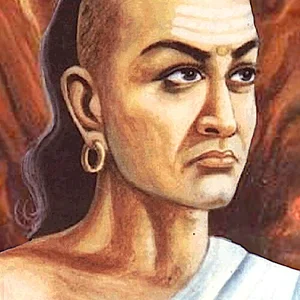
Chanakya
374 av. J.-C. — 282 av. J.-C.
An Indian philosopher, economist, and political strategist of the 4th century BCE, Chanakya served as advisor to Chandragupta Maurya, founder of the Maurya Empire. Often called the "Indian Machiavelli," he authored the Arthashastra, a foundational treatise on politics and economics.
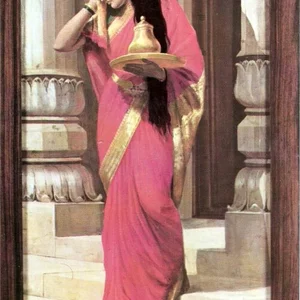
Draupadi
Central heroine of the Mahābhārata, the Sanskrit epic of the Hindu tradition. Shared wife of the five Pandava brothers, she symbolizes justice, dignity, and resistance to humiliation. Her story was passed down through a long oral tradition before being written down around the 4th century BCE.
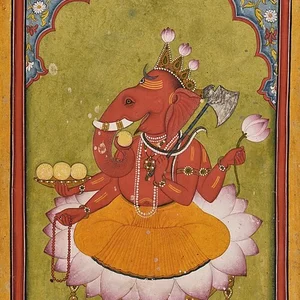
Ganesh
Ganesh is one of the most revered deities in Hinduism, instantly recognizable by his elephant head. Son of Shiva and Parvati, he is the god of wisdom, intellect, and success, and the “Lord of Obstacles,” invoked at the beginning of any new endeavor.
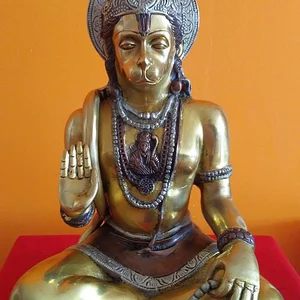
Hanuman
A Hindu deity in the form of a monkey, Hanuman is the devoted servant of the god Rama in the epic Ramayana. A symbol of devotion, strength, and courage, he is one of the most venerated figures in Hinduism.
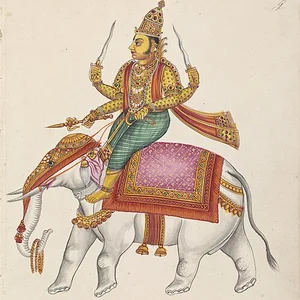
Indra
Indra is the king of the gods and the master of the sky in the Vedic mythology of ancient India. A warrior god of thunder, storms, and rain, he fights demons with his weapon, the thunderbolt (vajra). He is one of the central deities of the Rig Veda.
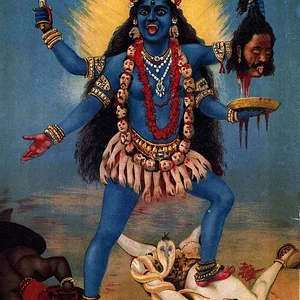
Kali
A Hindu goddess rooted in Vedic and Tantric tradition, Kali is the fierce and destructive aspect of the goddess Durga. Venerated by the people of India since antiquity, she embodies both the destruction of evil and cosmic renewal. Her complex figure symbolizes the cycle of death and rebirth.

Kuntî
Kuntî is a major figure in the Indian epic of the Mahâbhârata. Mother of the Pândava, she is known for having obtained a boon granting her the power to conceive children by gods. She embodies devotion, maternal sacrifice, and wisdom in the Hindu tradition.
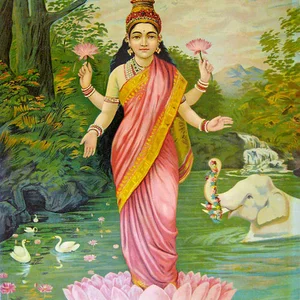
Lakshmi
Hindu goddess of prosperity, fortune, and beauty, venerated in the Vedic tradition since antiquity. Consort of the god Vishnu, she symbolizes abundance, grace, and good fortune in the mythology of Indian civilization.
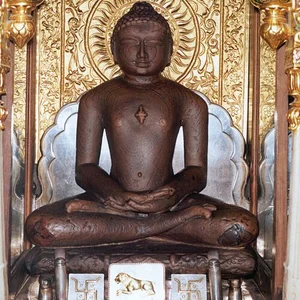
Mahavira
598 av. J.-C. — 526 av. J.-C.
Mahāvīra is the twenty-fourth and last tīrthankara of Jainism, regarded as the major reformer of this Indian tradition. Renouncing his princely life, he preached asceticism, non-violence, and the liberation of the soul.
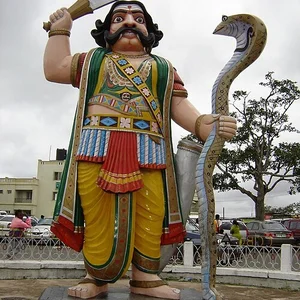
Mahishasura
Mahishasura is a buffalo-demon (asura) from Hindu mythology who, after obtaining invincibility against any man or god, conquered the three worlds and drove the gods from paradise. The goddess Durga, created from the combined energy of all the gods, ultimately defeated him after nine days of battle.
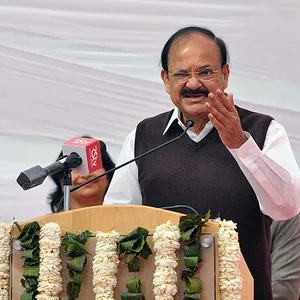
Maitreyi
1000 av. J.-C. — 1000 av. J.-C.
A philosopher and poet of the Indian Vedic tradition, Maitreyi is celebrated in the Upanishads for her dialogue with the sage Yajnavalkya on the nature of the absolute and the atman. An exceptional female figure passed down through oral tradition, she embodies the spiritual quest at the heart of ancient Brahminic thought.
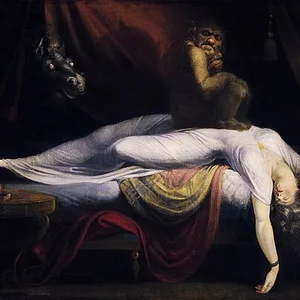
Mara
In Buddhist tradition, Mara is the supreme demon of desire and illusion. He attempted to prevent Siddhartha Gautama from attaining Enlightenment by subjecting him to temptations and trials beneath the Bodhi tree. He personifies the forces of attachment and ignorance that bind beings to the cycle of rebirth.
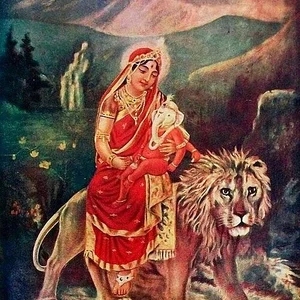
Parvati
Pārvatī is a major goddess of the Hindu tradition, daughter of the mountain god Himavat and consort of Shiva. Venerated as the goddess of fertility, maternal love, and devotion, she embodies the divine feminine energy (Shakti). Her figure appears in the great Sanskrit epics and the Purāṇas, texts composed between the 4th and 12th centuries CE.
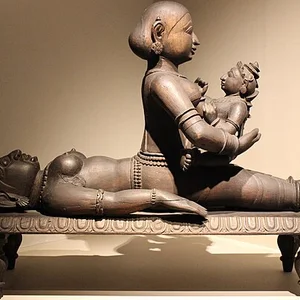
Putana
Putana is a demoness from Hindu mythology, sent by King Kamsa to kill the infant Krishna by nursing him with poisoned milk. Krishna, recognizing her divine nature, slew her while granting her spiritual liberation.
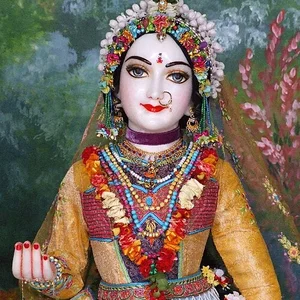
Radha
A central figure in Hindu tradition, Radha is the divine companion of Krishna and the embodiment of pure, absolute love (bhakti). Rooted in Vedic culture and popularized through medieval Sanskrit texts, she symbolizes the human soul seeking union with the divine. Her legend, passed down primarily through oral tradition before being set in writing in texts such as the Gita Govinda (12th century), lies at the heart of Vaishnava spirituality.

Saṃghamittā
Daughter of Emperor Ashoka, she was a Buddhist nun who brought Buddhism to Sri Lanka around 246 BCE. She founded the first order of Buddhist nuns (bhikkhunis) on the island and brought a cutting from the sacred fig tree of Bodh Gaya.
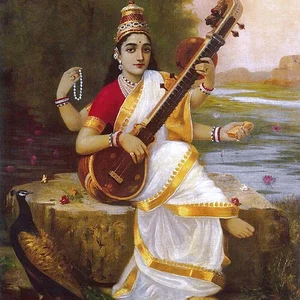
Sarasvati
A major goddess of the Hindu tradition, Saraswati is venerated as the deity of knowledge, speech, the arts, and music. Rooted in the Vedic civilization of ancient India, she is mentioned as early as the hymns of the Rig-Veda (c. 1500–1200 BCE). She embodies the ideal of pure knowledge and spiritual creativity.
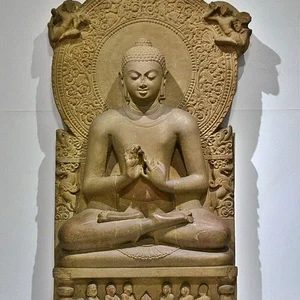
Siddhartha Gautama
500 av. J.-C. — 500 av. J.-C.
An Indian prince born around 563 BCE in Nepal, he renounced his privileged life to seek the truth about human suffering. After years of asceticism and meditation, he attained Enlightenment beneath the Bodhi tree and became the Buddha, the "Awakened One."
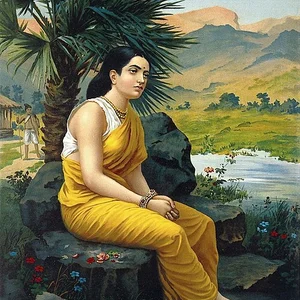
Sita
Central heroine of the Ramayana, the Sanskrit epic of the Hindu tradition, Sita is the wife of Rama and the adopted daughter of King Janaka. Born of the earth according to tradition (her name means "furrow"), she embodies purity, faithfulness, and virtue in Indian culture.
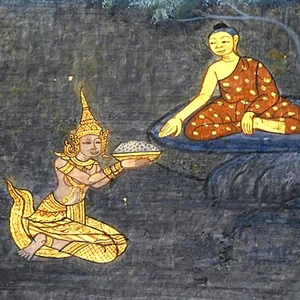
Sujata
Sujata was a young village woman from ancient India who offered a bowl of rice pudding to Siddhartha Gautama, allowing him to break his extreme fast before attaining Enlightenment. This act of generosity is considered a founding moment of Buddhism.
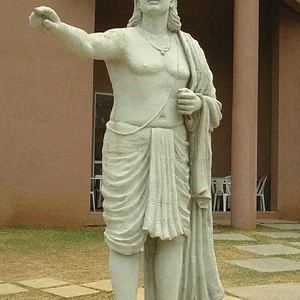
Aryabhata
476 — 550
Āryabhata was an Indian mathematician and astronomer born in 476, the first of the great scholars of India's classical age. Author of the Āryabhaṭīya, he set down major advances in arithmetic, algebra, and astronomy.
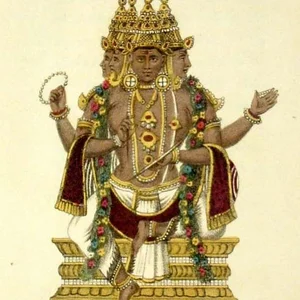
Brahma
Brahmā is the creator god in Hinduism, forming with Vishnu and Shiva the Trimūrti, the divine trinity of Hinduism. He is the master of the Vedas and cosmic knowledge, responsible for the creation of the universe and all living beings.
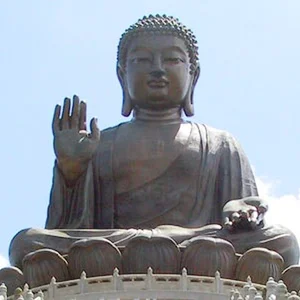
Buddha
vers 563 — vers 483 av. J.-C.
Siddhartha Gautama, founder of Buddhism
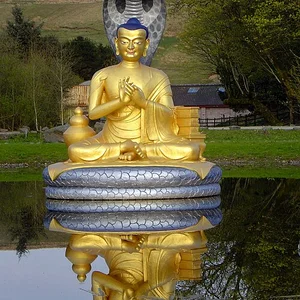
Nāgārjuna
150 — 250
Indian Buddhist philosopher and monk of the 2nd–3rd century CE, founder of the Madhyamaka school. He developed the concept of śūnyatā (emptiness) and had a major influence on Mahāyāna Buddhism.
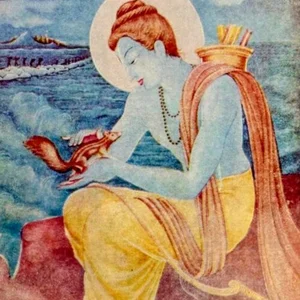
Rama
Rāma is the seventh avatar (incarnation) of the god Vishnu in Hindu mythology. The central hero of the Rāmāyaṇa, one of the two great epics of ancient India, he embodies the values of dharma (duty) and virtue. His story, blending epic adventure with moral teachings, remains foundational to Hindu culture and religion.
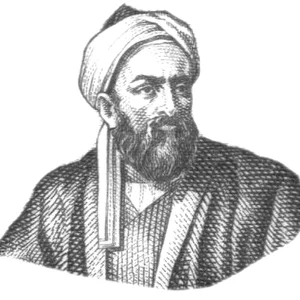
Al-Biruni
973 — 1048
A Persian polymath (973–1048), Al-Biruni was one of the greatest minds of the medieval Islamic world. Astronomer, mathematician, geographer, and historian, he wrote more than 150 works and was one of the first scholars to study India in a systematic, scientific way.

Brahmagupta
598 — 670
A 7th-century Indian mathematician and astronomer, Brahmagupta was the first to formulate arithmetic rules for zero and negative numbers. His major work, the Brahmasphutasiddhanta (628), influenced both Arabic and European mathematics.
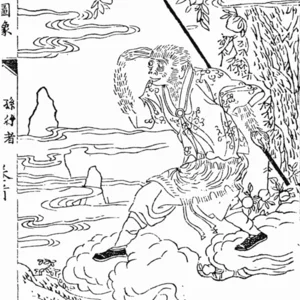
Sun Wukong
Sun Wukong, the Monkey King, is the main character of the classic Chinese novel Journey to the West (16th century). This mythological hero, gifted with superhuman powers and great wisdom, accompanies the monk Xuanzang on his spiritual journey to India to retrieve the Buddhist scriptures.
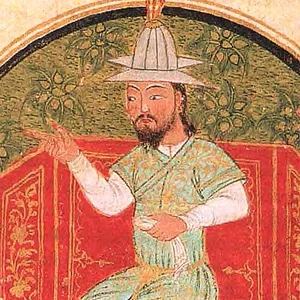
Tamerlane
1336 — 1405
A Turco-Mongol conqueror of the 14th century, Tamerlane founded an empire stretching from Anatolia to India. His military campaigns, marked by extreme violence, reshaped the map of Central Asia.
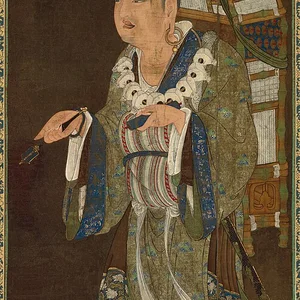
Xuanzang
602 — 664
A 7th-century Chinese Buddhist monk, he undertook a seventeen-year journey to India to collect sacred texts. He translated hundreds of sutras into Chinese and played a major role in the spread of Buddhism in China.
Akbar
1542 — 1605
Jalal ud-Din Muhammad Akbar (1542-1605) was the third and greatest Mughal emperor of India. He unified the Indian subcontinent under his rule and championed a policy of religious tolerance remarkable for his time.
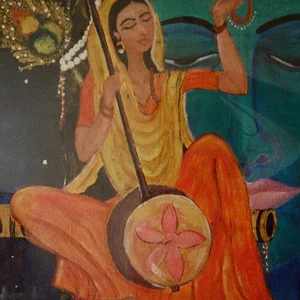
Mirabai
1498 — 1546
Mirabai was a 16th-century Rajput princess, mystic, and devotional poet dedicated to Krishna. Rejecting the conventions of her caste, she devoted her life to worship and composed hundreds of bhajans (devotional hymns) that have endured through the centuries. A major figure of the Bhakti movement, she embodies the spiritual quest freed from social hierarchies.
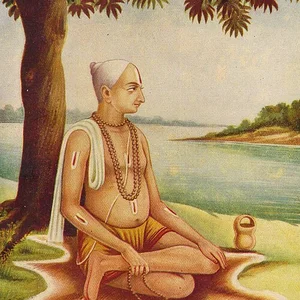
Tulsidas
1532 — 1623
Hindu poet and saint from North India, a major figure of the bhakti devotional movement. He is the author of the Ramcharitmanas, a Hindi (Awadhi) retelling of the Ramayana epic, which popularized the worship of Rama among the common people.
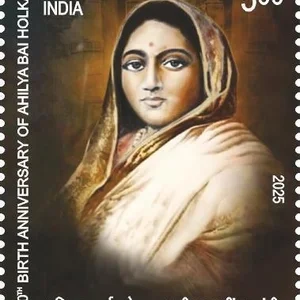
Ahilyabai Holkar
1725 — 1795
Queen of the Malwa kingdom (Indore) from 1767 to 1795, she ruled with wisdom and justice. Widowed at 29, she refused sati and took charge of the state, personally leading her armies. She had hundreds of temples, wells, and roads built across India.
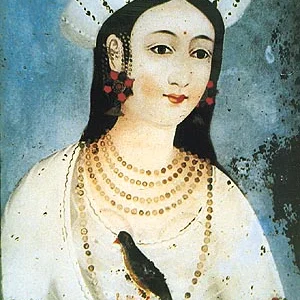
Mastani
1699 — 1740
Mastani (c. 1699–1740) was the second wife of Bajirao I, the Maratha Peshwa. Daughter of a Rajput raja and a Muslim concubine, she was an accomplished dancer and warrior. Their interfaith love caused a scandal at the Maratha court and gave rise to legend.
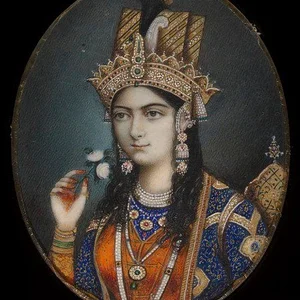
Mumtaz Mahal
1593 — 1631
Mughal empress and favorite wife of Emperor Shah Jahan. Her death in childbirth in 1631 inspired the construction of the Taj Mahal, a marble mausoleum raised to her memory that became one of the most famous monuments in the world.
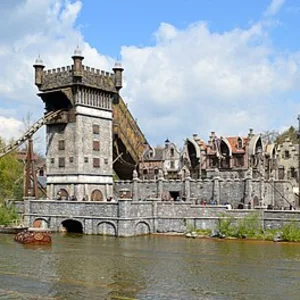
The Flying Dutchman
The Flying Dutchman is a legendary ghost ship doomed to wander the seas forever, never able to make port. Born from the maritime folklore of the great European voyages of exploration, it has become a universal symbol of curse and damnation. The legend has inspired operas, novels, and films.
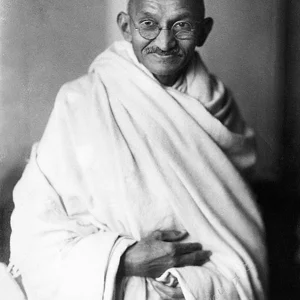
Gandhi
1869 — 1948
Indian political and spiritual leader (1869–1948), Gandhi led the movement for India's independence from British rule by advocating non-violence and civil disobedience. He became an iconic figure in the struggle for civil rights and the emancipation of colonized peoples.
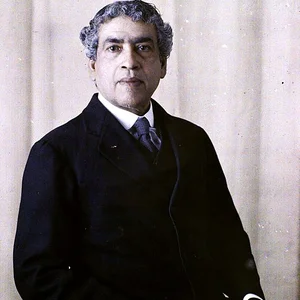
Jagadish Chandra Bose
1858 — 1937
Indian physicist and botanist (1858-1937), a pioneer in the study of radio waves and plant physiology. He demonstrated that plants react to stimuli and invented instruments of remarkable precision.
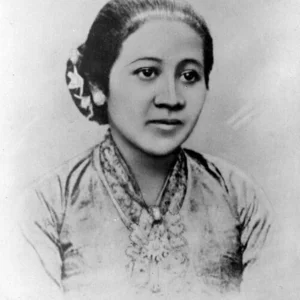
Kartini
1879 — 1904
Kartini (1879-1904) was a Javanese noblewoman who fought for Indonesian women's access to education under Dutch colonial rule. Her letters in Dutch, published posthumously under the title "Through Darkness into Light," inspired the Indonesian feminist movement and made her a major national figure.
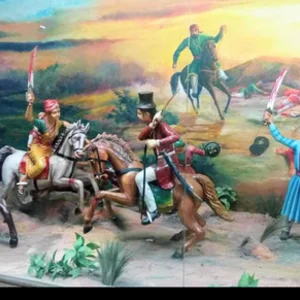
Lakshmi Bai
1828 — 1858
Queen of Jhansi (central India), she became one of the most iconic figures of the Indian Rebellion of 1857–1858 against British rule. Refusing the annexation of her kingdom by the East India Company, she personally led the fighting and died on the battlefield at age 29.

Lakshmibai of Jhansi
Queen of the kingdom of Jhansi, in northern India, Lakshmibai became one of the leading figures of the Sepoy Mutiny of 1857 against the British East India Company. Refusing the annexation of her state, she took up arms and died in battle, becoming a national symbol of Indian resistance.
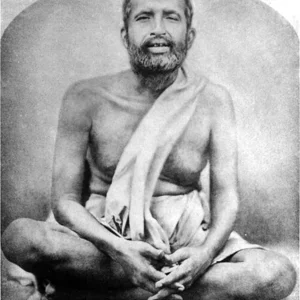
Ramakrishna
1836 — 1886
A 19th-century Bengali Hindu mystic and saint, a priest of the goddess Kali at the Dakshineswar temple near Calcutta. His spiritual quest led him to experience several religious paths (Hinduism, Islam, Christianity) and to teach the fundamental unity of all religions. He was the spiritual master of Vivekananda.
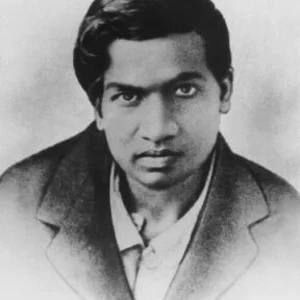
Srinivasa Ramanujan
1887 — 1920
A self-taught Indian mathematician (1887–1920), Ramanujan discovered thousands of remarkable mathematical formulas with no formal university training. Recognized by mathematician G.H. Hardy, he made major contributions to number theory and modular functions before dying prematurely at the age of 32.
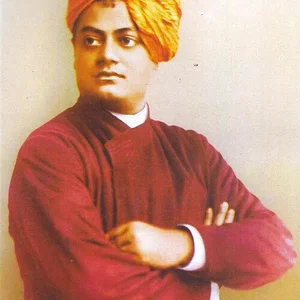
Vivekananda
1863 — 1902
Indian Hindu monk and disciple of the mystic Ramakrishna, he was one of the foremost figures who brought Hindu spirituality (vedanta and yoga) to the West in the late 19th century. His speech at the World's Parliament of Religions in Chicago in 1893 made him famous.
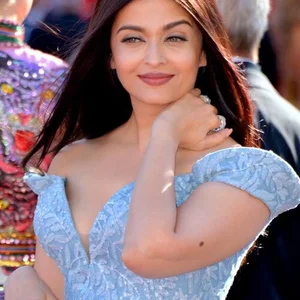
Aishwarya Rai
1973 — ?
Aishwarya Rai is an Indian actress and model born in 1973. Crowned Miss World in 1994, she became one of Bollywood's most internationally recognized stars and a global ambassador for L'Oréal Paris.
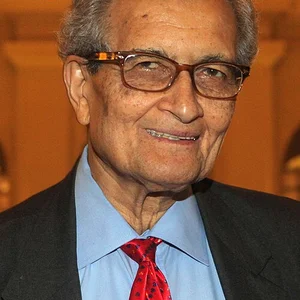
Amartya Sen
1933 — ?
Amartya Sen is an Indian economist and philosopher born in 1933. Winner of the Nobel Prize in Economics in 1998, he reshaped the analysis of well-being, poverty and famines, and founded the “capability” approach.
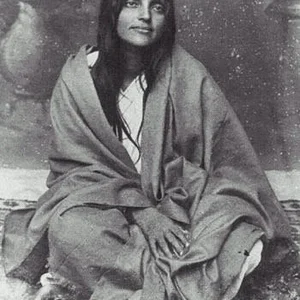
Anandamayi Ma
1896 — 1982
A Hindu mystic and saint from Bengal, revered as a major figure of 20th-century Indian spirituality. Considered by her disciples to be an embodiment of the divine, she drew many followers across India without ever having received any formal religious training.
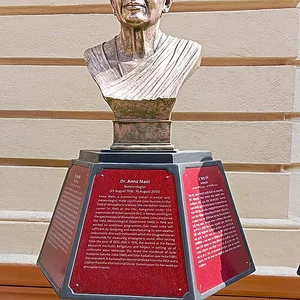
Anna Mani
1918 — 2001
Anna Mani (1918-2001) was an Indian physicist and meteorologist. A pioneer of meteorology in India, she designed instruments to measure solar radiation, ozone, and wind, contributing to her country's scientific growth after independence.
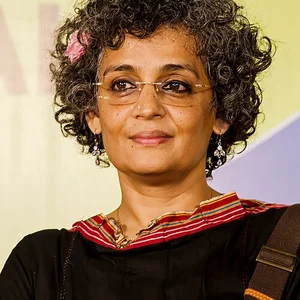
Arundhati Roy
1961 — ?
Arundhati Roy is an Indian novelist, essayist, and activist born in 1961. Her novel The God of Small Things (1997) won the Booker Prize. She is a vocal advocate against nuclear weapons, dam construction, and social inequality in India.
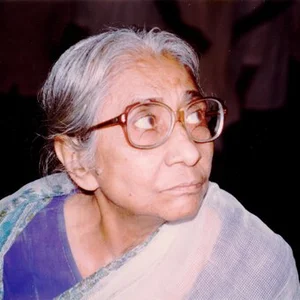
Asima Chatterjee
1917 — 2006
Asima Chatterjee (1917-2006) was a pioneering Indian chemist who specialized in the chemistry of natural products and medicinal plants. She was the first woman to receive a Doctor of Science degree from an Indian university.
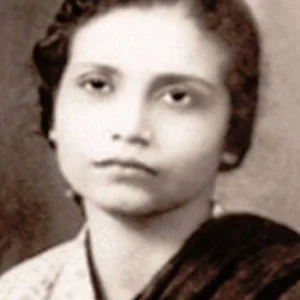
Bibha Chowdhuri
1913 — 1991
Bibha Chowdhuri (1913-1991) was an Indian physicist and a pioneer in the study of cosmic rays and particle physics. Working with Debendra Mohan Bose, she used photographic plates to detect subatomic particles, coming close to discovering the meson.
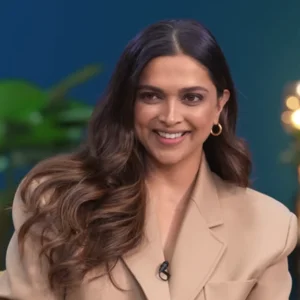
Deepika Padukone
1986 — ?
Deepika Padukone is an Indian actress and model born in 1986 in Copenhagen. The daughter of badminton champion Prakash Padukone, she has become one of Bollywood's most influential and highest-paid actresses. She is also known for her public advocacy for mental health awareness.
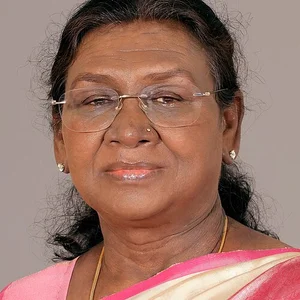
Draupadi Murmu
1958 — ?
Draupadi Murmu is an Indian stateswoman born in 1958 into a family from the Santali tribal community. The first woman from a tribal community to become President of India in 2022, she symbolizes the political rise of marginalized populations.
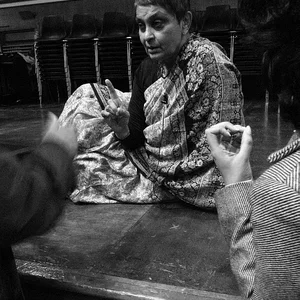
Gayatri Spivak
1942 —
Gayatri Chakravorty Spivak is an Indian philosopher and literary critic, a founding figure in postcolonial studies. Known for her essay "Can the Subaltern Speak?" (1988), she questions whether the dominated can make themselves heard within Western discourses. She is also the English translator of Derrida's *Of Grammatology*.
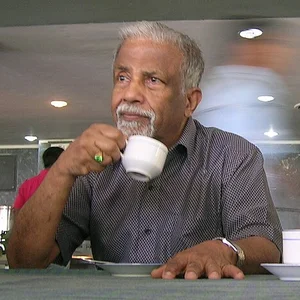
George Sudarshan
1931 — 2018
Indian-American theoretical physicist, a major figure in 20th-century physics. He contributed to the theory of the weak interaction and to quantum optics, but never received the Nobel Prize despite several nominations.
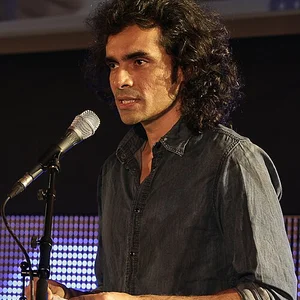
Imtiaz Ali
1971 — ?
Imtiaz Ali is an Indian film director and screenwriter born in 1971 in Jamshedpur. He is known for his romantically charged, poetic films, including Jab We Met (2007) and Rockstar (2011). His work explores themes of love, freedom, and the search for identity.
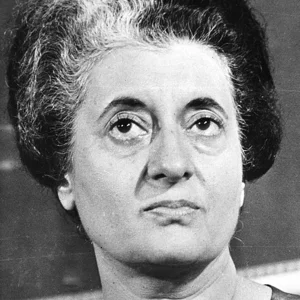
Indira Gandhi
1917 — 1984
Indira Gandhi (1917-1984) was the first female Prime Minister of India, serving from 1966 to 1977 and again from 1980 to 1984. The daughter of Jawaharlal Nehru, she left a lasting mark on history through her nationalization policies, her leadership during the 1971 war, and her authoritarian rule during the state of emergency. She was assassinated by her own bodyguards in 1984.
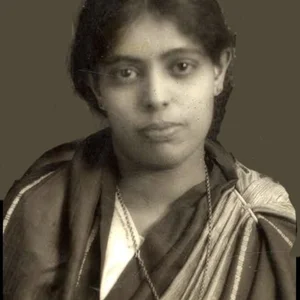
Janaki Ammal
1897 — 1984
Janaki Ammal was an Indian botanist and cytogeneticist, a pioneer in the study of the chromosomes of cultivated plants. She is especially known for her work on improving sugarcane and for helping to preserve India's native flora.
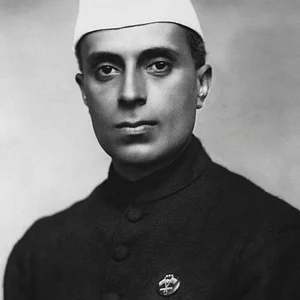
Jawaharlal Nehru
1889 — 1964
Prime Minister of independent India from 1947 to 1964, Nehru was one of the architects of independence alongside Gandhi. Architect of the modern Indian state, he embodied the Non-Aligned Movement during the Cold War.

Kamala Sohonie
1911 — 1998
Kamala Sohonie was an Indian biochemist, the first Indian woman to earn a doctorate in science. She broke down gender barriers in scientific research and studied the nutritional value of local foods.
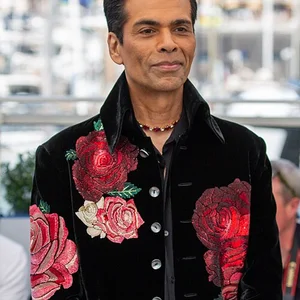
Karan Johar
1972 — ?
Indian director, producer, and screenwriter born in 1972, a major figure in Bollywood. He is known for his grand romantic and family films, most notably Kuch Kuch Hota Hai (1998).
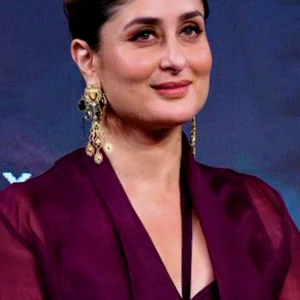
Kareena Kapoor
1980 — ?
Kareena Kapoor, born in 1980 in Mumbai, is one of Bollywood's most celebrated actresses. From the legendary Kapoor family of Indian cinema, she has left her mark on Hindi film through her versatile roles and iconic style since the 2000s.
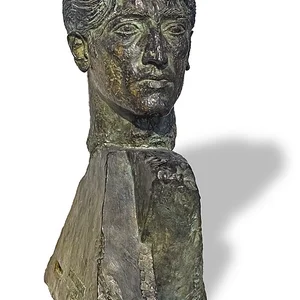
Krishnamurti
Jiddu Krishnamurti (1895-1986) was an Indian thinker of global stature. Singled out by the Theosophical Society as a future “World Teacher,” he broke with that role in 1929 and spent the rest of his life inviting everyone to free themselves from all spiritual authority.
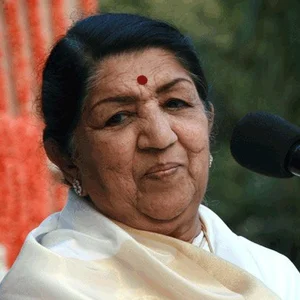
Lata Mangeshkar
1929 — 2022
Nicknamed the “Nightingale of India”, Lata Mangeshkar (1929–2022) is the most celebrated playback singer in Indian cinema. Over a career spanning more than 70 years, she recorded over 30,000 songs in some thirty languages, becoming a national cultural icon.
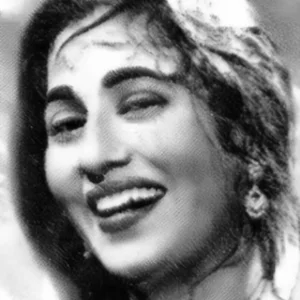
Madhubala
1933 — 1969
Madhubala (1933-1969) is considered one of the greatest actresses of classic Hindi cinema. Nicknamed the "Venus of Bollywood," she embodied beauty and talent in films that became classics of the golden age of Indian cinema.
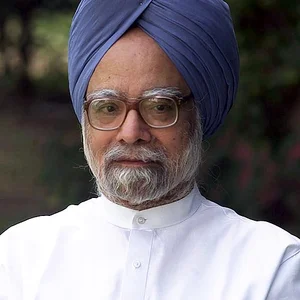
Manmohan Singh
1932 — 2024
Indian economist and statesman, Manmohan Singh served as Prime Minister of India from 2004 to 2014. Architect of the economic reforms of the 1990s, he profoundly modernized the Indian economy.
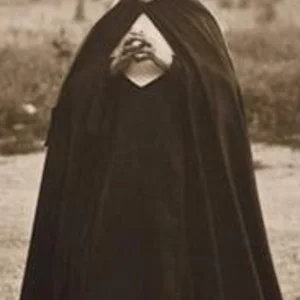
Mother Teresa
1910 — 1997
Born in 1910 in Ottoman Macedonia, Mother Teresa founded the Missionaries of Charity in Calcutta in 1950 to help the poorest of the poor. A global icon of compassion, she received the Nobel Peace Prize in 1979 and was canonized in 2016.
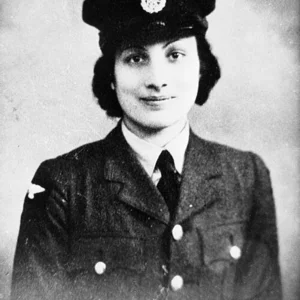
Noor Inayat Khan
1914 — 1944
A radio operator for the British Special Operations Executive (SOE), of Indian origin and Sufi tradition, she was parachuted into occupied France in 1943. Arrested by the Gestapo, she was executed at the Dachau camp in 1944 and posthumously awarded the George Cross.
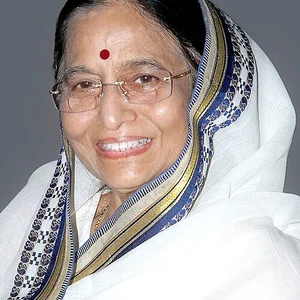
Pratibha Patil
1934 — ?
Pratibha Patil is an Indian politician born in 1934 who became the first female President of India from 2007 to 2012. Trained as a lawyer, she was active within the Indian National Congress party and held numerous government positions before reaching the country's highest office.
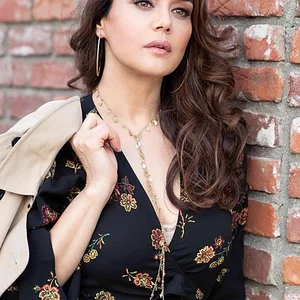
Preity Zinta
1975 — ?
Preity Zinta is an Indian actress born on January 31, 1975, in Shimla. She rose to fame with the film Dil Se (1998) and became one of Bollywood's most popular actresses throughout the 2000s. She is also known for her humanitarian work and international career.
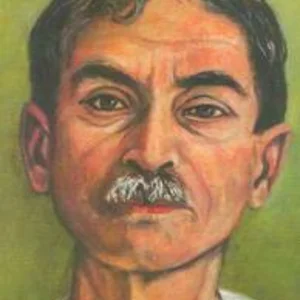
Premchand
1880 — 1936
Premchand (1880-1936) is one of the greatest writers in the Hindi and Urdu languages. A novelist and short-story writer, he is regarded as the father of the modern social novel in Hindi, depicting the lives of peasants and the oppressed in colonial India.
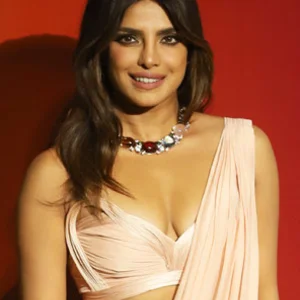
Priyanka Chopra
1982 — ?
Priyanka Chopra is an Indian actress and singer born in 1982 in Jamshedpur. Crowned Miss World in 2000, she became one of Bollywood's most popular actresses before breaking into Hollywood. She embodies India's cultural influence on the world stage.
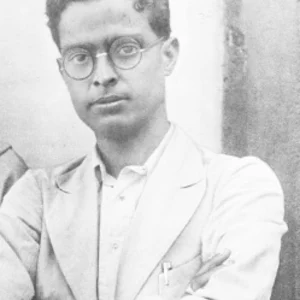
R. K. Narayan
1906 — 2001
Indian novelist writing in English, one of the greatest writers of twentieth-century India. He created the imaginary town of Malgudi, the setting for most of his works, where he portrays the everyday life of South India with tenderness and irony.
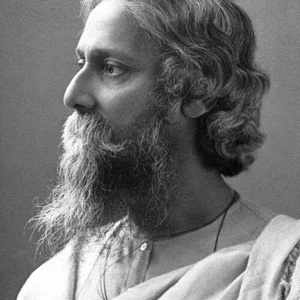
Rabindranath Tagore
1861 — 1941
Indian (Bengali) poet, novelist, composer, and philosopher, a leading figure of the Bengal Renaissance. The first non-European to win the Nobel Prize in Literature, in 1913, for his collection Gitanjali. A humanist thinker and educator, he founded the university at Santiniketan.
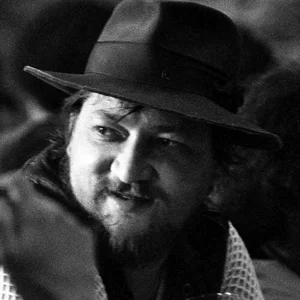
Rainer Werner Fassbinder
1945 — 1982
German filmmaker, playwright, and actor, a major figure of New German Cinema. Over a dazzling career spanning some fifteen years, he directed more than forty films that dissect postwar West German society.
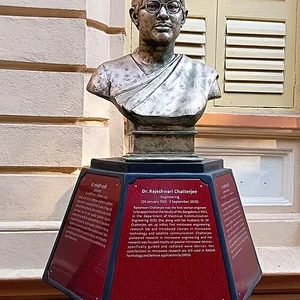
Rajeshwari Chatterjee
1922 — 2010
Rajeshwari Chatterjee was an Indian engineer and scientist, a pioneer of microwave and antenna engineering. The first woman engineer from the state of Karnataka, she taught for decades at the Indian Institute of Science in Bangalore.
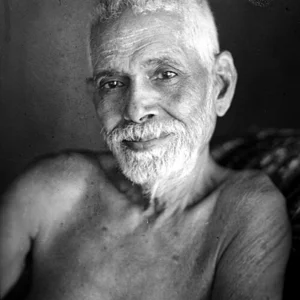
Ramana Maharshi
1879 — 1950
Indian sage and spiritual master, a major figure of the Advaita Vedānta (non-duality) tradition. Settled in Tiruvannamalai at the foot of the sacred mountain Arunachala, he taught the path of self-inquiry through the question “Who am I?”.
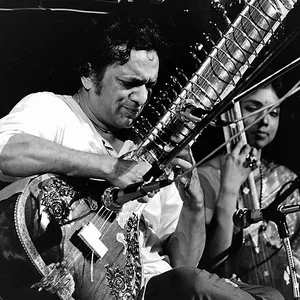
Ravi Shankar
1920 — 2012
Indian sitarist and composer

Rosa Abendanon
A progressive Dutch woman of the early 20th century, wife of Minister Jacques Abendanon. She was the main correspondent and friend of Raden Adjeng Kartini, the Indonesian pioneer of women's emancipation, whose letters she preserved and passed on.
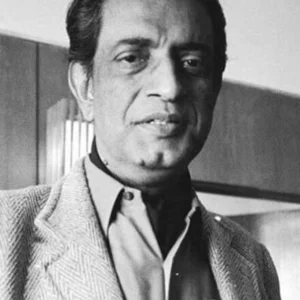
Satyajit Ray
1921 — 1992
Indian Bengali filmmaker, writer and composer
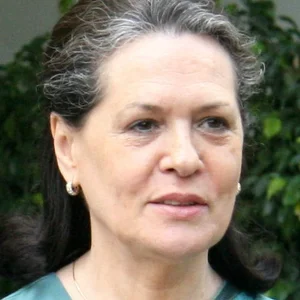
Sonia Gandhi
1946 — ?
Born Edvige Antonia Albina Màino in 1946 in Italy, Sonia Gandhi married Rajiv Gandhi in 1968 and became an Indian citizen. Following her husband's assassination in 1991, she took over the leadership of the Indian National Congress in 1998 and led the UPA coalition to victory in 2004, declining the position of Prime Minister.
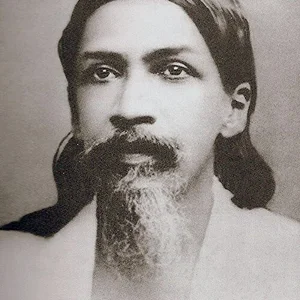
Sri Aurobindo
1872 — 1950
Sri Aurobindo is an Indian philosopher, poet, and spiritual master. First a militant in the Indian nationalist movement against British rule, he later withdrew to Pondicherry where he developed integral yoga and founded a celebrated ashram.
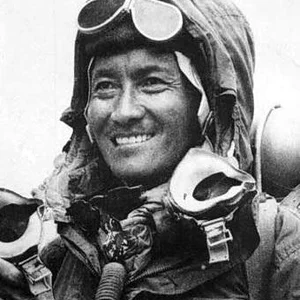
Tenzing Norgay
1914 — 1986
A Nepali Sherpa of Tibetan origin, Tenzing Norgay reached the summit of Everest on May 29, 1953, alongside Edmund Hillary. This historic ascent made him one of the most celebrated mountaineers in the world.
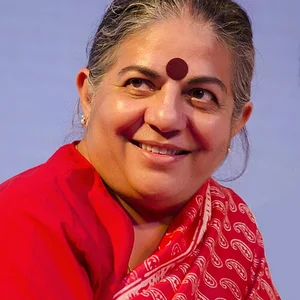
Vandana Shiva
1952 — ?
Vandana Shiva (born 1952) is an Indian physicist, philosopher, and environmental activist. Founder of the Navdanya movement, she champions biodiversity and farmers' rights while opposing GMOs and neoliberal globalization. A leading figure in ecofeminism, she received the Right Livelihood Award (the Alternative Nobel Prize) in 1993.

Yongden
Yongden (1899–1955) was a Tibetan monk adopted by the explorer Alexandra David-Néel. He accompanied her on her travels across Central Asia and Tibet, most notably during the clandestine entry into Lhasa in 1924, and co-authored several works with her.
Abhishek Bachchan
1976 — ?
Indian Bollywood actor born in 1976, son of the famous actor Amitabh Bachchan. He made his mark in Hindi cinema during the 2000s and in 2007 married the actress Aishwarya Rai, a wedding that drew enormous media attention.
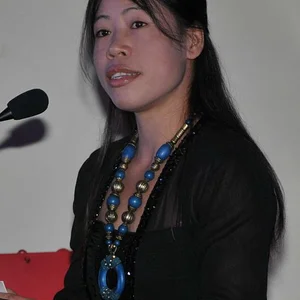
Mary Kom
1982 — ?
Mary Kom is an Indian boxer born in 1983 in the state of Manipur. A six-time amateur world champion and Olympic bronze medalist in 2012, she became an icon of women's sport in India. Nicknamed "Magnificent Mary," she also serves as a member of parliament in the Rajya Sabha.
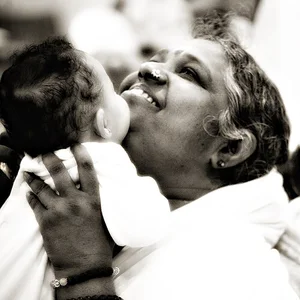
Mata Amritanandamayi
1953 — ?
Mata Amritanandamayi, nicknamed “Amma” (the Mother), is an Indian spiritual figure born in 1953 in Kerala. Known for the embraces (darshan) she has given to millions of people, she leads a vast humanitarian and spiritual movement.
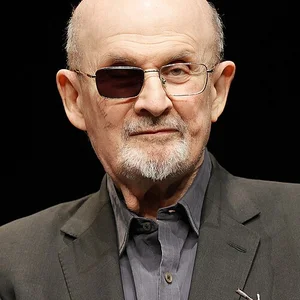
Salman Rushdie
1947 — ?
British-American writer of Indian origin born in 1947, a major figure in English-language postcolonial literature. Known worldwide for his novels blending magical realism with the history of India, as well as for the fatwa issued against him after the publication of The Satanic Verses.
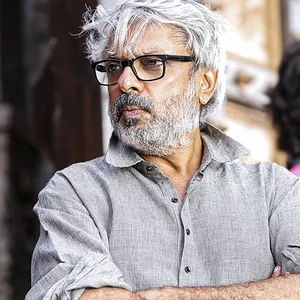
Sanjay Leela Bhansali
1963 — ?
Sanjay Leela Bhansali is an Indian director, producer, and composer born in 1963, a major figure of Bollywood cinema. He is renowned for his sumptuous romantic epics, with their opulent staging and keen visual sense.
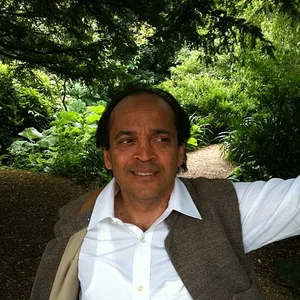
Vikram Seth
1952 — ?
Vikram Seth is an English-language Indian writer and poet born in 1952. He is world-renowned for his vast novel *A Suitable Boy* (1993), a sweeping portrait of post-independence India. His work blends poetry, the verse novel, and travel writing.