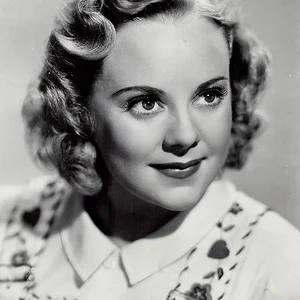

Norwegian figure skater, three-time consecutive Olympic champion (1928, 1932, 1936) and ten-time world champion. Reinventing herself as a Hollywood movie star, she revolutionized figure skating by bringing dance and showmanship into the sport.
Sonja Henie(1912 — 1969)
Sonja Henie
Norvège, États-Unis
5 min read
Frequently asked questions
Key Facts
- Born on April 8, 1912, in Oslo (Christiania), Norway
- Olympic figure skating champion at the 1928 (St. Moritz), 1932 (Lake Placid), and 1936 (Garmisch-Partenkirchen) Games
- Ten-time consecutive world champion (1927-1936)
- Became a Hollywood movie star starting in 1936 (films such as 'One in a Million')
- Died on October 12, 1969, aboard an air ambulance
Works & Achievements
The first of her three Olympic titles, won at age 15, which revealed her to the world.
A second Olympic crown, confirming her dominance over world figure skating.
A third consecutive Olympic title, a feat never matched among singles skaters.
A record streak of ten consecutive victories at the World Figure Skating Championships.
Henie's first major Hollywood role, which launched her film career.
A hit musical blending skating and big band, among her most famous films.
Grand touring ice shows that popularized figure skating across the United States.
Anecdotes
At just 11 years old, Sonja Henie already took part in her first Olympic Games, the 1924 edition in Chamonix: she finished last, but the experience shaped her ambition. Four years later, at 15, she won her first Olympic title, becoming one of the youngest champions in history.
Sonja Henie revolutionized figure skating by shortening her skirts above the knee and wearing white, which scandalized part of the audience of the time. Inspired by the dancer Anna Pavlova, she brought ballet movements into her programs and transformed a rigid sport into a true choreographed spectacle.
After her three Olympic titles, she settled in Hollywood and became one of the highest-paid actresses in the United States during the 1930s and 1940s, rivaling stars like Clark Gable at the box office. Her films, built around her ice-skating routines, popularized skating with the American general public.
Sonja Henie was long criticized for skating in an exhibition in the presence of Adolf Hitler in 1936 and saluting him. It was also reported that a photo she had autographed for Hitler may have protected her family's villa in Oslo during the German occupation of Norway.
Having become immensely wealthy thanks to the cinema and her touring ice shows, Sonja Henie assembled, together with her husband Niels Onstad, one of the most important collections of modern art in Norway. They created a museum near Oslo to display it to the public.
Primary Sources
The story of her career as a skater and her move to Hollywood, told in the first person.
Sonja Henie (Norway) is ranked first in the ladies' figure skating event.
Sonja Henie wins her third consecutive Olympic title in figure skating.
Key Places
Birthplace of Sonja Henie, where she learned to skate as a child. She began her career in the skating clubs of the Norwegian capital.
Alpine resort that hosted the 1928 Winter Olympic Games. Henie won her first Olympic title there at age 15.
Site of the 1936 Winter Olympic Games in Nazi Germany. Henie won her third consecutive Olympic title there.
The film capital where Henie became one of the highest-paid actresses of the era. There she shot her ice-skating musicals for 20th Century Fox.
A modern art center founded in 1968 by Sonja Henie and her husband Niels Onstad near Oslo. It houses their collection and keeps her memory alive.
Typical Objects

White leather boots mounted on tapered blades, suited to figure skating. Henie turned them into an instrument of dance as much as of sport.

A stage outfit with a short skirt, often white and trimmed with rhinestones, that broke with the long, austere dresses of the era. It freed up movement and made the performance more theatrical.

The supreme reward of the Games; Henie won three gold ones in a row (1928, 1932, 1936). A symbol of her international dominance in skating.

The filming device of the major 1930s–40s studios that shot her ice musicals. It turned the skater into a worldwide silver-screen star.

An advertising placard announcing her “Hollywood Ice Revue” touring shows. These posters drew immense crowds to American skating rinks.
School Curriculum
Vocabulary & Tags
Key Vocabulary
Tags
Daily Life
Morning
From childhood and throughout her career, Sonja Henie began her days early on the ice. Morning training sessions strung together compulsory figures, jumps, and spins repeated hundreds of times to achieve perfection.
Afternoon
The afternoon was devoted to choreography and artistic work, inspired by classical ballet. In Hollywood, these hours were spent on film sets, between takes and rehearsals of ice-skating numbers.
Evening
In the evening, Henie led an intense social life, attending parties of high society and the Hollywood elite. During her tours, evenings were filled with performances of her ice revues before thousands of spectators.
Food
A top-level athlete, she watched her diet to stay light and enduring. In Hollywood, however, she enjoyed refined cuisine and the lavish receptions characteristic of the lifestyle of the stars of that era.
Clothing
On the ice, she introduced short, white, sequined costumes that revolutionized skaters' attire. In town, she sported the furs, haute couture gowns, and jewelry of a wealthy international star.
Housing
Born into a well-off Oslo family (her father was a wealthy furrier), she grew up in comfort. Once she became a star, she lived in luxurious residences in Los Angeles and kept properties in Norway.
Historical Timeline
Period Vocabulary
Liens externes & ressources
Références
Œuvres
Titre olympique de Saint-Moritz
1928
Titre olympique de Lake Placid
1932
Titre olympique de Garmisch-Partenkirchen
1936
Dix titres de championne du monde
1927-1936
Hollywood Ice Revue (tournées)
1937-1950s