 flip
flipAmbrosia — the food of immortality of the Olympians (evocation)
Ambrosia — the food of immortality of the Olympians (evocation)
Why this dish? Zeus and the Olympians did not touch human food: they fed on ambrosia and nectar, which made immortal ichor flow in their veins instead of blood. This 'recipe' is a poetic evocation, for no text gives its composition — it is a mythical dish, not an attested one.
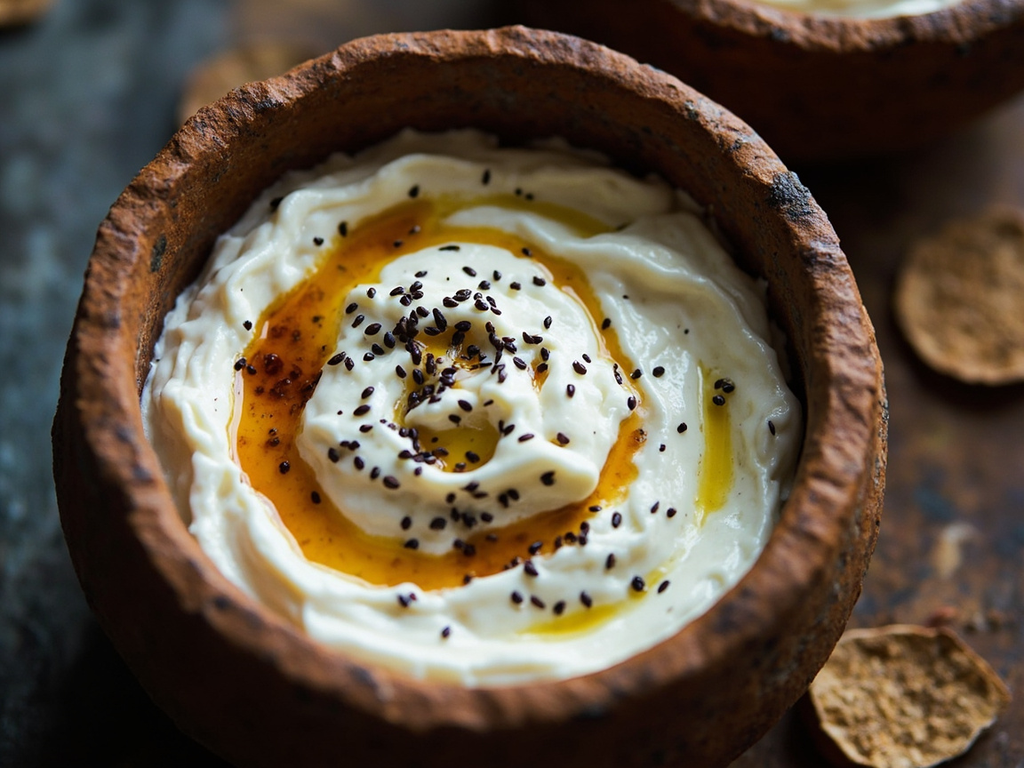
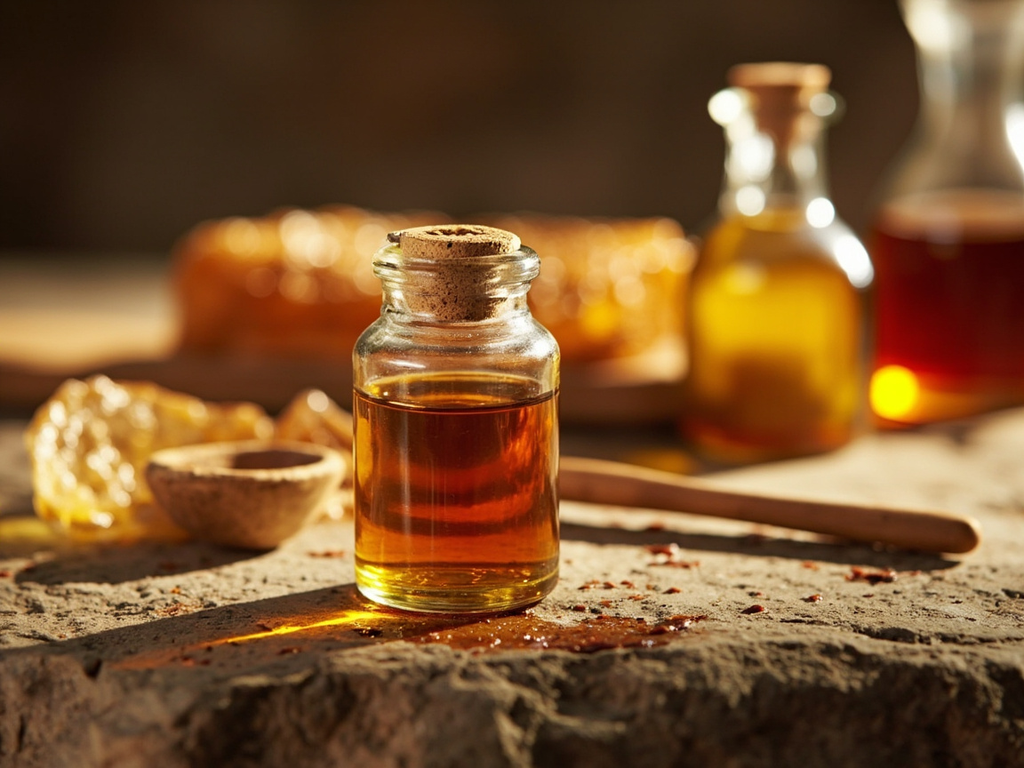
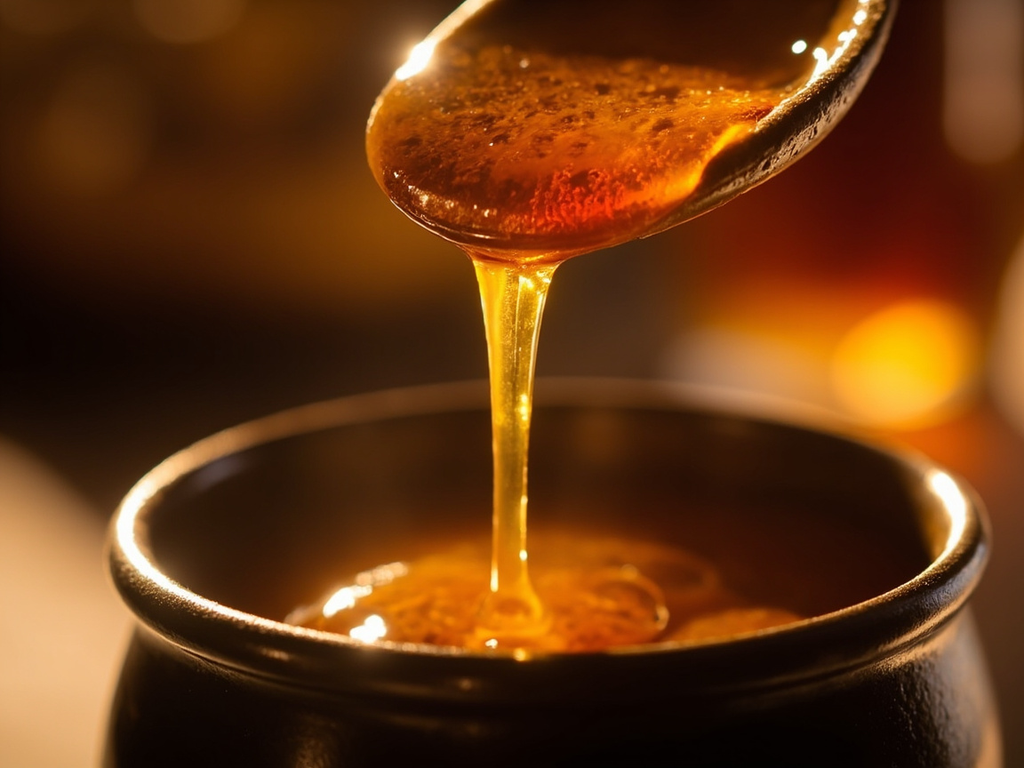
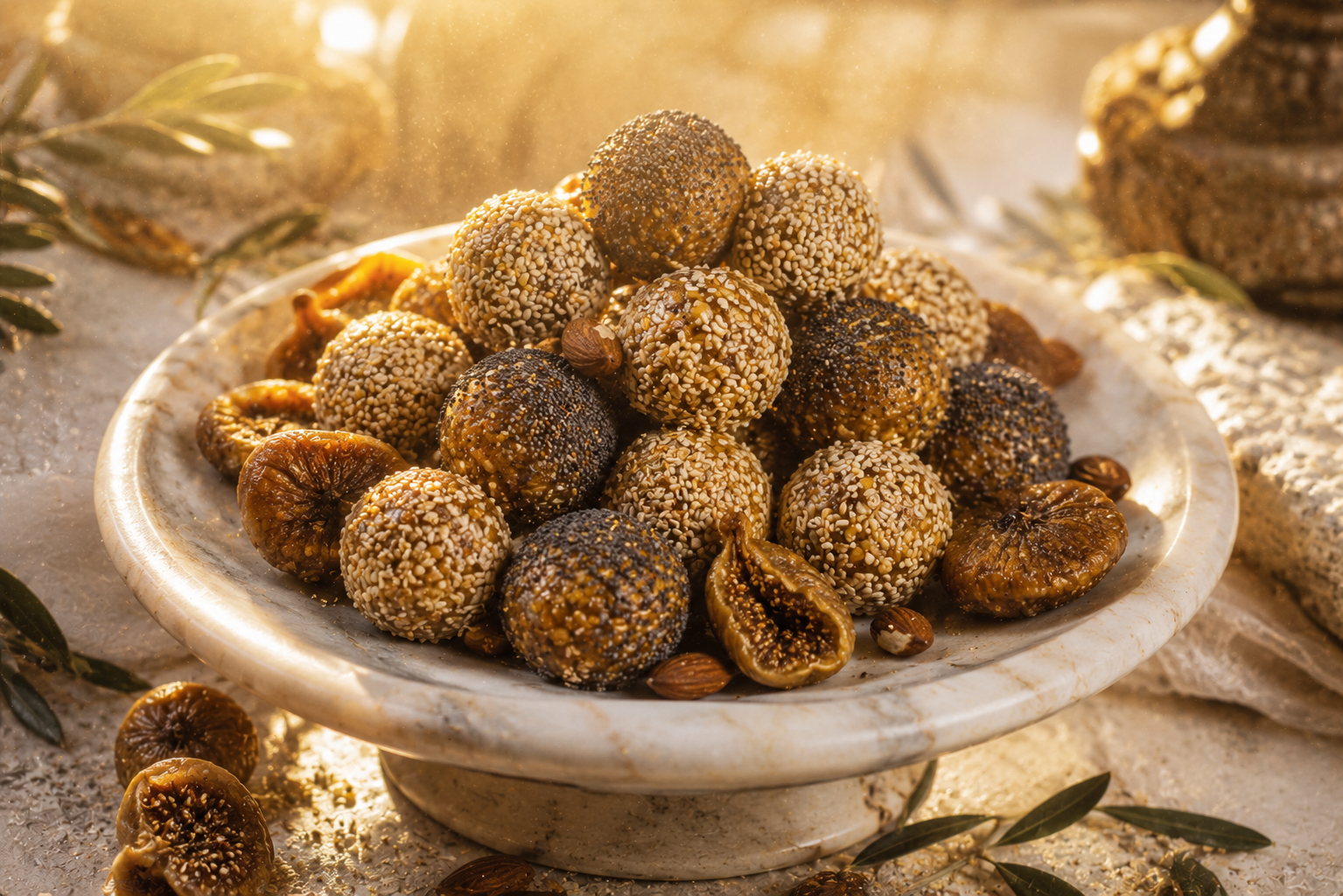
A symbolic and non-historical composition: a cloud of honey, dried fruits and flower water, evoking the perfumed sweetness the Greeks imagined for the food of the gods. To be understood as a culinary reverie, not a reconstruction.
You mortals eat bread and barley, then death takes you. I feed on ambrosia and nectar, and in my veins flows not your red blood, but the ichor of immortals. None of you know its taste — nine times sweeter than honey, more fragrant than all your flowers combined. If you wish to dream of it, take the purest honey, the fruits of the sun, and imagine the rest: for this food, no human hand will ever knead.
- •Ambrosia — unknown to mortals (divine food (mythical))
- •Nectar — unknown to mortals (drink of immortality (mythical))
Ambrosia — the food of immortality of the Olympians (evocation)
A symbolic and non-historical composition: a cloud of honey, dried fruits and flower water, evoking the perfumed sweetness the Greeks imagined for the food of the gods. To be understood as a culinary reverie, not a reconstruction.
Why this dish? Zeus and the Olympians did not touch human food: they fed on ambrosia and nectar, which made immortal ichor flow in their veins instead of blood. This 'recipe' is a poetic evocation, for no text gives its composition — it is a mythical dish, not an attested one.
You mortals eat bread and barley, then death takes you. I feed on ambrosia and nectar, and in my veins flows not your red blood, but the ichor of immortals. None of you know its taste — nine times sweeter than honey, more fragrant than all your flowers combined. If you wish to dream of it, take the purest honey, the fruits of the sun, and imagine the rest: for this food, no human hand will ever knead.
Ingredients (period version)
- Ambrosia — unknown to mortals (divine food (mythical))
- Nectar — unknown to mortals (drink of immortality (mythical))
Ingredients
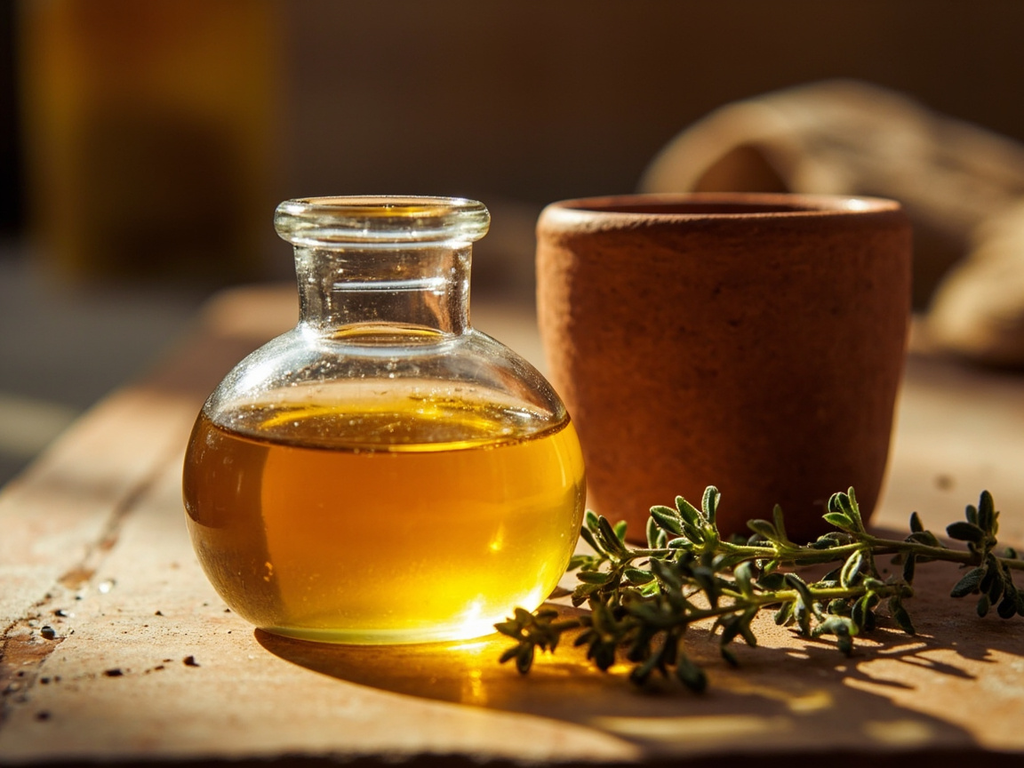
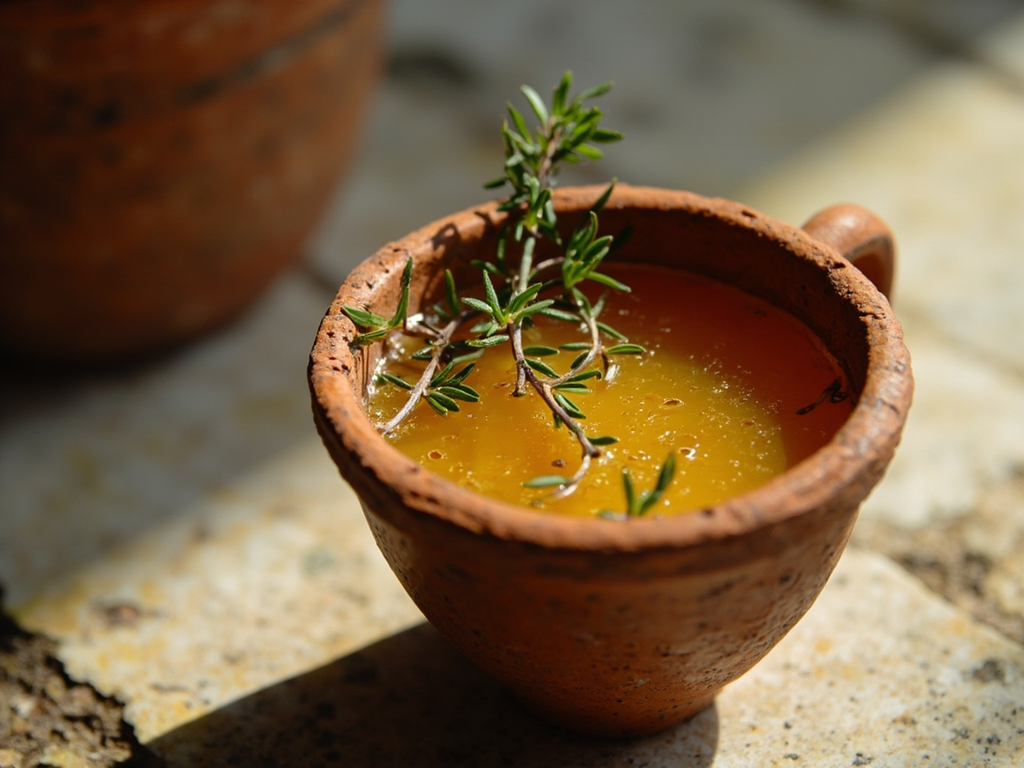
- Thyme or orange blossom honey — 3 tbsp (fragrant base)
- Dried figs and raisins — 100 g (fruity sweetness)
- Pitted dates — 60 g (soft binder)
- Orange blossom water — 1 tsp (ethereal perfume)
- Sesame and poppy seeds — 2 tbsp (coating)
- Almonds or walnuts — 50 g (crunch)
Method
- Roughly blend figs, raisins, dates and almonds until you get a cohesive paste.
- Incorporate the honey and orange blossom water; adjust with a little more dried fruit if the paste is too soft.
- Shape into small pearly balls.
- Roll them in the sesame and poppy seed mix for a 'celestial' shimmer.
- Chill for 1 hour and serve as bites, acknowledging that this is an evocation and not a real ancient dish.
How it was made : Ancient Greeks never described a recipe for ambrosia: the word evokes the very idea of immortality (a-mbrotos, 'not mortal'). Homer calls it fragrant and precious, also used as divine ointment; nectar would be the associated drink. Any reconstruction is therefore imaginary, based only on the sweet ingredients known to the Greeks: honey, dried fruits, flowers.
The contemporary twist : Serve under a glass cloche with a fine fragrant smoke (burned thyme) when lifting the lid, to evoke the knísê rising to Olympus.
Sources : Homer, Iliad and Odyssey (ambrosia, nectar and ichor of the gods) · Hesiod, Theogony (the Olympians and their food of immortality)
Zeus · Charactorium