 flip
flipOxymel: honey and vinegar syrup for the stomach
Oxymel: honey and vinegar syrup for the stomach
Why this dish? Suetonius reports that Augustus had a capricious appetite and fragile health, prone to stomach ailments. Roman physicians, following Celsus, prescribed oxymel — honey and vinegar cooked together — to aid digestion. This table remedy evokes the constant health concern that accompanied him until his death in Nola.
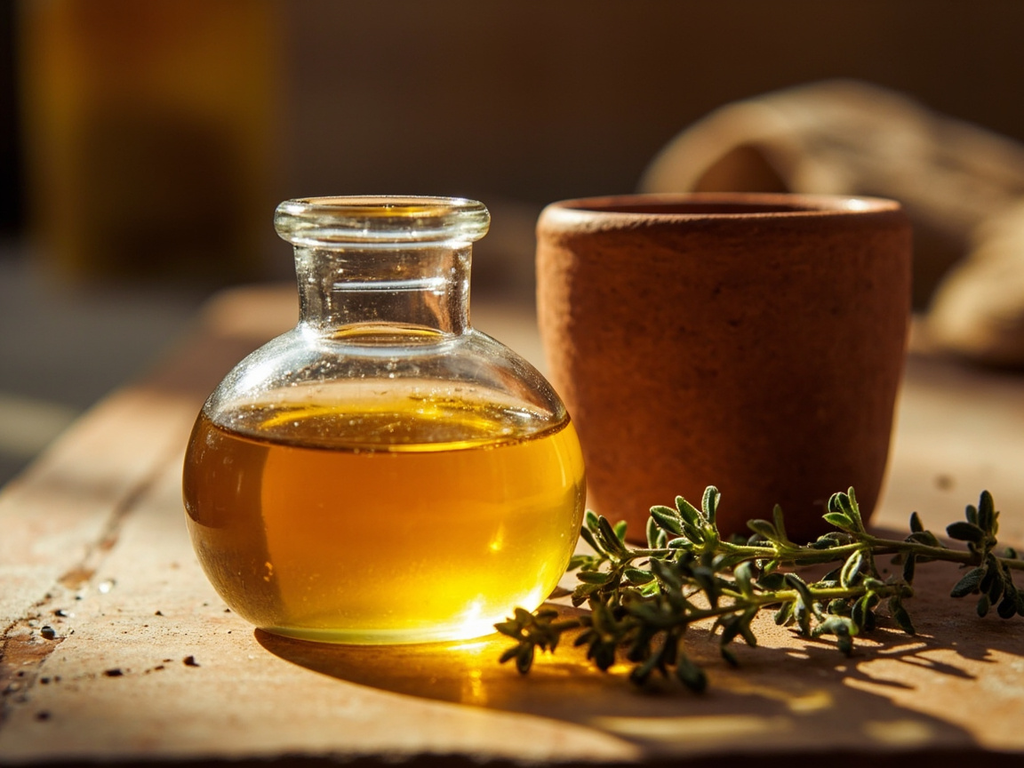
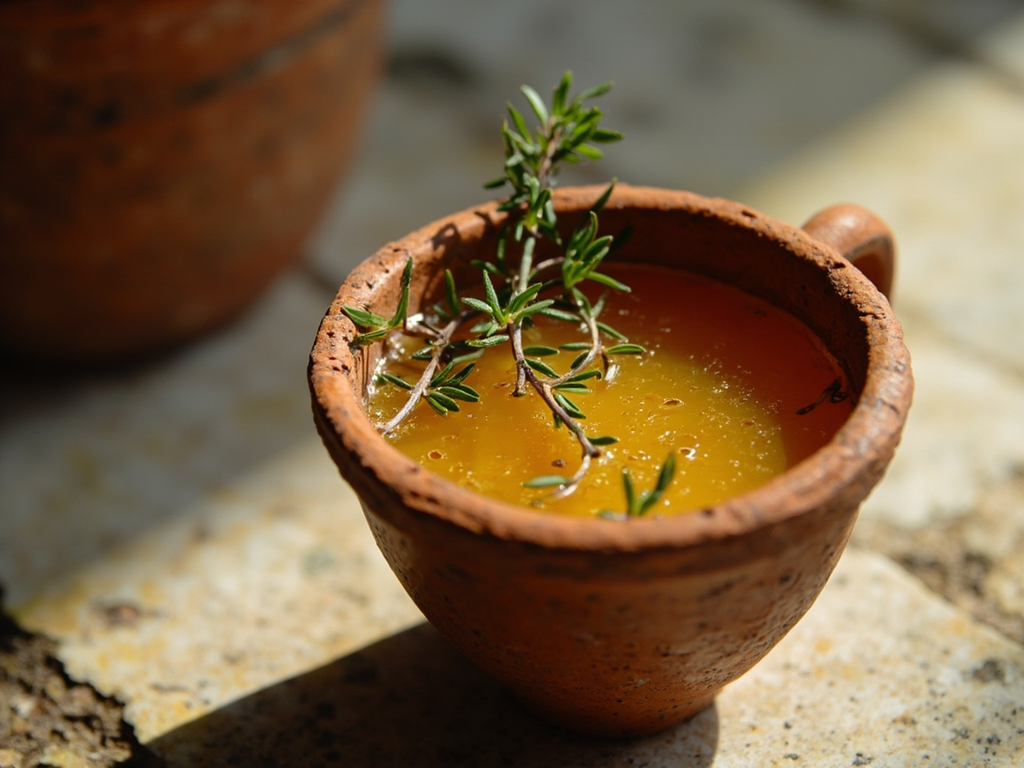
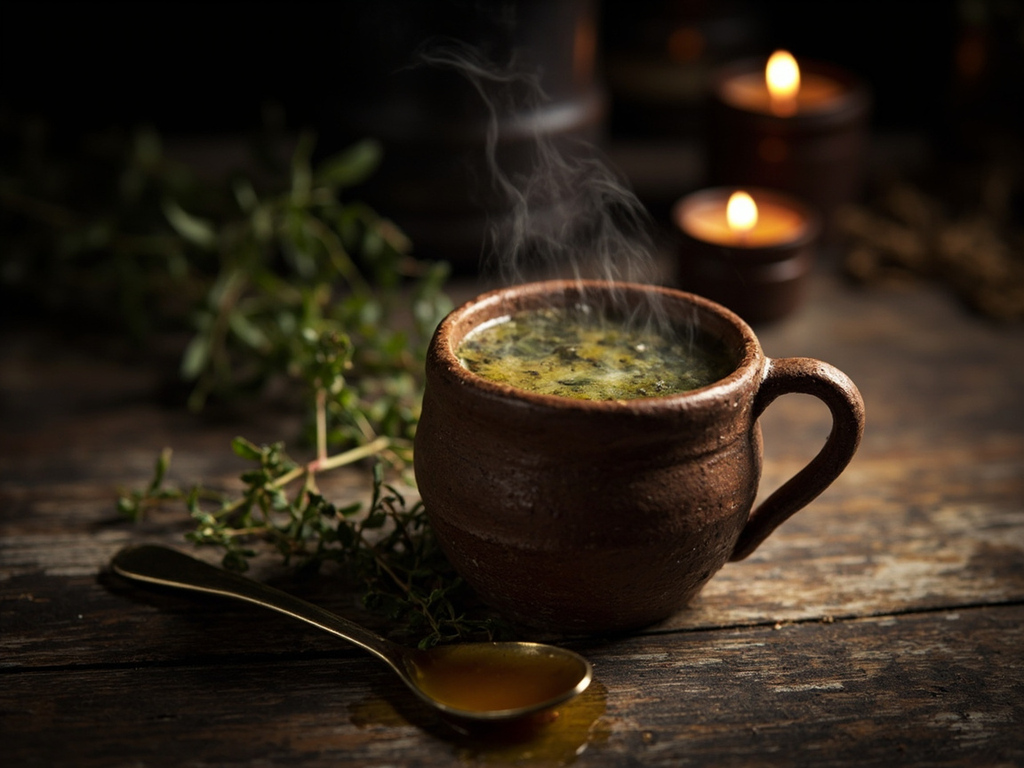
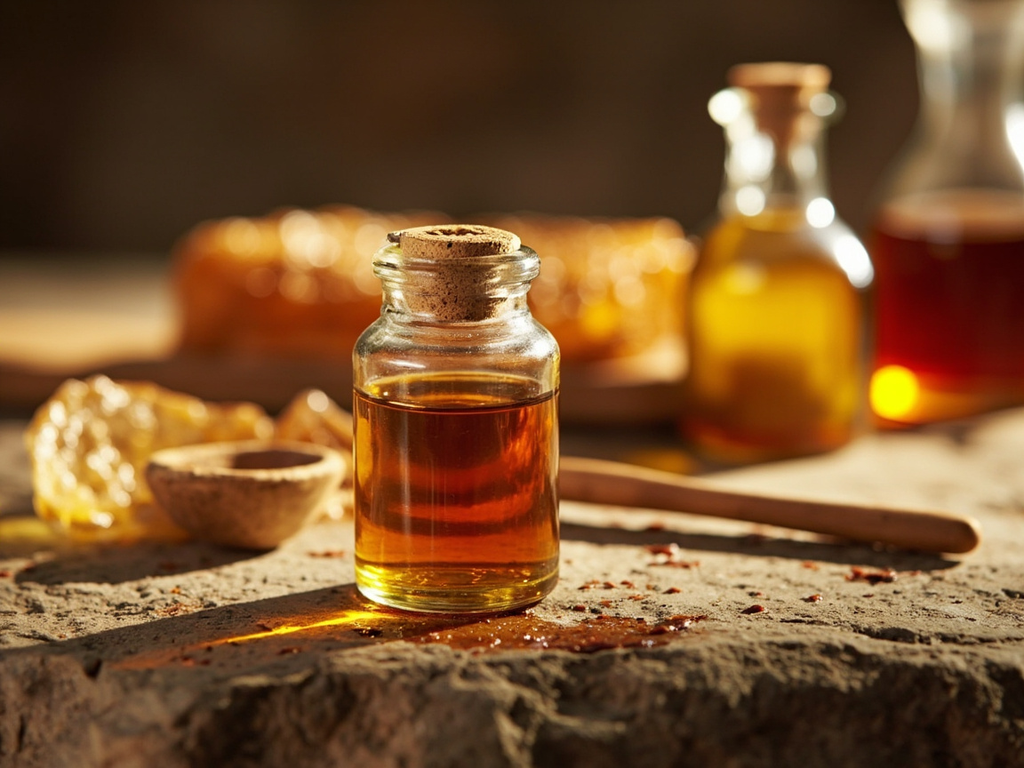
A clear syrup of honey and vinegar, slightly reduced, sweet and sour, taken in small sips to aid digestion. A remedy from antiquity, halfway between drink and potion.
My health was never as robust as my empire; my stomach played a thousand tricks on me, and appetite came and went without my bidding. My physicians had me take this oxymel, where honey softens what vinegar has harsh, in small sips before the meal. Trust my experience as a man who lived long despite a frail body: a little sweetness over a little sourness sets many things in order, at the table as in the state.
- •Honey — two parts (sweetness, base)
- •Vinegar — one part (medicinal acidity)
- •Water — a little (to dilute)
Oxymel: honey and vinegar syrup for the stomach
A clear syrup of honey and vinegar, slightly reduced, sweet and sour, taken in small sips to aid digestion. A remedy from antiquity, halfway between drink and potion.
Why this dish? Suetonius reports that Augustus had a capricious appetite and fragile health, prone to stomach ailments. Roman physicians, following Celsus, prescribed oxymel — honey and vinegar cooked together — to aid digestion. This table remedy evokes the constant health concern that accompanied him until his death in Nola.
My health was never as robust as my empire; my stomach played a thousand tricks on me, and appetite came and went without my bidding. My physicians had me take this oxymel, where honey softens what vinegar has harsh, in small sips before the meal. Trust my experience as a man who lived long despite a frail body: a little sweetness over a little sourness sets many things in order, at the table as in the state.
Ingredients (period version)
- Honey — two parts (sweetness, base)
- Vinegar — one part (medicinal acidity)
- Water — a little (to dilute)
Ingredients
- Honey — 200 g (sweetness, base)
- Cider or wine vinegar — 100 ml (acidity)
- Water — 100 ml (to dilute)
Method
- Combine honey, vinegar, and water in a small saucepan.
- Heat over low heat, stirring, without boiling, until the honey is dissolved and the mixture is slightly syrupy (5 to 8 minutes).
- Skim if necessary, let cool, and pour into a clean bottle.
- Store in a cool place and take a spoonful diluted in a little warm water before the meal. Keeps for several weeks.
How it was made : Oxymel ('vinegar-honey', from Greek *oxos* + *meli*) is one of the oldest documented remedies: Hippocratic medicine and later Celsus, a Roman physician contemporary with Augustus, recommended it for digestive and respiratory disorders. It was prepared by cooking honey and vinegar together, sometimes with added water or herbs.
The contemporary twist : Back in fashion as a wellness 'switchel,' it is served diluted with ice-cold sparkling water and a slice of fresh ginger.
Sources : Celsus, *De medicina* (uses of oxymel) · Suetonius, *Life of Augustus*, § 81-82 (fragile health and stomach ailments)
Augustus · Charactorium