 flip
flipBarley Malt Sugar (yí, 飴)
Barley Malt Sugar (yí, 飴)
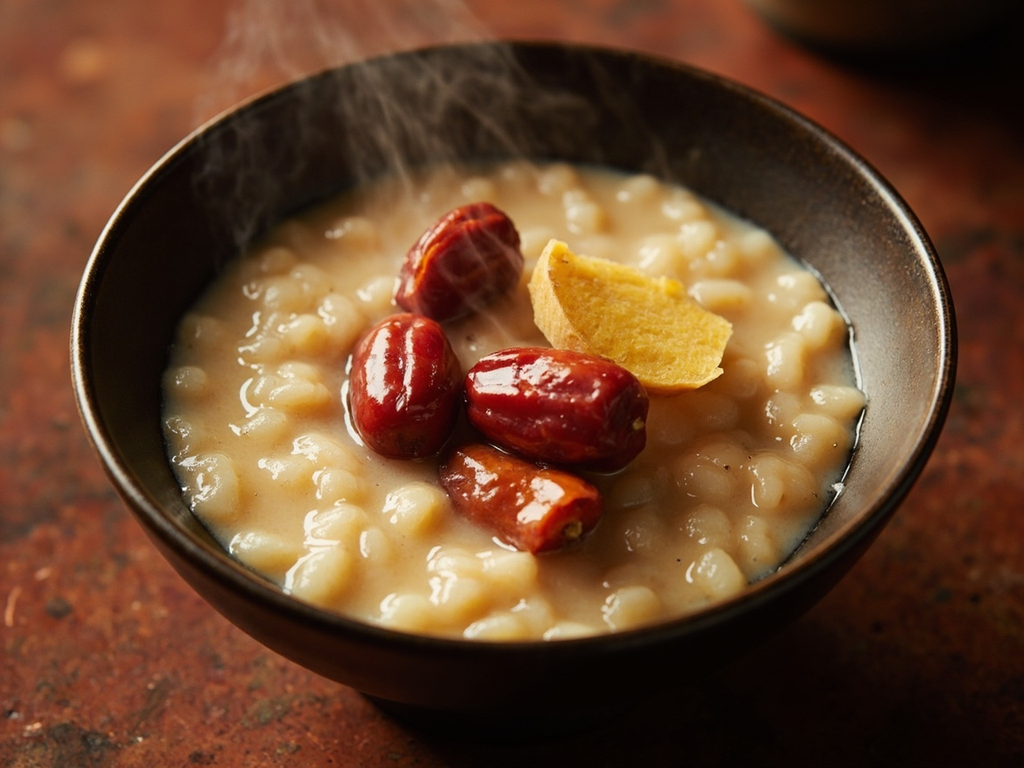
Why this dish? An aging officer serving several emperors, Cai Lun knew yí, thick malt syrup that the Han considered a gentle tonic, soothing for the throat and comforting — the rare sweet treat of an era without refined cane sugar in the north.
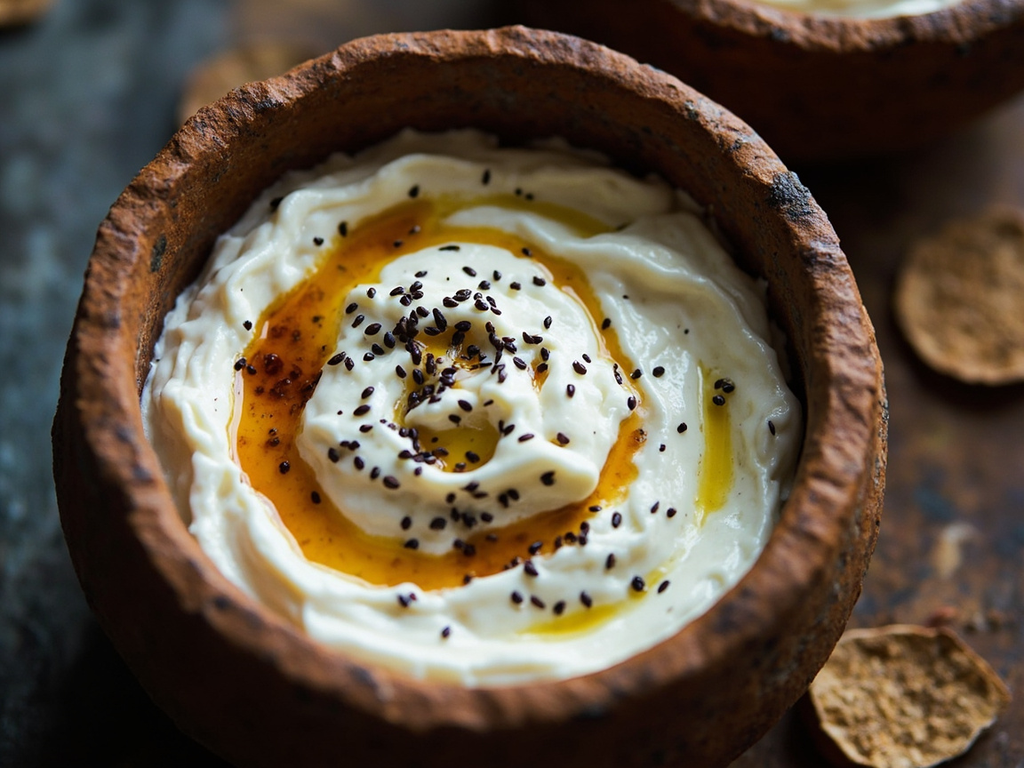
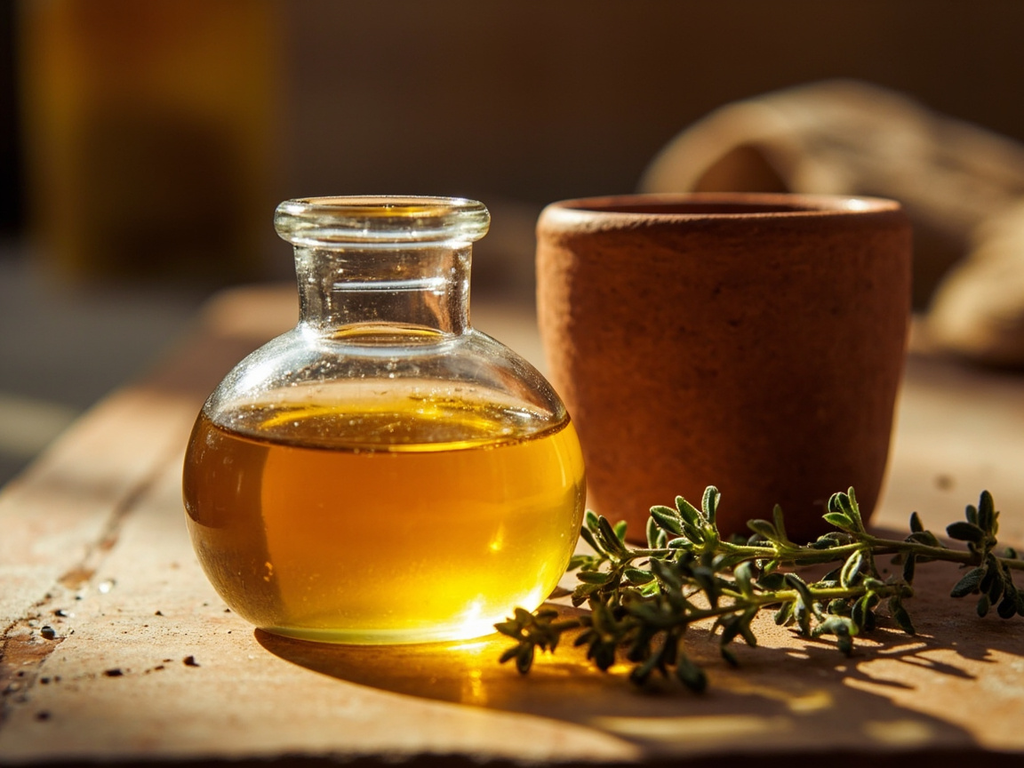
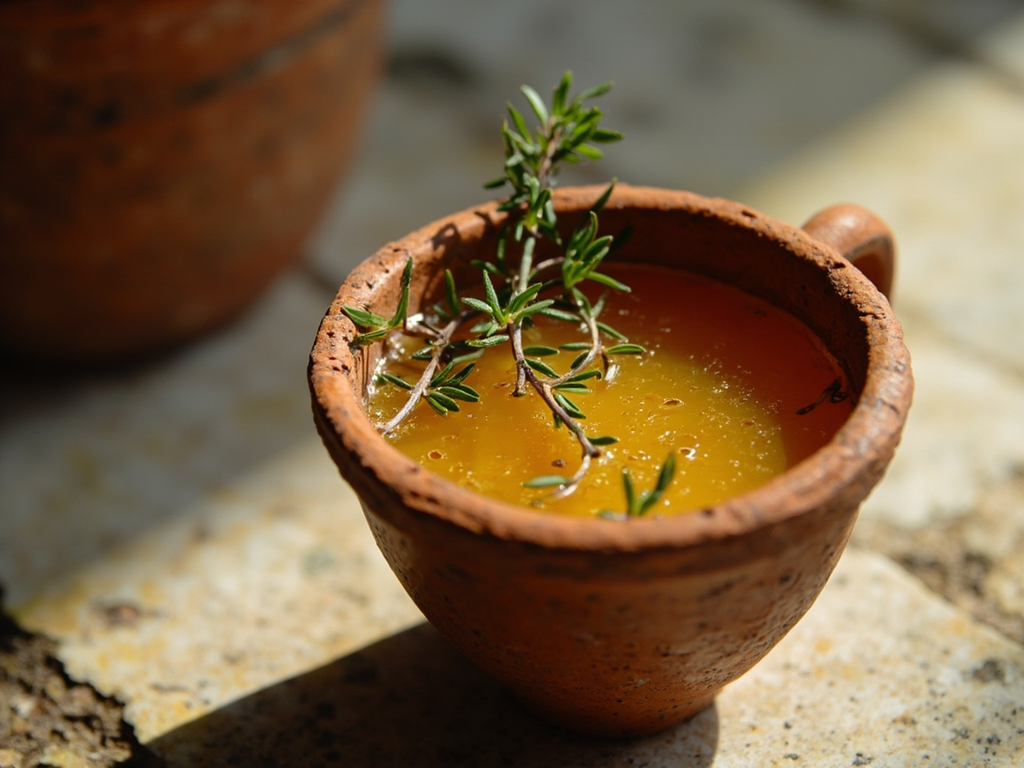
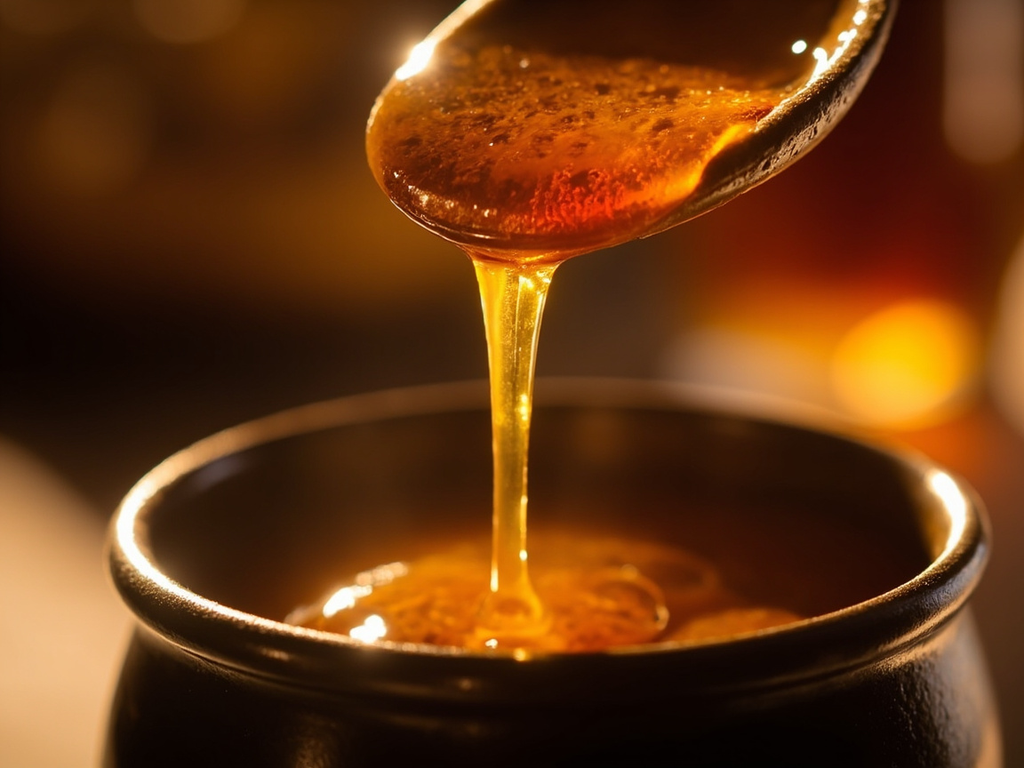
A golden, thick, sticky syrup obtained by converting grain starch into sugar using sprouted barley malt. The only concentrated sweetness in Han cuisine, yí served as a candy, a sweetener, and a remedy to soothe the throat and restore strength.
Heaven did not give the men of the North the sugar cane of the South; so we learned to draw sweetness from the grain itself. Sprout the barley until it pushes its little tips, crush it and mix it with cooked rice while still warm: a marvel occurs, the starch becomes sugar. Strain it, reduce it over a gentle fire until you get a barley honey. I always keep a pot — a spoonful soothes the tired throat of an old servant who has spoken too much at court.
- •Sprouted barley (malt) — one part (source of enzymes that sweeten the grain)
- •Cooked rice (or millet) — several parts (starch converted to sugar)
- •Water — as needed (extraction)
Barley Malt Sugar (yí, 飴)
A golden, thick, sticky syrup obtained by converting grain starch into sugar using sprouted barley malt. The only concentrated sweetness in Han cuisine, yí served as a candy, a sweetener, and a remedy to soothe the throat and restore strength.
Why this dish? An aging officer serving several emperors, Cai Lun knew yí, thick malt syrup that the Han considered a gentle tonic, soothing for the throat and comforting — the rare sweet treat of an era without refined cane sugar in the north.
Heaven did not give the men of the North the sugar cane of the South; so we learned to draw sweetness from the grain itself. Sprout the barley until it pushes its little tips, crush it and mix it with cooked rice while still warm: a marvel occurs, the starch becomes sugar. Strain it, reduce it over a gentle fire until you get a barley honey. I always keep a pot — a spoonful soothes the tired throat of an old servant who has spoken too much at court.
Ingredients (period version)
- Sprouted barley (malt) — one part (source of enzymes that sweeten the grain)
- Cooked rice (or millet) — several parts (starch converted to sugar)
- Water — as needed (extraction)
Ingredients
- Barley malt powder (or blended sprouted barley) — 80 g (saccharification enzymes)
- Cooked glutinous rice — 500 g (base starch)
- Warm water — 800 ml (extraction medium)
Method
- Mix the still-warm cooked rice (≈60°C) with the malt and warm water in a large container.
- Keep warm (around 55-60°C, e.g., in a water bath or a turned-off warm oven) for 4 to 6 hours: the mixture becomes liquid and sweet.
- Strain through a cloth, pressing well to extract all the sweet juice.
- Pour the juice into a pot and reduce over low heat, stirring frequently, until a thick golden syrup (honey consistency) forms.
- Let cool and store in a sealed jar. Enjoy by the spoonful or use to sweeten a drink.
How it was made : Yí (飴), maltose obtained by saccharifying cereals with sprouted barley or rice malt, was the main sweetener in ancient China long before the spread of refined cane sugar. Mentioned in pre-Han texts, it served as a candy, sweetener, and soothing remedy. Its production demonstrates a remarkable empirical mastery of amylase enzymes.
The contemporary twist : Stretch the cooled syrup repeatedly until it turns pale and pearly: you get an ancestral malt caramel to wind around a stick, like a period lollipop for younger visitors.
Cai Lun · Charactorium