Kids interview Bartolomé de las Casas
by Charactorium · Bartolomé de las Casas (1484 — 1566) · Spirituality · 5 min read
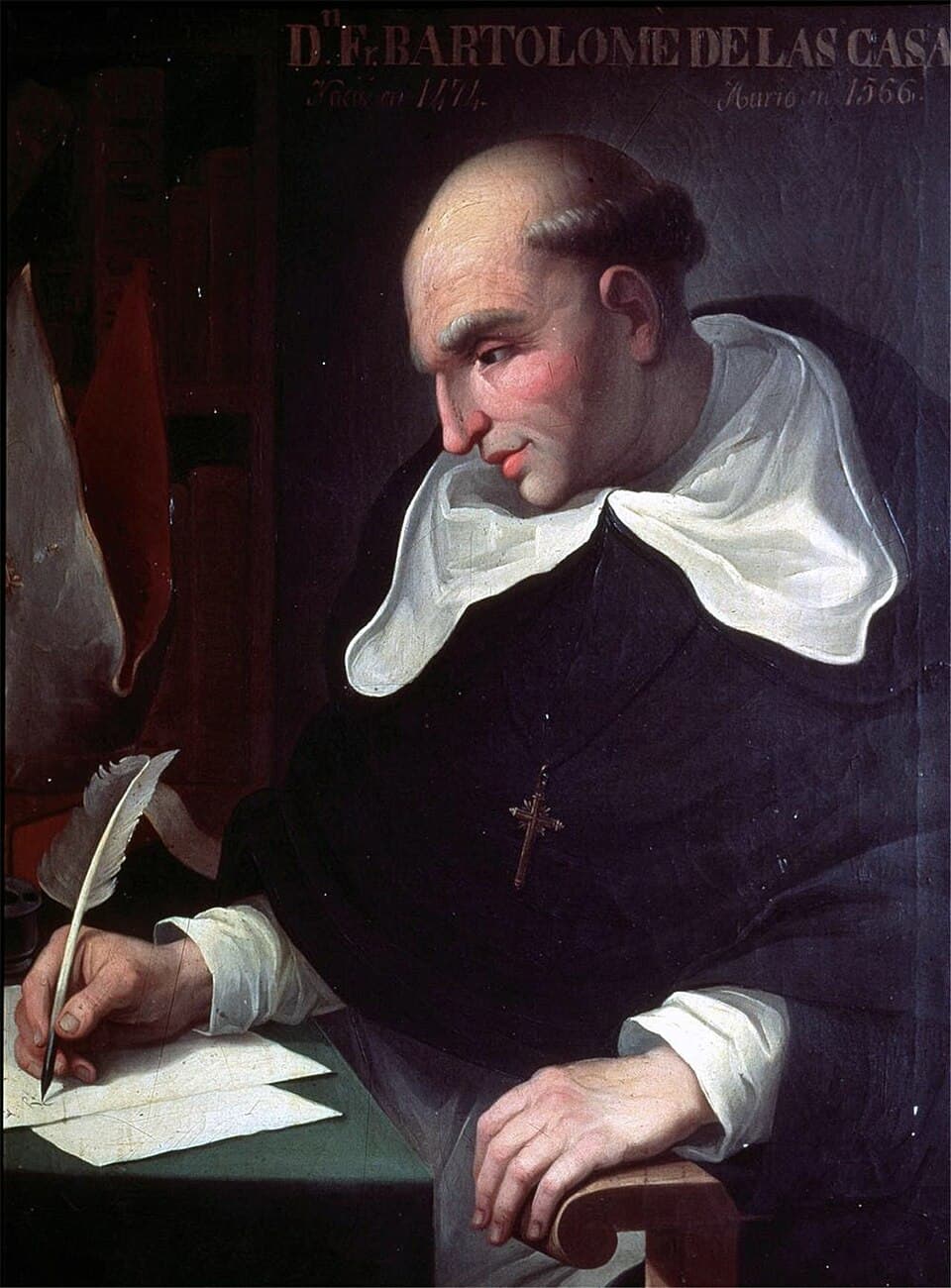
Two young visitors, each twelve years old, have come on a school trip to meet an old friar in a white robe. He looks at them gently and invites them to sit beside him. “Ask me your questions, my children,” he says with a smile.
—How old were you when you first arrived in America?
You know, I was a young man. In 1502, I landed on Hispaniola, that island across the ocean. Picture a creaking wooden ship, weeks without seeing land, and then finally a green and warm coast. I came as a colonist, my child. They gave me land and Native Americans to work it. They called it an encomienda: men entrusted to you so they could toil for you. At the time, it seemed normal. My eyes were still closed. It took me years to truly open them.
My eyes were still closed.
—And what made you change your mind all at once?
A sentence, my child. Just one. In 1514, I was preparing a sermon for Pentecost. I was reading an old holy book, and I came across a passage that said making the poor suffer is like killing them. Imagine a blow to the heart, silent. I looked up and saw those Indians being exhausted on my lands. I realized I was living in evil without seeing it. So I gave everything back. My lands, my entrusted men, everything. And I decided to spend the rest of my life defending them.
Making the poor suffer is like killing them.
—Did you try to do things differently after that?
Yes! And I failed, I admit it. In 1521, at Cumaná, in Venezuela, I had an idea. I wanted to prove that we could live with Native Americans without violence, without the sword. I brought simple Spanish peasants to cultivate the land side by side with them, as friends. Imagine two peoples sharing the same field, the same bread. That was my dream. But conflicts broke out, and everything collapsed. I was shattered, my child. Yet I never gave up that idea: you don't bring God with weapons, you bring Him with your heart.
You don't bring God with weapons, you bring Him with your heart.
—Why did you think you had to be gentle and not force people?
Because forcing someone to believe isn't believing, my child. I wrote a treatise on that, around 1537, the De unico vocationis modo. I said a simple thing: the only just way to bring someone to faith is to convince them with patience, never with fear. Imagine someone putting a sword to your throat and saying, “Love this book.” You'd say yes, but your heart would say no. True faith is freely chosen. A man who is terrorized doesn't become a believer; he becomes just a frightened slave.
A man who is terrorized doesn't become a believer.
—Is it true you wrote a book that caused a scandal?
Yes, and I still carry its weight. In 1552, I published the Brevísima relación de la destrucción de las Indias. It's a terrible book, my child, but the truth had to be told. I wrote that the Spaniards entered those gentle lands like hungry wolves among tender lambs. I recounted the massacres I had seen with my own eyes. I held my quill late into the night, the inkwell beside me, and sometimes my hand trembled. Everyone in Europe read that book. They were horrified. I wanted those innocent peoples never to be forgotten.
They entered like wolves among tender lambs.
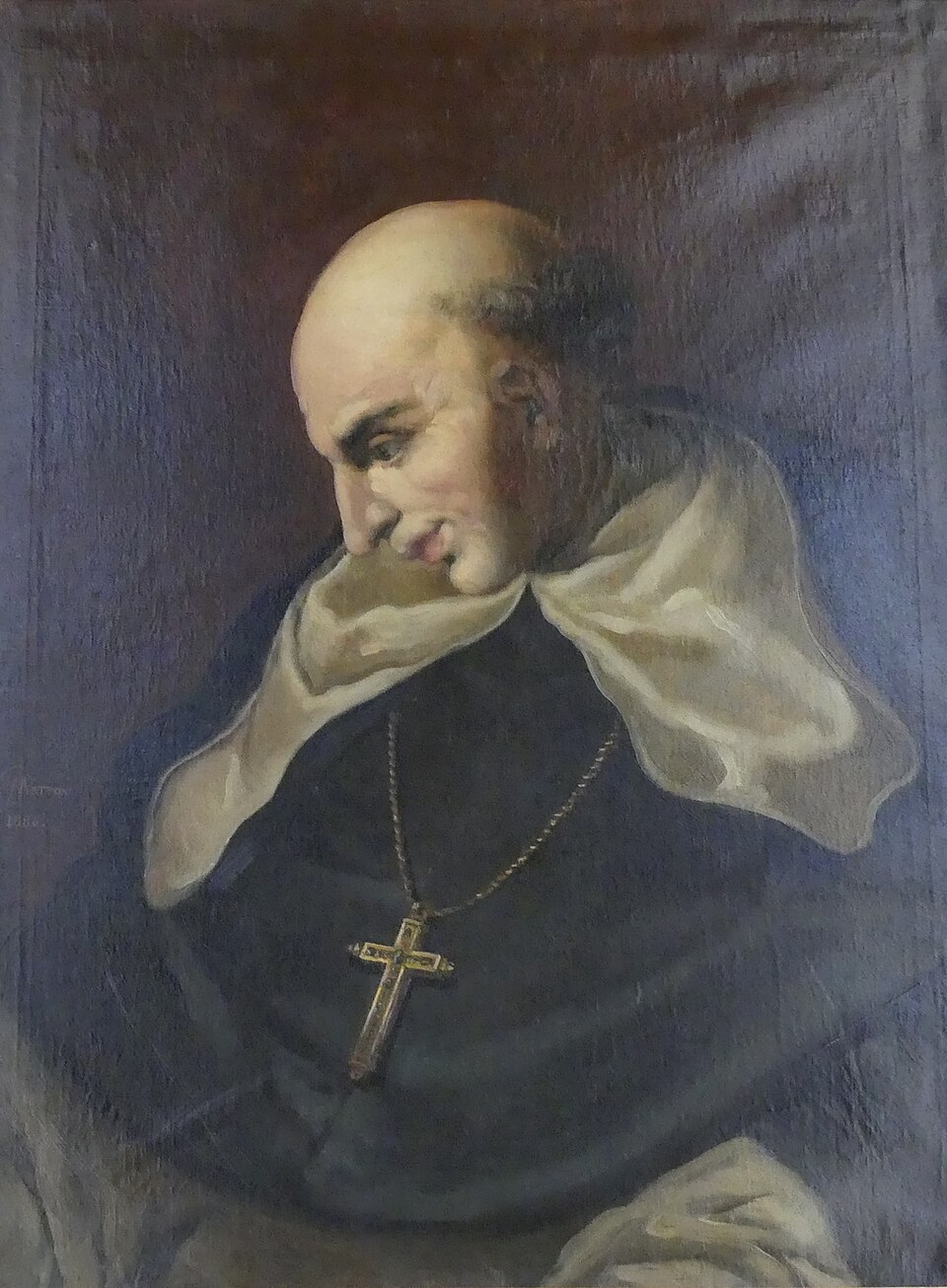
—Was it scary to write such things against powerful soldiers?
Of course it was scary. Those conquistadors were armed, hard men, rich from all they stole. And I had only a quill and sheets of paper. But you know something, my child? A sword kills a man, then falls silent. A book, on the other hand, keeps speaking long after its author's death. That's why I spent my evenings writing, in my convent cell, by candlelight. I carried my bound manuscripts everywhere. They were my real weapons. And they never rust.
A sword kills a man; a book keeps speaking after death.
—I heard you had a great debate. What was it about?
Ah, the greatest fight of my life! In 1550, at Valladolid, Spain, I faced a scholar named Sepúlveda. It was called a Controversia: a public debate before judges and theologians. He claimed that Native Americans were inferior beings, that they could be subjugated by war. Imagine hearing that! I spoke for days. I repeated that all the peoples of the world are composed of men, and that every man possesses reason and a soul. Indians or Spaniards, we are all brothers. I trembled with anger and hope at the same time.
Indians or Spaniards, we are all brothers.
—How did you prove they were as intelligent as us?
By showing what they had built, my child! I wrote a great book, the Apologética historia sumaria, where I described their cities, their laws, their knowledge. I compared their civilizations to those of the ancient Greeks and Romans, whom we admire so much. Imagine great cities, roads, leaders called caciques, a whole organized world. How can you say that people capable of all that are beasts? It's absurd. I had lived among them; I knew them. They laughed, they prayed, they loved their children. Exactly like us. The difference wasn't reason. It was just skin.
The difference wasn't reason; it was just skin.
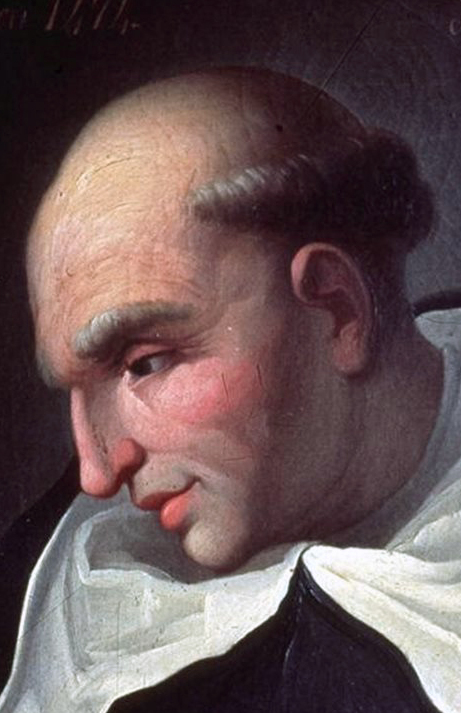
—Did you go see the king to change the laws?
Again and again, my child! I never let go. As early as 1516, I was given a title: Protector of the Indians. That meant ensuring those peoples were not mistreated. So I wrote memoranda, those long official letters, and I brought them to the Council of the Indies, the great bureau that governed America for the king. Imagine an old man crossing the ocean several times, just to plead. And one day, it worked! In 1542, Emperor Charles V signed the Leyes Nuevas, the New Laws, to limit those abuses. I wept for joy that day.
I crossed the ocean, again and again, just to plead.
—What was that thing, the encomienda, that you hated so much?
The encomienda, my child, was the heart of the evil. A colonist was entrusted with a group of Native Americans who had to work for him, supposedly in exchange for protection. But in truth, it was theft and suffering. Imagine being told, “These men belong to you, make them toil.” I myself had once profited from that system, and that gnawed at me the most. So I wrote thirty legal propositions to prove it was illegal before the law and before God. You do not own a human being. Never. Fighting that was the work of my whole life.
You do not own a human being. Never.
—At your age, did you still keep fighting for them?
Until my last breath, my child. At over 80 years old, I was still writing, still pleading before the court. My hands were old, my sight was failing, but my heart still burned. I ended my days in Madrid, in a Dominican convent, surrounded by my manuscripts. They called me the “Universal Protector of the Indians.” You know, I don't ask you to remember my name. I just ask you to remember this: when you see someone being crushed, don't look away. Speak. Write. Defend them. Even alone, even old, even tired. A voice that refuses to be silent changes the world.
When you see someone being crushed, don't look away.
This imaginary interview was generated by artificial intelligence from sources documented in Bartolomé de las Casas's profile. It dramatises what the figure might have said based on what we know about them, but does not constitute attested historical testimony. For primary sources and factual documentation, refer to the full profile.