Imaginary interview with Dawn Fraser
by Charactorium · Dawn Fraser (1937 — ?) · Sports · 5 min read
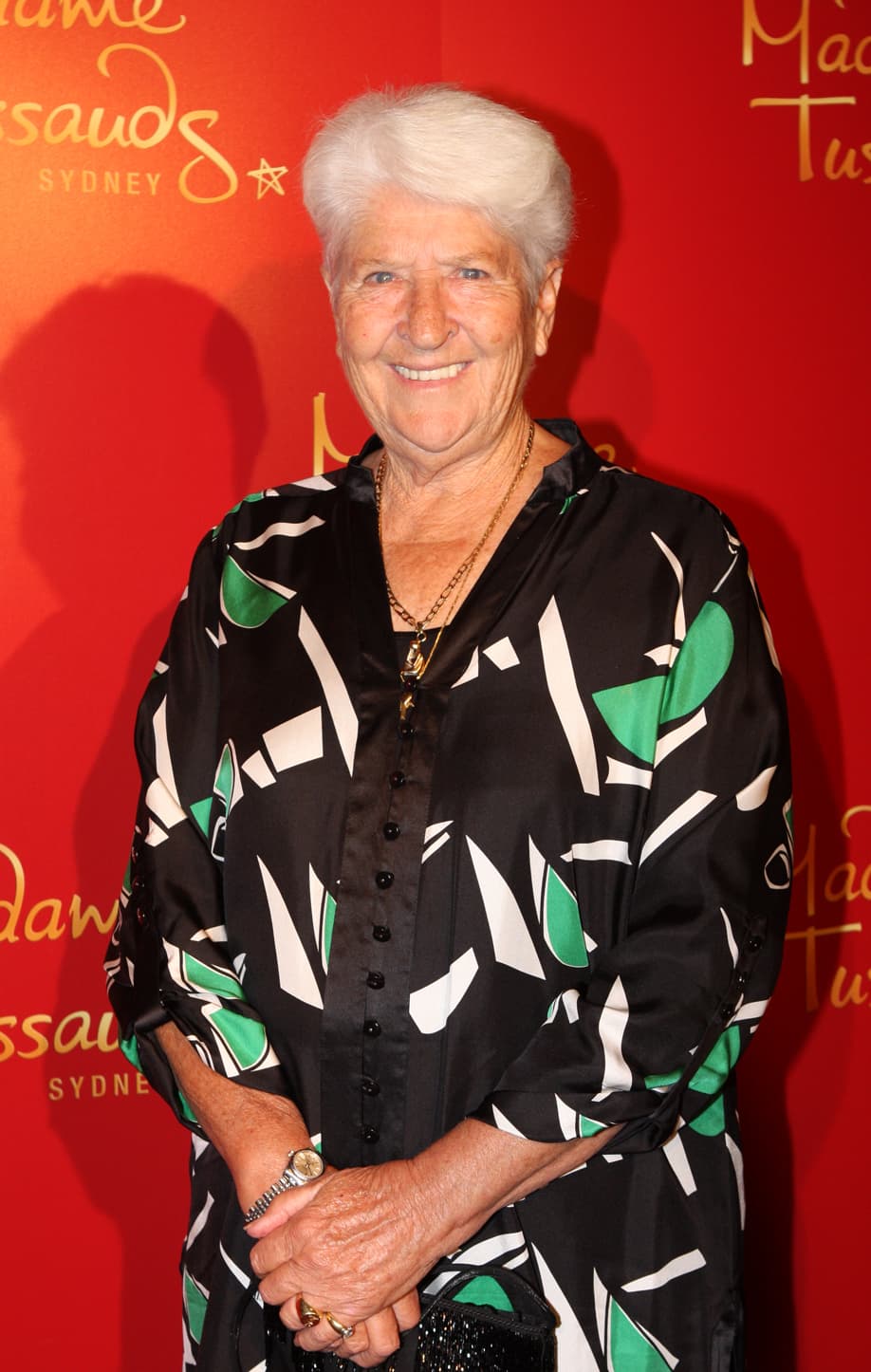
Sydney, an Australian winter morning. In a swimming club in Balmain, the smell of chlorine mingles with that of the harbour. A woman with a frank gaze, the one who won three consecutive Olympic golds, sits at the edge of the pool and agrees to look back over her life.
—How did a child from Balmain come to spend her life in the water?
I was the youngest of eight in Balmain, a neighborhood of docks and cramped houses where every penny counted. Asthmatic as a kid, I wheezed like a kettle, and it was for my lungs that they pushed me into the pool — not for medals, believe me. The water gave me back the breath it should have taken away. Then one day, Harry Gallagher watched me swim and saw something I didn't see. He took me under his wing. I grew up between the harbour and the pool, in a world of meat, potatoes and icy mornings, and I learned there what never left me: when you come from nothing, you never let go.
The water gave me back the breath it should have taken away.
—Do you remember your first title, in Melbourne?
Melbourne, 1956. The first Games ever held in the southern hemisphere, and they were at home, in Australia. I was nineteen and the stage fright gripped my stomach like a clenched fist. On the 100 metres freestyle, I dove off the block and heard nothing — not the crowd, not my name, just the beating of my arms. When I touched the wall, I had the gold and a world record to boot. A docker's daughter winning in front of her own crowd, in her own country… That day I understood that the crawl could lift you out of a working-class neighbourhood and set you on top of the world.
The crawl could lift you out of a working-class neighbourhood and set you on top of the world.
—Three consecutive titles in the same event, no one had done it. What does this sequence of Melbourne, Rome, Tokyo mean to you?
Melbourne in '56, Rome in 1960, Tokyo in 1964 — three golds in the same 100 metres, eight years apart between the first and the last. In swimming, eight years is an eternity: bodies change, new girls come up, everyone thinks you're finished. In Rome, I confirmed it, and people started talking about a dynasty. But I never swam for a statistic. I swam because I hated losing, plain and simple. What makes me proud is not the number three, it's that I held the same lane, the same distance, while the whole world turned around me.
I never swam for a statistic — I hated losing, plain and simple.
—In 1962, you became the first woman to break a minute. What did that barrier mean?
The minute was an invisible wall. They said a woman would never go under 60 seconds in the 100 metres — as if there were a limit in the flesh. Already in Rome I had chipped away at the clock, but it was in 1962 that I officially broke the barrier, and FINA ratified the record. I still see myself staring at the stopwatch at the end of the pool, that little metal judge that never lies and decides everything. Breaking the minute wasn't just my record: it was telling every girl that we had been lied to about what our bodies could do.
We had been lied to about what our bodies could do.
—You mentioned amateurism. What were your training days like back then?
We were amateurs, strictly speaking: not a shilling for swimming. You had to work or study on the side, and fit training around it. My days started before dawn, doing laps in the pool under Harry Gallagher's eye, then often a second session in the afternoon — starts, timed sets, over and over. No lab, no dietitian: we relied on feel, on the stopwatch and common sense. In the evening, I went home to recover with my family in Balmain. It was a hard life with no luxuries, but I think it was that bareness that forged a sprinter: nothing to distract you from the water.
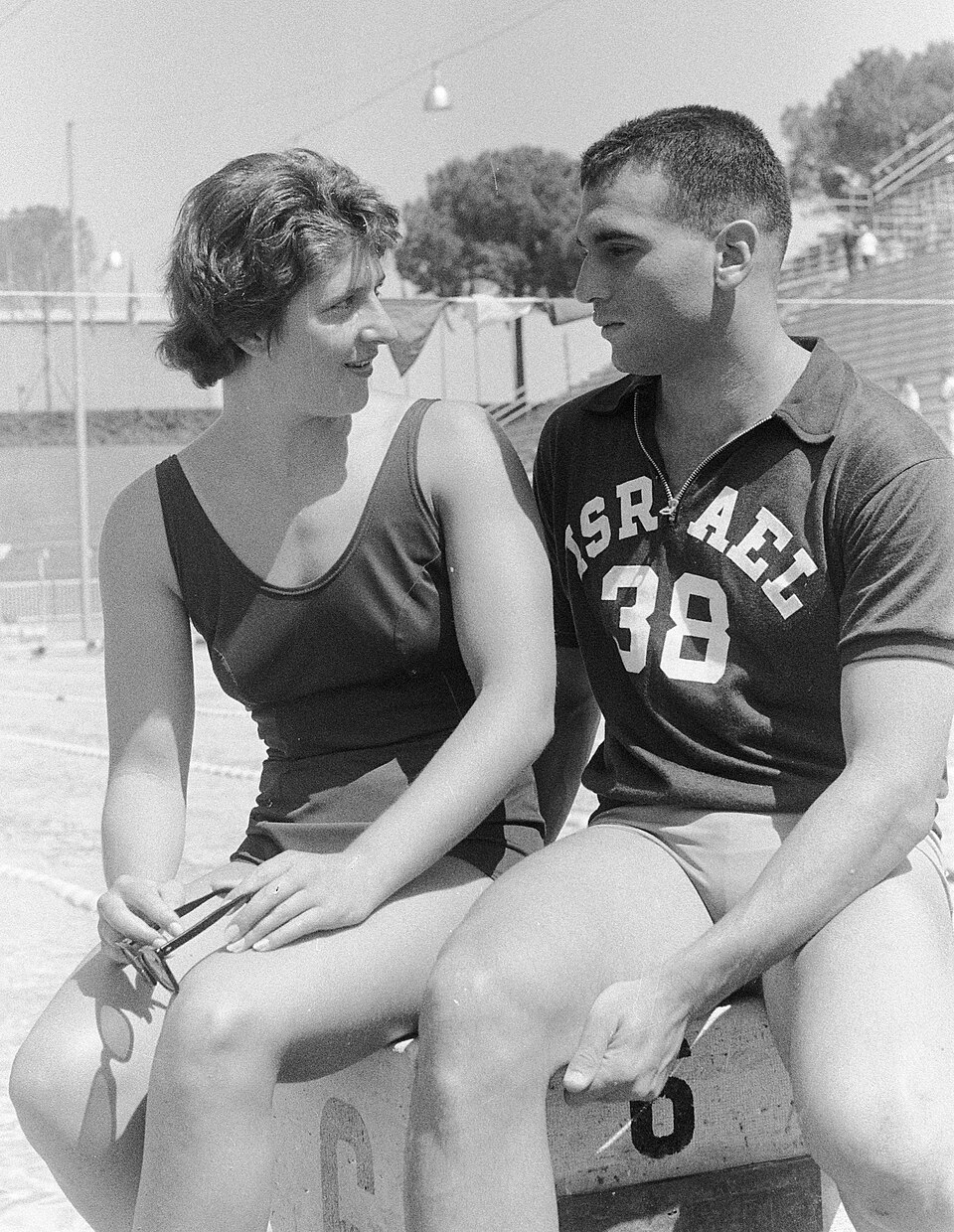
—Before Tokyo, in 1964, a tragedy struck your family. What happened?
A few months before Tokyo, a car. My mother was with me. She didn't survive, and I got away with a broken neck from the pain. Losing your mother that way, so close to the Games, cuts the world in two: there is before, and everything after that no longer quite tastes the same. I had to swim with an orthopedic brace for weeks, my neck stiff, every arm stroke like a burn. Many thought it was over. But the water, once again, was the only place where I could lay down my grief without it weighing.
There is before, and everything after that no longer quite tastes the same.
—And despite that, you won that third gold. How do you stand up in such a state?
At Tokyo, in 1964, I wasn't the swimmer they had seen in Rome. My neck hurt, the brace had stolen weeks of training, and grief clung to my skin. But on the block, all that disappears: there are only eight lanes and a hundred metres to cross faster than the others. I won my third consecutive 100 metres freestyle, a feat no one had achieved. They congratulated me for the gold, but I was thinking of the one who wasn't there to see it. I think I swam that race for two.
On the block, there are only eight lanes and a hundred metres to cross faster than the others.
—Yet those same Tokyo Games turned stormy. What happened with that flag story?
The flag story in Tokyo… I was accused of trying to take down an Olympic flag near the emperor's palace. A prank, a dare — I always had a reputation for being undisciplined, and let's say I didn't do much to deny it. I was never one to lower my eyes before an official. But what could have remained a locker-room anecdote became a sporting state affair. In a world of stiff amateurism, a swimmer who talks loud and scoffs at protocol bothered people more than it amused them. I paid dearly for that freedom.
I was never one to lower my eyes before an official.
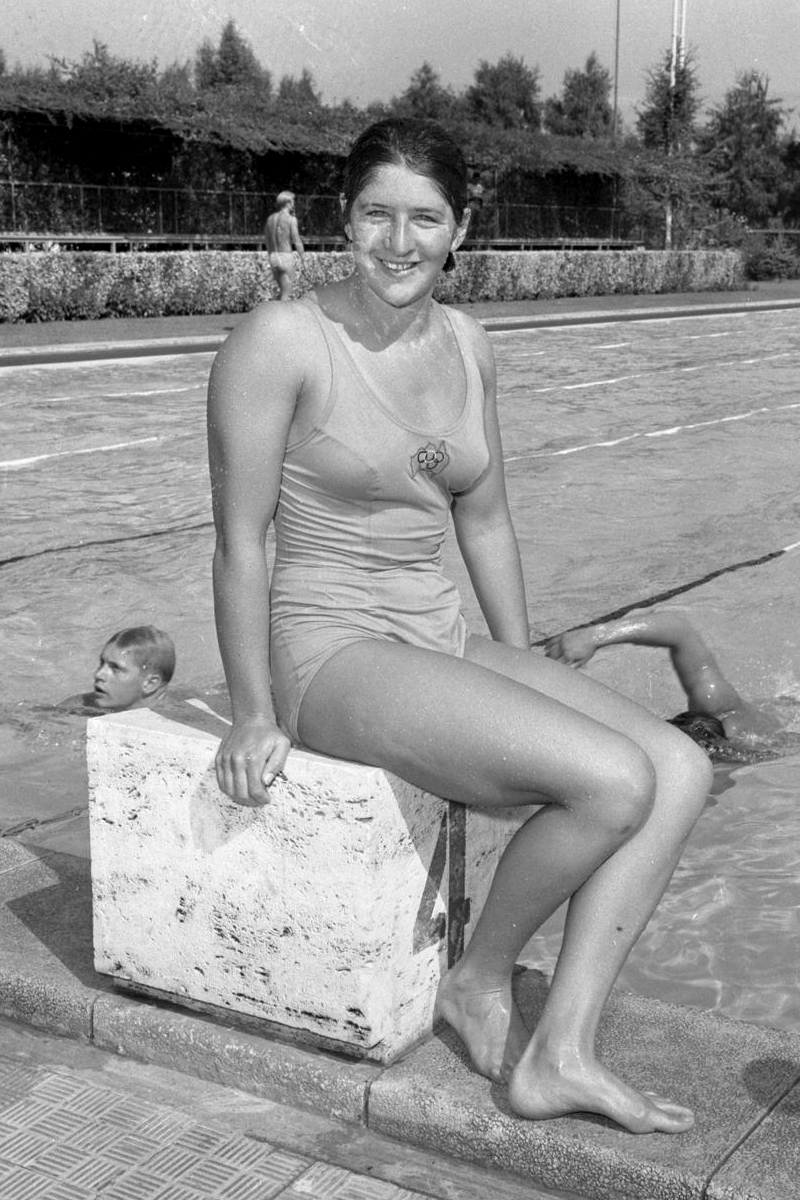
—That affair earned you a ten-year suspension. How did you live through that penalty?
Ten years. The Australian federation suspended me for ten years in 1965, and with three Olympic golds, let's just say it marked the end of my international career. Ten years, when you're a swimmer, is a whole lifetime: you don't come back from that. The hardest part wasn't the punishment itself, it was the disproportion — they took the water away from me for a childish prank, when I had given my body and my breath to this sport. I was angry for a long time. But I never regretted being myself rather than a well-trained champion. You can take away a suspension, but you cannot take away my three medals.
You can take away a suspension, but you cannot take away my three medals.
—In hindsight, what object best sums up the world you swam in?
A simple one-piece swimsuit in fabric and a rubber swim cap. That was all our equipment. No technical suit, not even goggles — we often swam with raw eyes in chlorinated water, and we thought it was normal. When I look at those objects today, I see above all the path travelled by women's sport: a docker's kid in a cotton swimsuit, at a time when people still doubted that a woman could push certain limits. My swimsuit was both my armour and my poverty. It had nothing sophisticated, but it took me three times to the top step.
My swimsuit was both my armour and my poverty.
—What would you say to those who will one day see your records fall?
Records are meant to fall, that's their destiny — the stopwatch always eventually proves someone younger right. If one day I am read about in a century, I wouldn't like people to remember only numbers on a FINA record table. I would like them to remember a girl from Balmain, asthmatic and broke, who never accepted being told what she could or couldn't do. Beat my times, good for you: it will mean the sport is moving forward. But try to keep the character along with it. A time can be replaced; a way of being free in the water, much less.
A time can be replaced; a way of being free in the water, much less.
This imaginary interview was generated by artificial intelligence from sources documented in Dawn Fraser's profile. It dramatises what the figure might have said based on what we know about them, but does not constitute attested historical testimony. For primary sources and factual documentation, refer to the full profile.