Imaginary dialogue between Charles Baudelaire and Edgar Allan Poe
by Charactorium · Edgar Allan Poe (1809 — 1849) · Literature · 6 min read
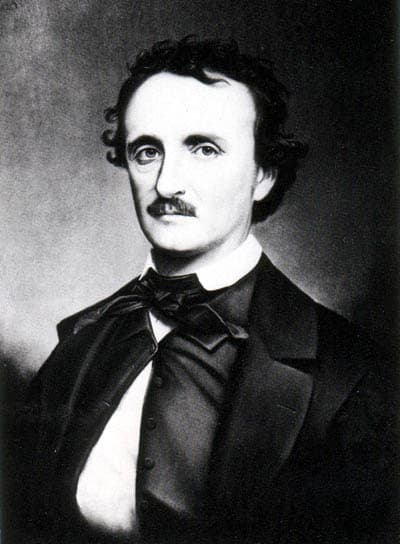
It was in the modest Fordham cottage, on a snowy evening in the late 1840s, that I finally sat down opposite him — I, Charles Baudelaire, who spent so many nights bringing his tales into our language. A candle sputters on the wooden table; the tortoiseshell cat purrs near the inadequate stove. I know his texts better than my own, line by line, but the man behind the guignon still eludes me. I come seeking not the famous writer, but the face that France will never see.
—My dear Edgar, while translating The Murders in the Rue Morgue, I felt that with Dupin you were inventing a new mechanism. Where did the idea come from?
You sensed it well, Baudelaire, you who dismantled the sentence cog by cog to remake it in French. I did not want to recount a crime; I wanted to recount an intelligence that undoes it. In 1841, the public was feasting on murders in the penny press — I gave them not the thrill, but the cold pleasure of reasoning. My Dupin does not run; he thinks; he reads the disorder of clues as one reads a score. I called these my tales of ratiocination: analysis pushed to the level of art. The reader thinks he is following a puzzle; in truth, I am leading him through the architecture of a mind that never errs.
My Dupin does not run; he thinks; he reads the disorder of clues as one reads a score.
—In The Purloined Letter, the solution was placed under everyone's eyes. Why hide so little, when the genre demands hiding so much?
Because the genius of concealment is not complication, but obviousness. Men always look for the secret in the locked drawer, never on the mantelpiece. The police in my story search the floorboards, probe the legs of chairs, and do not see the letter turned over, carelessly displayed. Dupin, on the other hand, reasons like the minister he pursues: he puts himself in the adversary's head until he adopts his cunning. That is my conviction, my friend, and you know it: the highest logic is not a dry mechanism; it is a form of imagination. The true analyst is also a poet — he guesses where the other has placed his soul.
Men look for the secret in the locked drawer, never on the mantelpiece.
—When The Raven appeared in 1845, I was told it made you famous overnight. Did that fame at least sustain you?
Sustain me? Charles, listen to the cruelty of it: this poem that the whole country recited, that was plastered everywhere, parodied, earned me only nine dollars. Nine dollars for the Raven. People stopped me in the street to whisper Nevermore in my ear, ladies grew pale at the sight of me, the lyceums vied for my readings — and I returned home without enough to buy coal. Fame in America is a currency that exchanges for nothing. I was the most famous man and one of the poorest in New York. They admire the poet and let the man die of cold: that is the bargain this country makes with its artists.
I was the most famous man and one of the poorest in New York.
—You claimed, in The Philosophy of Composition, to have written The Raven coldly, verse by verse. Should we believe you, or is that a pose?
Believe me, for I swear it: nothing was left to chance. People imagine the poet seized by a fever, scribbling at the dictation of angels — what nonsense. First I chose the effect: melancholy, and its peak, the death of a beautiful woman mourned by a lover. Then the refrain, Nevermore, for its long and mournful sound. Everything else — the bird, the December night, the bust of Pallas — follows from that calculation. You have seen my manuscripts, those lines crossed out, reworked twenty times: I work on a poem like a problem. But do not be mistaken, my friend — that coldness of the craftsman is only the mask of a pain too real to be allowed to flow unchecked.
I work on a poem like a problem; the coldness is only the mask of a pain too real.
—I dare a more intimate question. You married Virginia when she was almost a child. What was she, exactly, in your life?
She was the only shelter I ever knew, Baudelaire. I married her in 1835; the world gossiped about her age, thirteen, and I twenty-seven — but that world never saw the tenderness that reigned between us. With her mother Maria, we formed a poor but whole household, where we sang in the evening despite the deprivation. Virginia would sit at the piano and her voice would rise in the little ice-cold room. Then the blood came to her lips, one evening while she sang — consumption. Five years watching her die and revive, die and revive. When she passed in 1847, my own reason wavered. One does not write about that pain; one carries it.
Five years watching her die and revive. When she passed, my own reason wavered.
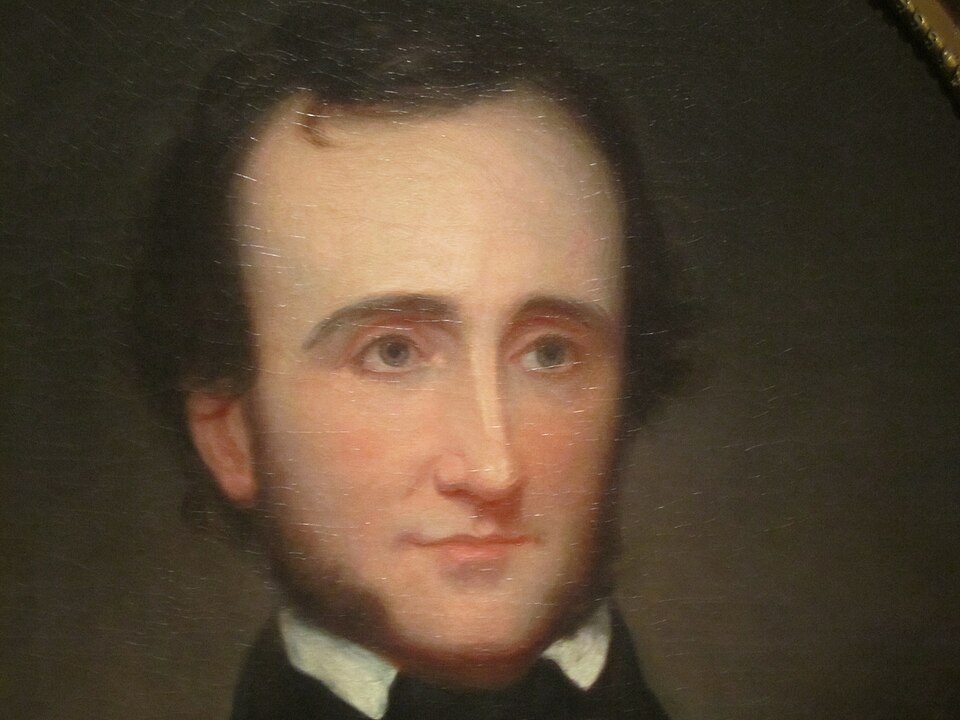
—The cat purring there, near the stove, watches you write. Should we look in that presence for the origin of your Black Cat?
Catterina, yes — look at her, she climbs onto my shoulder when I keep vigil, and keeps Virginia warm in bed. A faithful animal, almost tender. And yet it was from that very tenderness that the horror of The Black Cat emerged, in 1843. For you see, my friend, the genius of terror is not in the distant monster: it is in the hearth, in the beloved animal that one ends up hating, in the hand that caresses and suddenly strikes. I write at night, by candlelight, when the house sleeps and familiar things take on another face. Perversity does not dwell in hell — it sleeps by our own fire. That is what terrifies: not the stranger, but ourselves.
Perversity does not dwell in hell — it sleeps by our own fire.
—People often forget that you were an editor at the Southern Literary Messenger. Did that daily pen-pushing weigh on you, or did you serve it with pleasure?
I served it with a rigor that made me enemies across the country. At the Messenger, in Richmond, I understood one thing: America prints a lot and judges poorly. Mediocrities were praised out of camaraderie, reputations built on emptiness. I, for my part, wielded the blade. My reviews were so sharp that I was called the tomahawk-man. That sold the magazine — an editor who executes attracts more readers than one who flatters. But do not think I cut out of cruelty, Charles: I held that criticism is an exact science, that a work must be judged on its internal laws, not on the author's friendship. I earned my bread by telling the truth that no one wanted to hear.
America prints a lot and judges poorly; I, for my part, wielded the blade.
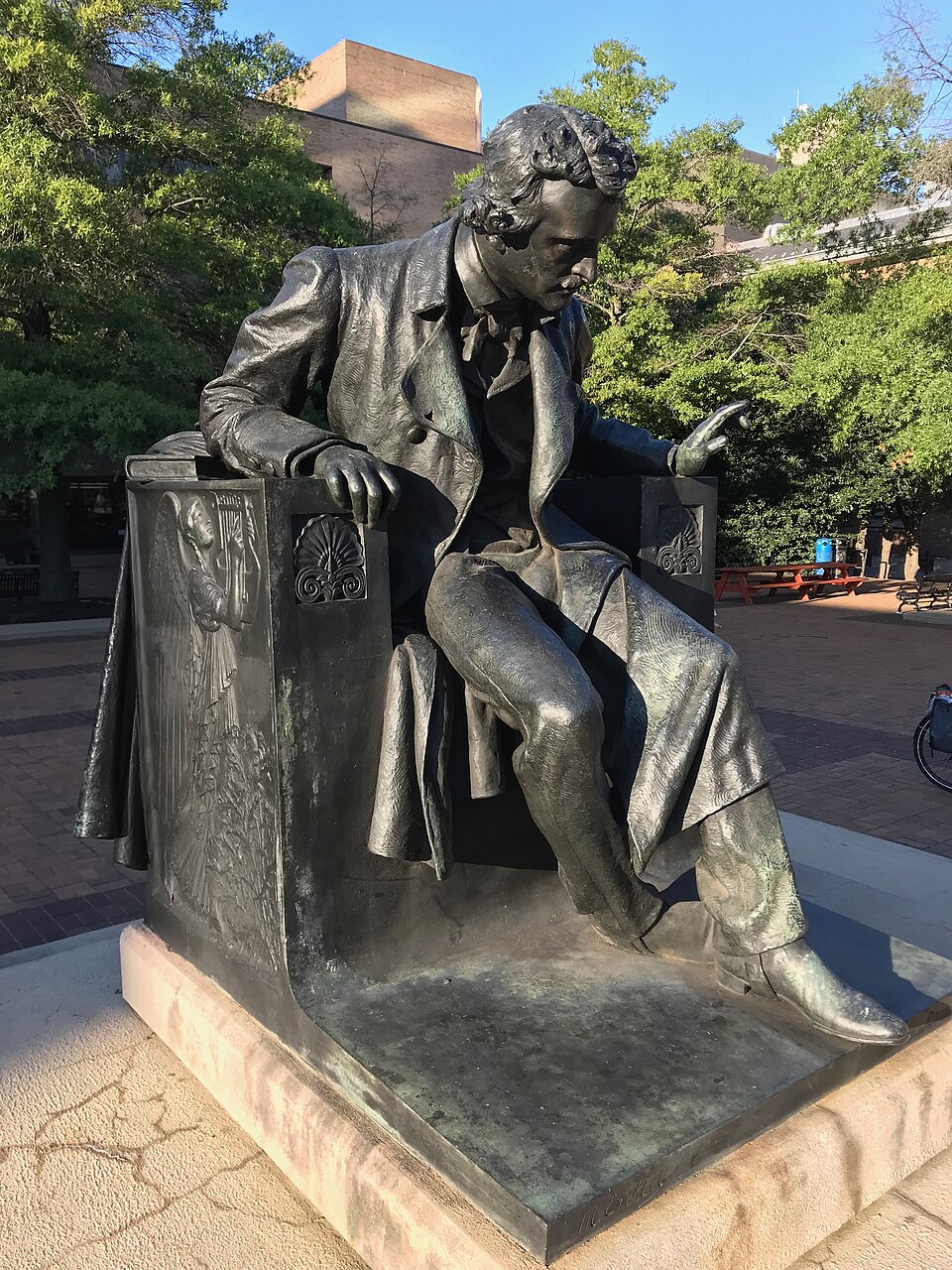
—In your review of Twice-Told Tales by Hawthorne, you forged an entire theory of the short story. Did you really believe in it, or was it just a joust?
I believed in it as the bone of my art. I wrote there, in 1842, what governs me: a true tale is first conceived by the unique effect it must produce, and everything — every incident, every word — bends to that design. A novel is read in several sittings; it loses its force between them. But the short story is devoured in one go, and holds the reader in a single embrace, without letting him catch his breath. That is why I almost never wrote a long novel. In the penny press, in those magazines read in an hour, I found the exact form of my genius: short, dense, calculated to strike once and truly. Brevity is not a constraint of commerce — it is the very law of intensity.
The short story holds the reader in a single embrace, without letting him catch his breath.
—I must ask you, albeit with discretion: it is whispered that drink and laudanum have a hold on you. Are you master of these demons, or their subject?
Their subject, Baudelaire — why would I lie to you, who know the paradises and their abysses? A single glass is enough to throw me into days of delirium; my constitution lacks the resistance of other men. I once joined the temperance societies, swore abstinence, and broke my oath as one breaks bread. Laudanum also prowls, that universal remedy of the century, which numbs pain and awakens specters. Do not think I seek intoxication for pleasure: I seek it to silence, for an hour, the room where Virginia still agonizes in my memory. It is a flight, and each flight brings me lower. I carry this weakness like a second illness, twin to hers.
I swore abstinence, and broke my oath as one breaks bread.
—Allow one last question, almost unspeakable. When you think of your end, in Baltimore, do you imagine it peaceful — or do you fear the dark?
The dark, always the dark. Baltimore is the city of my first loves and my darkest hours; I married Virginia there, I wandered there without shelter. If I were to end there, I believe it would not be in a bed, surrounded by my loved ones, but somewhere in the street, my head lost, no longer knowing my own name. I have written death so much — the buried alive, the pendulum, the collapsing house — that I sometimes feel it prowling beside me like an old acquaintance. What frightens me is not dying, Charles, but fading away without anyone knowing why or how, leaving behind an enigma that no Dupin will solve. The teller of mysteries perhaps deserves to become the last mystery himself.
The teller of mysteries perhaps deserves to become the last mystery himself.
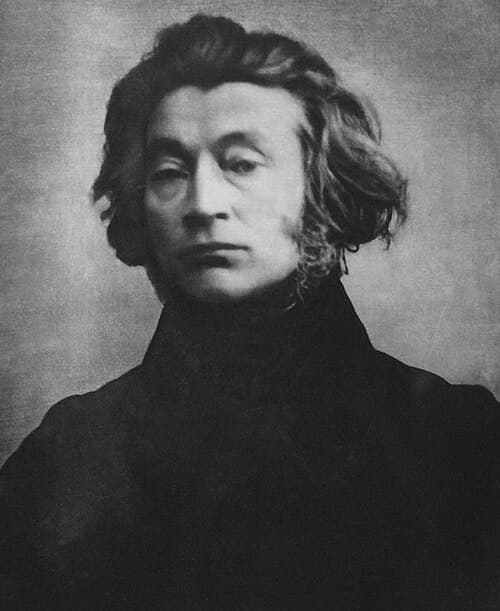
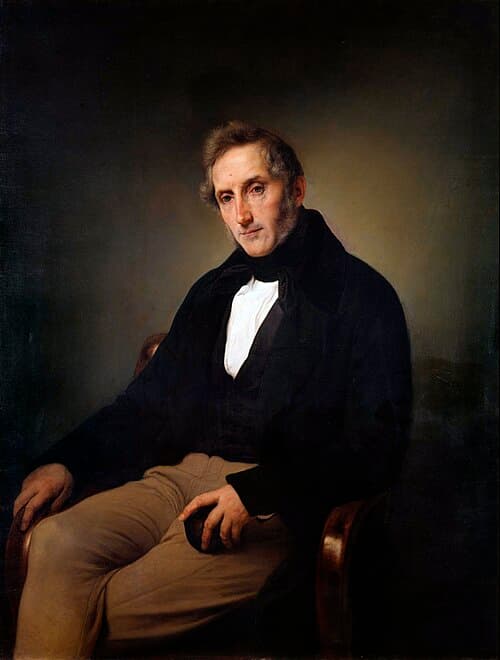
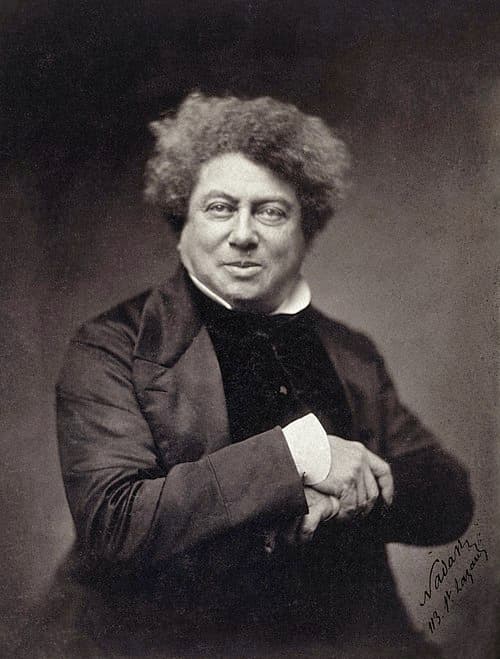
This imaginary interview was generated by artificial intelligence from sources documented in Edgar Allan Poe's profile. It dramatises what the figure might have said based on what we know about them, but does not constitute attested historical testimony. For primary sources and factual documentation, refer to the full profile.