Kids interview Emily Dickinson
by Charactorium · Emily Dickinson (1830 — 1886) · Literature · 5 min read
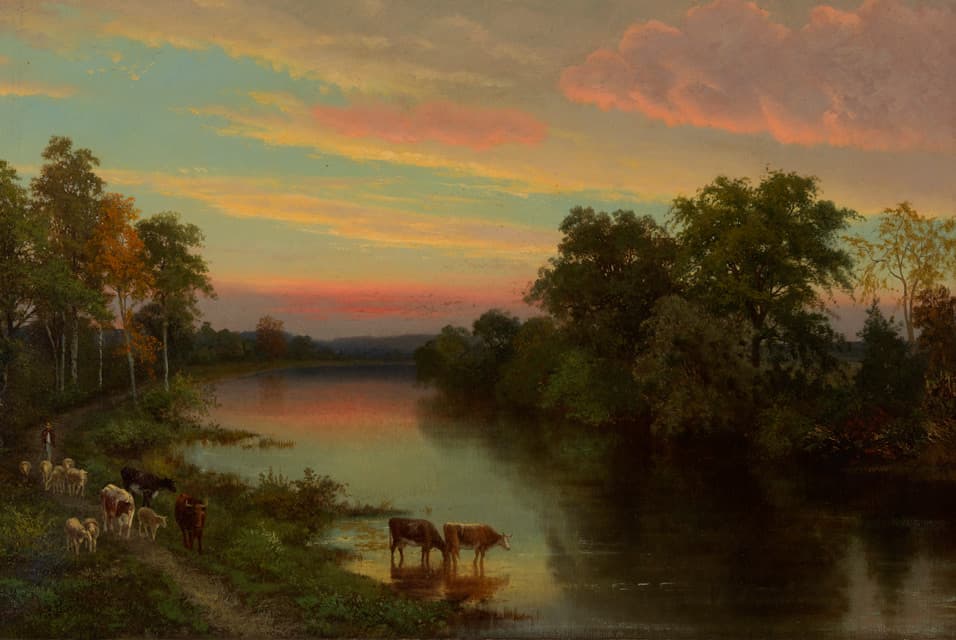
Two twelve-year-old students are welcomed into a large red-brick house in Amherst. A lady in a white dress waits for them near the window. She smiles: she is rarely asked questions, and never by children.
—Is it true you almost never left your house?
It's true, my child. I lived here, at the Homestead, the large red-brick house built by my grandfather. I received the world mostly through my letters. You know, when someone knocked at my door, I would open it just a crack. I spoke to people from the other side, without always showing myself. Imagine a voice answering you from the doorway, without a face. They called me the Lady in White of Amherst. Many believed I was afraid of the world. But I wasn't afraid: I chose. In my upstairs room, near the garden, I had all the universe I needed to write.
I wasn't afraid of the world: I chose it small.
—So what did you do all day, if you stayed home?
Oh, I was quite busy! In the morning, I baked the house's bread. You wouldn't believe it, but I even won a prize at a fair for my rye bread. The girl they called a recluse knew how to knead, you see. In the afternoon, I went down to the garden. I loved flowers like one loves friends. And I wrote letters, hundreds of letters. In the evening, I played a little piano in the parlor with my family. A house is not a prison when you know how to fill it. My days were full of flour, petals, and words.
A house is not a prison when you know how to fill it.
—And the neighborhood children, did you talk to them?
Of course! But in my own way. When I baked cakes, I would put them in a little wicker basket. Then I would lower this basket from the window, on a rope, down to the children below. Picture the scene: a basket sliding down the wall, full of still-warm bread, and children's laughter catching it. I didn't go down, but I gave. That was my way of reaching out. You, sitting here before me, see: today I don't even have a basket between us. This is rare. Let us enjoy it, my child.
I didn't go down to the world, but I held out a basket to it.
—Why did you keep dried flowers in a notebook?
Ah, my herbarium! I started it when I was young, about fourteen. I would gather plants, dry them, then paste them onto pages. Beside each one, I carefully wrote its name. In the end, I had over four hundred plants arranged like a treasure. You know, in my time, many educated young ladies did this: it was a way to blend science and beauty. A dried flower is a bit like a poem: you stop time on a fragile thing. Looking at a flower very closely is already beginning to write. Nature was my first teacher.
A dried flower is a poem: you stop time on a fragile thing.
—Did you write your poems in real books?
No, and that is the mystery! I would take a few sheets, fold them, then sew them together with thread, by hand. I called these little booklets fascicles — it's just the name for a self-sewn notebook. Inside, I would copy my poems neatly, with a pen and brown ink. Sometimes I even wrote on the back of an old envelope! I sewed about forty of them, containing nearly eight hundred poems. Imagine: no publisher, no printer. Just my hands, a needle, and thread. My books, I made them entirely myself, stitch by stitch.
My books, I sewed them myself, stitch by stitch.
—And all these poems, how were they found afterward?
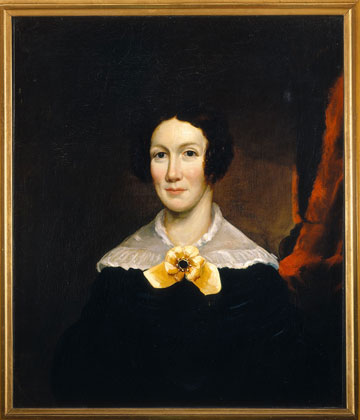
Here is the part that seems like a fairy tale. In my lifetime, almost no one knew how much I wrote. I had composed nearly eighteen hundred, but I stored them, sewn, in a chest. After my death, in 1886, my sister Lavinia opened that chest. Imagine her surprise: she discovered hundreds and hundreds of unknown poems, right there before her eyes. A whole body of work hidden in the wood of a piece of furniture. If she had burned it all, you would not be sitting before me today. Sometimes, a treasure sleeps for years in a room, and it only takes a hand to open it.
A whole body of work slept in a chest, and it only took a hand to open it.
—Did you show your poems to anyone, though?
To very few people. But one day, in 1862, I dared. I wrote to a critic I had never met, Thomas Wentworth Higginson. And do you know what question I asked him? I asked him to tell me if my verses were alive — “say if my Verse is alive?”. What a strange word, alive, for poems, isn't it? But for me that was the real question. A dead poem is ink on paper. A living poem breathes in the heart of the one who reads it. I needed a stranger to tell me if my breath reached him. We corresponded for twenty years.
A living poem breathes in the heart of the one who reads it.
—Why didn't you want to be famous in your lifetime?
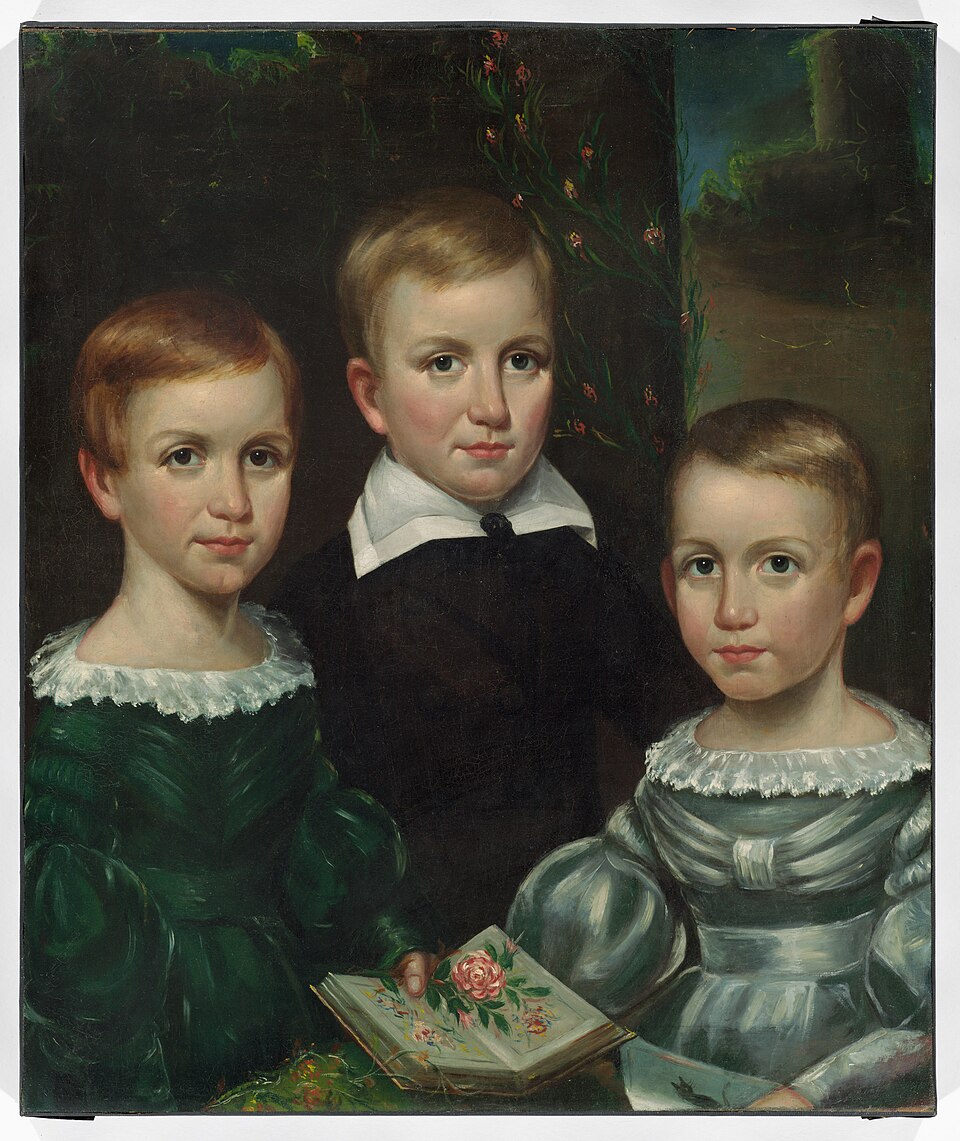
You ask a great question, my child. I was offered it, though. My friend Higginson could have helped me publish. But each time, I refused. In my lifetime, barely ten of my poems appeared, often without my consent, and they had been changed! They corrected my dashes, smoothed my lines. That hurt me. Imagine straightening your favorite plant to make it “nice and straight”: it is no longer yours. I preferred to keep my poems intact, my own, rather than famous and damaged. Fame could wait. The truth of my verses could not.
I preferred my poems intact and my own rather than famous and damaged.
—Why did you talk so much about death in your poems? Weren't you afraid?
You know, in my time, death was everywhere. The Civil War was ravaging the country, and so many children died young. One could not pretend not to see it. So, in one of my poems, “Because I could not stop for Death”, I did not make it a monster. I imagined it as a polite gentleman who stops his carriage for you, because you were too busy to stop. You get in, and he drives you gently. By making it courteous, I tamed it a little. Putting words to what scares you is already to stop trembling a bit.
Putting words to what scares you is already to stop trembling a bit.
—If you came back today, what would you want people to remember about you?
What a beautiful question to end with. I would want this remembered: one can live in a single room and touch the entire world. I almost never traveled, but my poems have traveled around the Earth. In one of them, I compared hope to a little bird that sings in the soul and never stops — “Hope is the thing with feathers”. That is what I leave you, my child. When you are sad, listen for a song that continues, deep inside you. A silent girl from Amherst still speaks to you, a hundred years later. That is the magic of words: they stay alive when we no longer are.
One can live in a single room and touch the entire world.
This imaginary interview was generated by artificial intelligence from sources documented in Emily Dickinson's profile. It dramatises what the figure might have said based on what we know about them, but does not constitute attested historical testimony. For primary sources and factual documentation, refer to the full profile.