Imaginary dialogue between Charles Fourier and Flora Tristan
by Charactorium · Flora Tristan (1803 — 1844) · Politics · 6 min read
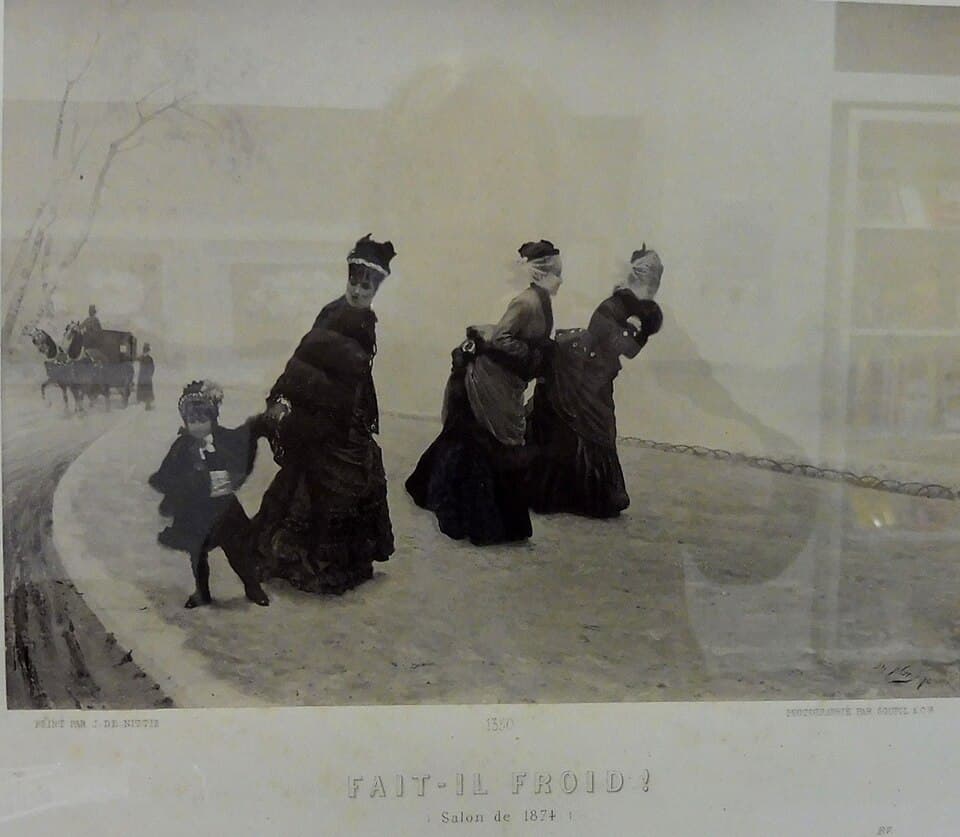
It is in his Paris apartment cluttered with plans and pamphlets that the elderly Charles Fourier receives Flora Tristan, in this autumn of 1837. An oil lamp illuminates the sheets of the theorist of Association, the air smelling of wax and old paper. They know each other through ideas: she has read his dream of the phalanstery, he has heard of this young woman returned from Peru who wants to remake the world. Weakened but sharp-eyed, the utopian master wants to understand where the fire that animates his junior comes from.
—Flora, here you are back from that distant Peru where your family received you so harshly. What did you go looking for there, my child?
I went to seek what was owed to me, Charles, and my place among the living. In 1833, I crossed the Atlantic to claim the inheritance of my father, that Peruvian aristocrat who died when I was a child. In Arequipa, my family greeted me with smiles, then denied me all rights: my parents had not married according to Spanish law, so I was nothing — a bastard, a pariah. I saw there, in that opulent house, how a woman without civil status does not exist in the eyes of the law. You who dream of a reconciled world, know that I returned from it with a heart at war. That refusal not only deprived me of a fortune: it opened my eyes to all the exclusions that laws manufacture.
I returned from it with a heart at war.
—You are writing, I am told, the story of that journey. Why call yourself a pariah in its title — is that not debasing yourself?
On the contrary, I wear it like a banner. A pariah is an outcast, one without rights — and that is what the laws have made of me: a married woman without the power to divorce, a disowned daughter without inheritance. My book, I call it Pérégrinations of a Pariah, for I want the reader to see the world through the eyes of the rejected. I wrote these words: "I came into the world with a loving heart, a lively imagination, and that disposition to believe in good that makes one always a dupe." All my life, people have abused that trust. By calling myself a pariah, I do not debase myself, Charles: I return their shame to those who exclude.
—It is whispered that your husband still pursues you. You left him more than ten years ago — does the law not protect you?
The law? It delivers me to him, Charles, that is the truth. In 1821, at seventeen, I was married to André Chazal, an engraver I did not love. Four years of that yoke were enough: in 1825, I fled with my children. But divorce was abolished in 1816 — a married woman has no legal way out. So I am bound forever to a man who hates me. He stalks me, threatens me, has already snatched my daughter from me. Consider: I am ordered to return to his home, and if I refuse, I am the guilty one. That is what becomes of a woman under our laws: a thing that a husband disposes of at his will.
—And your children, Flora? That right of visitation they dispute with you — how can a mother fight when the law arms the father?
I fight with the only weapons left to me: my pen and my obstinacy. The right of visitation, I must beg for before judges who see in me only a rebellious wife. Chazal claims our children as one claims property, and the law almost always gives him reason. I have addressed petition after petition to the deputies to restore divorce, so that a woman can escape a husband who brutalizes her. They laugh in my face. But I will not be silent: this struggle is not mine alone, it is that of all women in chains. Charles, you who want to liberate all humanity, understand that nothing will be done as long as half of the human race remains in servitude within marriage.
—You also crossed the Channel. What did you see in that London that all of Europe praises to us as the city of progress?
I saw hell under the gas lamps, Charles. London is the richest city in the world, and it is there that misery is darkest. I went down into the districts where families are crammed into cellars, I visited the prisons, I spoke to those wretches whom hunger throws into prostitution. While the factories spew gold, children die on the sidewalks. I wrote this: "When society refuses to fulfill the obligations it has contracted toward its members, the pact is broken, and each one regains his natural liberty." That is my conviction: a society that starves its workers no longer has any right to their obedience.
I saw hell under the gas lamps.
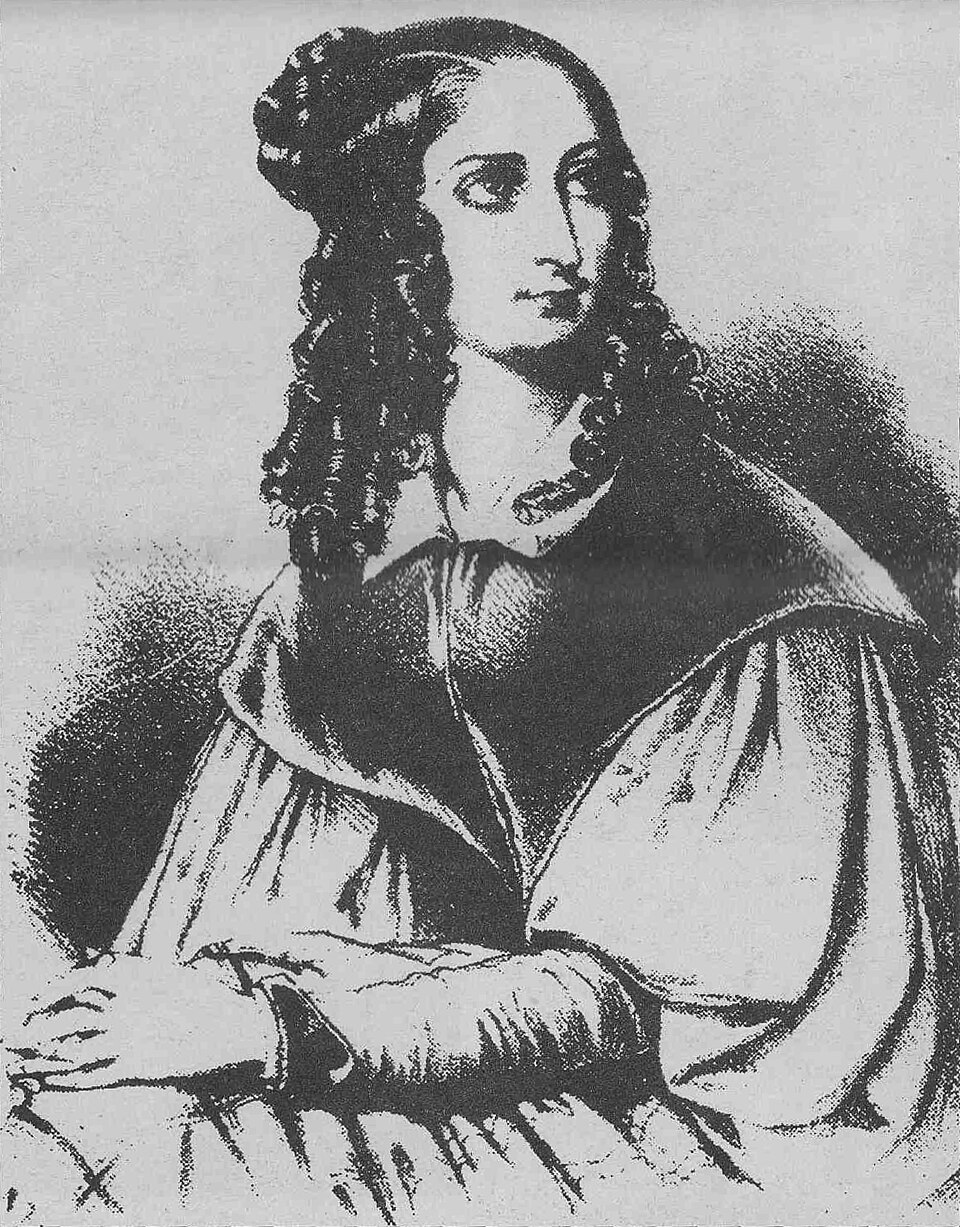
—How do you gather all this, Flora? A woman alone, in those slums — is it not reckless to want to see everything with your own eyes?
Reckless, perhaps — but I only believe what I have seen. Everywhere I go with my notebook, and I record everything: wages, hours, the number of children in a single room, the smell of the workshops. I do not write from the comfort of a study, Charles: I go down, I question, I note. For a woman, every journey is a struggle — I need a passport, permits, and I am looked at askance wherever I pass alone. But that is the price of truth. A reformer who has not seen misery with his own eyes is only dreaming aloud. I want my pages to be a police report, evidence that cannot be denied.
—You know my dream of Association, that phalanstery where each would find his place. What is this project of union we hear you speak of?
Your Association enlightened me, Charles, I do not hide it. But where you build harmonious phalansteries, I start from the class that suffers: the workers. My design is the Workers' Union — that all the workers of France, men and women, unite into a single force. Let them pool their contributions, let them build their own palaces where their children would be educated and their elderly cared for. Alone, they are crushed; united, they will be a power that no one can ignore. I want to shout to them: "Workers, male and female, in the state of isolation you are in, you are weak; unite!" It is not charity I ask them to wait for — it is their own deliverance, by their own hands.
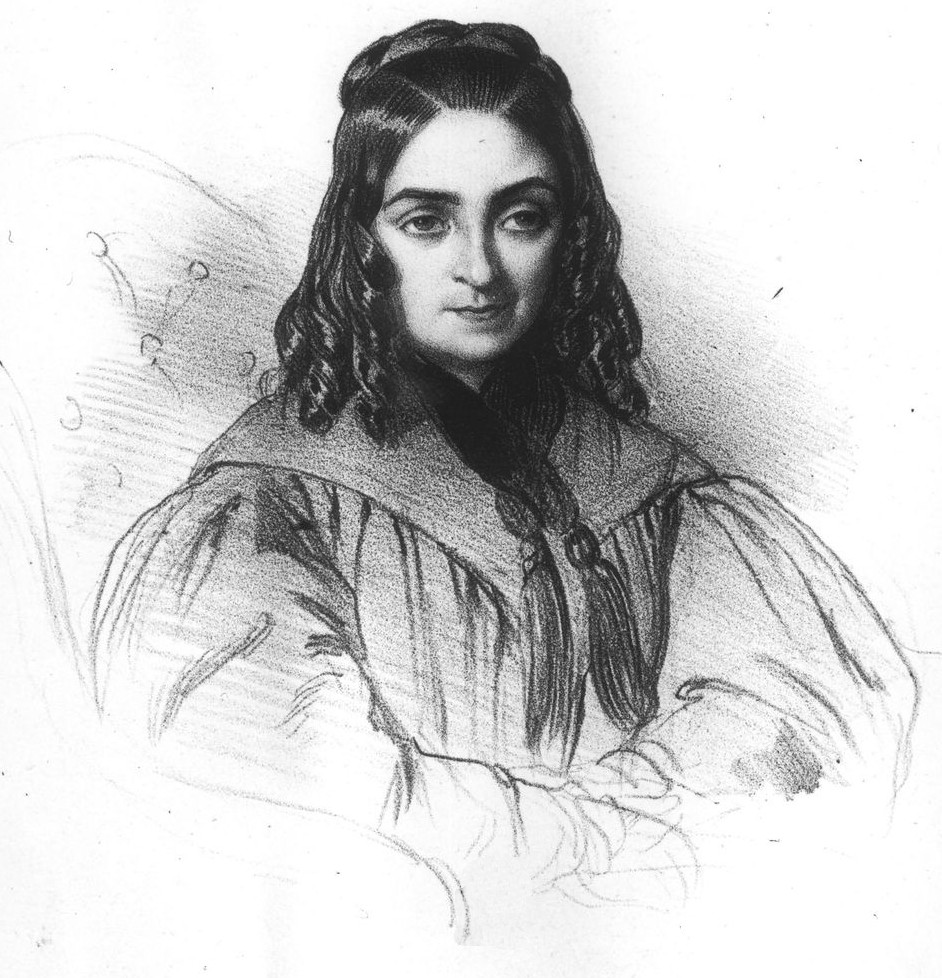
—You mix women with workers in the same struggle. Is that not asking too much, Flora, to bear two burdens at once?
They are not two burdens, Charles, they are one. The female worker is doubly crushed: as a worker and as a woman. As long as the mother remains ignorant and enslaved, how do you expect her to raise free men? The woman of the people is the last of the last, and it is through her that we must begin. I say to the workers themselves: by despising their companions, they forge their own chains. The emancipation of the workers will be complete only when woman walks beside them, educated, free, their equal. That is why I place the women's question at the very heart of the social question. They call me mad for it. I prefer to be mad today than wise in injustice.
The female worker is doubly crushed: as a worker and as a woman.
—They say you want to travel all over France to spread this message. With your fragile health, is that reasonable, my friend?
Reasonable, no — necessary, yes. A book is not enough: we must go to the workers, in their cities, in their workshops. I plan to travel all over France, my trunk full of copies of the Workers' Union, to hand them over in person and speak to them face to face. I will go to Lyon to see the canuts, those silk weavers who rose up in 1831 and 1834 and who already know the value of solidarity. I will go wherever they weave, forge, suffer. My health? What does it matter. A cause like this is worth consuming oneself for. If I must exhaust myself on the roads, it will be while sowing — and others will reap.
—Flora, I am old and my phalanstery is still only a dream on paper. What will remain, do you think, of all we sow?
Do not say that, Charles — your ideas have already kindled many fires, mine among them. What we sow does not belong to us; it will germinate when we are no longer here to see it. I myself may never see the union I call for. But what does it matter who sows, as long as the harvest comes. The workers will unite, women will rise — not by the grace of the powerful, but by their own will. I have neither fortune, nor title, nor even a roof of my own; I have only my word and this certainty. You taught me that another world is possible. I will spend my life making it necessary, and if I am forgotten, little do I care, as long as the wretched for whom I fought are not forgotten.
What does it matter who sows, as long as the harvest comes.
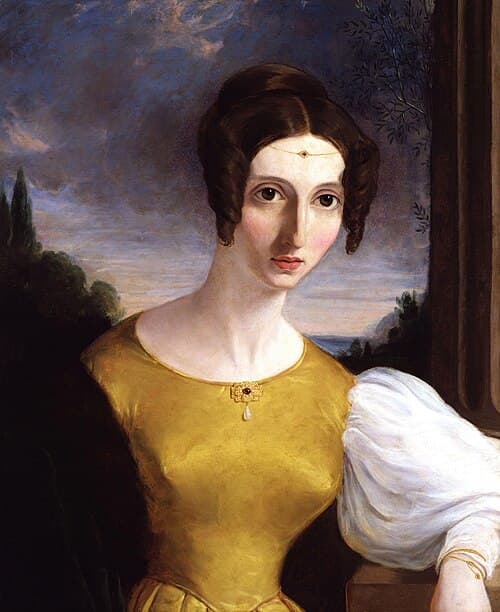
This imaginary interview was generated by artificial intelligence from sources documented in Flora Tristan's profile. It dramatises what the figure might have said based on what we know about them, but does not constitute attested historical testimony. For primary sources and factual documentation, refer to the full profile.