Kids interview Georg Ohm
by Charactorium · Georg Ohm (1789 — 1854) · Sciences · 5 min read
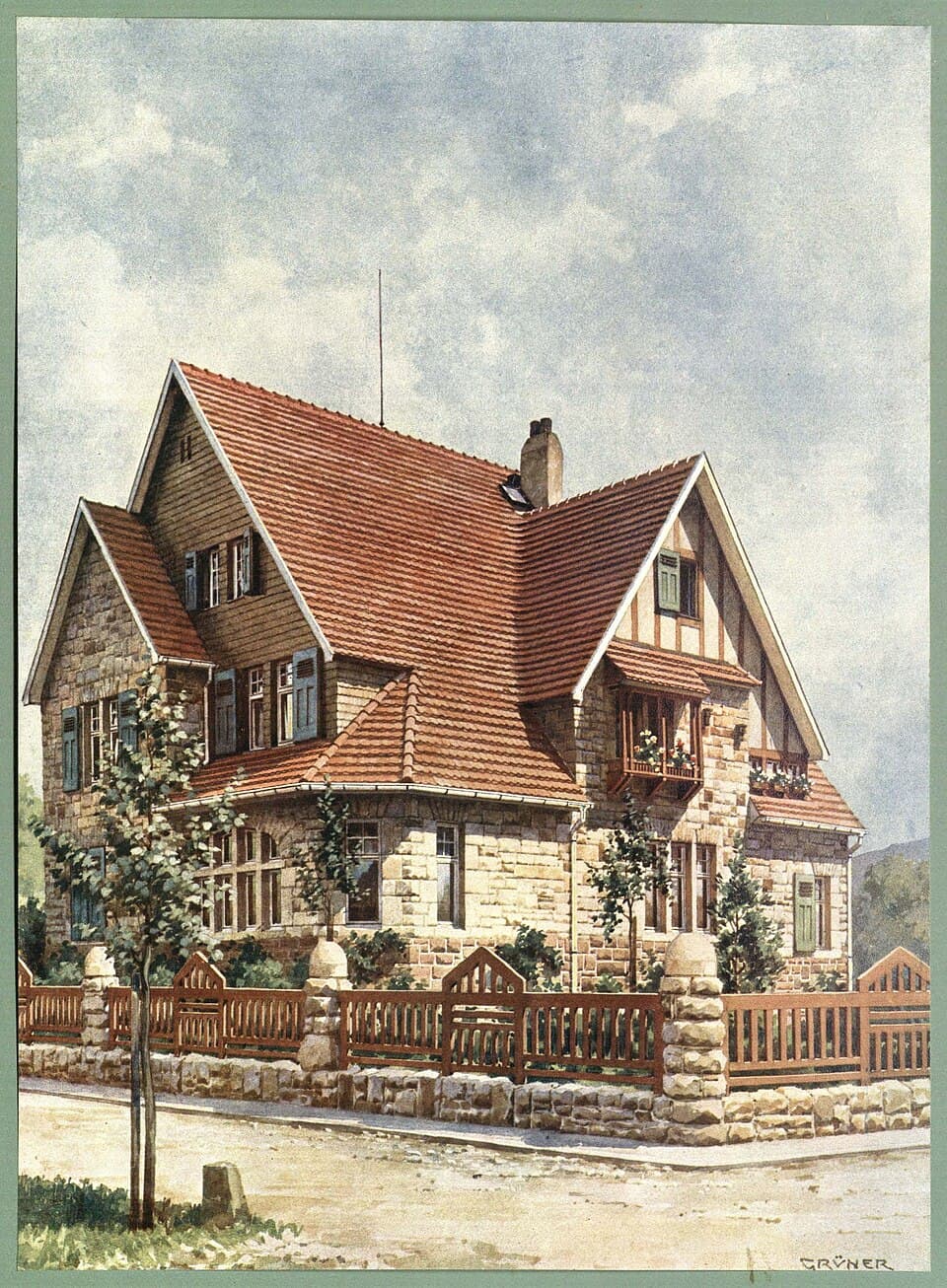
That morning, two young visitors from a school field trip push open the door of a small laboratory cluttered with wires and needles. An old professor greets them with a moved smile. It is Georg Ohm, and he has agreed to answer all their questions.
—Who was the first person to teach you science?
You know, my child, my first teacher was not a scholar. It was my father, Johann Wolfgang Ohm, a simple locksmith in Erlangen, Bavaria. Imagine a workshop that smells of hot metal and iron filings. In the evening, my father would put down his tools and open books. He had learned everything on his own, out of passion. And he taught us, my brother Martin and me, mathematics and science. No one had told him it was possible. He did it anyway. My brother became a renowned mathematician, and I, well... you see me here. It all started in that workshop.
My first teacher was not a scholar, he was a locksmith.
—Did your father have time to teach you on top of his work?
Not much, my child, that's true. Imagine a day of striking iron from morning to night, repairing locks to feed his family. And yet, my father found the time. He did not want us to remain ignorant. In Erlangen, he made us recite arithmetic rules like others recite prayers. I think he dreamed, through us, of the life of study he never had. It was he who gave me a taste for precise numbers. Later, when I measured my electric wires, I thought of his rigor. Sometimes we inherit a dream before we inherit a trade.
Sometimes we inherit a dream before we inherit a trade.
—How did you do your experiments? Did you buy your equipment?
Oh no, my child, I made almost everything myself! Picture me at my table, drawing copper and silver wires, some long, some short, some as thin as a hair. Each wire lets current pass differently: that is what I called conductibility, the ease with which electricity travels through it. To measure it all, I used a galvanometer, a small device with a magnetic needle that moves when current flows. The stronger the current, the more the needle turns. It was slow, meticulous. I noted every measurement. But that is how you discover the laws of nature: one wire at a time, patiently.
You discover the laws of nature one wire at a time.
—Why did you use a weird battery instead of a normal one?
Good question, my child! In my time, the most famous battery was the voltaic pile, invented by Volta in 1800. But it had a flaw: its current constantly dropped, like a candle that weakens. Impossible to measure accurately with that! So I chose the thermoelectric pile, discovered by Seebeck. It works with a difference in heat between two metals. Imagine: you heat one end, cool the other, and presto, current is born, very stable. That stability saved me. Without a steady current, you cannot measure anything reliable. Precision, you see, starts with a good source.
Without a steady current, you cannot measure anything reliable.
—When you published your law, were people happy for you?
Alas, no, my child. In 1827, I published my great book, Die galvanische Kette. I showed that voltage equals resistance times current. A simple, clear law... written with mathematics. And that is precisely what I was criticized for! Many German scholars followed a school of thought called Naturphilosophie: they believed you understand nature through intuition, through the heart, not through numbers. My equations annoyed them. My work was deemed too cold, too mathematical. Imagine: you offer your most beautiful gift, and it is rejected. I was hurt. But I knew I was right.
You offer your most beautiful gift, and it is rejected.
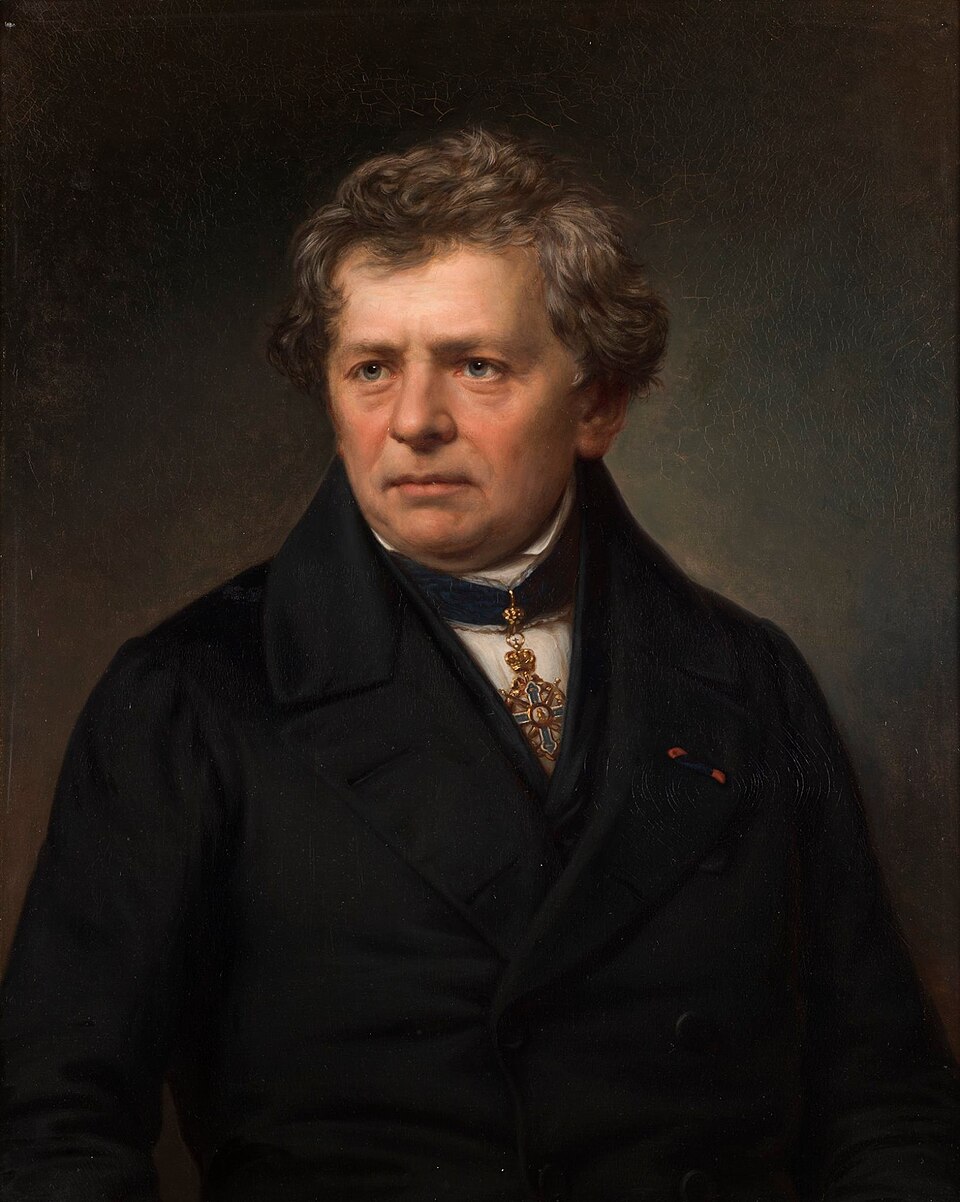
—How did it feel when people mocked your mathematics?
It hurt, my child, I will not lie to you. Imagine working for years on something true, and being called a complicated dreamer. The followers of Naturphilosophie thought that nature cannot be confined in formulas. I believed the opposite: that behind the apparent disorder of electric current, there was order, and that order spoke the language of numbers. So I gritted my teeth. I did not change a comma of my law. Time, you see, is the best judge. It always ends up vindicating the right measurement.
Behind the disorder of the current, there was order.
—Is it true that you quit your job after that?
Yes, my child. In 1828, disappointed, I left the high school in Cologne, where I taught. I thought elsewhere they would recognize my work. But those were very hard years. I had no permanent position: it was called being a Privatdozent, a teacher paid only by the few students who came. Imagine never knowing if you would eat enough the next month. I gave private lessons to survive, I rented small rooms. My meal was often rye bread and soup. The glory of my law did not fill my plate. But I never stopped thinking and teaching.
The glory of my law did not fill my plate.
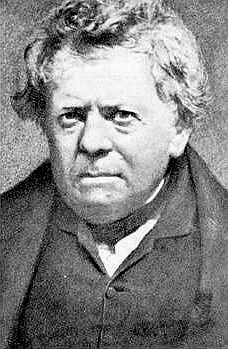
—What did you eat in the morning during those hard years?
A very modest meal, my child! Picture a simple table, no rich cloth: dark bread, a little butter, and hot coffee. That is all. I often got up before dawn to prepare my lessons and review my notes. Half-empty stomach, but mind full of calculations! At noon, sometimes potatoes, soup, and Bavarian beer on good days. You see, I lived like many German professors of my time: frugally. I never married, I needed almost nothing. My real treasures were my wires, my measurements, and my ideas.
Half-empty stomach, but mind full of calculations.
—So no one ever recognized that you were right?
Yes, my child, but imagine: it was first abroad! In 1841, a great English institution, the Royal Society of London, awarded me its highest distinction: the Copley Medal. Imagine my surprise. Scholars from another country, who did not even speak my language, had understood the value of my research on electric current. They praised works 'of fundamental importance to the science of electricity'. My own country still hesitated. Strange, you see: sometimes it is foreigners who see you best. That medal was like a hand reached out after years of silence.
Sometimes it is foreigners who see you best.
—At what age did you get your big professorship?
Very late, my child! It was not until 1852 that I finally obtained a chair of physics at the University of Munich. I was 65 years old then. Imagine: a whole life waiting for recognition from your country, and it arrives when your hair is already white. I only enjoyed it for two years, because I died in 1854. But do you know what comforts me? Today, when you measure a resistance, you use a unit that bears my name. A child like you, in class, pronounces my name without knowing it. Patience is always rewarded, even very late.
Recognition sometimes arrives when the hair is already white.
This imaginary interview was generated by artificial intelligence from sources documented in Georg Ohm's profile. It dramatises what the figure might have said based on what we know about them, but does not constitute attested historical testimony. For primary sources and factual documentation, refer to the full profile.