Kids interview Joan of Arc
by Charactorium · Joan of Arc (1412 — 1431) · Military · 5 min read
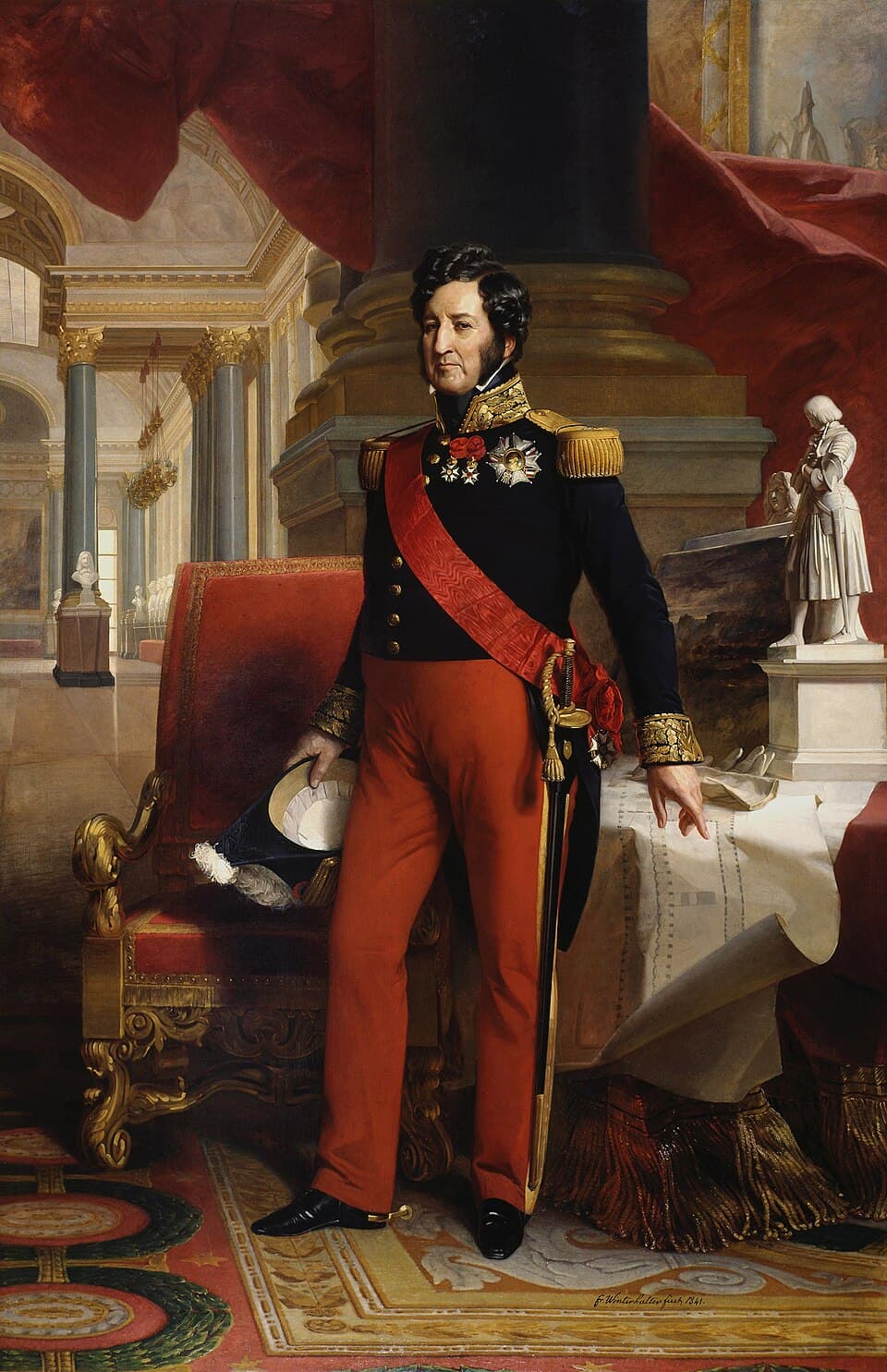
Two twelve-year-old students are visiting an old stone tower with their class that morning. A young woman in white armor steps toward them, a tired smile on her lips. She sits down on a bench and tells them to ask all their questions.
—Is it true you heard voices when you were little?
Yes, my child. I was about your age, thirteen, and I was tending the animals in Domrémy, my village. One day, I heard a voice. Imagine a great silence in the fields, just the wind, and suddenly someone speaks to you very close. I trembled. Later, I thought I recognized Saint Michael, Saint Catherine, and Saint Margaret. They came back often. They told me to go help the king of France. You know, I was just a peasant girl. No one asks that of a shepherdess. I was afraid for a long time. But the voices never let me go.
I was just a shepherdess, and they asked me to save a kingdom.
—How did you find your sword when no one knew where it was?
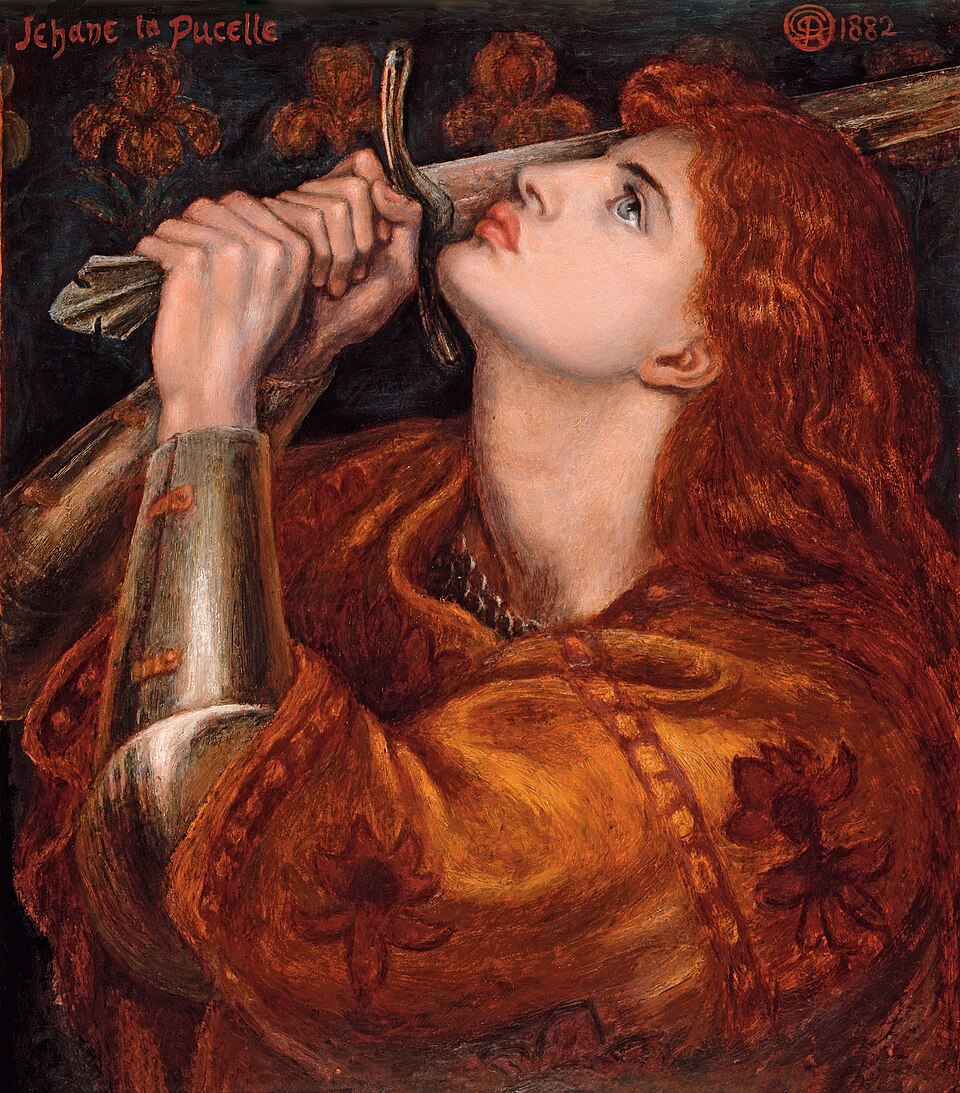
Ah, that sword! My voices told me a strange thing: behind the altar of a little church at Sainte-Catherine-de-Fierbois, an old sword was buried. No one knew. I sent a message to the priests there. Imagine their faces! They dug, and the sword was indeed there, under the earth, rusty. We cleaned it, and it became my weapon. But you know what I preferred? Not the sword. My white standard, with the fleur-de-lis. I held my banner dearer than my sword. A sword kills. A banner rallies men behind you.
I held my banner dearer than my sword.
—What was it like being a girl all alone among soldiers?
It wasn't easy, you know. I had cut my hair short, in a round style, like men at war. I wore a white plate armor, from morning to night. For a woman, that was very unusual in my time. Imagine the weight of iron on your shoulders all day. But I wanted to be respected. I chased away the loose women who followed the army, and I forbade soldiers to swear or blaspheme in front of me. Many captains didn't like taking orders from a seventeen-year-old girl. So I stayed firm, and I prayed. Respect isn't asked for; it's earned.
Respect isn't asked for; it's earned.
—What did you eat in the morning during the war?
Not much, my child! I ate like a peasant from Lorraine: bread soaked in watered wine. Nothing more. No great feasts like the captains. First, every morning at dawn, I went to Mass. Every day, without exception. I confessed often. Only then would I join the leaders to prepare the troops. In the evening, I cried a lot, I must admit. When I saw the wounded and the dead, even the enemies, my heart ached. War is not a glorious game. It's blood, mud, and men who will never go home.
—How did you manage to free Orléans when no one else could?
You touch on my greatest feat there. The English had been besieging Orléans since the autumn. A siege is when an army surrounds a town to starve it until it surrenders. The French captains had been trying for months, in vain. I entered the town on April 29, 1429. And in only nine days, it was over: the siege was lifted. Imagine the joy of the inhabitants who had nothing left to eat! I am no magician, you see. But I gave the soldiers something they had lost: hope. When you believe you can win, you fight differently.
In nine days, I gave back to the soldiers what they had lost: hope.
—Is it true you were hit by an arrow and went back to fight?
It's true, yes. During the siege of Orléans, an arrow pierced my shoulder. The pain was terrible, I won't lie. I cried, like anyone would. But you know what I did? I pulled out the arrow myself, the wound was treated quickly, and I went back to fight the same day. Why? Because my soldiers were watching me. If their leader leaves the battlefield, everyone loses courage. Seeing me return, wounded but standing, they regained strength. Courage, my child, is contagious. It only takes one person standing for the others to get back up.
It only takes one person standing for the others to get back up.
—How did you recognize the king when he had hidden himself in the crowd?
Ah, that is my most mysterious memory! When I arrived at the castle of Chinon, the dauphin Charles — that's what you call the heir to the throne before his coronation — wanted to test me. He dressed like an ordinary courtier and mingled with his court. Imagine a great hall full of richly dressed people, and you, a little peasant girl, must guess which one is the future king. Well, I went straight to him. And I told him a secret that only he knew. He turned very pale. From then on, he trusted me and gave me an army.
—What was the most beautiful day of your life?
Without hesitation: July 17, 1429, the coronation at Reims. The coronation is the ceremony where the king of France receives the holy oil in the cathedral. Without it, he is not truly king in the eyes of the people. To get there, I had led the army through enemy lands, from Gien. It was dangerous at every step. And on that day, in the great cathedral, Charles VII was crowned king. And I was there, right next to him, holding my white standard. You know, my voices had asked exactly that of me. On that day, I felt my mission was accomplished. My heart overflowed.
On that day, my standard in hand beside the king, my mission was accomplished.
—The trial must have been horrible, you who couldn't even read?
Yes. In Rouen, in 1431, very learned judges questioned me. I could neither read nor write. Imagine: you are alone, in chains, facing dozens of educated men who ask you trick questions about God and religion. They wanted me to make a mistake. But you know what? I answered with my peasant common sense, and often they were left speechless. They also reproached me for wearing men's clothing. That was one of their great complaints! I had no army to defend me there. Just my words. And sometimes, simple words are better than all the great speeches.
Sometimes, simple words are better than all the great speeches.
—Were you afraid when they asked you their difficult questions?
Of course I was afraid, my child. But I clung to my faith. One day, a judge asked me if I was in a state of grace — that is, if my soul was pure before God. It was a terrible trap: if I said yes, I sinned through pride; if I said no, I accused myself. So I answered: "If I am not, may God put me there; if I am, may God keep me there." The judges were dumbfounded. They condemned me anyway, and I ended up at the stake. But remember this: you can burn a person, but you never burn their truth.
You can burn a person, but you never burn their truth.

This imaginary interview was generated by artificial intelligence from sources documented in Joan of Arc's profile. It dramatises what the figure might have said based on what we know about them, but does not constitute attested historical testimony. For primary sources and factual documentation, refer to the full profile.