Imaginary interview with Joan of Arc
by Charactorium · Joan of Arc (1412 — 1431) · Military · 6 min read
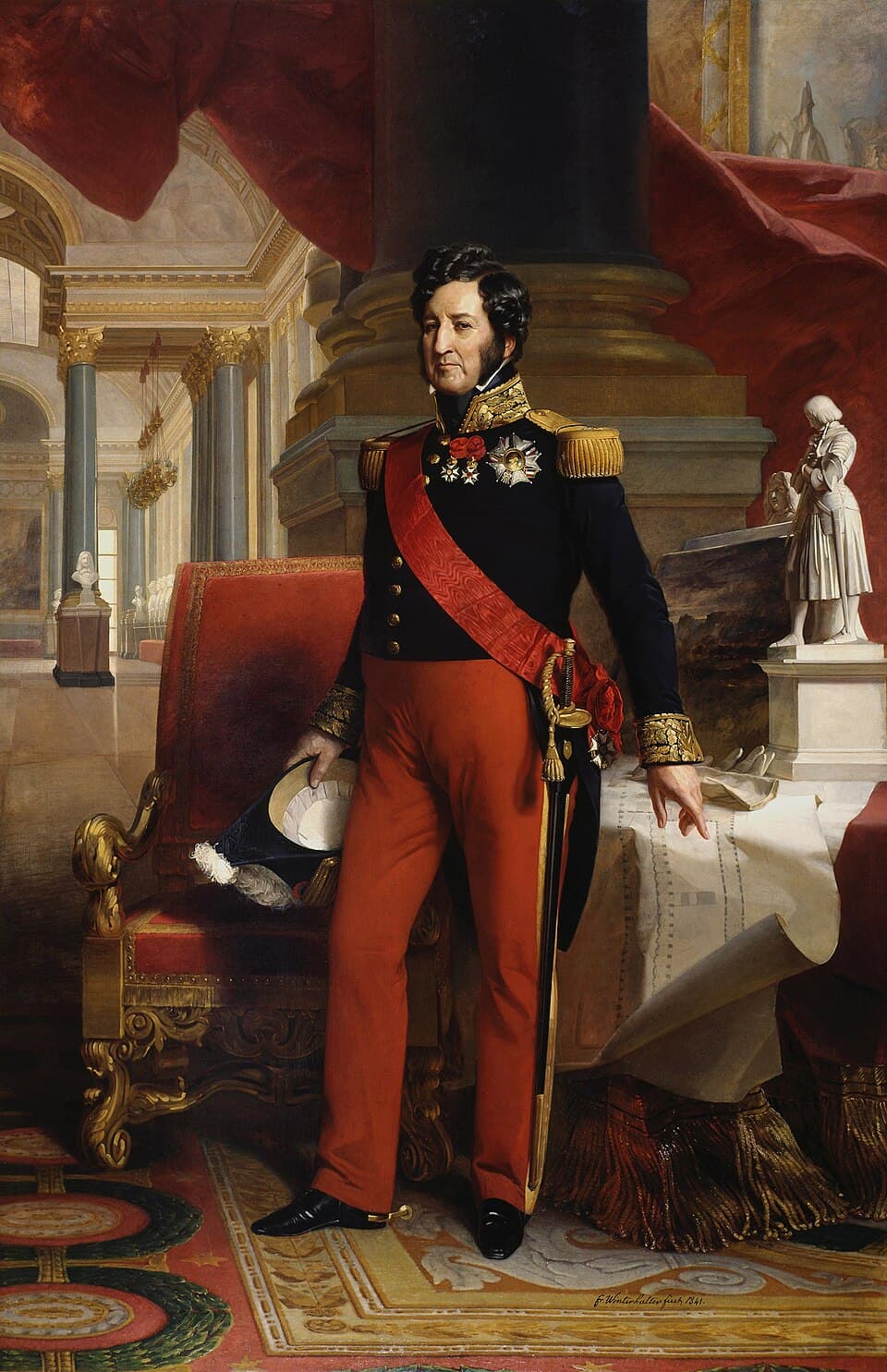
Spring 1429. Under a tent pitched not far from the Loire, by the flicker of a candle, a young woman of seventeen removes her iron gauntlets. Between two war councils, in a low voice, she agrees to answer — the Maid whose name all France is beginning to whisper.
—Do you remember the day you presented yourself before Robert de Baudricourt to demand an escort?
I was laughed at, at first. I was seventeen and came from Domrémy, a farmer's daughter who dared ask for men-at-arms to reach the Dauphin. Captain Robert de Baudricourt sent me back to my father as if shooing a fool. But my voices gave me no rest, and I came back, and back again, until the whole town of Vaucouleurs spoke of this stubborn maid who bent neither under mockery nor the cold of the Lorraine winter. When he saw that nothing would turn me back, he gave me men's breeches and six companions. I think he gave in less out of faith than weariness. No matter the reason: the road to Chinon opened, and with it all the rest.
—How did your first meeting with the Dauphin go, at the Château de Chinon?
They thought they could deceive me. At Chinon, in the great hall full of torches, the Dauphin Charles had blended among his courtiers, dressed without splendor, letting another take his place. I went straight to him — and God knows I had never seen him with my eyes before. Then I told him, aside, something that only he could know, a sign that I still keep to myself. His face changed. This man, gnawed by doubts about his birth, his right to the throne, suddenly looked at a shepherdess as one looks at hope. Do not ask me what that sign was: it belongs to him and to God. But it was there, I believe, that my mission truly began.
—What can you tell us about those voices that, it is said, guided you from childhood?
They came to me at Domrémy, I was thirteen, in my father's garden, at the hour of noon. First a great light, then a voice — that of Saint Michael, who commands the armies of heaven. Later came Saint Catherine and Saint Margaret, gentle and firm at once. I am constantly asked what they look like, if I touch them, if I feel them. What can I answer to clerics who want to weigh heaven like grain at market? They told me to hold firm, to go into France, to fear nothing. I owe them everything I dared. When I doubted on the road, it was their word I listened to, not that of the captains.
—And that sword you had exhumed from behind an altar, where did it come from?
My voices had told me: an ancient sword slept in the earth, behind the altar of the church of Sainte-Catherine-de-Fierbois. I had it asked of the clergy of that place, without ever having set foot there. They dug, and found it, marked with five crosses, rusty but whole; the rust fell off almost by itself when they rubbed it. Yet understand me well: I never loved that blade for striking. I led the troops carrying my white standard strewn with fleurs-de-lis, and I held it forty times more dear than my sword. What I wanted was to lead men toward God, not to lead them to slaughter.
A blade kills; a banner gathers.
—Tell us about those nine days that delivered Orléans.
When I entered Orléans at the end of April, the city was dying of hunger and fear since autumn. In nine days, no more, we overturned what the captains had failed to do in long months. On May 8, 1429, the siege was lifted. But do not believe all was clear and glorious: there was blood, the English bastilles to take one by one, the men who hesitated to assault. I went ahead, standard in hand, crying to the English to surrender into the hand of God. Some thought me sent from heaven, others held me for a witch. Little did I care: the Loire was becoming French again, and the Dauphin could finally raise his eyes toward Reims.
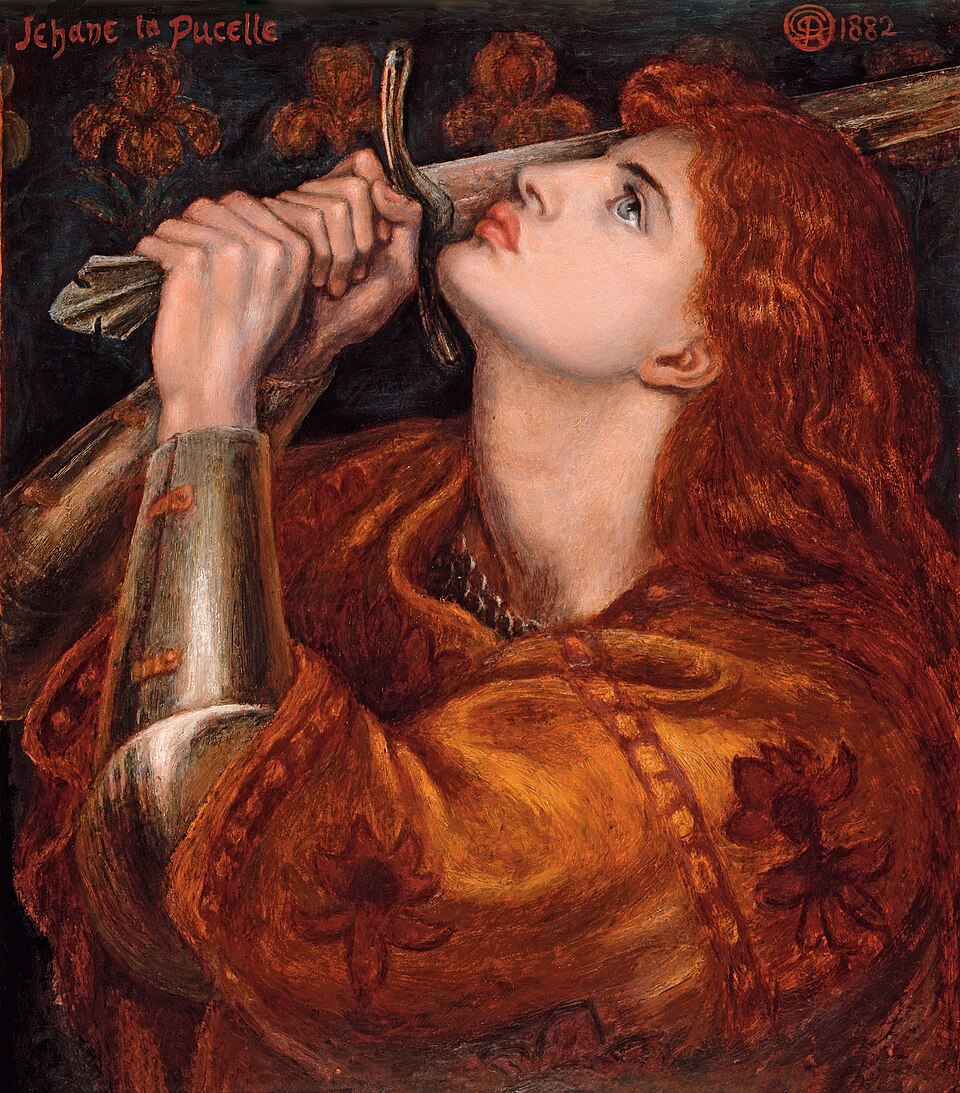
—It is said you were wounded during the assault. How did you endure?
An arrow pierced my shoulder, where the armor no longer covers, between the neck and the top of the arm. I wept, I admit, for the pain was sharp and the blood flowed onto my white cuirass. They wanted to charm the wound with words and spells; I refused, that would have been a sin to me. I pulled out the shaft with my own hand, they put a little lard and olive oil on it, and I returned to battle before the day fell. The soldiers saw me standing, standard raised, and that gave them more courage than ten speeches. The flesh suffers, but it obeys when the soul commands.
The flesh suffers, but it obeys when the soul commands.
—What were your days like, in the midst of an army of men?
I rose before dawn to hear Mass — I never missed it, and my confessor Jean Pasquerel would tell you I confessed almost every morning. Under my white armor forged to my measure, I wore men's clothes, breeches and doublet, more for convenience than defiance, and my hair was cut short, in a round, like that of soldiers. I ate little: bread dipped in wine well watered, none of the feasts where the captains indulged. In the evening, I drove from the camp the loose women who follow soldiers. And often, before the wounded and the dead, I wept. They wanted me hard as steel; I was a girl who was cold and who prayed.
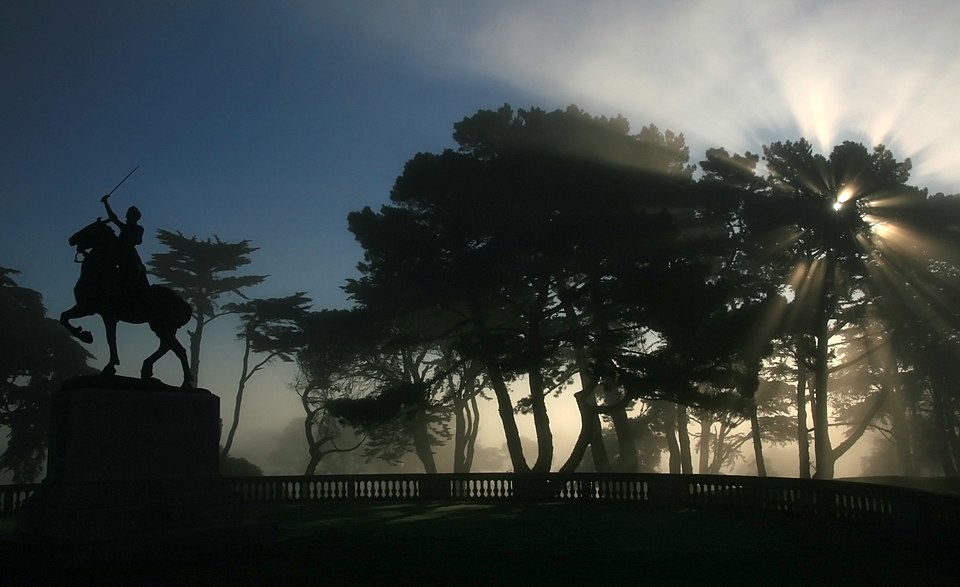
—Did you ever doubt, in the evening, far from the din of battle?
In the evening, I held council with the war chiefs, and often we disagreed — they wanted to temporize, I heard my voices urging me to act. I slept little. When all was quiet under the tent, I knelt and prayed at length, for it is in silence that fear comes knocking. Did I doubt? Of my mission, never; but of my own strength, yes. I saw young men die, English and French alike, and it broke my heart; Pasquerel saw me weep more than once. Yet in the morning, Mass heard, I regained my composure: it was not my work I was doing, it was God's, and one does not doubt God.
—Your judges at Rouen set clever traps. How did you hold your own against those theologians?
There were dozens of them at Rouen, doctors fat with Latin, and I cannot read or write my name. They wanted to catch me in the net of their questions. One day, one of them asked me if I was in a state of grace — a terrible trap, for to say yes was presumption, and to say no, to accuse myself. I replied: 'If I am not, may God put me there; if I am, may God keep me there.' They were struck silent. I had for me neither school nor books, only my voices and a peasant's good sense. When you fear God more than men, you always find the words. It was Bishop Pierre Cauchon who led it all, under the hand of the English.
If I am not, may God put me there; if I am, may God keep me there.
—Why did that trial fixate even on your men's clothes?
It may seem trivial to you, and yet it was one of the great charges: I had worn men's clothes. To them, a woman in breeches and armor offended the order willed by God. I explained it was necessary for war, and even more so in prison, guarded by English soldiers who gave me no rest. They made me sign an abjuration on May 24, promising me the Church's prisons rather than my chains; I hardly knew what I was signing. Then I took back my clothes, and I was declared relapsed — fallen back into error, therefore doomed to the fire without recourse. Thus a garment led me to the stake at the Old Market. But my voices never reproached me for those clothes.

This imaginary interview was generated by artificial intelligence from sources documented in Joan of Arc's profile. It dramatises what the figure might have said based on what we know about them, but does not constitute attested historical testimony. For primary sources and factual documentation, refer to the full profile.