Imaginary interview with Joan Sutherland
by Charactorium · Joan Sutherland (1926 — 2010) · Music · Performing Arts · 5 min read
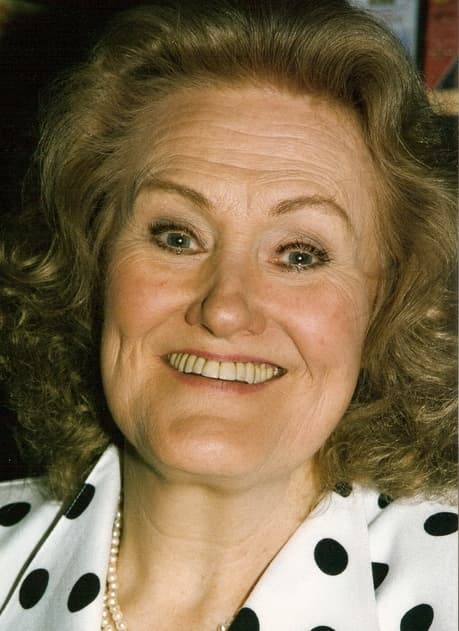
Les Avants, a late autumn morning. Alpine mist still clings to the fir trees when Dame Joan Sutherland opens the door of her Swiss house, a steaming cup of tea in hand. On the grand piano in the living room lie scores covered in pencil annotations. She sits down, laughing, and waits for the first question.
—Before the great stages of the world, there was a little girl in Sydney. How did music enter your life?
Through the living-room gramophone in Sydney, and through the voice of my mother, who was an amateur mezzo. As a child, I would stand in front of the mirror and imitate Amelita Galli-Curci and Luisa Tetrazzini, those divas etched on records I wore out. I didn't know that was called bel canto; I only knew those voices rose where mine wanted to go. My mother gave me my first lessons between household chores, no conservatory, no illustrious teacher. I'm often told that a great career must begin in Milan or Vienna. Mine began in a living room in the Australian suburbs, in front of a mirror, and that always seemed proof to me that no horizon is too distant.
My career began in a suburban living room, in front of a mirror.
—They say a man changed the course of your voice. What exactly do you owe him?
Everything, or nearly. I married Richard Bonynge in 1954, thinking he was a simple rehearsal pianist; he became the ear that heard what my London teachers refused to hear. They saw me as a comfortable, solid mezzo without brilliance. Richard, however, insisted I was a dramatic coloratura soprano — a tessitura of over three octaves waiting to be freed. Against all advice, he pushed me toward Donizetti and Bellini. In my autobiography, I wrote that his faith in my voice was the most important factor in my career, and I still believe it. We spent hours at that piano, refining the cadenzas we composed together. Without him, I would have remained a respectable oratorio singer.
They saw me as a comfortable mezzo; Richard heard the soprano I didn't know I was.
—February 1959, Covent Garden, a certain Lucia. Do you remember that evening?
As if it were yesterday. Franco Zeffirelli had devised a staging that left me naked before Lucia's madness, and I admit I trembled before the curtain rose. Then came the mad scene, that long thread of fioritura suspended above the orchestra, and I felt the hall stop breathing. At the end, the ovation lasted over twenty minutes — I lost count of the curtain calls at the Royal Opera House. The next day, The Times wrote that my Lucia had placed me among the immortals of the operatic stage. I dared not believe it. That night, without my yet realizing it, the old bel canto repertory, thought dead, began to breathe again.
I felt the hall stop breathing, and bel canto with it begin again.
—Soon after, the Italian press christened you 'La Stupenda'. How did you receive that nickname?
With some embarrassment, I admit. It was at La Fenice in Venice that the Italians hurled that word at me — La Stupenda, the stupendous — and it seemed far too grand for me. That Venetians, in the very homeland of bel canto, should bestow such a title on a girl from Sydney, seemed like a dream. But I distrust labels that turn you into a statue. I preferred to recall that none of this came from a gift from heaven: it came from work, from the hours repeated every morning. A stupendous voice, perhaps; but above all a maintained voice, like a garden never left to go to seed.
I distrust labels that turn you into a statue.
—Speaking of which, what did an ordinary day look like behind this legend?
Much less glory than one imagines. Every morning, without fail, I began with very progressive vocalises, Richard at the piano, before touching any aria. In the afternoon, we polished ornaments and cadenzas on scores covered in my pencil annotations — breaths, nuances, variations. On performance days, I imposed an almost monastic vocal silence: no chatting, warm water, a light meal, nothing that irritates the throat. I once told Opera Magazine that I never considered daily vocalises a chore. The voice is a living instrument; it demands the same care an athlete gives their body, whatever your name on the bill.
The voice is a living instrument; it demands the care an athlete gives their body.
—You resurrected operas no one else dared to sing. Why this taste for forgotten works?
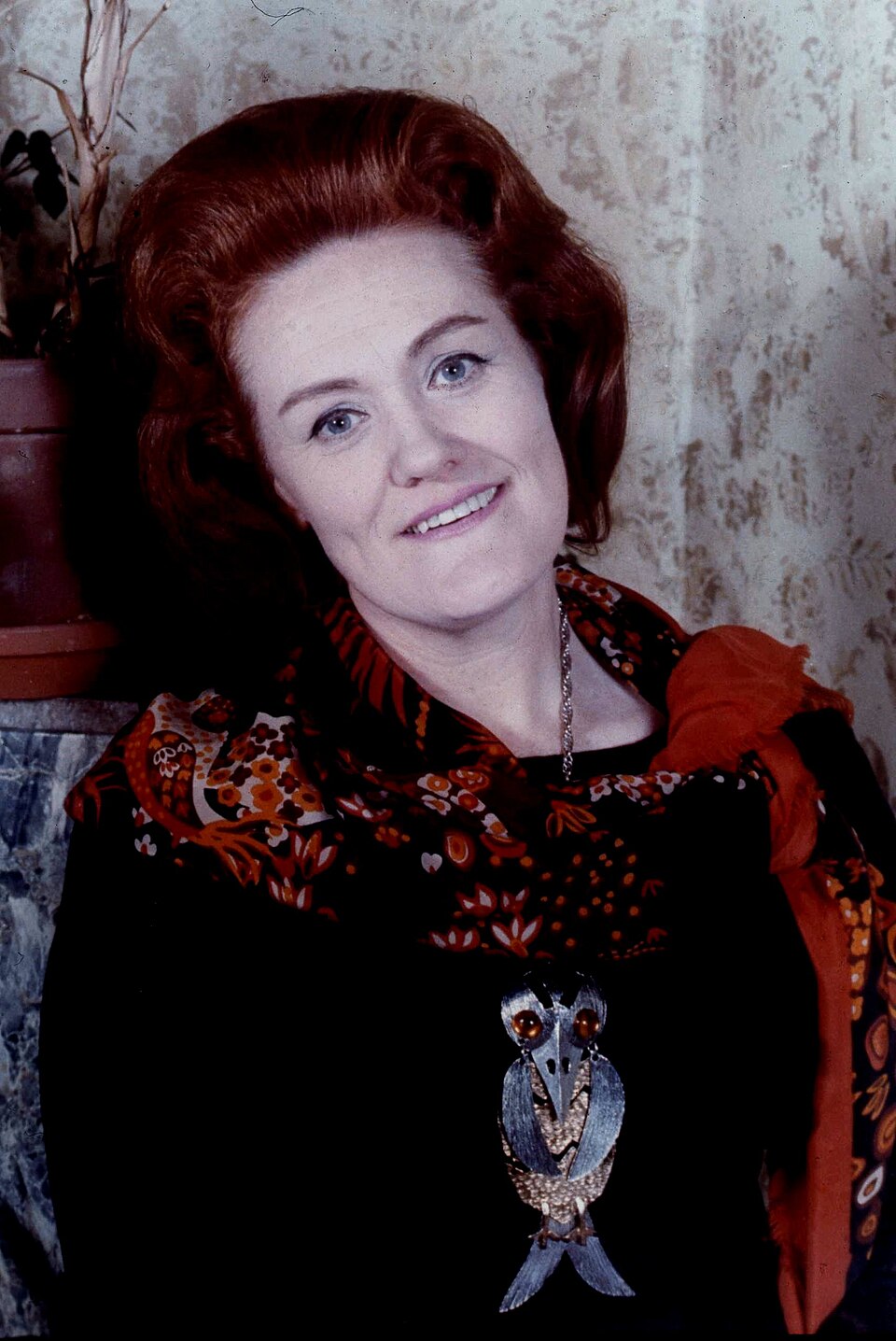
Because there were treasures abandoned for lack of throats to handle them. In 1966, we recorded for Decca Rossini's Semiramide with Marilyn Horne, a Rossini seria that the 20th century had nearly erased from memory. Then, in 1969, I took on Valentine in Meyerbeer's Les Huguenots — a French grand opera of dizzying difficulty, fallen into oblivion because too daunting. These roles demand endless fioriture and marathon stamina. But when a repertory has slept for a century, someone must dare to wake it. Maria Callas had opened the door to the bel canto revival; it seemed natural for Richard and me to rush in and retrieve what others deemed unsingable.
When a repertory has slept for a century, someone must dare to wake it.
—Marilyn Horne appears often in your most celebrated recordings. What happened between your two voices?
An alchemy I still struggle to explain. Our Norma by Bellini, recorded for Decca in 1964 under Richard's baton, remains for many an absolute reference — and I think the secret lies in the understanding between my soprano and her mezzo. In Bellini's duets, our lines crossed, answered, intertwined like two silk threads. Marilyn possessed an agility I had never heard in a mezzo, and that forced me to give my best. Singing Bellini together is not competing; it's breathing together. We brought those old pages back into fashion because we loved them, simply, with the greed of children before a rediscovered chest.
Singing Bellini together is not competing; it's breathing together.
—One imagines the diva under the spotlight. What did you do in the two hours before the curtain rose?
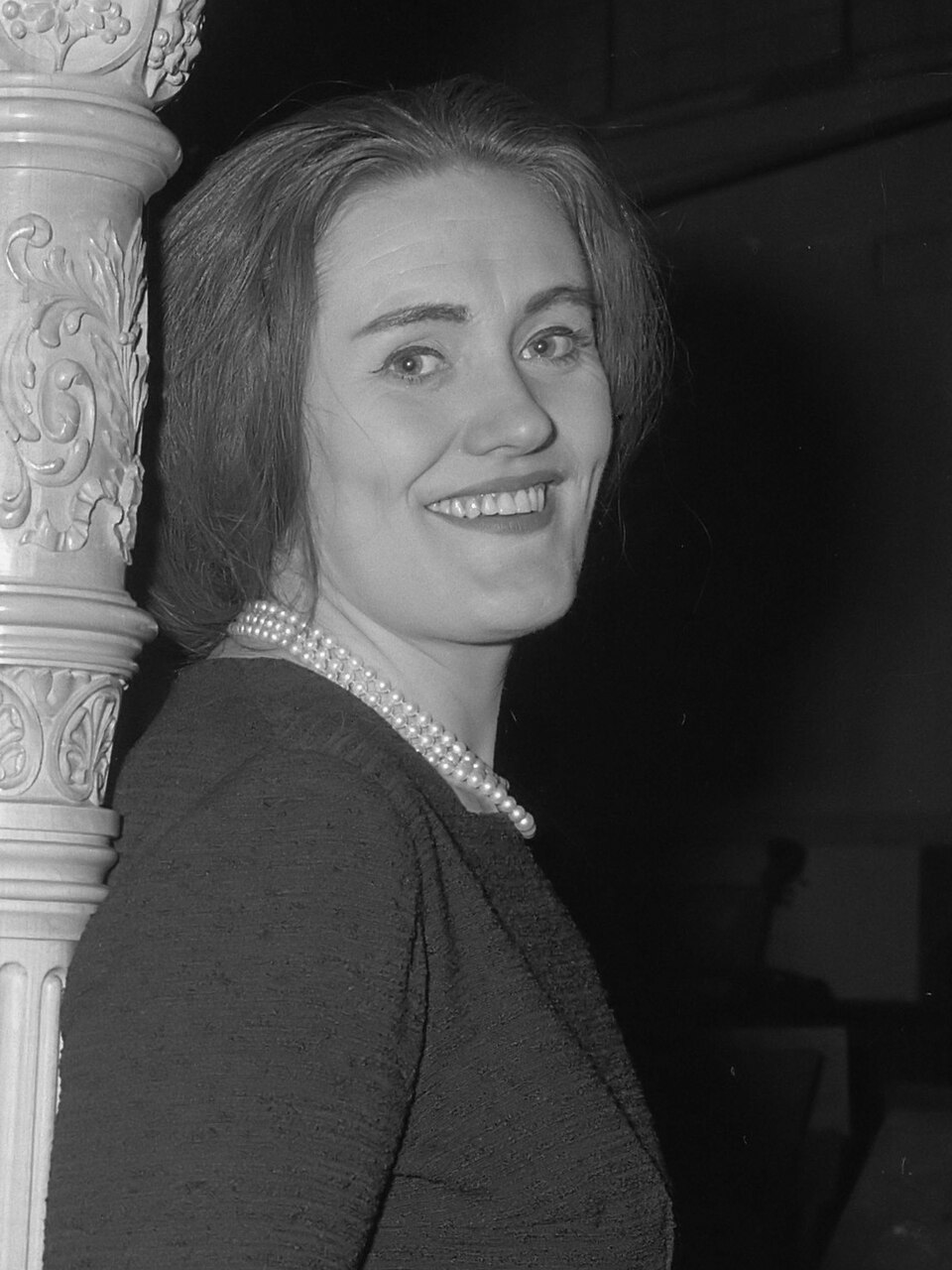
I slowly became someone else. Two hours before, backstage, the metamorphosis began: meticulous makeup, the embroidered silk costume sewn to measure, the elaborate wig from the opera house workshops, then a final warm-up with covered voice. Those crinoline gowns, those corsets of romantic heroines, are not trinkets: they helped me step into the skin of Lucia or Violetta. Once made up, I was no longer quite Joan from Sydney. After the curtain, still breathless from curtain calls, I received a few admirers in my dressing room before joining the team for a snack. Then the crinoline came off, and I became a tired and happy woman again.
Once made up, I was no longer quite Joan from Sydney.
—You and Richard Bonynge sometimes composed your own cadenzas. Didn't that freedom betray the composer?
On the contrary, it served him. In the 19th century, singers ornamented and varied the scores; the written cadenza did not exist as dogma. Around our rehearsal piano, Richard and I restored that living tradition: we composed together cadenzas tailored to my voice, to what my fioriture did best. It is not betraying Donizetti to give him the ornaments he would have expected from a prima donna of his time. Georg Solti once wrote that I had a sense of phrasing that 19th-century Italian cantatrices would have envied — coming from him, that was the greatest compliment. We reinvented nothing; we resurrected a way of singing.
It is not betraying Donizetti to give him the ornaments he would have expected.
—On 2 October 1990, you closed the circle at the Sydney Opera House. Why choose to end there, precisely?
Because every circle deserves to be closed. I had forty years on stage behind me and 63 years on my legs, and it seemed right to give my last note where the first had sounded, at the Sydney Opera House, before an Australian audience that wept as much as it applauded. Richard accompanied me for the last time, as on the first day in our living room. I sang fragments of my most cherished roles, and I felt the thread close: the little girl at the mirror and the woman bowing that night were one and the same person. Leaving at the top, without waiting for the voice to decay, was perhaps my most difficult decision — and the most dignified.
To give my last note where the first had sounded.
This imaginary interview was generated by artificial intelligence from sources documented in Joan Sutherland's profile. It dramatises what the figure might have said based on what we know about them, but does not constitute attested historical testimony. For primary sources and factual documentation, refer to the full profile.