Kids interview Joan Sutherland
by Charactorium · Joan Sutherland (1926 — 2010) · Music · Performing Arts · 5 min read
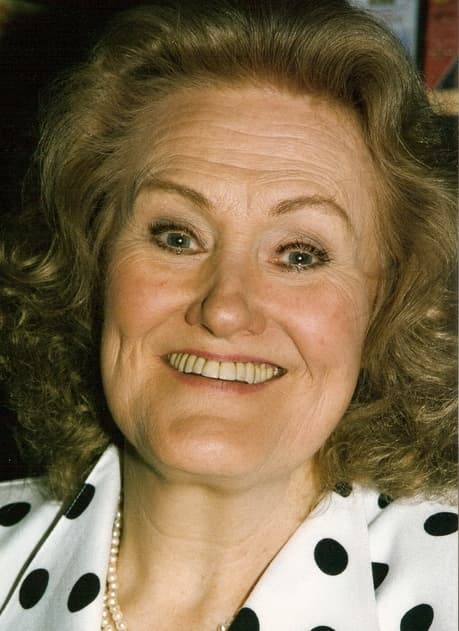
Two twelve-year-old students on a school trip push open the door of an opera dressing room full of scores. A grande dame welcomes them with a smile: Joan Sutherland, the soprano nicknamed "La Stupenda." She motions for them to sit close, and begins to tell her story.
—How old were you when you started singing, and what was it like at home?
You know, my child, I grew up in Sydney, at the edge of the world, far from the great theaters of Europe. As a little girl, I would press my ear to records of two famous singers, Galli-Curci and Tetrazzini. Then I would stand in front of the living room mirror and imitate their voices, in secret. Imagine a lone child, puffing out her chest to hold a high note as long as possible! My mother sang as an amateur, and she gave me my very first lessons. I had no conservatory, no famous teacher. Just a mirror, worn-out records, and an immense desire.
A great voice can be born in a living room, far from the grand theaters.
—Who told you that you were singing in the wrong voice?
It was a young Australian pianist, Richard Bonynge, whom I married in 1954. All my London teachers thought I was a mezzo-soprano, a rather low voice. Richard listened to me differently. He said: "Your voice goes much higher than you think; you are a coloratura soprano." Coloratura means an agile voice that does acrobatics in the high register. Imagine being told, after years: you've been running in the wrong direction, turn around! I was afraid, but I believed him. In my book, I wrote that his belief in my voice was the most important thing in my career.
A single person who believes in you can turn your whole life around.
—What does it feel like to discover you can do something you thought was impossible?
It's a dizzying feeling, my child, a joyful dizziness! Richard made me work on the bel canto repertoire, that "beautiful singing" full of ornaments. Against the advice of my London teachers, he pushed me toward Donizetti and Bellini, music full of dizzying vocal runs. At first, I trembled. Those arias demand incredible agility, like a tightrope walker dancing on a wire. Then, session after session, my doubts melted away. I discovered notes I had never even dared to imagine. You see, you never really know your limits until you let someone push you a little further.
You only know your limits by daring to go beyond them.
—What was the evening like when everyone realized you were a star?
Ah, that night I will never forget. February 1959, at the Royal Opera House in London. I was singing Lucia, a young woman who goes mad, in Donizetti's Lucia di Lammermoor. The production was directed by Franco Zeffirelli. Imagine a huge hall holding its breath, then exploding. The audience applauded standing for over twenty minutes! Twenty minutes, my child, is very long when you are alone on stage, legs trembling. The next day, a major London newspaper wrote that my voice placed me "among the immortals." At thirty-two, my life changed in a single evening.
A single night had been enough to change my entire life.
—Were you afraid before going on stage that night?
Of course I was afraid! Anyone would be afraid. The role of Lucia is terrible: she goes mad and sings a huge aria full of embellishments. Embellishments are those little note decorations that go up and down very fast. Before entering, I waited in the wings, my heart beating like a drum. I repeated the breaths that Richard and I had marked on my score, page after page. You know, fear never completely disappears. But as soon as the music began, it transformed into energy. It's like jumping into cold water: the worst part is the moment just before the plunge.
The hardest part is the moment just before you leap.
—What did you do every morning to keep such a beautiful voice?
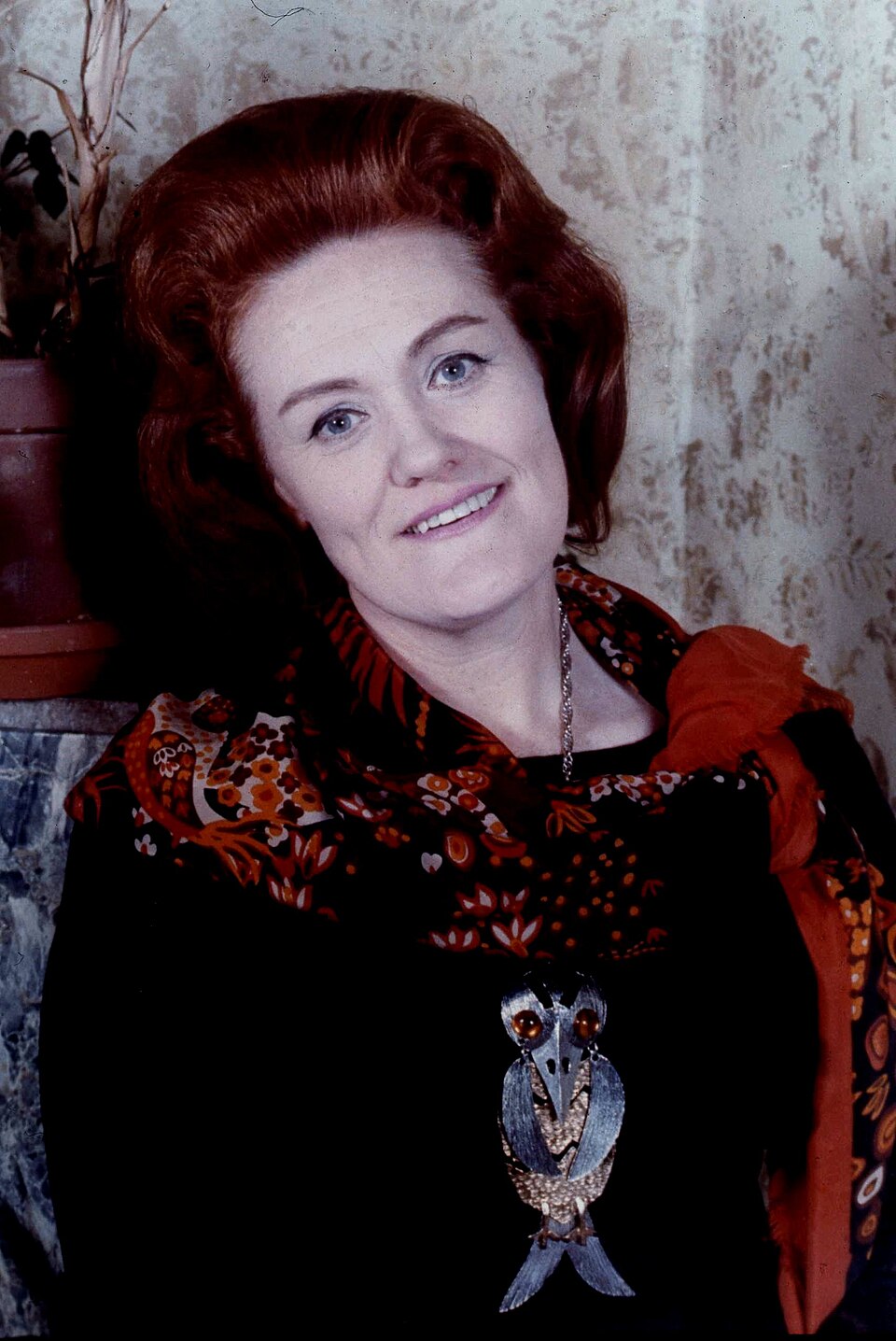
Every morning, without fail, my child. I would get up and do my vocal exercises, those warm-ups for the voice, with Richard at the piano. We would start very gently, note by note, like stretching your muscles before running. Once, I explained to a journalist that the voice is a living instrument: you have to maintain it every day, like an athlete training, no matter your level. Many thought I had received a gift from heaven and that everything came naturally. False! Behind every pure note, there were hours of patient work, repeated a thousand times.
The voice is a living instrument that must be tended every day.
—Is it true that you wrote lots of things on your scores?
Yes, you would have laughed seeing them! My scores were covered in little pencil marks, everywhere. Notes saying: here I breathe, there I soften, here I add a trill. A trill is when you rapidly vibrate between two neighboring notes, like a bird. Richard and I even invented cadenzas, those virtuosic solo passages, to show everything my voice could do. We composed them together, around the piano, for entire afternoons. The composer had written the framework; we added the lace. Nothing was left to chance, my child, absolutely nothing.
—Why did you sing operas that no one knew anymore?
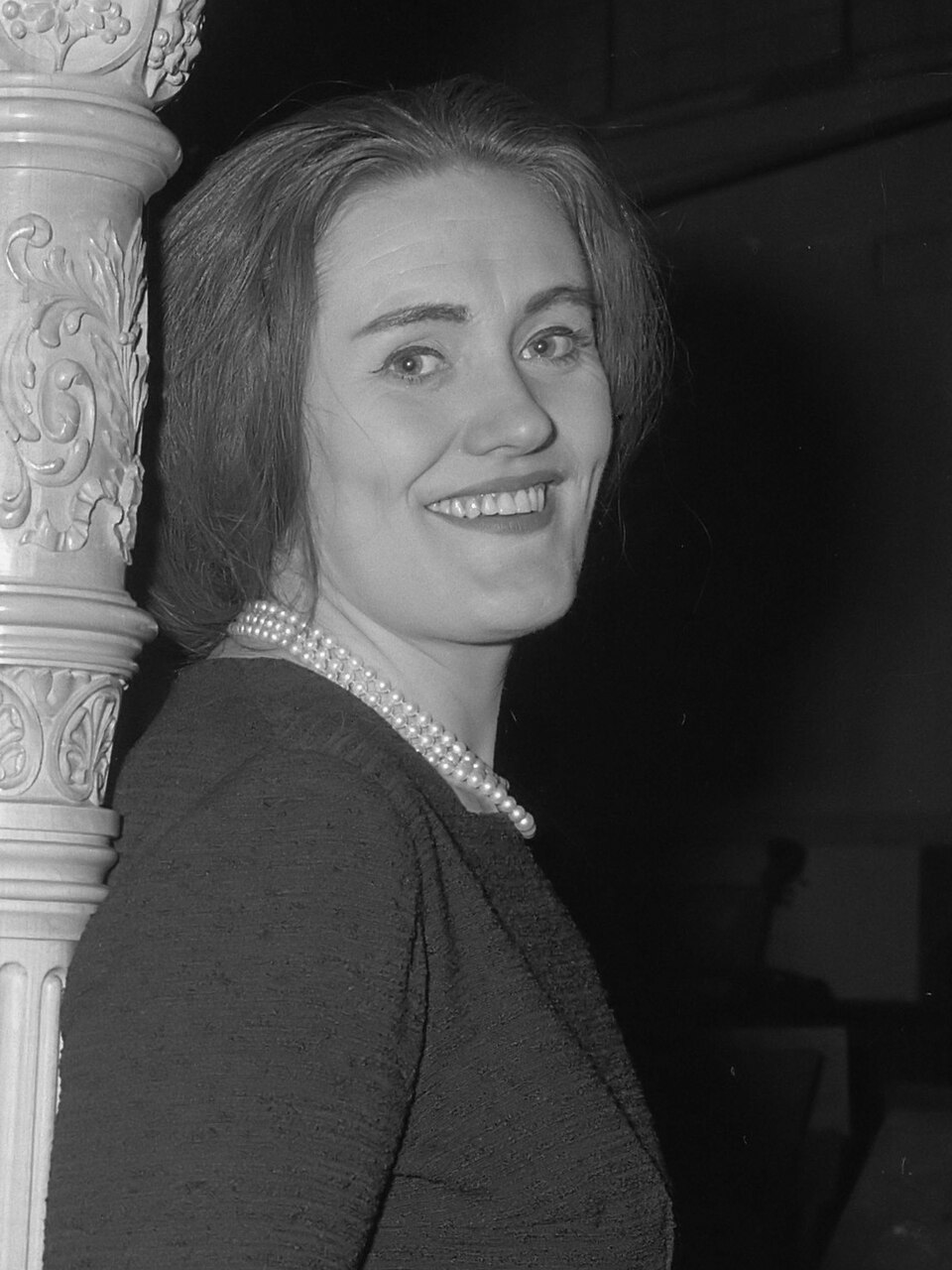
Because it was like finding forgotten treasures in an attic! Many magnificent operas had been sleeping for almost a hundred years. Too difficult to sing, so they were put away in the closet. Another great singer, Maria Callas, had begun to wake them; I continued with Richard. We recorded Norma by Bellini in 1964, then Semiramide by Rossini, with my friend Marilyn Horne. These pieces demand incredible agility, cascading vocal runs. Imagine opening a dusty old chest: inside, jewels still shining. Reviving these works was my greatest pride.
Resurrecting a forgotten opera is like opening an old chest full of treasures.
—Is there an opera so hard that almost no one could sing it?
Yes! Les Huguenots by Meyerbeer. A gigantic French opera, fallen into oblivion because it required extraordinary voices to sustain it. In 1969, I sang the role of Valentine, and believe me, it was a real mountaineer's challenge. You need power and, at the same time, the agility of a dancer. Many theaters no longer dared to stage it for lack of capable singers. When a work sleeps too long without anyone singing it, it risks disappearing forever. So each time I revived one, I felt I was saving a little piece of the world's memory.
—What was your most beautiful memory, at the very end of your career?
My final concert, my child. On 2 October 1990, at the Sydney Opera House, in my hometown. Do you understand the beauty of it? I had started as a little girl in front of a mirror in Sydney, and I ended on Sydney's greatest stage. The circle was complete. Richard conducted the orchestra, one last time. The hall was in tears, and so was I, a little. I was sixty-three, with forty years of singing behind me. I wanted to leave at the top, while my voice was still beautiful, rather than wait for it to weaken. Leaving beautifully is a gift you give yourself.
Better to leave beautifully than to wait for the voice to weaken.
This imaginary interview was generated by artificial intelligence from sources documented in Joan Sutherland's profile. It dramatises what the figure might have said based on what we know about them, but does not constitute attested historical testimony. For primary sources and factual documentation, refer to the full profile.