Kids interview Job
by Charactorium · Job · Mythology · 5 min read
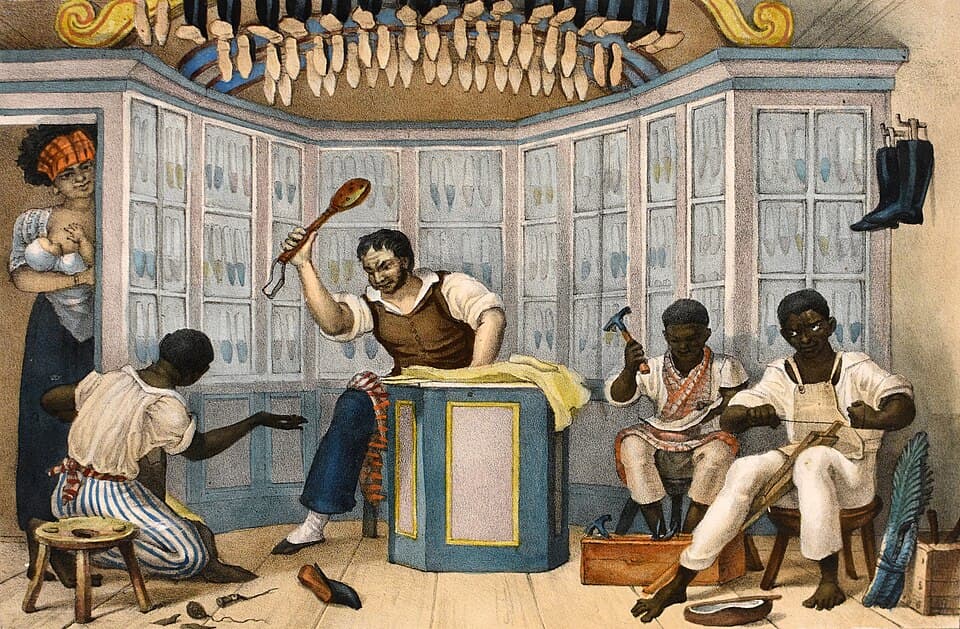
Two 5th-grade students, on a discovery trip about great ancient texts, meet an old man sitting in ashes. It is Job. He greets them with a tired smile and invites them to sit beside him.
—What was your life like before all your misfortunes?
Ah, my child, I was a blessed man. I lived in the land of Uz, a region of shepherds and dry hills. Imagine flocks stretching as far as the eye can see: sheep, goats, camels. All of that was mine. I would rise before dawn to check that the shepherds had kept the animals safe through the night. I also had ten children, ten! The house was full of laughter in the evening. People came to ask my advice, because I was respected. I believed this happy life would last forever. That's what you often think when you are happy.
When you are happy, you always think it will last forever.
—What did it smell like in the morning when you woke up?
What a lovely question! It smelled of the animals' wool, warm dust, and smoke. For every morning, I would light a small fire and burn incense, those fragrant grains offered to God. That was my way of giving thanks even before the sun rose. The goat's milk was still warm, and we made cheese from it. Barley bread came out of the oven. Picture a stone house, cool, with servants bustling about and children still asleep. That was the smell of my happiness. I did not know it would vanish.
—But why did all this happen to you, really?
That is the great question, my child, and I will answer you honestly. In my story, there is a character called the Accuser. In my language, that word means "the one who accuses." He said a terrible thing to God: "Job is only faithful because he is rich. Take everything away from him, and you will see, he will curse you." So my trials became a kind of wager on my heart. Do you understand? It was not a punishment for a fault. I had done nothing wrong. It was a question asked about me: would I remain faithful even in misfortune?
It was not a punishment. It was a question asked about my heart.
—Did you lose everything at once? Really everything?
Yes. In a single day, my child. Messengers came one after another, each announcing a disaster. My flocks destroyed. My servants killed. And then the worst: my ten children, dead together. I tore my clothes, as was done then to show grief. And do you know what I said? "Naked I came from my mother's womb, and naked I shall return." That means: I came into the world with nothing, I will leave with nothing. Everything we own is only a loan. That day, I wept, but I did not curse God.
Naked I came from my mother's womb, and naked I shall return.
—And then you also fell ill? Was it hard?
Yes, and that was the hardest. My body was covered with sores from head to foot. It burned and itched constantly. Imagine a pain that never leaves you in peace, day or night. I did not even have anything to treat myself. So I sat down on a heap of ashes, and I took a potsherd—a broken piece of an old clay pot—to scrape my skin. That is where I had fallen: the richest man in the land, sitting in the dust, scraping himself with a shard. But even then, I held on.
—Did your friends come to help you at least?
They came, yes: Eliphaz, Bildad, and Zophar. At first, they sat beside me in silence for seven days. That was good. But then they spoke, and that hurt. They said to me: "Job, if you suffer so much, you must have committed a hidden sin. Confess, repent!" Bildad even asked me: "Does God pervert justice?" For them, it was simple: you suffer because you have sinned. But I knew I was innocent. Imagine being accused of a wrong you did not do. That is it, only worse.
A friend who is silent beside you is better than a friend who accuses you.
—And what did you answer them?
I stood up to them, my child. They believed in a rule called retributive justice: the good are rewarded, the wicked are punished, always. That idea is reassuring. If you are unhappy, you must have deserved it. But I was living proof that it is not so simple! I had done nothing, yet I was suffering. So I told them: "Stop explaining my pain; you do not understand it." I wanted an answer, but not theirs. I wanted to speak to God himself and ask him: why?
A friend who is silent beside you is better than a friend who accuses you.
—And God, did he really answer you?
He answered me, yes! But not as I expected. He spoke out of the whirlwind, in the wind and clouds. And do you know what? He gave me no explanation. Instead, he asked me questions! He said: "Where were you when I created the earth? Do you know how the stars are born?" Imagine feeling tiny before the vastness of the sky. That is what I felt. I understood that I could not understand everything, that the world is bigger than my mind. And strangely, that comforted me.
The world is bigger than my mind, and that comforted me.
—Weren't you disappointed that he didn't explain why?
At first, maybe a little. I was expecting a clear answer, like when you ask "why?" to an adult. But when God spoke, I felt something else. It was not a lesson from a book; it was a presence. Do you understand? Sometimes, what we need is not an explanation, but not to be alone anymore. Scholars call this humility: accepting that you do not know everything. I stopped demanding answers. I put my hand over my mouth and was silent. And in that silence, I found peace.
The world is bigger than my mind, and that comforted me.
—How did your story end?
Well, my child, against all odds. After the ordeal, my life blossomed again. I regained flocks, more numerous than before. I had children again, and the house was filled with laughter. But I was not quite the same. Before, I was rich and thought I was in control of everything. Afterward, I was rich but knew that nothing truly belongs to me. I looked at my children as a gift, not as something owed. That is the real change: not my regained flocks, but my heart that had learned to give thanks for each day.
Nothing truly belongs to me: everything is a gift lent for a time.
—Why are you still talked about, after all this time?
Because my question, my child, is also yours. One day, you too will see a good person suffer for no reason. And you will ask: "Why? It's not fair!" That is exactly what I cried out. Since then, thousands of people have pondered my story to understand the suffering of the innocent. My book, The Book of Job, was written over two thousand years ago, but it asks a question that never grows old. I did not find the perfect answer. But I showed one thing: you can suffer, doubt, and still keep your heart upright.
You can suffer, doubt, and still keep your heart upright.
This imaginary interview was generated by artificial intelligence from sources documented in Job's profile. It dramatises what the figure might have said based on what we know about them, but does not constitute attested historical testimony. For primary sources and factual documentation, refer to the full profile.