Imaginary interview with Juana Azurduy
by Charactorium · Juana Azurduy · Military · Politics · 6 min read
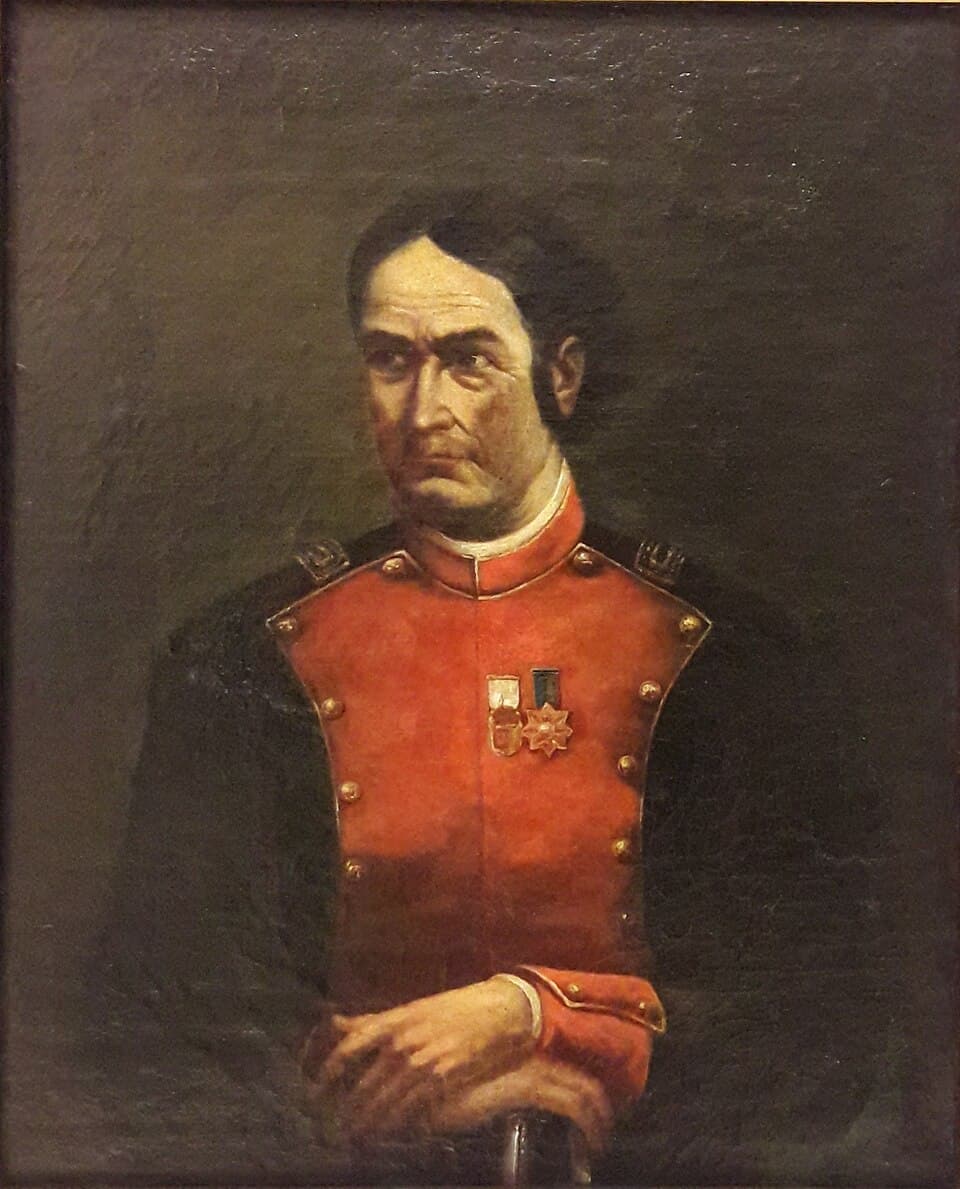
Sucre, a bare room swept by the cold wind of the high plateau. An old woman with calloused hands receives her visitor sitting near a cold hearth; her voice blends the Spanish of the Creoles with the hoarse inflections of Quechua. She was a lieutenant colonel, she will die in obscurity — but on that day, she agrees to speak.
—How did it all begin, when you joined the armed struggle in the mountains?
In 1811, with my husband Manuel Padilla, we took the path of the valleys of Tomina, where the passes close in on Spanish columns like a stone mouth. I did not raise an army of professional soldiers: I gathered men from the Quechua communities, peasants, muleteers, who came to be called the Leales, the faithful. I trained them to handle the muskets we tore from dead royalists, for we lacked everything, especially gunpowder. We were several hundred in the heights of Chuquisaca, and our strength was not numbers but knowledge of every mule path. Where a regiment saw an impassable wall, my people saw a shortcut to an ambush.
Where a regiment saw an impassable wall, my people saw a shortcut to an ambush.
—What did this war of attrition, which lasted so many years, mean to you?
Six years of bleeding the enemy drop by drop, that's what our guerrilla was — the little war, as they called it. We did not seek the great pitched battle we would have lost; we cut the roads of Chuquisaca, we starved their convoys, we made every league of terrain more costly than a victory. My days began before dawn: I inspected the sentries, checked the horses, held council with my captains, switching from one language to another depending on who was speaking to me. In the afternoon, we struck and vanished into the quebradas. General Belgrano himself wrote to Buenos Aires that we held our own against the royalists with a handful of men and demanded they send us ammunition. It rarely arrived.
—You were nicknamed 'the Pachamama of freedom.' What does that name inspire in you?
I was born a mestiza, in Toroca, to a Spanish father and a mother of this country, and I grew up between two worlds that ordinarily ignore or despise each other. That was my true weapon, more than the saber: I could speak to Creoles in their language of government and to the communities in the language of the earth. They compared me to the Pachamama, the Earth Mother worshiped by the Quechuas and Aymaras, and I did not reject it, because this struggle was not only that of gentlemen in coats against a distant king — it was that of the miners of Potosí, crushed for three centuries under the silver they extracted for a foreign crown. I wore the poncho to blend in with my people, not to disguise myself: it was to say who I belonged to.
I wore the poncho to blend in with my people, not to disguise myself.
—What did you share, in camp, with your fighters, in the evening?
In the evening, there were no more commander and soldiers, only tired people around the same fire. We shared chicha, that corn beer of the Andes, some dried llama meat, boiled potatoes, and chuño, those tubers that the night frost hardens like stone and that fed us when nothing else grew. We chewed coca to dull hunger and altitude sickness, for we sometimes camped above three thousand meters, in caves or abandoned stone houses. I told of past victories to keep morale high, and I sometimes carried one of my children on my back, in the woven aguayo, as the women of my people do. We had no roof, but we had that.
—Do you remember the battle of Pintatora, in May 1816?
How could I forget it? I was several months pregnant, and yet I charged the Spanish lines on horseback, my cavalry saber in hand. The royalist flag flew at the heart of their ranks like a challenge, and I went to take it myself — I tore it from their hands. It was not bravado: a flag that changes hands is worth a hundred men for troop morale. A few days later, I gave birth. They still tell that story in the valleys, and I let them talk, because it is true. A woman who charges with a belly heavy with life and returns with the enemy's standard, that told my people that nothing, not even the death one carries or gives, would make us bend at Pintatora.
A woman who charges with a belly heavy with life and returns with the enemy's standard.
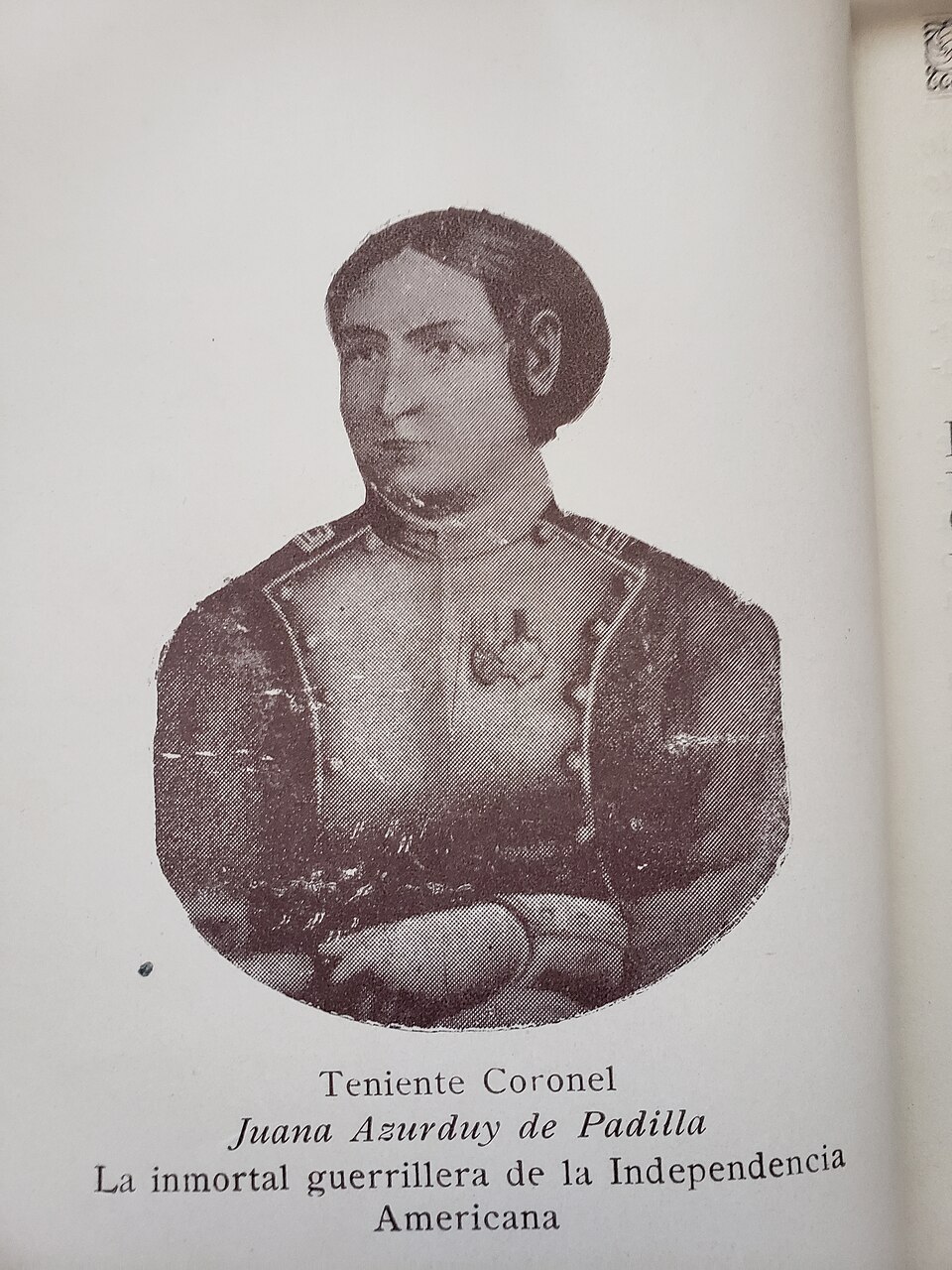
—How was a woman in arms regarded, in that time and on those lands?
As an anomaly at first; then as an obvious fact, once they had seen me hold the saddle better than many men. I was renowned for my riding — in mountain warfare, knowing how to handle a horse in the passes is worth as much as knowing how to shoot. I also handled the flintlock musket, but it was with saber and horse that I felt whole. Sometimes they called me caudilla, leader, that word reserved for charismatic men born of guerrilla warfare. I believe my fighters did not follow a woman or a man: they followed someone who went ahead of them into the fire, not behind. The rest — the conventions, the place assigned to my sex — all that stayed at the bottom of the valleys, with the people who had never heard a bullet whistle.
—The year 1816 also took your husband from you. How did you continue after that?
Manuel fell in a royalist ambush that same year, and they made a trophy of his head. They probably expected me to surrender, to go home and cry in a mud house. I no longer had a home, and I did not bend. I continued the struggle by taking my children to camp, unable to entrust them to anyone. War took them from me one after another — four out of five, carried off by fevers, hunger, the privations of endless marches. I do not say this to be pitied. I say it because that is the real price of a war of independence, the one no monument bears: children dead in caves, far from any doctor, so that others might one day call themselves free.
That is the real price of a war of independence, the one no monument bears.
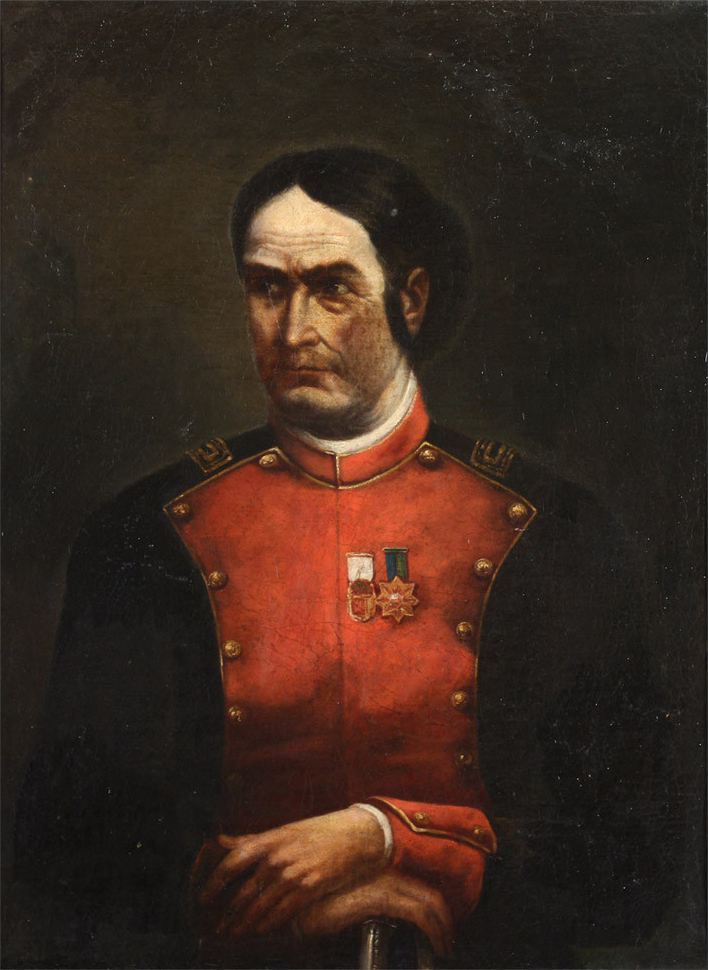
—Where did you draw the strength not to give up, when all seemed lost?
In 1817, the patriots were retreating everywhere, and I slowly fell back toward the valleys of Tarija, almost alone with the faithful who remained. The strength, I did not draw from hope of victory — there was little — but from the idea that a dead man can be killed twice if you give up what he fell for. Manuel had given his life on those roads of Chuquisaca; my children lay in that earth. Stopping would have been to bury them a second time. So I stayed in the saddle, my poncho on my shoulders, and I did what I knew how to do: harass, disappear, return. You endure much longer by obstinacy than by hope, believe me. Hope runs out; obstinacy, on the other hand, feeds even on grief.
You endure much longer by obstinacy than by hope.
—In 1825, Simón Bolívar awarded you the rank of lieutenant colonel. What did that moment mean to you?
South America had just been wrested from Spain — Ayacucho had sealed everything the year before — and Bolivia was born as a nation. The Liberator Bolívar came, and he conferred on me the rank of lieutenant colonel of the patriot army, in recognition, the decree said, of my distinguished services to the cause. Consider what that meant: a mestiza woman, a guerrilla caudilla, bearing the rank of senior officer, a very rare thing in that century. It is said that he saluted me as a soldier more valiant than himself; I cannot swear to it — great men like fine phrases. But the honor, that was real. It came after fifteen years of mountains, hunger, and graves. A little late, perhaps, for those who were no longer there to see it.
—What would you say to someone who, a century from now, might remember you?
Look around you: this bare room, this cold hearth. I was a lieutenant colonel and I will end up in a common grave, in Sucre, forgotten by the republic I helped bring into being. Nations have short memories for those who served them without asking anything. If I could imagine being read a hundred years from now, I would ask for neither a statue nor a banknote with my likeness — leave that to the living who need it. I would only ask that they not forget the Leales, those men of the communities who died nameless in the quebradas, nor my children buried along the way. The glory of one is always made of the silence of a thousand. Remember them, and I will be honored enough.
The glory of one is always made of the silence of a thousand.
This imaginary interview was generated by artificial intelligence from sources documented in Juana Azurduy's profile. It dramatises what the figure might have said based on what we know about them, but does not constitute attested historical testimony. For primary sources and factual documentation, refer to the full profile.