Kids interview Juana Azurduy
by Charactorium · Juana Azurduy · Military · Politics · 5 min read
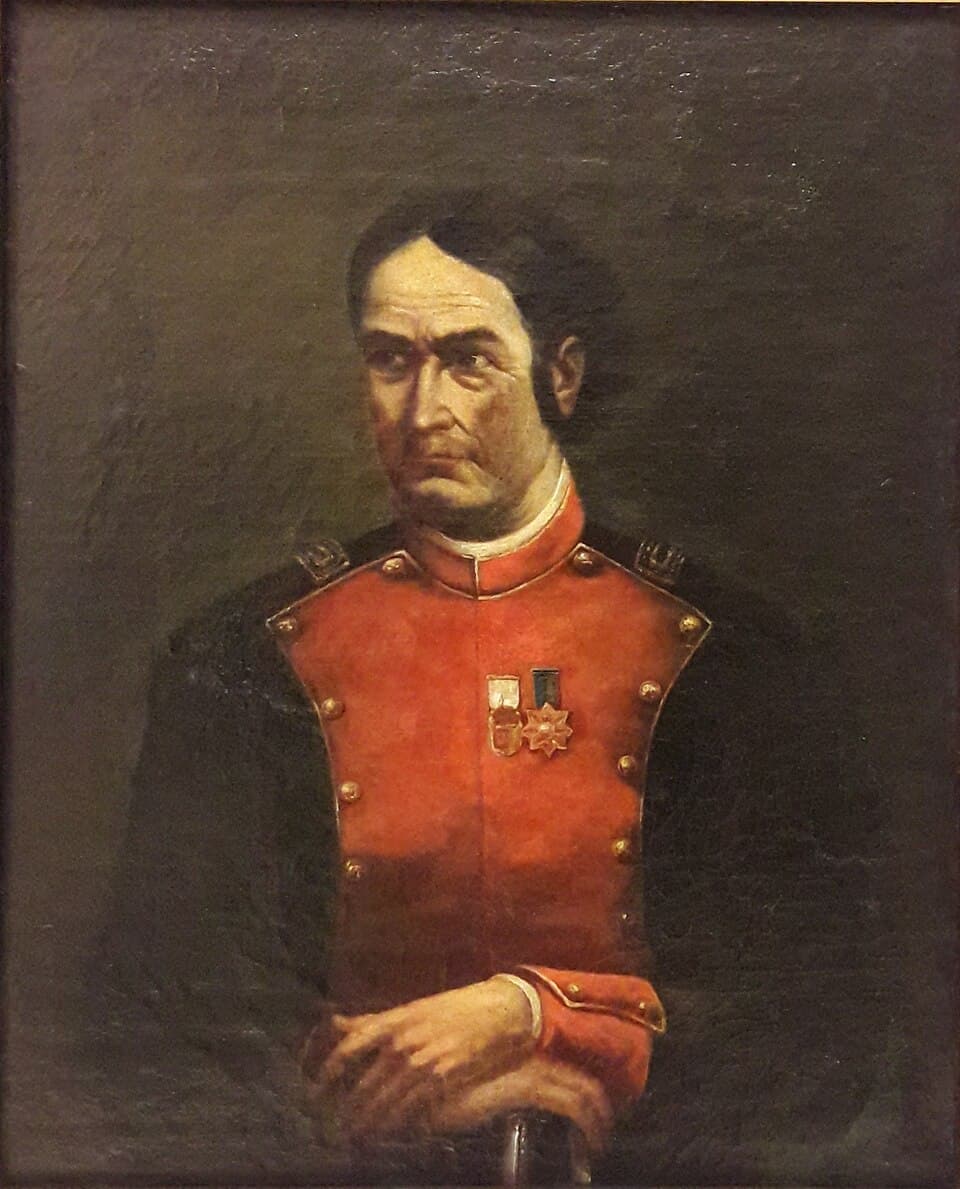
Two young visitors, come with their school trip, sit down facing an old lady with bright eyes, wrapped in a colorful poncho. She smiles: few children come to listen to her. She has so many things to tell them about the mountains of Upper Peru.
—Hello! They say you spoke two languages. What was it like at home?
Hello, my child. Yes, I was born in 1780 in a small village, Toroca, in the middle of the mountains. There, you lived between two worlds. In the morning, I spoke the Spanish of the colonists; in the evening, the Quechua of the indigenous communities. Imagine a house of mud brick, a fire in the center, almost no furniture. My mother chewed coca leaves against fatigue, and we drank chicha, a fermented corn drink. I was mestiza: half Spanish, half Amerindian. You know, that mixture was not a weakness. It became my strength: I could speak to the heart of both peoples.
Living between two worlds was not a weakness: it became my strength.
—You really commanded soldiers? A woman? How did that work?
Yes, and it surprised everyone! Starting in 1811, with my husband, I gathered hundreds of Quechua fighters. They were called the Leales, the 'faithful ones.' Imagine men in ponchos, on horseback, who knew every trail in the mountain. In the morning, I got up before sunrise: I inspected the guards, checked the horses, held council with my captains. We waged guerrilla — a Spanish word meaning 'little war.' You don't fight face to face; you appear, you strike, you disappear into the passes. That's how a handful of people could stand up to an entire army.
Guerrilla warfare is appearing, striking, then disappearing into the mountain.
—And why couldn't the Spaniards catch you?
Ah, good question! Because the mountain was my ally. For six years, in the Andean valleys, I cut the roads where their supplies passed. Imagine Spanish soldiers, heavy, loaded, climbing a narrow mule path. Above, hidden in the rocks, my men waited. We would appear, take the ammunition, and flee. Little by little, holding that region cost them dearly. Even the Spanish general Rondeau wrote it: our guerrillas made all supply impossible. You see, we weren't the strongest. But we were at home, and that changes everything.
We weren't the strongest, but we were at home.
—They say you captured a flag while pregnant? Is that true?
It's true, my child, as crazy as it sounds. It was in May 1816, at Pintatora. I was expecting a child for several months. But when the battle began, I couldn't stay behind. I spurred my horse straight into the enemy lines. Imagine the noise, the dust, the cries. I tore the Spanish flag from their hands with my own. That day, we won. And a few days later, my baby was born. The patriot command officially congratulated me. A flag taken from the enemy, you know, it's not just cloth: it's courage that passes back into the camp in one blow.
A flag taken from the enemy is not just cloth: it's courage that returns.
—Weren't you afraid in all those battles?
Of course I was! Whoever tells you they are never afraid is lying. But fear, you can rein it in like a horse. I carried a cavalry sabre, a rare weapon for a woman of my time, and I used it myself. Before charging, my heart beat hard. So I thought of my people, of burned villages, of starving children. Imagine seeing your home threatened: suddenly, fear gives way to anger. And then, on horseback, everything goes fast. You no longer have time to tremble. You act, or you fall.
Fear, you can rein it in, like a horse.
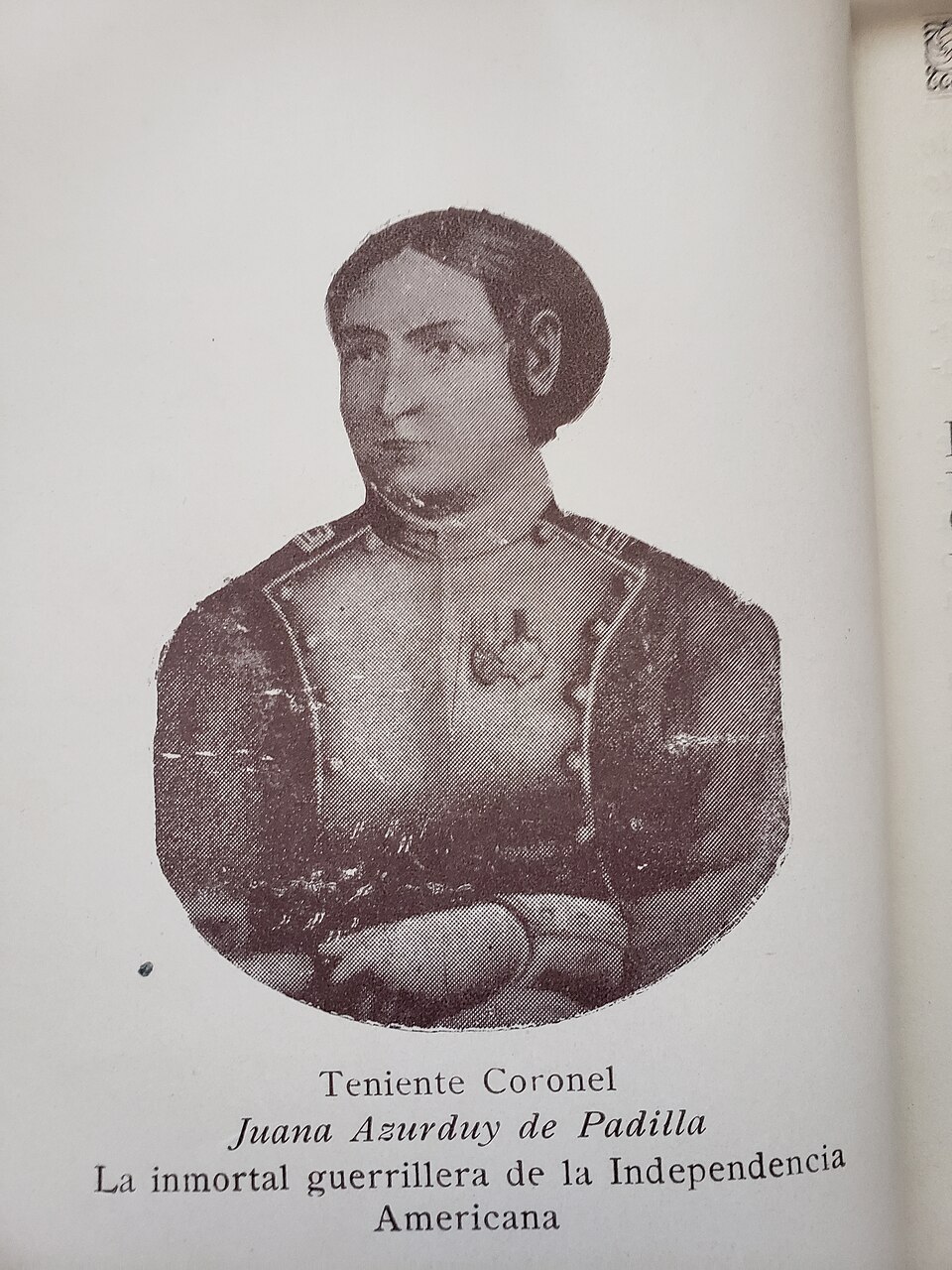
—Is it true your husband died in the war? What did you do after?
Yes... That is the deepest wound. In 1816, my husband Manuel Padilla fell in an ambush, and then the royalists executed him. I could have surrendered, stopped everything. But I didn't. I continued the fight, with our children whom I sometimes took to camp. Imagine that: raising little ones amidst horses and weapons. War, hunger, disease took four out of five from me. I won't hide this pain from you, my child, because it is real. Continuing despite everything was not madness. It was a way to keep Manuel alive.
Continuing despite everything was a way to keep my loved ones alive.
—How do you not give up when you've lost everything?
You know, there's no magic secret. You move forward one day at a time. In the mountains of the Padilla Valley, we slept in caves, abandoned stone houses. In the evening, we shared a little corn, chuño — potatoes dried by frost — and llama meat. I told our past victories to keep up morale. Imagine a fire, tired faces, and a voice saying: 'tomorrow, we start again.' That's not giving up. It's not being without tears. It's getting up every morning, even with red eyes.
Not giving up is not being without tears; it's getting up every morning.
—They called you 'the Pachamama of liberty.' What does that mean?
Ah, that nickname still touches me. The Pachamama, in the Andes, is the Earth Mother, the goddess who nourishes everything. The Quechua and Aymara peoples have venerated her forever. By calling me that, my fighters said that my struggle was that of the earth itself. I wore their poncho, I chewed their coca, I spoke their language. I was not a distant lady from the city. I was one of them. Imagine a mother protecting her children: that's the image they had of me. And for a fighter, my child, to be loved like that is worth more than all the ranks in the world.
To be loved like a mother is worth more than all the ranks in the world.
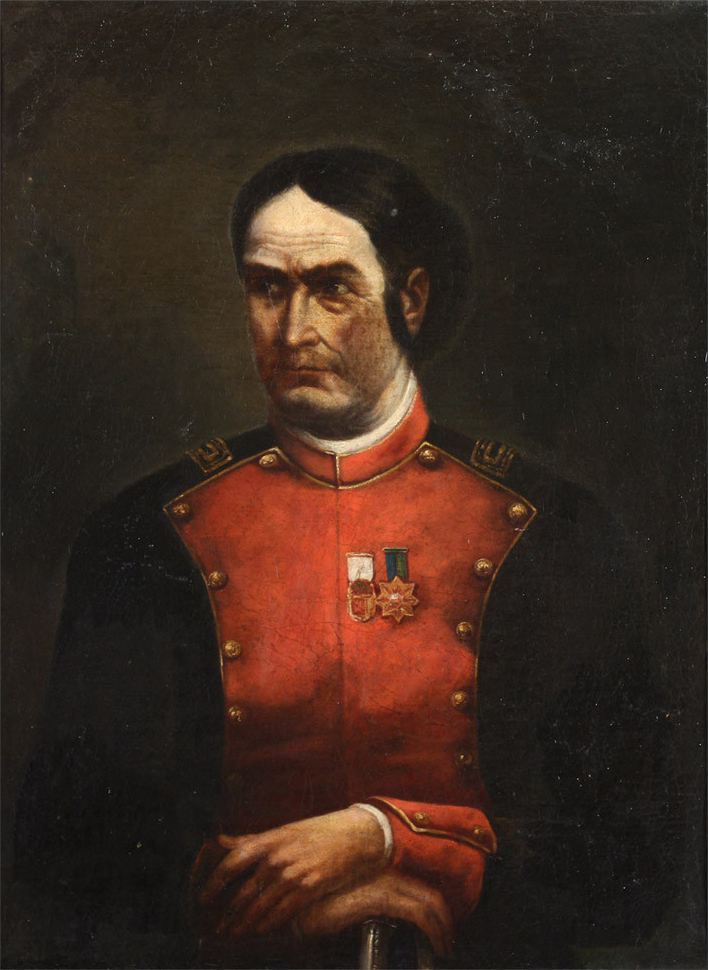
—Is it true that the great Bolívar gave you a soldier's rank?
Yes! And I remember it like a dream. In 1825, when Bolivia finally became free, the great liberator Simón Bolívar appointed me lieutenant colonel. That is a senior officer rank, just below colonel. Do you know how many women received it in my time? Almost none. An official decree wrote it in black and white: this rank rewarded my services to independence. They even say that Bolívar told me I was a more valiant soldier than he. True or embellished, it doesn't matter. Imagine what it feels like, for a girl from the mountains, to be saluted by the greatest of all.
A girl from the mountains, saluted by the greatest of liberators.
—And after all that, did your life end well? Were you famous?
No, my child. And that is something I want you to know. After the honors, I was forgotten. I grew old in Sucre, the former Chuquisaca, in great poverty. When I died in 1862, at 82, I was buried in a common grave, without a name, like an unknown person. Imagine that: she who had taken a flag from the enemy, ending up without even a stone. It was only much later that Bolivia and Argentina put my face on monuments and banknotes. The world quickly forgets those who served it. But you, by listening to me today, you bring me back to life a little.
The world quickly forgets those who served it; but we can remind it.
—What would you like us children to remember about you?
What a beautiful question to finish. First, don't remember the battles or the sabre. Remember this: I was told a thousand times that a woman, a mestiza, a girl from the mountains could command nothing. I proved the opposite, in the Andean valleys, for fifteen years. You too will carry 'you cannot' burdens. Imagine them as heavy Spanish columns on a narrow path. You don't need to be the strongest. You need to know your terrain, and not let go. Courage, my child, is not the absence of fear: it is moving forward anyway.
I was told a thousand times 'you cannot.' I proved the opposite.
This imaginary interview was generated by artificial intelligence from sources documented in Juana Azurduy's profile. It dramatises what the figure might have said based on what we know about them, but does not constitute attested historical testimony. For primary sources and factual documentation, refer to the full profile.