Kids interview Kösem Sultan
by Charactorium · Kösem Sultan (1589 — 1651) · Politics · Society · 5 min read
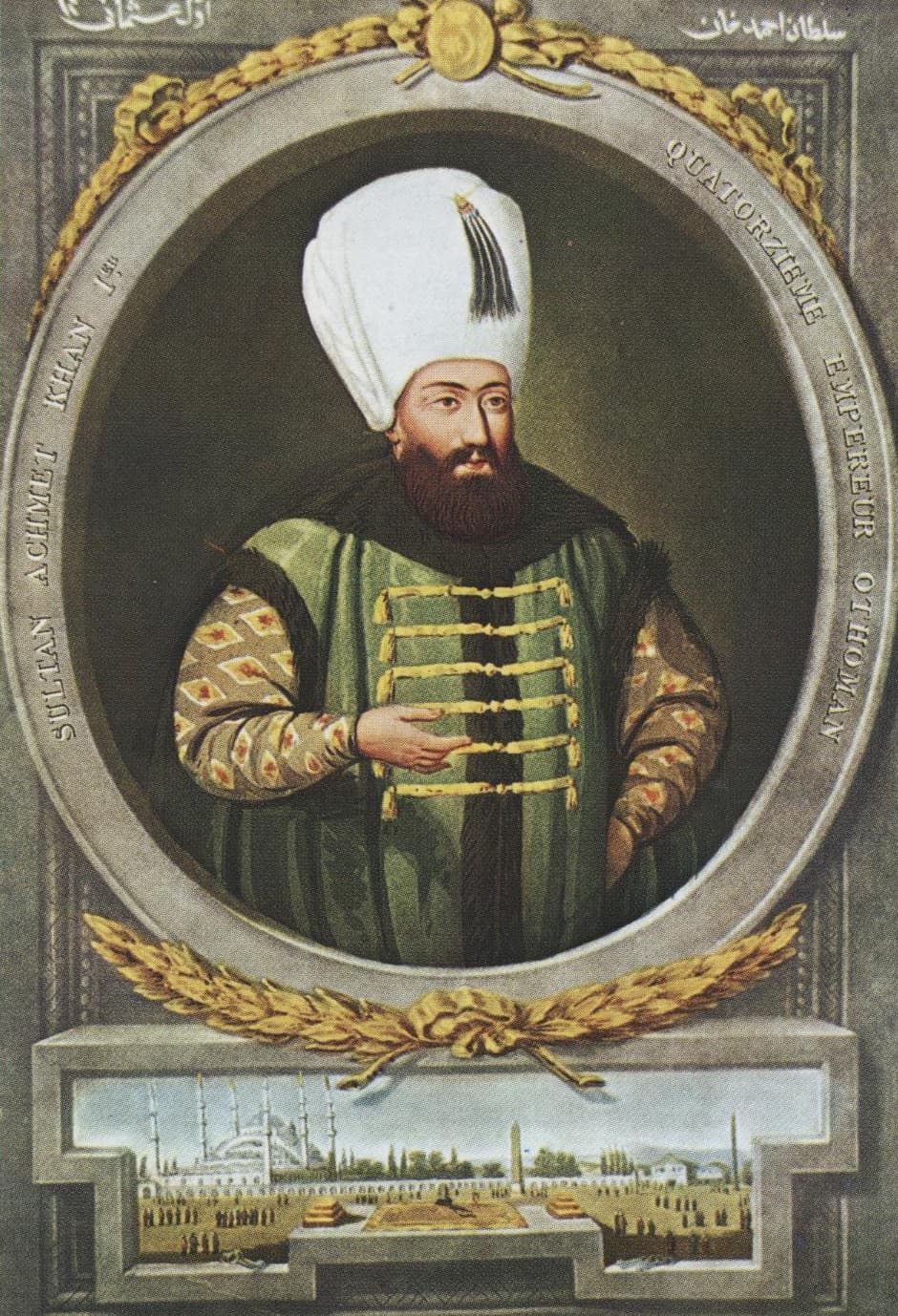
Two twelve-year-old visitors pass through the gates of Topkapi Palace during a school trip. In a room covered with blue tiles, an old lady in a silk caftan awaits them. This is Kösem Sultan, and she has a thousand stories to tell them.
—What was your childhood like, before you arrived here at the palace?
Ah, my child, I was not called Kösem at first. My name was Anastasia. I was born around 1589, probably on a small Greek island in the Aegean Sea, the island of Tinos. Imagine a place with olive trees, the sea everywhere, and the sound of waves. And then one day, everything changed: I was captured, sold as a slave. I was a child, just like you. They took me far away, to Istanbul, into the sultan's harem. It was frightening, you know. But I learned to watch, to listen, to understand people. That is what saved me.
I learned to watch, to listen, to understand people. That is what saved me.
—Why were you called Kösem? What does it mean?
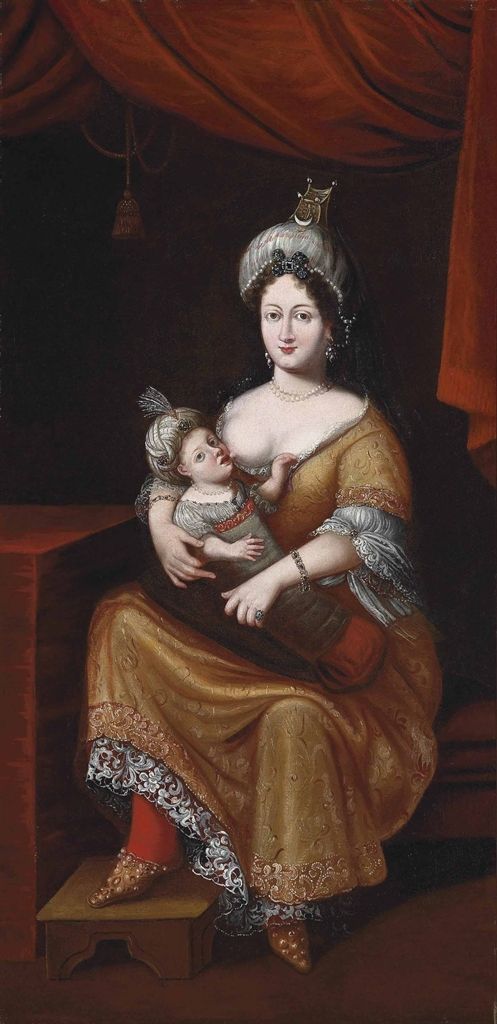
It was Sultan Ahmed I who gave me that name. He noticed me very quickly in the harem — the harem is the women's quarters of the palace. Kösem, in our language, means 'guide of the flock.' The ram that walks ahead and that all the others follow. Pretty, isn't it? But you'll laugh: he probably thought I was gentle as a ewe. In truth, the name said something else. I was truly going to become the one who walks ahead. I bore him several children, including Murad and Ibrahim, who would one day rule the Empire.
“Kösem” means guide of the flock: she who walks ahead.
—But if you were locked in the harem, how did you govern?
Good question! A woman could not enter the Divan — that's the great council where ministers decide everything. So I found another way. In the morning, after prayer, trusted men came to give me reports. They were called eunuchs: they could move between the harem and the rest of the palace. I listened to them, I reflected, then I gave my orders to the grand vizier through them. Imagine running an entire kingdom without ever leaving your room, just by sending messengers. That was my way of governing.
I ruled an empire without ever leaving my room, through the mouths of my messengers.
—How many times were you actually the boss?
Three times, my child! It was called being regent: governing in place of a king too young. The first time, in 1623, for my son Murad IV — he was only eleven, barely older than you. Then for my other son, Ibrahim I, in 1640. And finally, in 1648, for my grandson Mehmed IV, who was seven years old! Can you imagine? A tiny little boy on the throne, and his grandmother convening the council, receiving ambassadors, and signing decrees. I was then called the Valide Sultan — the sultan mother. More than thirty years at the helm.
Three times regent, more than thirty years at the helm of the Empire.
—Were you afraid of the soldiers? Were they dangerous?
Oh yes, very dangerous, and I was right to be cautious. They were called the janissaries: elite soldiers, formidable. The problem was, they could overthrow a sultan whenever they pleased. Listen to this terrible story: in 1621, they assassinated the young Sultan Osman II. And in 1648, they brought down my own son Ibrahim. So I understood one thing. A leader who fears his army must make it a friend. I made sure they received their pay on time, I offered them gifts. You don't pet a lion, but you feed it well so it doesn't devour you.
You don't pet a lion, but you feed it well so it doesn't devour you.
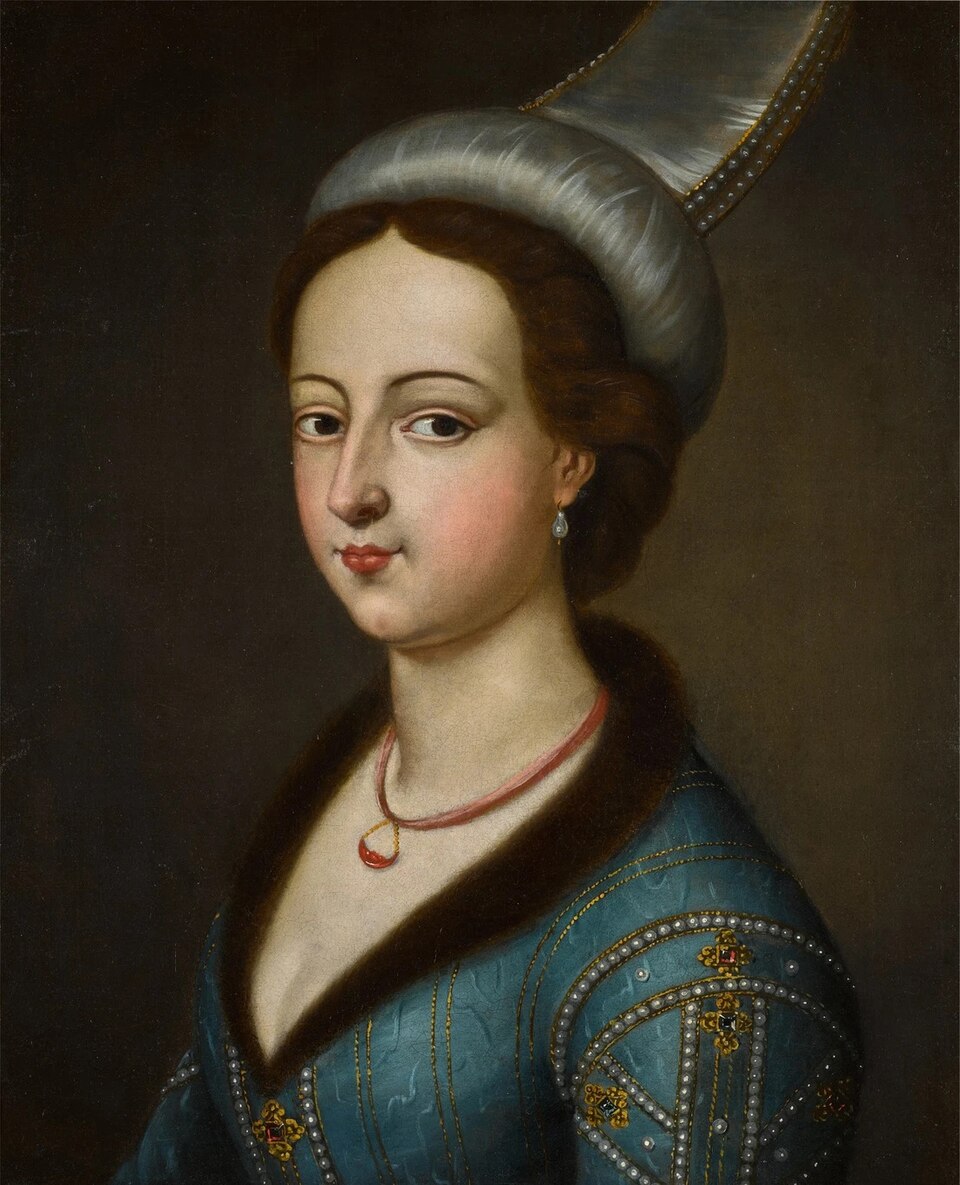
—Did you give them money so they would be nice?
Not to be nice, my child — to be loyal! That's not the same. I had imperial decrees drawn up, called firmans, with the sultan's seal on them. In one of them, I demanded that the janissaries receive their pay 'without delay,' and that the money from the provinces reach the treasury without a single asper disappearing along the way. You see, a poorly paid soldier is a grumbling soldier, and a grumbling soldier can betray you. By paying them well, I won over their commanders. That's how I held on so long against armed men.
A poorly paid soldier is a grumbling soldier — and a betraying one.
—Is it true that you gave money to poor people?
It is absolutely true, and I am proud of it. I always kept near me purses filled with gold coins. Whenever I encountered misery, I gave. A traveler of my time, Evliya Çelebi, even wrote that I ransomed the freedom of indebted prisoners — those who were in jail simply because they could not repay their debt. Imagine a poor father of a family, locked up for a few coins he didn't have. I paid, and he went home. Every year, I distributed considerable alms to the poor of Istanbul. It wasn't just kindness: a people you feed is a people that loves you.
A people you feed is a people that loves you.
—Did you build things that can still be seen today?
Yes! Go to the Asian shore of Istanbul, in the district of Üsküdar. Around 1640, I had the Çinili Mosque built there. It's called 'the tiled mosque' because its walls are covered with magnificent blue and white ceramic tiles, like a garden of painted flowers. Around it, there was a school and a public bath. This kind of complex was called a külliye. And I created dozens of foundations, vakıfs, to finance mosques, fountains, and kitchens that fed the poor throughout the Empire. A stone that shelters a prayer or a meal outlives you by centuries.
A stone that shelters a prayer or a meal outlives you by centuries.
—Did you really talk with leaders of foreign countries?
Yes, and that was very rare for a woman in my time! I corresponded in secret with the ambassadors of Venice, called the bailos. We negotiated prisoner exchanges, discussed peace and trade. One of them, Alvise Contarini, wrote about me in 1641 — he said that I governed the affairs of the kingdom with a skill that few princes could exercise. Can you believe it? A European diplomat acknowledging that a woman ruled an empire! I never lowered my eyes before them. I spoke to them as an equal, state to state. It always surprised them.
I spoke to diplomats as an equal, state to state.
—How does your story end? Were you sad at the end?
Ah, my child... my end was as dark as my life was high. When my grandson Mehmed IV ascended the throne, his own mother, Turhan Hatice Sultan, wanted power for herself alone. Another woman, my rival. On the night of September 2, 1651, her supporters entered my apartments at Topkapi Palace, and they strangled me. Sad? No. Look at what I lived through: a little slave who became the most powerful woman in the Empire, at a time when nothing was expected of women. Remember this: it's not where you start that matters, but how far you go.
It's not where you start that matters, but how far you go.
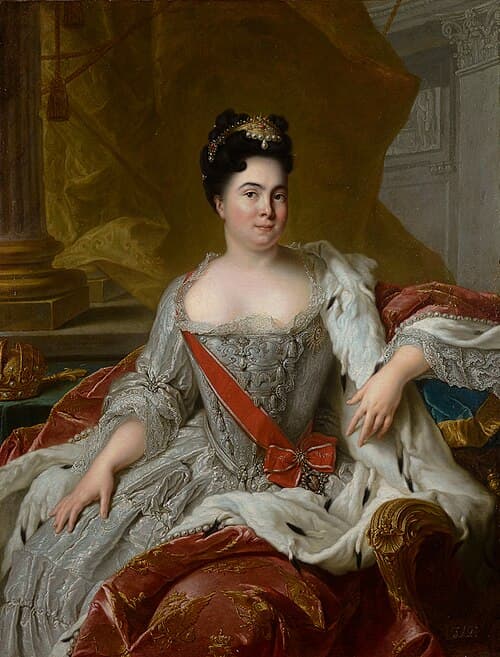
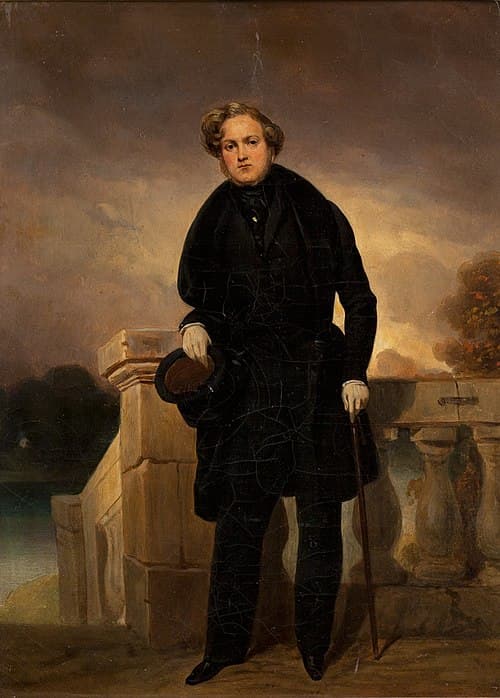
This imaginary interview was generated by artificial intelligence from sources documented in Kösem Sultan's profile. It dramatises what the figure might have said based on what we know about them, but does not constitute attested historical testimony. For primary sources and factual documentation, refer to the full profile.