Imaginary interview with Kösem Sultan
by Charactorium · Kösem Sultan (1589 — 1651) · Politics · Society · 5 min read
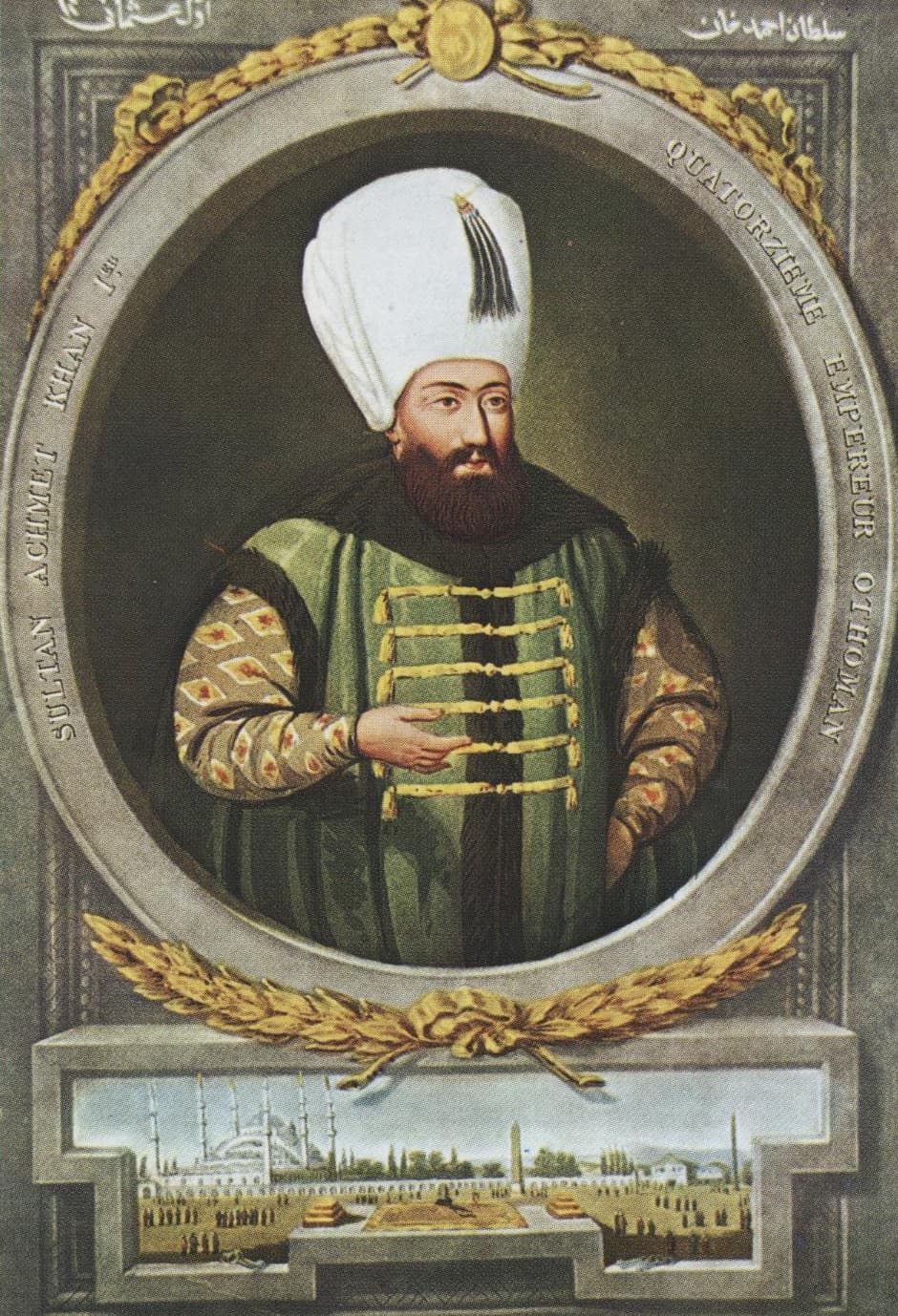
Night in the Topkapi harem, an oil lamp trembles on the Iznik tiles. A woman veiled in dark silk receives guests in her quarters, between two still-damp firmans. She is called the Valide Sultan; she agrees, just once, to speak with an unguarded voice.
—Do you remember the child you were before entering this palace?
I was called Anastasia, then. I was born in the salty wind of a Greek island, Tinos, where boats returned laden with fish and psalms. Then came the men with ships, the rope, the slave market — and a little Christian girl disappeared like a snuffed candle. When I was presented to Ahmed I, I had learned to show neither fear nor tears. He named me Kösem, she who guides the flock, and I understood that day that my name was no longer a memory but a prophecy. I buried Anastasia under the caftans of the favorite. One does not come back from so far without becoming someone else.
I buried Anastasia under the caftans of the favorite; one does not come back from so far without becoming someone else.
—How does a woman of the harem manage to survive the Ottoman successions?
By counting. Always counting. Upon Ahmed's death in 1617, I was set aside, my sons with me, and I saw Mustafa the deranged pass by, then young Osman, whom the janissaries strangled in 1621. I learned there what no school teaches: in this house, a minor prince is worth more than a skilled prince, because a child needs a mother. I waited. Six years in the shadow of the kafes, that cage where brothers are now confined rather than killed. When Murad ascended the throne in 1623, he was eleven — and I, at last, had my place in affairs. Patience, in our world, is not a saintly virtue. It is a weapon.
—It is said you governed without ever sitting on the Divan. How do you govern what you do not see?
A woman does not enter the Imperial Divan chamber — so be it. But the decree, it enters in my place. Every morning, after the fajr prayer, the black eunuchs brought me the reports, and left with their pockets full of my instructions for the grand vizier. I did not sign with my name: I had the tughra affixed, that monogram which turns a will into law throughout the Empire. The chronicler Naîmâ wrote that the Valide convened the council, received ambassadors, and sealed firmans — he did not lie. The sultan wore the crown; I held the pen. And believe me, in this palace, the pen weighs heavier than the gold of the turban.
The sultan wore the crown; I held the pen.
—Why accept the burden of regent three times, when it exposed you so much?
Because three times the throne tottered under a child, and I was the only one who did not tremble. Murad IV first, then Ibrahim in 1640, then my grandson Mehmed IV at age seven, in 1648. To refuse would have been to hand the Empire over to the factions that had been devouring it since Osman's murder. I received the dignitaries' wives in the afternoon, I supervised the princes' education in the evening, and in between I kept upright a state that far more powerful men had nearly overturned. They reproached me for my ambition. But tell me: when the boat is taking on water and the captain is ten years old, should one refuse the oar out of modesty?
—You spoke of the janissaries. What kind of alliance can one forge with those very men who kill sultans?
An alliance paid every quarter, in hard cash. The Yeniçeri strangled Osman II, they deposed and killed my own son Ibrahim in 1648 — I had no illusions about their loyalty. But a firman from my hand ordered that their salaries be paid without any delay, and that no provincial revenue go astray. A fed janissary is a caged lion; a hungry janissary is a fire. Naîmâ noted that I had managed to bind their chiefs through my largesse — it is true, and I do not blush at it. One does not tame a soldiery with sermons. One tames it with an open purse and a hand that never trembles when closing it.
A fed janissary is a caged lion; a hungry janissary is a fire.
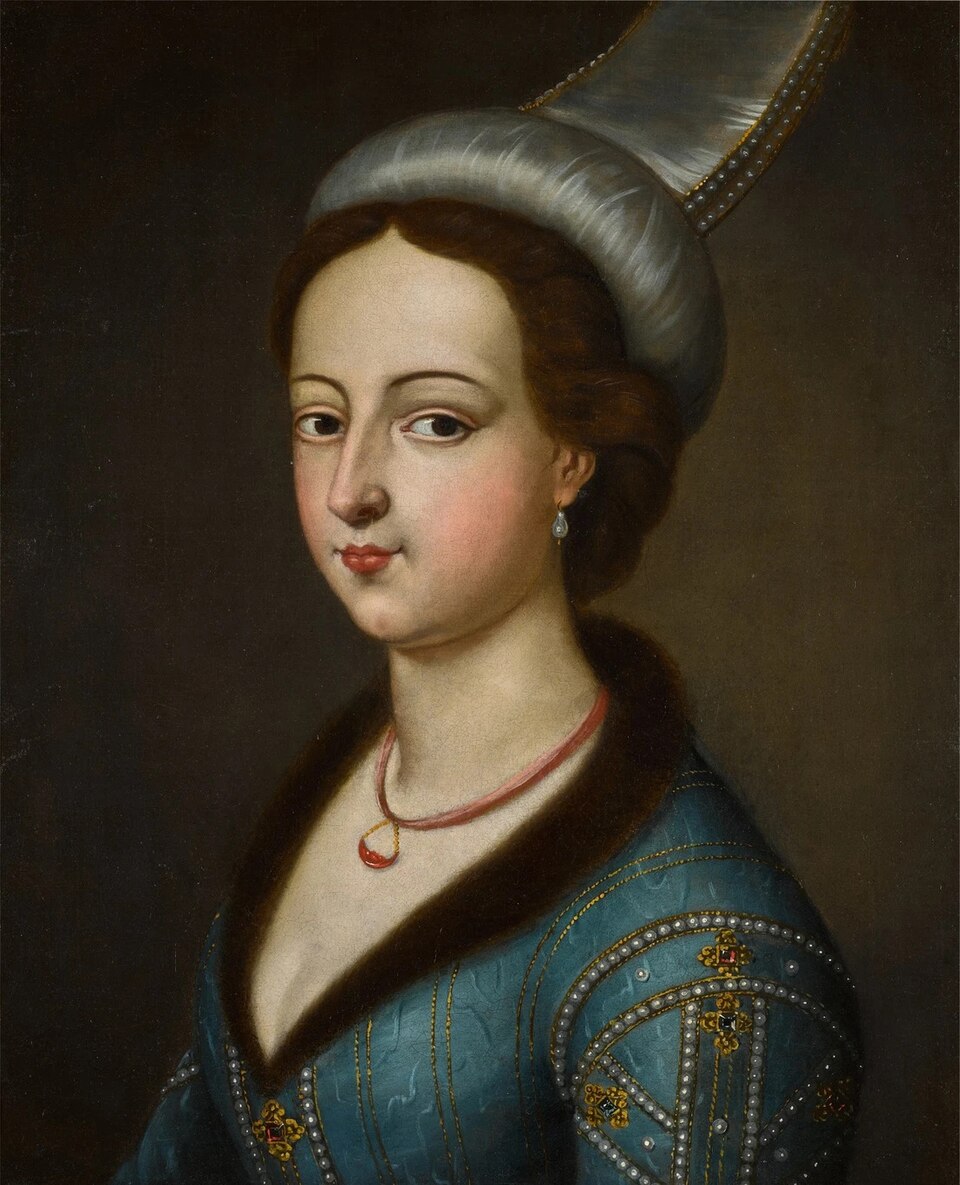
—Were you not afraid that, by feeding this beast, it would eventually turn on you?
I knew it from the first day. He who lives by the janissaries may die by them — I had seen too many bodies carried out of this Topkapi Palace to ignore it. But fear does not govern; it paralyzes. So I made the only calculation possible: keep them closer to me than to my rivals, year after year, until my largesse became a habit and the habit, a loyalty. It held for nearly thirty years. What broke the thread, in the end, was not they — it was another woman, in another room of the harem. But that, allow me to keep for later.
—Your alms were famous throughout Istanbul. Was it piety, or strategy?
Why must one choose? Before God, I gave; before the people, I reigned. I had built around 1640 my mosque of tilework, the Çinili of Üsküdar, with its medrese and its hammam — an entire külliye for the soul of a neighborhood. My vakıfs fed the imarets, made the fountains flow, opened schools to the ends of the Empire. The traveler Evliya Çelebi recounted that I ransomed the freedom of indebted prisoners who could not free themselves — it was true, I always kept full purses for that. A sovereign whom the people bless sleeps better than a sovereign whom the people fear. My charity was a prayer; it was also my strongest rampart.
Before God, I gave; before the people, I reigned.
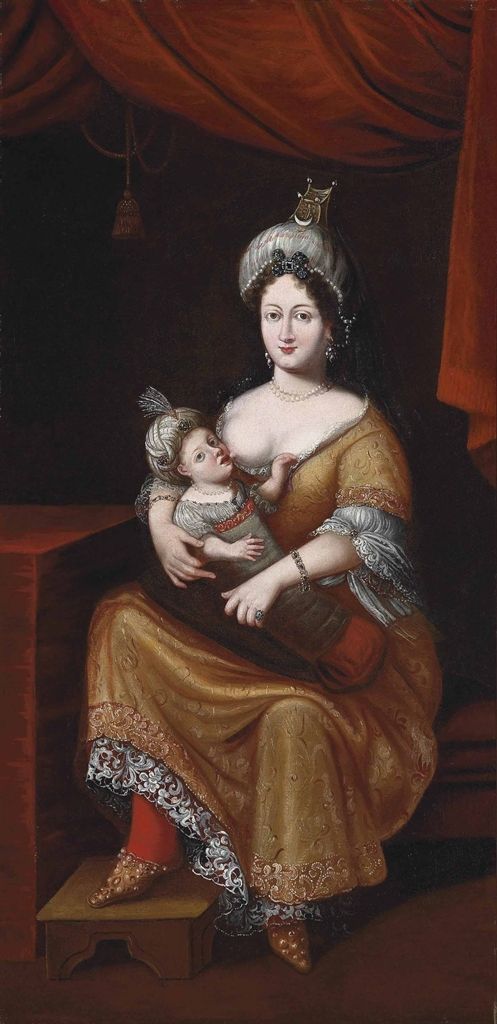
—What did that gesture of freeing a man from his debt mean to you?
Remember where I come from. I, too, was once merchandise sold on a quay. When I had the debtors' prisons opened, when I laid down the gold coins that returned a father to his children, I believe I redeemed a little of the little captive of Tinos whom no one had come to free. The poor of Istanbul called me their benefactress, and that name was worth more to me than the title of Valide Sultan. The powerful forget quickly; the grateful belly, never. I built my legitimacy not on Ottoman blood — which I did not have — but on the bread I distributed. It was my way of being born twice.
—You received the ambassadors of Venice. How does a woman of the harem deal as an equal with these Western diplomats?
By knowing their affairs better than they did. The Venetian bailos wrote to me in secret, and we negotiated exchanges of captives like two merchants weighing pearls. Ambassador Alvise Contarini reported in 1641 that I conducted the negotiations without the sultan truly taking part — he seemed almost scandalized, the dear man. What was so strange? I knew the price of things, the cracks in their alliances, the value of a prisoner returned in time. That I was a woman, and from a harem, disconcerted them more than my terms. All the better: a disconcerted opponent yields faster. I have always thought it better to astonish than to please.
I have always thought it better to astonish than to please.
—If you could imagine being read in a century or two, how would you like to be remembered?
That is a dreamer's question, and I will answer it as a dreamer. I fear that only the end will be remembered — that night of 1651 when the people of my rival Turhan came to fetch me from my quarters. People love falls; they make good stories. But I would like them to remember also the thirty years when a tottering Empire stood upright because a former Greek slave refused to let it fall. Let them reread Naîmâ, listen to Evliya Çelebi, count the fountains that still flow. And if only one thing is to be kept: that a woman, in a world built to exclude her, governed by the sole force of her intelligence. The rest, I leave to God and to the chroniclers.
A tottering Empire stood upright because a former Greek slave refused to let it fall.
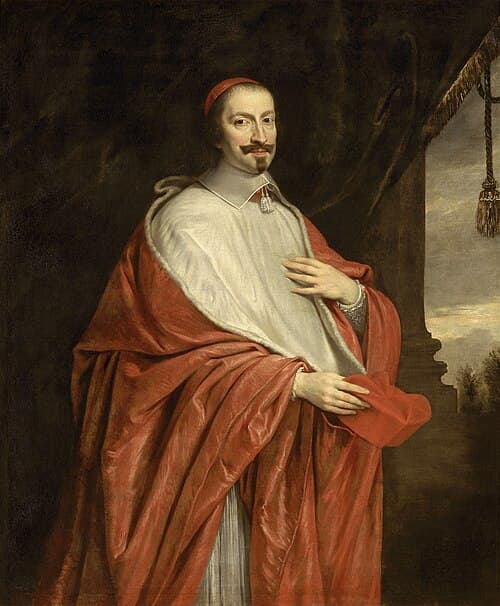
This imaginary interview was generated by artificial intelligence from sources documented in Kösem Sultan's profile. It dramatises what the figure might have said based on what we know about them, but does not constitute attested historical testimony. For primary sources and factual documentation, refer to the full profile.