Imaginary interview with Nizam al-Mulk
by Charactorium · Nizam al-Mulk (1018 — 1092) · Politics · Spirituality · Literature · 5 min read

We are in Isfahan, one autumn evening in the year 1091. In a reception hall near the palace of Malik Shah, amid stacked registers and the smell of ink from the diwan, an old man with a neat turban dismisses his secretaries. The grand vizier of the Seljuk Empire agrees, for the duration of an evening vigil, to answer our questions.
—How did a son of Khorasan become the most powerful man in the Empire after the sultan?
People think I was born a vizier, wearing the dignitary's turban from the cradle. The truth is slower. I was born in Tus, in Khorasan, that land from which so many scholars and scribes come, and my father was merely a tax collector in the service of petty governors. I carried the calamus before I carried the seal: I learned registers, provinces, men, climbing one by one the steps of administration. When Alp Arslan girded on power in 1063 and entrusted me with the vizierate, I brought not the favor of birth, but thirty years of read dispatches and verified accounts. An empire is not held by the minister's blood, but by his patience.
I carried the calamus before I carried the seal.
—What do your mornings as grand vizier look like?
My day begins with the dawn prayer, then the messengers. Before the sun has cleared the walls of Isfahan, the chancellery — the diwan — fills with dispatches from the farthest provinces. I dictate, I reply, I have the tax registers opened, those defter where are recorded the tax, the lands, and the soldiers' pay. For therein lies the secret: the system of iqta, those revenue grants an officer receives in return for his service, is only worth as much as every figure is kept up to date. A discontented emir, a poorly accounted province, and the Empire cracks. The vizier's seal, the khatam, which I affix at the bottom of an order, is nothing other than the sultan's memory made visible.
—Why did you devote so many resources to building schools throughout the Empire?
What I am most proud of is neither a battle nor a treaty, but stone houses full of young people. From 1067, I had built in the great cities — Baghdad, Nishapur — a network of schools, the Nizamiyya. Think: a peasant's son without a dirham can enter, sleep there, eat there, receive a scholarship, and have as his only debt to study the Quran, law, and theology. Nowhere had one thus combined lodging, the master's upkeep, and student instruction. I wanted Sunni knowledge to have walls, salaries, durability — not the fragility of a circle that dissolves upon the sheikh's death.
I wanted Sunni knowledge to have walls, salaries, durability.
—They say the greatest minds of your century taught in your madrasas. How did you attract them?
A master does not build a school for its walls, but for the voice that resounds there. At the Nizamiyya of Baghdad, I summoned the sharpest minds of the time, and among them that young theologian from Khorasan, al-Ghazali, whose subtlety in controversy left the most seasoned doctors speechless. To attract him, house him, give him a chair, was to arm Sunnism not with lances but with arguments. Against Isma'ilism, which seduces with its secrets and promises, I know no better fortress than a man who can reason. A madrasa without such a master is but a caravanserai; with him, it becomes the beating heart of the community.
—What do you answer to those who see you only as a man of taxes and registers?
A sovereign must protect two things: faith and time. Faith, by supporting Sunni orthodoxy and the Shafi'i school against the pretensions of the Isma'ilis; time, by measuring it justly. That is why, in 1079, I encouraged at court the work of astronomers, and especially that of Omar Khayyam, that poet who knew the stars better than anyone. From their calculations was born a solar calendar of a precision that centuries will envy me. They call me a man of accounts and defter; but what is an empire worth that cannot pray at the right moment nor sow in the right season? To govern is also to align men with the heavens.
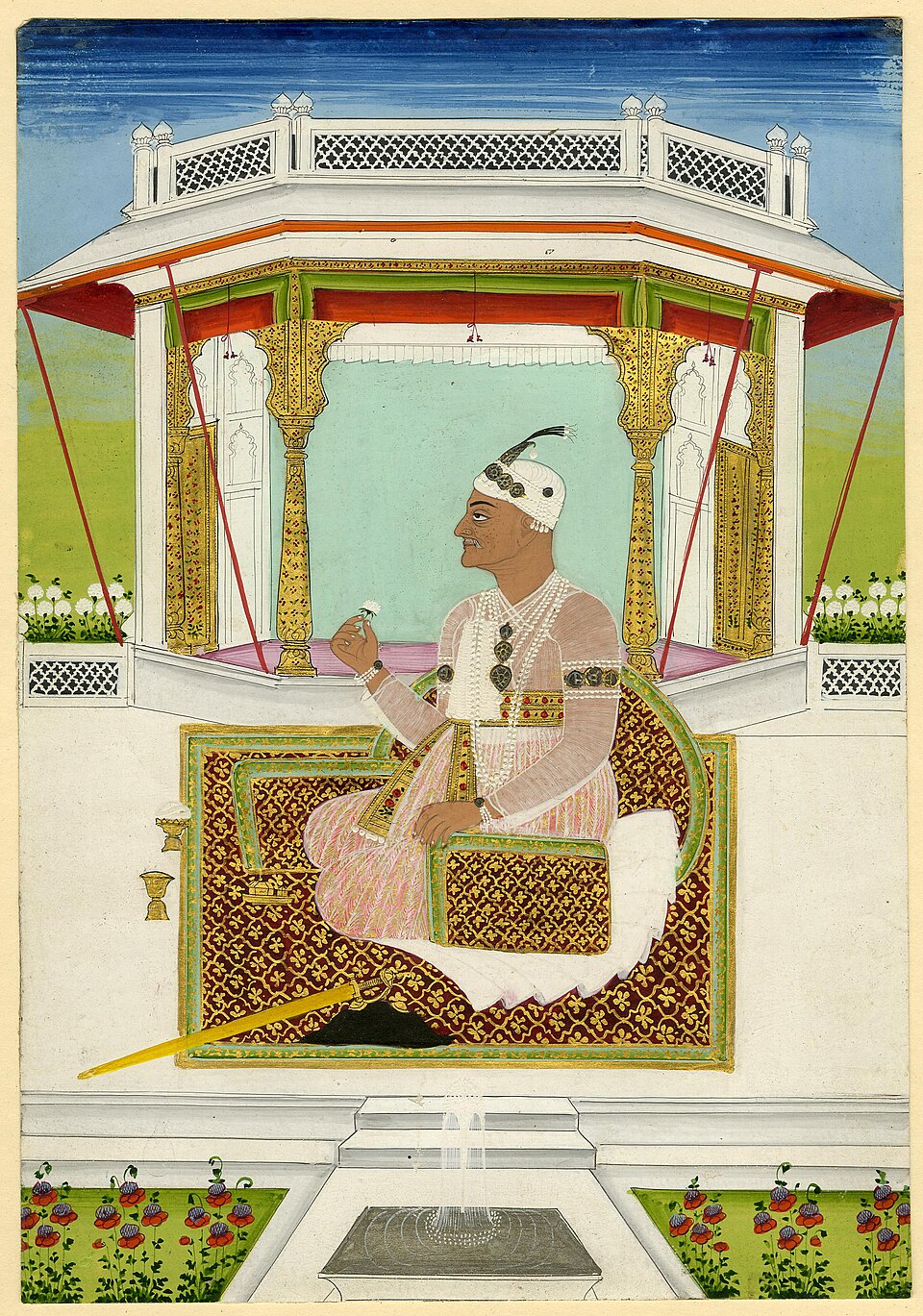
—What balance unites the caliph of Baghdad and the Seljuk sultan you serve?
You must understand the edifice. The caliph of Baghdad, successor of the Prophet, holds the spiritual authority of the Sunnis; the sultan holds the sword. Since Toghrul Beg entered the city in 1055 and received from the caliph the title of protector of Islam, our Turkish dynasty has held its power from this alliance: we defend the Abbasid caliphate, it confers legitimacy upon us. My role as vizier is to maintain this balance — that the sword not despise the pulpit, that the pulpit not forget who protects it. The Seljuks came from the steppes; I gave them, I the Persian, the language of administration and the respect of the doctors. An empire is a marriage of forces that, alone, would devour each other.
An empire is a marriage of forces that, alone, would devour each other.
—Where did you draw the material for your Book of Government?
Toward the end, Malik Shah asked me to write down what forty years of power had taught me. Thus was born the Siyasat-nameh, the "Book of Government," fifty chapters of advice, examples, and stories. I did not draw it from treatises: I drew it from my evenings. The day belongs to dispatches, but in the evening, I like to gather theologians, poets, and old chroniclers, and have them read to me the tales of kings of old. Each anecdote becomes a lesson. I open the work by recalling that God, in every age and time, "chooses a man from among men and, having adorned him with royal and worthy qualities, entrusts to him the interests of the world and the repose of His servants."
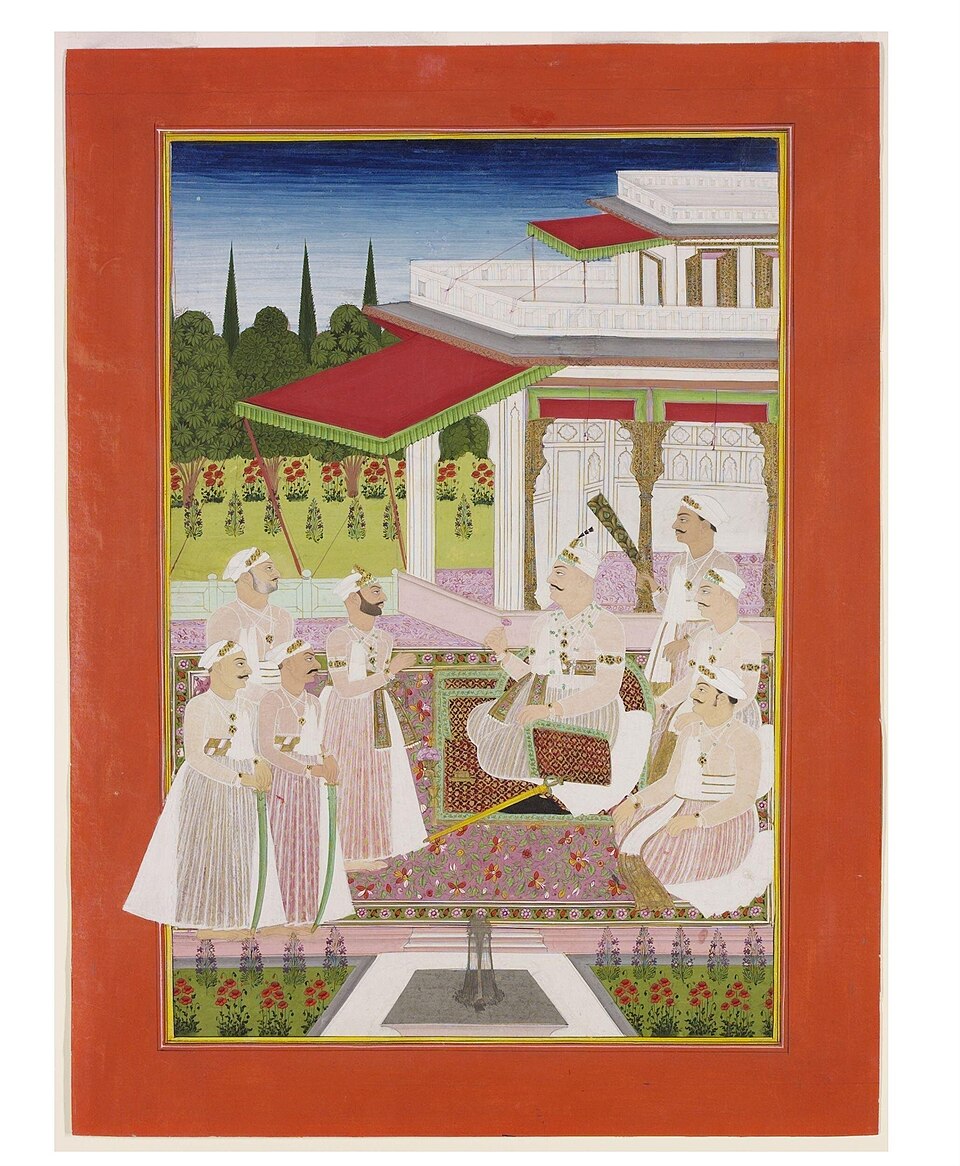
—If only one lesson were to be retained from your entire treatise, which would it be?
If only one sentence were to remain from all my Siyasat-nameh, it would be this: "A kingdom can endure with unbelief, but it cannot endure with injustice." I have seen pious princes ruin their subjects through the rapacity of their agents, and I have seen the most fervent prayer not hold up a throne that oppressed. That is why I wanted the sultan to hold audience himself, to hear the complaint of the humblest, to punish the thieving emir as the brigand. The tax must be known, not arbitrary; the judge, accessible. A vizier who allows injustice to settle in a poorly kept defter prepares the fall that no army will avert. Justice is not one more virtue: it is the very foundation on which everything else rests.
A kingdom can endure with unbelief, but it cannot endure with injustice.
—You often speak of those men from the northern mountains. Who are they, and why do they worry you so much?
There is, in the northern mountains, a fortress called Alamut, which Hassan-i Sabbah seized in 1090. From there, this man and his faithful Nizârites weave a web that frightens me more than ten armies drawn up in battle. For an army, you see coming; their men, you do not. They strike with a single dagger, in broad daylight, in the middle of the crowd, and let themselves be killed with the smile of one who believes he is gaining Paradise. I have fought their doctrine with the pen and with the Nizamiyya, I have urged the sultan to reduce their nests. They hate me as one hates the wall that bars the path. I know that I am, on their list, the first name.
I know that I am, on their list, the first name.
—What do you fear, on the eve of taking the road again to Baghdad with the court?
I am urged to travel to Baghdad with the court, and each halt weighs on me. What I fear does not have the face of a warrior: it has that of a poor Sufi in rags, who approaches with a request in hand and hides a dagger in his sleeve. That is the weapon of the people of Alamut — to slip under the garment of piety to strike the servant of the faith. If I were to fall thus, near Nahavand, on that road, I would like it to be remembered of me not the manner of my death, but that I will have been, as the chroniclers may perhaps say, a just vizier to the last register. A man dies; the Nizamiyya, they will keep my lessons when my very name has faded away.
This imaginary interview was generated by artificial intelligence from sources documented in Nizam al-Mulk's profile. It dramatises what the figure might have said based on what we know about them, but does not constitute attested historical testimony. For primary sources and factual documentation, refer to the full profile.