Kids interview Oscar Wilde
by Charactorium · Oscar Wilde (1854 — 1900) · Literature · 4 min read
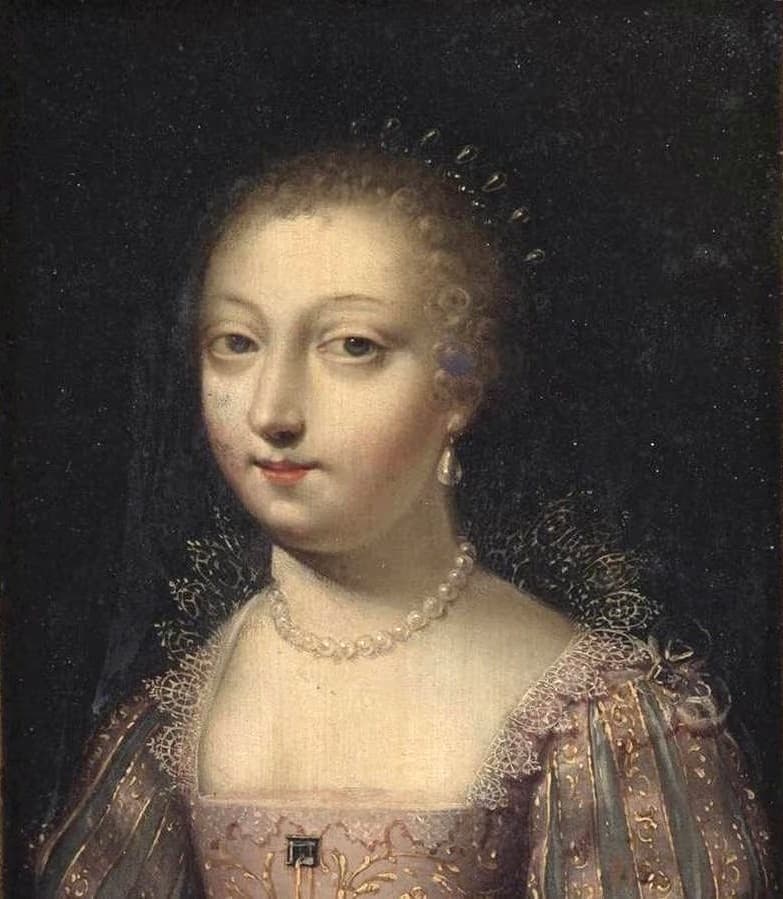
Two young visitors of twelve step into a white-walled room, a bit intimidated. An elegant man, a flower in his buttonhole, greets them with a broad smile. Oscar Wilde sits down near them, delighted to be listened to.
—Why did you always wear a flower on your jacket?
You know, my child, it wasn't by chance. I would pin a lily or a large sunflower to my buttonhole, and stroll like that through the streets of London. People would turn around, whisper, sometimes laugh. That's exactly what I wanted! I believed something very simple: beauty doesn't need to serve a purpose to have value. They called it Aestheticism, a fancy word meaning 'art for art's sake.' And I wanted my entire life to be beautiful like a painting. Even the way I walked.
Beauty doesn't need to serve a purpose to have value.
—What was your house like? What did it look like inside?
Ah, my house! I lived at 16 Tite Street, in Chelsea, with my wife Constance and my two sons. Imagine a house where nothing is left to chance. The walls were white, all white, at a time when everyone had busy, dark wallpaper. I asked an architect friend, Godwin, to design everything. Furniture from Japan, a few objects chosen one by one. For me, a room was like a sentence: every word must be in its place. Entering my home was like entering an idea.
A room is like a sentence: every word must be in its place.
—Did you really tell customs you had nothing to declare?
That story is told, and I won't say it's false! In 1882, I crossed the ocean to give lectures in America. At customs, an officer asked me what I had to declare. And I, apparently, replied: 'Nothing but my genius.' You see, that was my whole way of being. Turning the tiniest moment into a spectacle. Over there, a photographer named Sarony made magnificent portraits of me. Thousands of people knew my face without ever meeting me. I was famous as one rarely is.
Turning the tiniest moment into a spectacle was my whole life.
—How did it feel to be so famous, everywhere?
It was exhilarating, I admit. During my tour of America, entire halls came to hear me speak about beauty and art. I, a young Irishman born in Dublin, was conquering a vast country! But let me confide a secret. The higher you climb, the harder the fall. At that time, I didn't know it yet. I thought life was just a brilliant party, an endless dinner where one exchanges witty remarks. I had what they called a dandy spirit: making elegance and repartee a true art of living.
The higher you climb, the harder the fall.
—What's the story of the portrait that ages instead of the young man?
Ah, The Picture of Dorian Gray, my only novel, written in 1890! Imagine a very handsome young man. A painter makes his portrait. And then, by a strange wish, it's the painting that ages and decays in his place. Dorian remains young and perfect, even when he commits wicked deeds. Each cruelty leaves a wrinkle… but on the canvas hidden in the attic, never on his face. It's a story that asks a serious question: can one be beautiful on the outside and rotten inside? I liked hiding serious questions under stories that make you shiver.
Can one be beautiful on the outside and rotten inside?
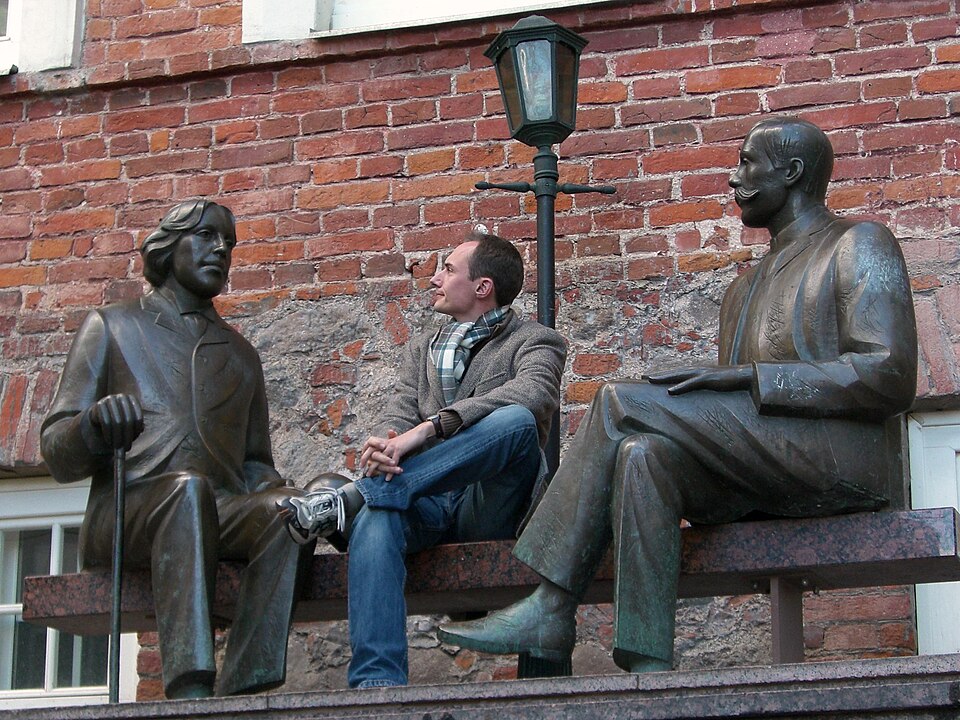
—Why did you say art should serve no purpose?
Good question, and a difficult one! Many people in my time thought a book should teach a moral lesson. I disagreed. At the beginning of Dorian Gray, I wrote that the aim of art is to reveal art and conceal the artist. A strange idea, isn't it? I meant that a beautiful thing is self-sufficient, like a rose in a garden. The rose doesn't grow to teach you something. It grows because it is beautiful. I spent hours, sometimes an entire afternoon, polishing a single sentence to make it perfect.
The rose doesn't grow to teach you something. It grows because it is beautiful.
—Is it true that people laughed so much at your play they had to stop?
It's absolutely true, and what a memory! In 1895, they were performing The Importance of Being Earnest, my comedy. The audience laughed so hard, so long, that the actors had to pause and wait. Imagine an entire hall shaking with laughter, hundreds of people holding their sides. It was one of the greatest triumphs of English theatre. I was gently mocking the somewhat hypocritical manners of the rich, their calculated marriages, their false seriousness. They call it a comedy of manners. That night, I was on top of the world. Everything was smiling on me.
An entire hall shaking with laughter: I was on top of the world.
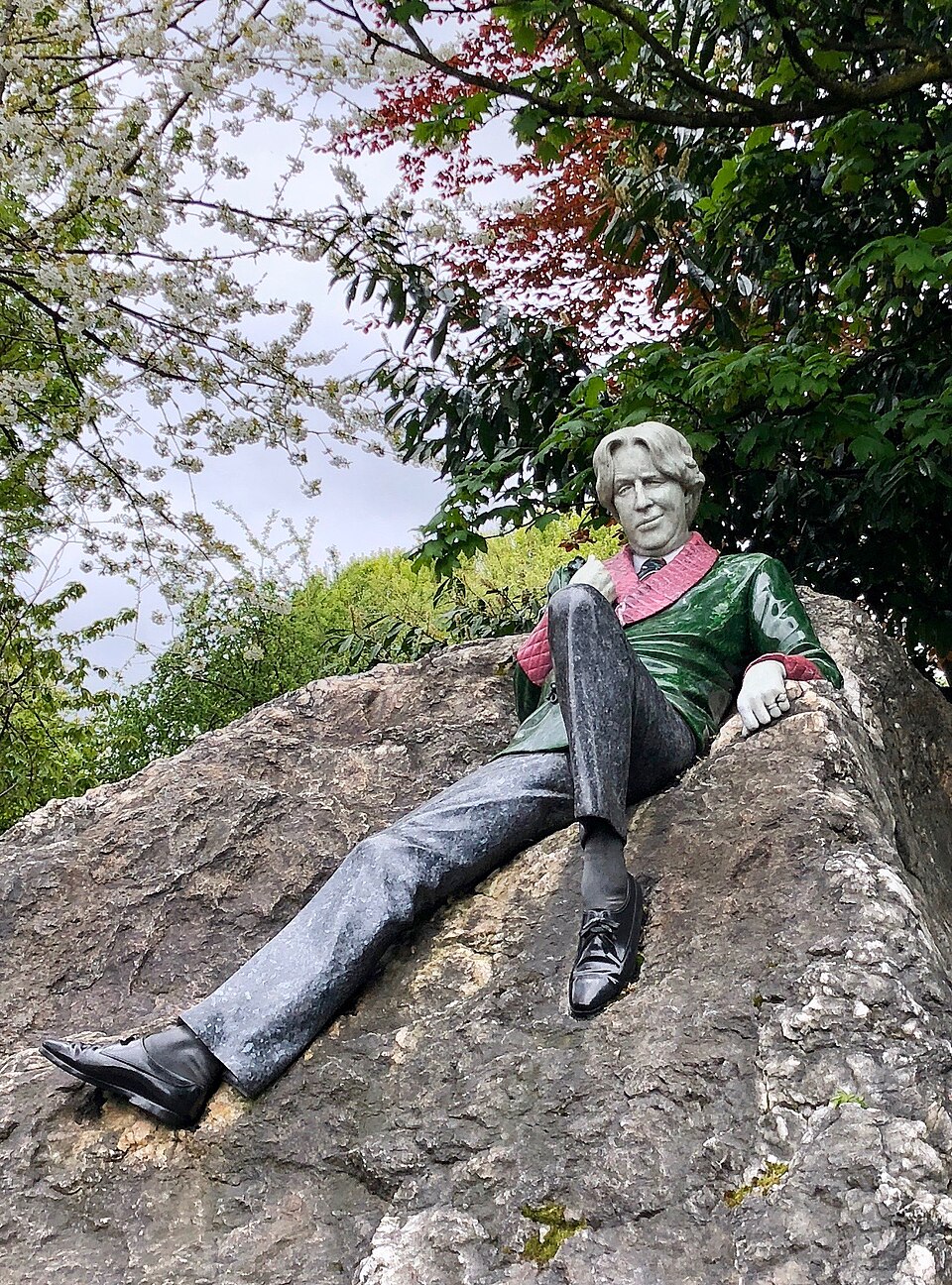
—And after that triumph, what happened to you?
That's where my story becomes sad, my child. The same year, in 1895, while all London was applauding, I was arrested and put on trial. The justice of my time condemned things in private life that today would be judged differently. I was sent to prison, to Reading, for two years of hard labor. Do you know what they made me do? Turn the crank of a large wheel that served no purpose. For hours, just to exhaust the body. I, who loved fine dinners and champagne, found myself in a cold cell. The party was over.
The same month, London applauded me and prison awaited me.
—Did you manage to write even in prison?
Yes, and it may be the truest thing I ever wrote. In my cell at Reading, I composed a long letter, De Profundis. In it I said something that prison had taught me: life must be understood as an art, not as a series of experiences. No more witty remarks to make drawing rooms laugh. Just a man reflecting on his pain. After my release, I also wrote The Ballad of Reading Gaol, a long poem, after seeing a fellow inmate led to death. Suffering, you see, had made me more sincere than all my past glory.
Life must be understood as an art, not as a series of experiences.
—How did it end for you, after prison?
Quietly, and far from home. On release, I could no longer stay in England. I left for France, ruined, under a false name: Sebastian Melmoth. I no longer wanted to be recognized. I ended my days in a small hotel in Paris, the Hôtel d'Alsace, in 1900. Poor, tired, but I kept my humor to the end. You know, for a moment I thought everything was lost, that no one would ever read my books again. I was wrong. Today, the two of you, children, come to listen to me. Beauty, in the end, outlives everything else.
Beauty, in the end, outlives everything else.
This imaginary interview was generated by artificial intelligence from sources documented in Oscar Wilde's profile. It dramatises what the figure might have said based on what we know about them, but does not constitute attested historical testimony. For primary sources and factual documentation, refer to the full profile.