Imaginary dialogue between Georges Braque and Pablo Picasso
by Charactorium · Pablo Picasso (1881 — 1973) · Visual Arts · 5 min read
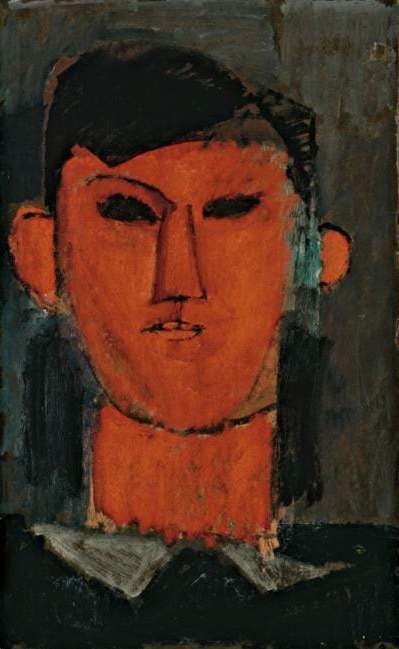
It is on the sun-drenched terrace of La Californie in Cannes that Georges Braque meets Pablo Picasso in the summer of 1957. Ceramics dry against the wall, an engraved dove lies near an overflowing ashtray. The two men have not spoken at length since the years when they painted roped to each other, like two mountaineers. Braque comes without a sketchbook, only with the memory of a shared studio and a few questions he never dared to ask.
—Pablo, in 1907 you showed me those Demoiselles, and I told you that you wanted to make us drink petrol. Do you still hold it against me?
Hold it against you? You were the only one whose insult was worth something, Georges. The others politely stepped back; you spat fire straight in my face, and that's what confirmed that I had struck home. That canvas, I made it after the Trocadéro, after those African masks that jumped out at me like ghosts. They didn't represent anything; they acted. I understood that day that a face could be a weapon, not a mirror. Everyone saw horror; I saw a door. And behind that door, six months later, you had already entered with me.
A face could be a weapon, not a mirror.
—When we were decomposing everything, in the days of Ma Jolie, you kept saying that you painted what you thought. I doubted it. Did you really believe it?
I believed it as one believes in breathing. I paint objects as I think them, not as I see them — remember, we used to say it without even consulting each other, our canvases so alike they were indistinguishable. Ma Jolie was a café song and a woman with a guitar reduced to facets, almost illegible, and yet everything was there. To create is first to destroy: you have to break the thing to reach the idea of the thing. You and I demolished perspective like two workers demolish a wall, without knowing what was behind it. What was behind it was freedom.
To create is first to destroy: you have to break the thing to reach the idea of the thing.
—We were criticized for making the subject unrecognizable. You, who love the Spanish guitar so much, didn't it cost you to break it into pieces?
Break, no — open. A guitar, I love it too much to be content with looking at it from the front. I wanted to see its belly, its back, its string and its silence all at once. In 1912, I even made a guitar out of sheet metal and wire, out of the painting, standing in space. People looked for the instrument and found a carcass; they didn't understand that a carcass sings too. The guitar is my Spain in my pocket, you know that. I wasn't destroying it: I was giving it as many profiles as a man has memories.
—In 1937, while I was working in my corner, you were commissioned a canvas for the Exposition. How did Guernica fall upon you?
It didn't fall upon me, Georges — it was torn from me. The Republican government had asked me for something; I had been going in circles for months. Then on April 26 they burned a small Basque town from the sky, civilians, a market day. So the canvas imposed itself, in black, white, and gray, because mourning has no color. I wanted to express clearly my horror of the military caste that plunged Spain into an ocean of pain and death. Three and a half meters by nearly eight. For once I didn't decompose anything: war had already done it.
Mourning has no color.
—They say a German officer, during the Occupation, questioned you about this canvas. What did you dare to answer him, in occupied Paris?
He had a reproduction of Guernica in his hands, and he asked me, almost kindly: 'Did you do this?' I answered him: 'No, you did.' That's all. They called my work degenerate art, they banned me in Germany, and meanwhile I painted behind closed shutters, in the cold, sometimes without bronze or canvas. I didn't leave Paris, do you remember? Many left; I stayed with my brushes like a man stays with his dog. To paint, under them, was already to disobey.
He asked me: 'Did you do this?' I answered him: 'No, you did.'
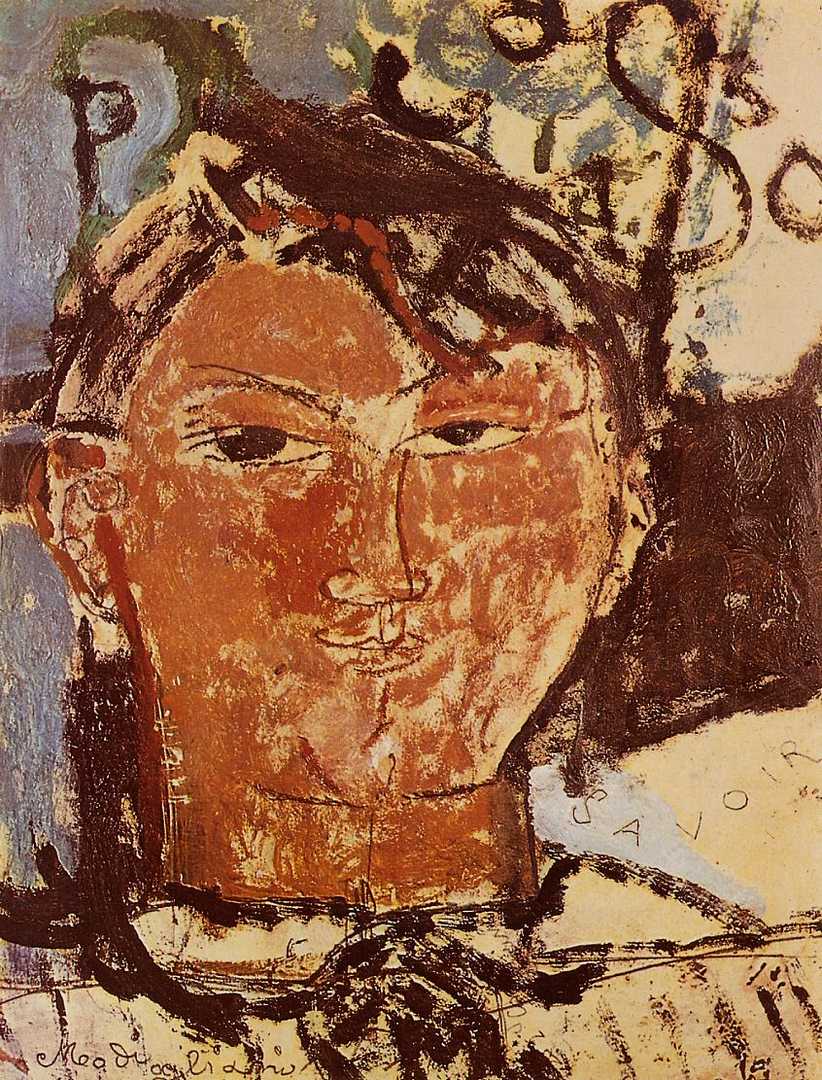
—You read L'Humanité in bed in the morning, I've been told. In 1944 you joined the Party. You, Pablo, a card-carrying man?
That surprises you, and you're not the only one. But after everything we had been through, the war, the Occupation, I could no longer stand above the fray like a dandy. I am Communist and my painting is Communist — I said it in front of everyone and I don't take it back. I sought, through drawing, to penetrate further into a knowledge of men. In the morning, yes, I receive my visitors in bed, my black coffee on one side, the newspaper on the other. It's not a pose, Georges: it's that a painter has no right to have eyes for flowers and not for men.
A painter has no right to have eyes for flowers and not for men.
—And that dove you drew in 1949? A simple lithograph became a flag. Did you measure what you were releasing into the world?
Not for a second. They asked me for an image for the Peace Movement, I traced a dove with open wings, white on black background, almost nothing. And there it is, plastered on all the walls of Europe, turned into an emblem against the Cold War. A lithograph can be printed in a thousand copies: it's a weapon to be distributed, not a treasure to be locked away. My weapons are painting and drawing, I never had any others. Strange fate for a bird, isn't it — me who raised real ones, messy and squawking, in my studio.
A weapon to be distributed, not a treasure to be locked away.
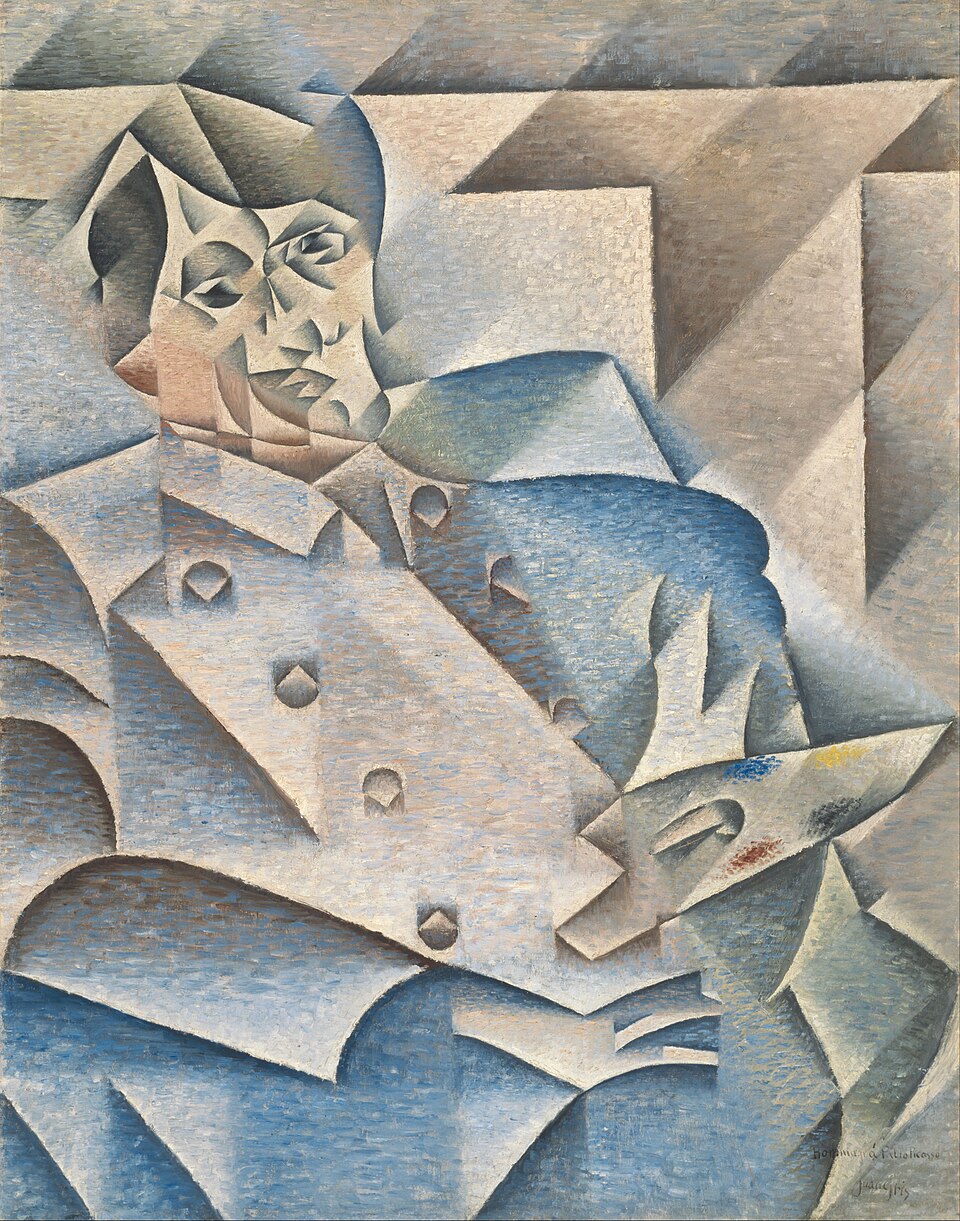
—You've always painted, almost since childhood. Is that story true about passing the competition in one day, and your father's brushes?
True, and I take no glory from it — a gift is not earned. At fourteen, in Barcelona, they gave me a month for the Beaux-Arts exam; I finished in one day. My father was a drawing teacher, he painted pigeons all his life. The day he saw that I surpassed him, he handed me his brushes and his palette, and he almost stopped painting. Imagine that gesture, Georges: a father who hands you his weapons, admitting you are stronger than him. I took fifty years to understand the weight of that gift.
—And here you are today covered in clay, molding pots in Vallauris. The Cubist turned potter — what are you still searching for?
The same thing as on the first day: not to bore myself. In 1946 I arrived in this village of ceramists, I put my hands in the clay, and I was fourteen again. More than four thousand pieces since then, plates, vases, owls, bulls. People say: he's spreading himself thin. But you know that a painter who repeats himself is already dead. Changing material is rejuvenating. I don't become a potter, sculptor, engraver: I remain the one who destroys what he knows how to do in order to learn again. The day I truly know how to paint, that day I will stop. Fortunately, that day will not come.
A painter who repeats himself is already dead. Changing material is rejuvenating.
—One last thing, Pablo. All these lives in one — Blue, Rose, Cubist, Communist. If you had to tell me what connects them?
The refusal to finish a sentence. That's what connects them. Each period, they thought it was my last word, and each time I turned my back. The Blue Period after Casagemas's death, Cubism with you, Guernica, the dove, the clay of Vallauris — these are not stages, they are escapes. I am superstitious, I keep everything, a baby tooth of my son, old shoes, because destroying one of my works would bring me bad luck. But destroying my way of painting, that, I do without trembling, every morning. You, who knew me roped to myself, know well that I never wanted to arrive somewhere. I only wanted to continue.
These are not stages, they are escapes.
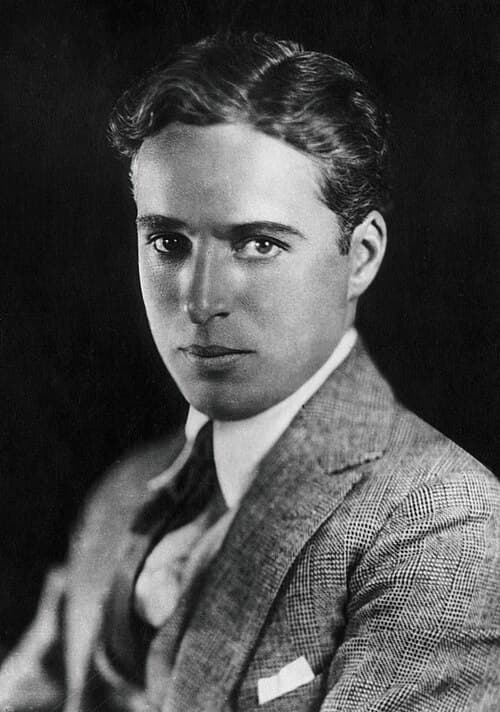
This imaginary interview was generated by artificial intelligence from sources documented in Pablo Picasso's profile. It dramatises what the figure might have said based on what we know about them, but does not constitute attested historical testimony. For primary sources and factual documentation, refer to the full profile.