Kids interview Pablo Picasso
by Charactorium · Pablo Picasso (1881 — 1973) · Visual Arts · 5 min read
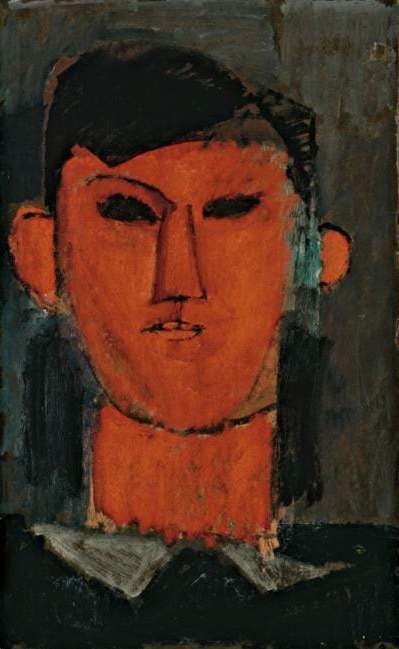
Two middle-school students visit an exhibition with their class. In front of an immense black-and-white canvas, they dare not move. And then an old man with very bright eyes approaches: Pablo Picasso agrees to answer all their questions.
—How old were you when you knew you would be a painter?
You know, my child, I didn't really choose. My father was a drawing teacher, in Málaga, where I was born in 1881. He put a pencil in my hand before I could even speak. At 14, I passed the entrance exam for a big art school in Barcelona. The adult candidates had a whole month to pass it. Me, I did it in a single day. Imagine my father's face! He handed me his own brushes, like passing a torch. That day, I understood that he already believed I was stronger than him. It's a heavy gift to carry.
—What was your home like when you were young in Paris?
You'll laugh. When I arrived in Paris, in 1904, I lived in a studio they called the Bateau-Lavoir, on the hill of Montmartre. It was an old wooden building that creaked, freezing in winter, burning in summer. Imagine a rickety shack, filled with canvases piled everywhere. I rarely got up before noon — a real lazybones in the morning! I drank a strong black coffee, read the newspaper in bed. And there lived my friends: the poet Apollinaire, the painter Braque. We were as poor as can be, but we laughed a lot. Poverty, when shared, weighs less.
Poverty, when shared, weighs less.
—Is it true that you made people pose for hours and hours?
Ah, you've heard that story! Yes, there was an American lady, Gertrude Stein, a writer who loved collecting paintings. I wanted to paint her portrait. I had her come back to pose... eighty times! Can you imagine, sitting still, again and again? One day, annoyed, I erased her whole face and repainted it differently. People said it didn't look like her. I replied that one day, she would look like the painting. You know, a portrait is not a copy. It's what I think of a person, not just what I see of them.
—Why did you paint faces all distorted, as if broken?
Good question! In 1907, I painted a large canvas, Les Demoiselles d'Avignon. Women with angular, hard, almost frightening faces. Why? Shortly before, I had visited a museum in Paris, the Trocadéro. There I discovered African masks carved. They shook me. Those masks didn't copy a real face: they showed a force, a hidden spirit. I said to myself: what if I painted what I think of a face, not just its photograph? Imagine drawing anger itself, not just an angry person. That's what I was trying to capture.
—What is Cubism, actually? It sounds like a very complicated word.
You're right, the word is scary! Cubism, at bottom, is a very simple idea. Usually, a painter shows you an object from one side, like through a window. Me, with my friend Braque, we wanted to show an object from several sides at once. As if you walk around a guitar and paint it all at once. We break the form into little geometric pieces, into facets. At first, it shocked everyone! In front of one of my canvases, Braque said it was like making me drink petrol and spit fire. And yet, it became a real revolution.
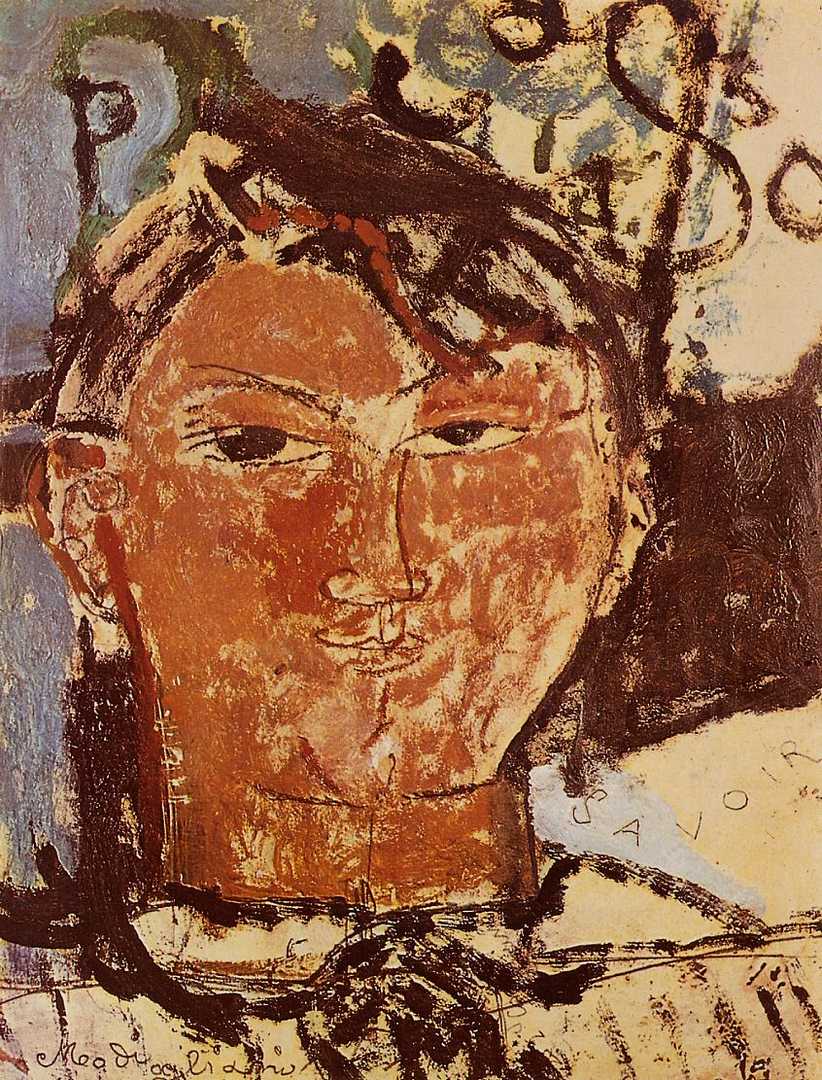
—What is that painting, Guernica? Why is it all black and white?
Ah, Guernica... it's the painting of my life. Guernica is a small town in the Basque Country, in Spain. On April 26, 1937, airplanes came to bomb it. Hundreds of ordinary people died, families, children like you. I was in Paris, furious and grieving. So I painted an immense canvas, much wider than your classroom. Without any color: just black, white, gray. Because color is joy. And there, there was only pain. I wanted to show the whole world my horror of those who drowned my country in misfortune.
Color is joy. There, there was only pain.
—Is it true that a German soldier spoke to you about Guernica?
Yes, and I remember it very well! During the war, Paris was occupied by the German army. The Nazis hated my work, they called it 'degenerate art,' a sick art according to them. I was no longer allowed to exhibit. One day, a German officer entered my studio. He saw a photograph of Guernica and asked me: 'Did you do that?' I looked him straight in the eye and replied: 'No, it's you.' Do you understand? I was not the culprit of the massacre. They were. A painting can speak the truth to your face, even to an armed soldier.
A painting can speak the truth to your face.
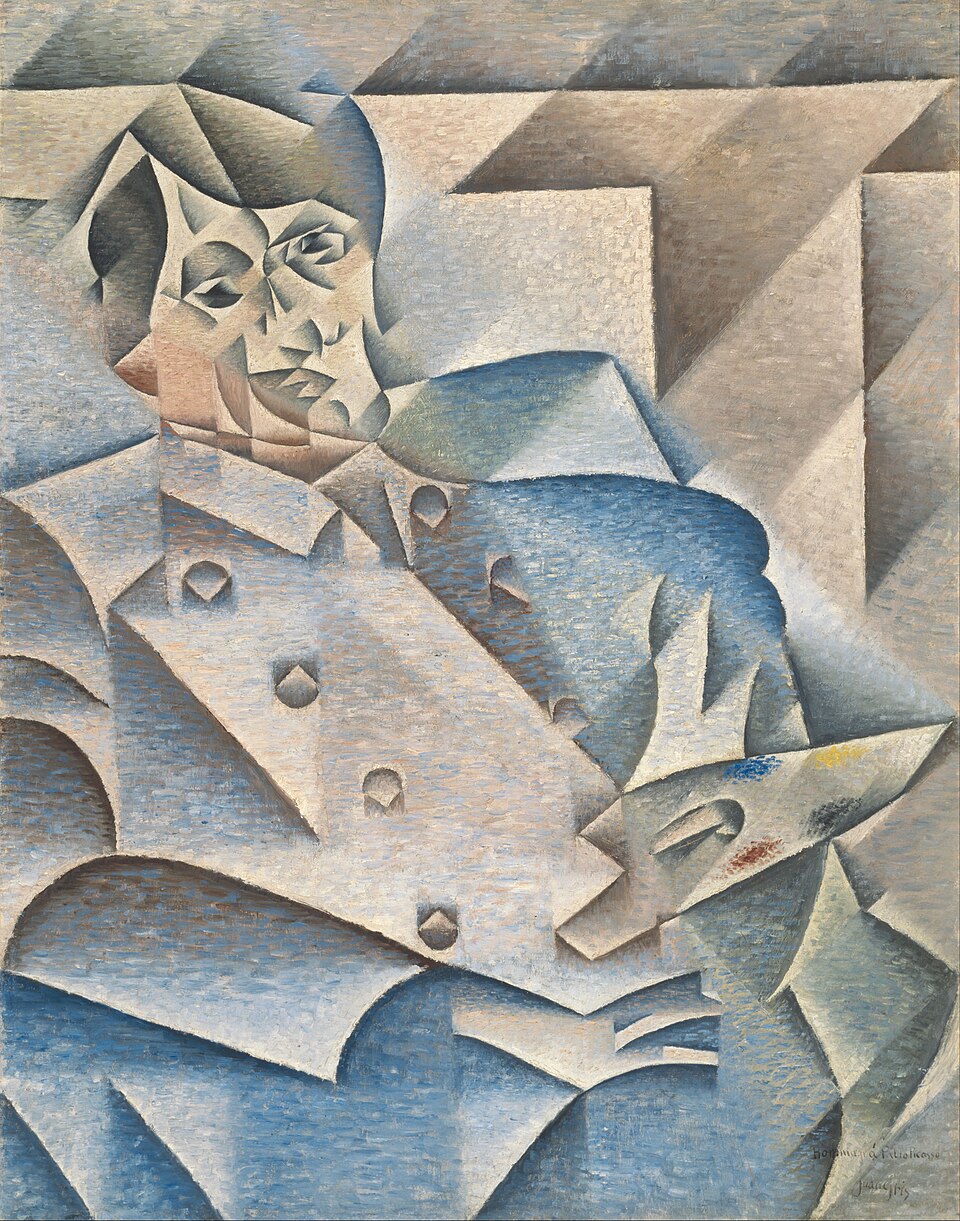
—Why did you always read the same newspaper, L'Humanité?
Because it was the newspaper of my ideas! After the liberation of Paris, in 1944, I made a big decision: I joined the Communist Party. For me, it meant choosing the side of workers, of simple people. L'Humanité was their newspaper. I read it in bed, in the morning, with my black coffee. I even drew in it sometimes. One day, before a big congress for peace, I said out loud that I was a communist and that my painting was too. You know, an artist doesn't have to hide. Painting and drawing were my weapons to fight injustice.
—Why did you draw a dove for peace?
A dove is a very simple bird, that everyone recognizes. In 1949, I was asked for a drawing for a big movement that demanded peace in the world. I drew a white dove, wings wide open. I made it in lithography — a way to print a drawing from a stone, to reproduce it in thousands of copies. That way, my bird could travel everywhere, on posters, in all countries. And that's exactly what happened! That dove became the symbol of peace across the whole Earth. A little bird sometimes has more strength than an army.
—Is it true that you made thousands of paintings? When did you sleep?
Ha! You've guessed my secret: I almost never stopped. In my life, I made more than twenty thousand works! Paintings, but not only. In Vallauris, on the Côte d'Azur, I fell in love with ceramics. With a potter's wheel and clay, I shaped thousands of plates and pots. At over 90 years old, I still worked every day in my studio. Why? Because working, for me, was like breathing. If you truly love something, my child, you never want to stop. And it keeps you alive, until the last morning.
Working, for me, was like breathing.
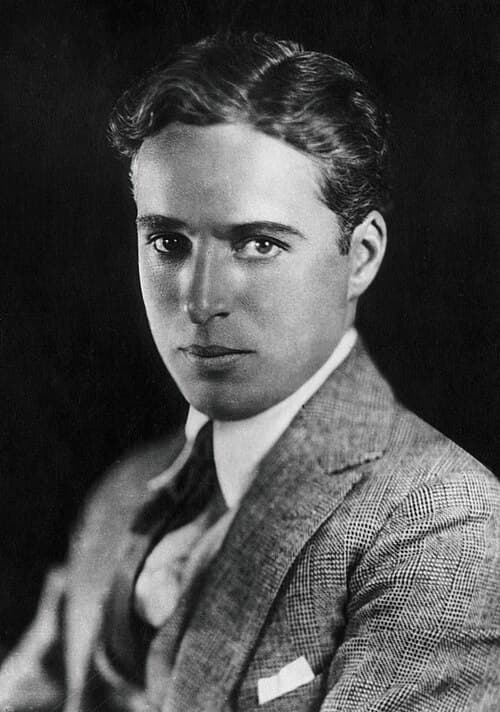
This imaginary interview was generated by artificial intelligence from sources documented in Pablo Picasso's profile. It dramatises what the figure might have said based on what we know about them, but does not constitute attested historical testimony. For primary sources and factual documentation, refer to the full profile.