Imaginary dialogue between Rainilaiarivony and Ranavalona III
by Charactorium · Ranavalona III (1861 — 1917) · Politics · 5 min read
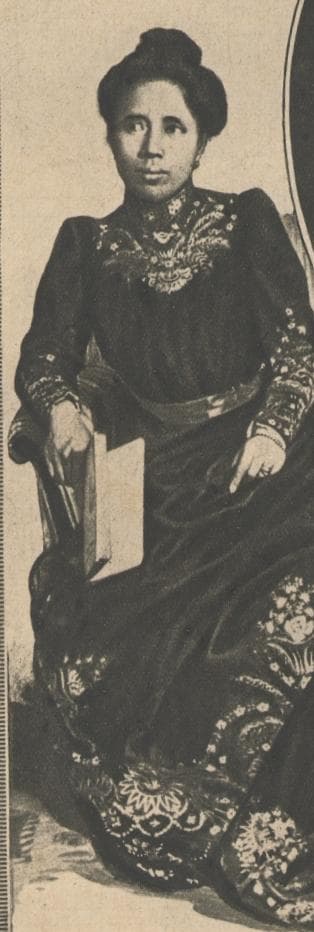
It is in an audience hall of the Manjakamiadana, at the heart of the Rova of Antananarivo, that Rainilaiarivony finds the queen at the end of 1895. General Duchesne's troops now occupy the lower town, and the fading light glides over the lamba of red and gold silk draped over the sovereign's shoulders. Husband and Prime Minister, he chose her, crowned her, and governed by her side for twelve years. He comes that day not to decide, but to listen, as the kingdom's future wavers.
—My wife, when Duchesne's soldiers were advancing toward us, I begged you to leave the palace. Why did you stay, in royal robes, to await them?
Because to flee would have been to abandon the throne before it was torn from me. You know this, you who taught me that a sovereign's dignity is measured not by their armies, but by their bearing. I had the red and gold lamba put on, I sat in the audience hall, and I waited. The French officers entered expecting to find a captive; they found a queen. I was told that the general himself wrote that I was received with perfect dignity. That was my only weapon that day, and I did not surrender it. A palace can be taken; a queen's composure, never.
A palace can be taken; a queen's composure, never.
—Before the cannons spoke, you wanted words to prevail. Why did you invest so much in those delegations sent all the way to Paris and London?
Because I refused to believe that right was silent before might. I sent our emissaries to Europe to plead our cause before governments and the press, so that the world might know that an ancient kingdom existed here, with its laws and treaties. I hoped that England, which had given us its missionaries and our printing presses, would not let France take everything. I was mistaken about the powers, not about the justice of our cause. We spoke as free men as long as we still could. If Madagascar falls, let it never be said that it remained silent.
I was mistaken about the powers, not about the justice of our cause.
—And if tomorrow our kingdom is declared annexed, what do you plan to oppose to a decree signed thousands of leagues from here?
Another document, and my signature as queen at the bottom. If they claim to suppress our sovereignty with a piece of paper, I will oppose it with my own, solemnly addressed to their president. I will say that my people never consented to become subjects of another, and that no force renders legitimate what is born of coercion. They may answer me with silence or exile, but the document will remain. Archives keep the memory of what armies would erase. You who drafted so many treaties by my side, you know that a recorded word sometimes outlives the one who wrote it. This will be my final protest, and the most lasting.
Archives keep the memory of what armies would erase.
—Remember: in 1883, I chose you for the throne, then married you, as I did your two predecessors. What weight did that place on your twenty-two-year-old shoulders?
A strange weight, I confess to you alone. I was queen before the people, yet everyone knew where the real power lay. You came from the Hova class, risen by merit, and you held the state in your hand; I wore the crown and the sacred face of Merina royalty. At twenty-two, I was asked to embody an ancestral dignity without governing its affairs. I quickly understood that my role was to endure, to unite, to be the visible sign that Madagascar remained a kingdom. I sometimes suffered from being merely a symbol. But a symbol, in those years of peril, was perhaps as valuable as a minister.
I was asked to embody an ancestral dignity without governing its affairs.
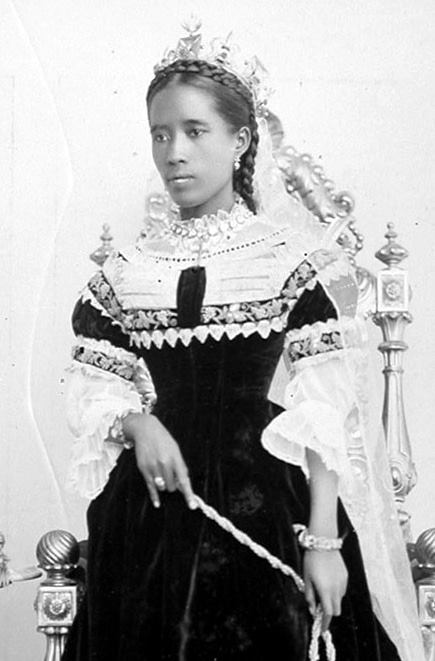
—It is whispered that the queen reigns only in name, and that the Prime Minister does everything. Did that ever wound you, between us?
Wounded, no; clear-eyed, yes. I never confused the purple with the toil. You led the councils, the finances, the fanompoana that built our roads; I kept the ceremonies, the fomba, the link with the ancestors. We were two pieces of the same work, and who would claim to separate the blade from the handle? The people needed a queen they could revere, and a minister they could fear. I accepted my part without bitterness, for it was no less: without the face of royalty, your government would have been mere administration. Together, we held a kingdom together far longer than our adversaries wished.
Who would claim to separate the blade from the handle?
—Every morning, I see you pray to the God of the missionaries, then honor the razana in the evening. How do you bear both the Bible and our ancestors together?
Without contradiction, my friend, for both speak to me of faithfulness. I received from my predecessor a sincere Protestantism, and I read daily the Bible translated into our language by the British missionaries. But I have not for that renounced the razana, whose spirit watches over the living, nor the fomba that govern our ceremonies. In the morning, Christian prayer; in the evening, the stories of the ancestors and respect for the fady. I did not choose between two loyalties: I wanted to be queen of all my people, of converts as well as guardians of customs. A sovereign who renounces her dead would lose her living. It is in this, perhaps, that I am fully Merina.
A sovereign who renounces her dead would lose her living.
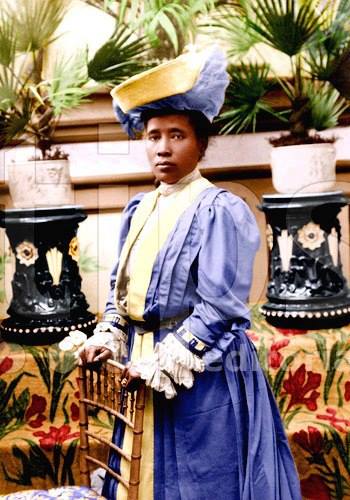
—In this court divided between the chapel and traditions, what, at evening, reminds you most of who we are?
The tantara, the stories of the elders told after the meal. When the dignitaries gather around the vary, the romazava of zebu and greens, and a voice begins to recount our kings of old, I feel that nothing is yet lost. Our music rises, the ancestors seem present in the room. These evenings are worth all audiences: they remind me that I reign not over a territory, but over a living memory. The French may take the Rova and the crown; they will not know how to recite our tantara. As long as a Malagasy tells them, Madagascar will endure, whatever becomes of its throne.
As long as a Malagasy tells our stories, Madagascar will endure.
—They already speak of sending me away to India and leading you far off. If you were torn from this land, how would you remain queen outside your kingdom?
By refusing to cease being one for a single day. Let them send me beyond the seas, to Réunion or further still, I will lay down neither my name nor my rank. They can take the palace from me, not the sovereignty I hold from the ancestors. I will continue to comport myself as queen, to speak as queen, to demand the respect due to my blood. Exile is but a place; royalty is a faithfulness one carries within. My body will be a prisoner, but my people will know that their queen still lives and has not renounced them. As long as I breathe, be it under another sky, the kingdom will have a face. That is how I will resist, without weapons, by my mere presence.
Exile is but a place; royalty is a faithfulness one carries within.
—And if, over there, compatriots crossed the seas to greet you despite the ban, what would you say to them upon receiving them?
I would receive them as a queen receives her own, standing, without lowering my eyes before the guards who watch them. I would tell them not to weep over a throne, but to keep alive our language, our fomba, the memory of the razana. Each face from home would be for me a silent victory over those who believe me deposed. No matter the authorities' embarrassment: they can watch the doors, not the hearts. As long as my people cross the sea to show me their loyalty, I will remain their sovereign, and no decree will change that. I would ask them only one thing: that one day, alive or not, I be brought back to sleep near the ancestors, at the Rova.
They can watch the doors, not the hearts.
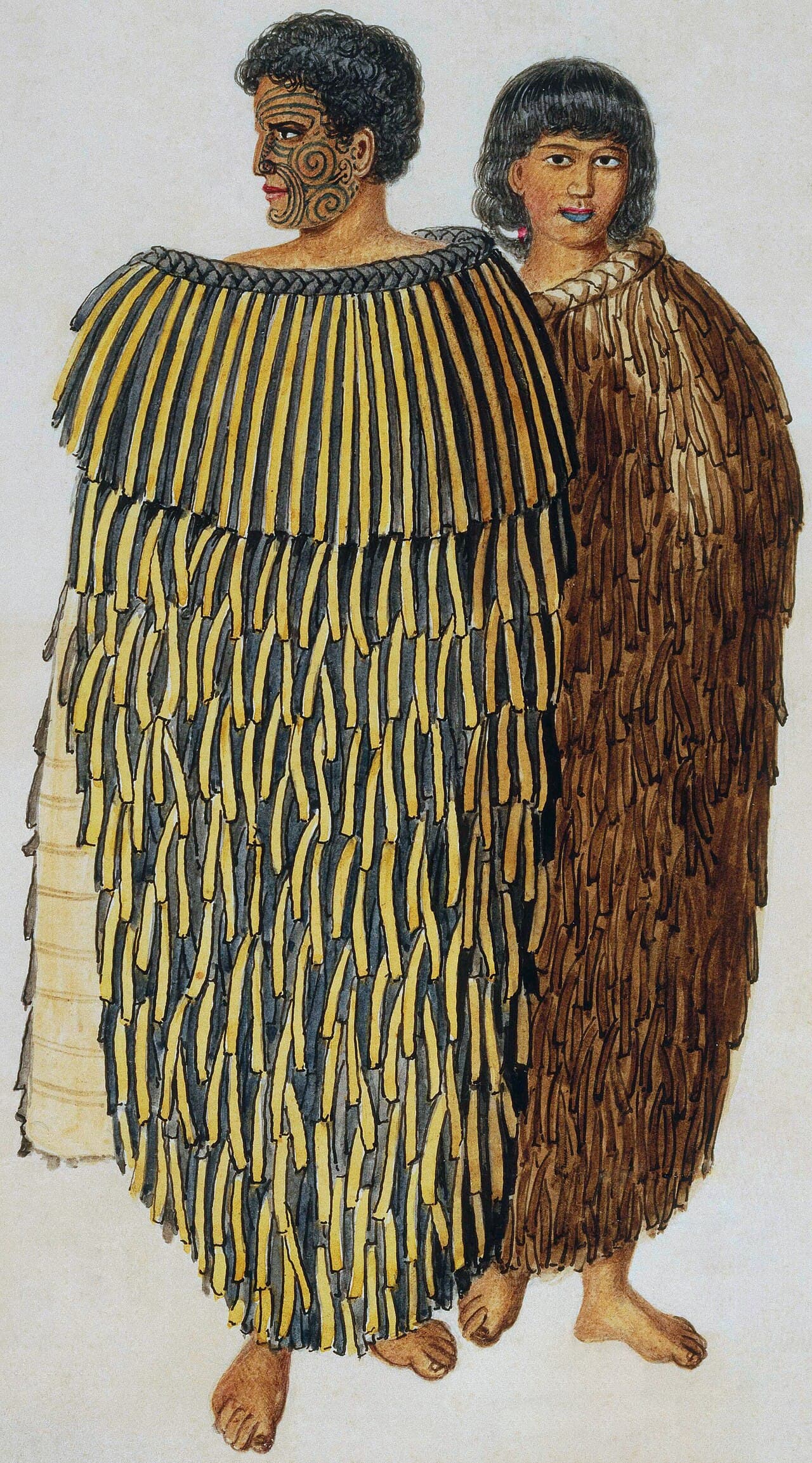
This imaginary interview was generated by artificial intelligence from sources documented in Ranavalona III's profile. It dramatises what the figure might have said based on what we know about them, but does not constitute attested historical testimony. For primary sources and factual documentation, refer to the full profile.