Kids interview Saladin
by Charactorium · Saladin (1138 — 1193) · Politics · 5 min read
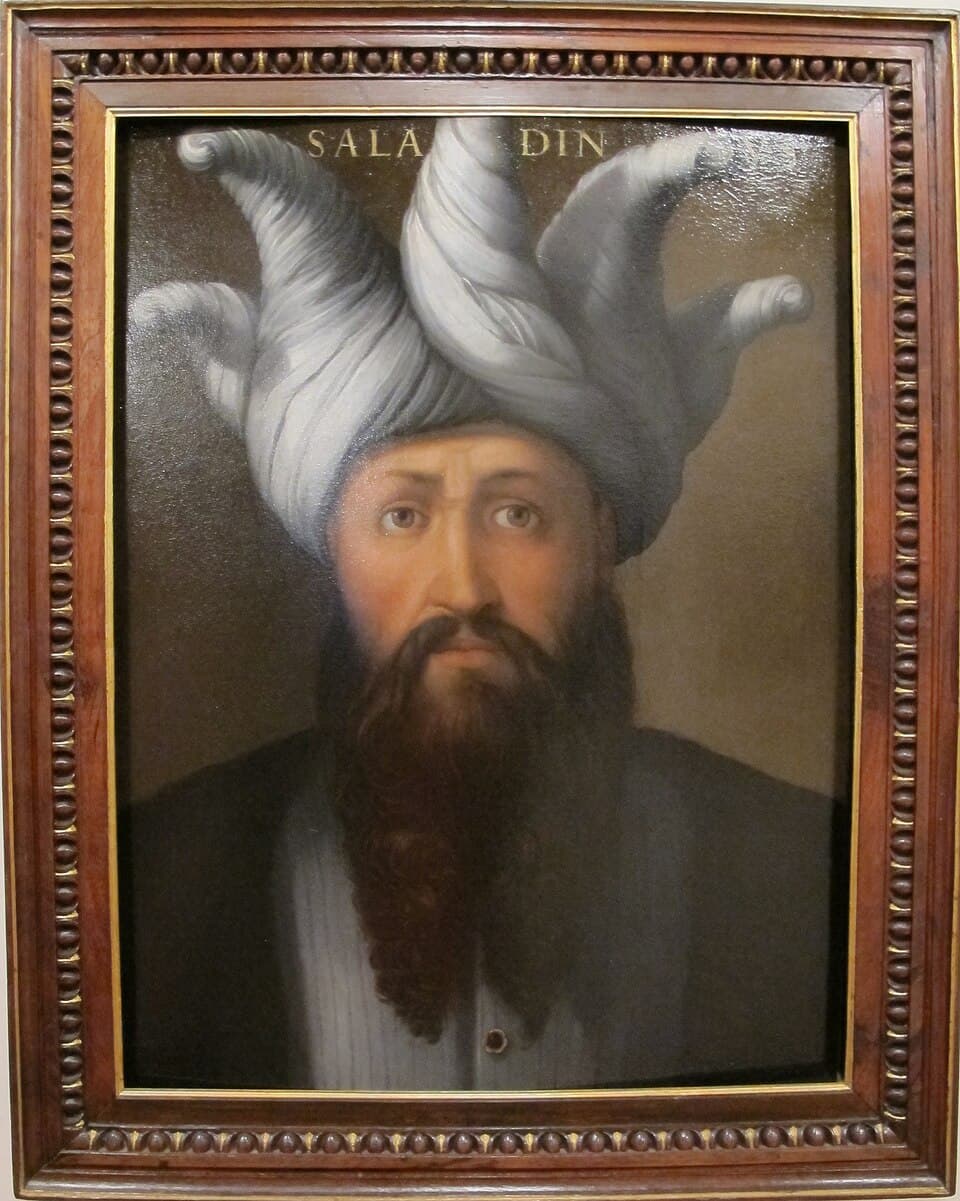
Two young visitors, aged twelve, on a school trip, enter a large tent of embroidered cloth. Seated on a carpet, a man with a well-trimmed beard welcomes them with a smile. It is Saladin, the sultan who retook Jerusalem.
—Where were you born, and what kind of child were you?
You know, I was born in 1138 in Tikrit, a city on the banks of a great river, the Tigris. My family was Kurdish, warriors. Imagine a house where people talked all the time about horses, weapons, and honor. As a child, I was taught to ride before I could even walk properly. I followed great generals, carried their mail, guarded their tents, listened to their advice in the evenings. I wasn't the strongest. But I listened. And listening, my child, is already learning war without shedding a drop of blood.
Listening is already learning war without shedding a drop of blood.
—How do you become a great leader when you're just a young man serving others?
Slowly, and with patience. In Cairo, around 1169, I became vizier, that is, the right hand of the sovereign, the one who governs day to day. I was young, and many thought I wouldn't last. Imagine entering a room full of older people who look down on you. I learned to be just before being feared. I dispensed justice in the afternoon, listened to the complaints of the poorest. Little by little, people trusted me. A leader without trust is a tent without a peg: the first wind carries it away.
A leader without trust is a tent without a peg.
—What was harder: fighting, or getting everyone to agree?
Oh, getting everyone to agree, without a doubt! The Muslim world was in pieces: Egypt on one side, Syria on the other, princes jealous of each other. When my master Nur ad-Din died in 1174, I understood that I had to unite these lands one by one. That is what is called unification. Imagine gluing a large vase broken into twenty pieces, without breaking anything more. Each prince wanted to remain master in his own house. I had to convince, sometimes fight, often forgive. A united army is worth more than ten armies that quarrel.
A united army is worth more than ten armies that quarrel.
—Why did you create your own dynasty?
Because power must last longer than one man, my child. In 1174, I founded the Ayyubid dynasty — that is my family's name, from my father, Ayyub. A dynasty is a succession of rulers from the same family who pass on power, like passing a torch. I had gold coins, dinars, minted with my name, which circulated throughout my territories. When a merchant held my currency, he held a little piece of my authority. I wanted that after my death, the work would stand on its own.
Power must last longer than one man.
—Tell us about the Battle of Hattin — were you afraid?
Afraid, yes, a little — he who is not afraid does not think. In 1187, near Hattin, the crusaders marched toward us under a leaden sun, without water. Imagine men in iron armor, burning, thirsty, lost in dust and smoke. We waited near the springs. The battle was decisive: we captured their king, Guy of Lusignan, and even the True Cross, their most precious relic. That day, the road to Jerusalem opened. A battle is often won before the first blow, by patience and choice of ground.
A battle is often won before the first blow.
—When you retook Jerusalem, what did you do to the people inside?
I let them live. It was in October 1187, a few months after Hattin. Eighty-eight years earlier, in 1099, the crusaders had taken the city in a terrible bloodbath. Many expected me to do the same. But no. I accepted the Christians' surrender and set a ransom, a sum to pay to leave free. For the poorest who could not pay, I often turned a blind eye. Imagine families who thought they would die and leave alive, their children in their arms. True victory is not killing your defeated enemy.
True victory is not killing your defeated enemy.

—Why were you kind to your enemies? Isn't that weird for a warrior?
You ask a good question, my child. Many told me the same. But you see, my faith taught me justice, not cruelty. A chronicler — someone who writes the history of his time — recounted my entry into Jerusalem as victor, banner raised, without massacre. I wanted that to be remembered. Clemency is not weakness: it is a strength that the enemy does not immediately understand. People fear the harsh man. But they long respect the just man. And respect crosses borders and travels through centuries.
People fear the harsh man, but they respect the just man.
—Is it true you were sort of friends with your enemy Richard?
Friends, no — we were enemies, and each wanted Jerusalem. But yes, I respected Richard the Lionheart. When he led the Third Crusade, around 1191, he was a formidable and courageous warrior. It is said that one day, his horse having fallen, I sent him another: one does not fight a king on foot. Imagine two adversaries who fight all day and greet each other in the evening. In 1192, I proposed an honorable truce. Keep Jerusalem, yes, but let Christian pilgrims come to pray. One can fight someone without despising him.
One can fight someone without despising him.
—What's the point of making peace if you've already won the war?
Ah, there is wisdom, my child! Winning a battle is one day. Making peace protects thousands of tomorrows. After so many years of war, my soldiers were tired, my cities worn out. The peace of 1192 recognized my control over Jerusalem, but opened the city to pilgrims. Imagine a road finally safe, where one travels without fear of ambush. A war costs men, wheat, gold. A wise leader knows when to stop. Continuing to fight when you have already won risks losing everything.
Winning a battle is one day; making peace is a thousand tomorrows.
—What was a normal day like for you? What did you eat?
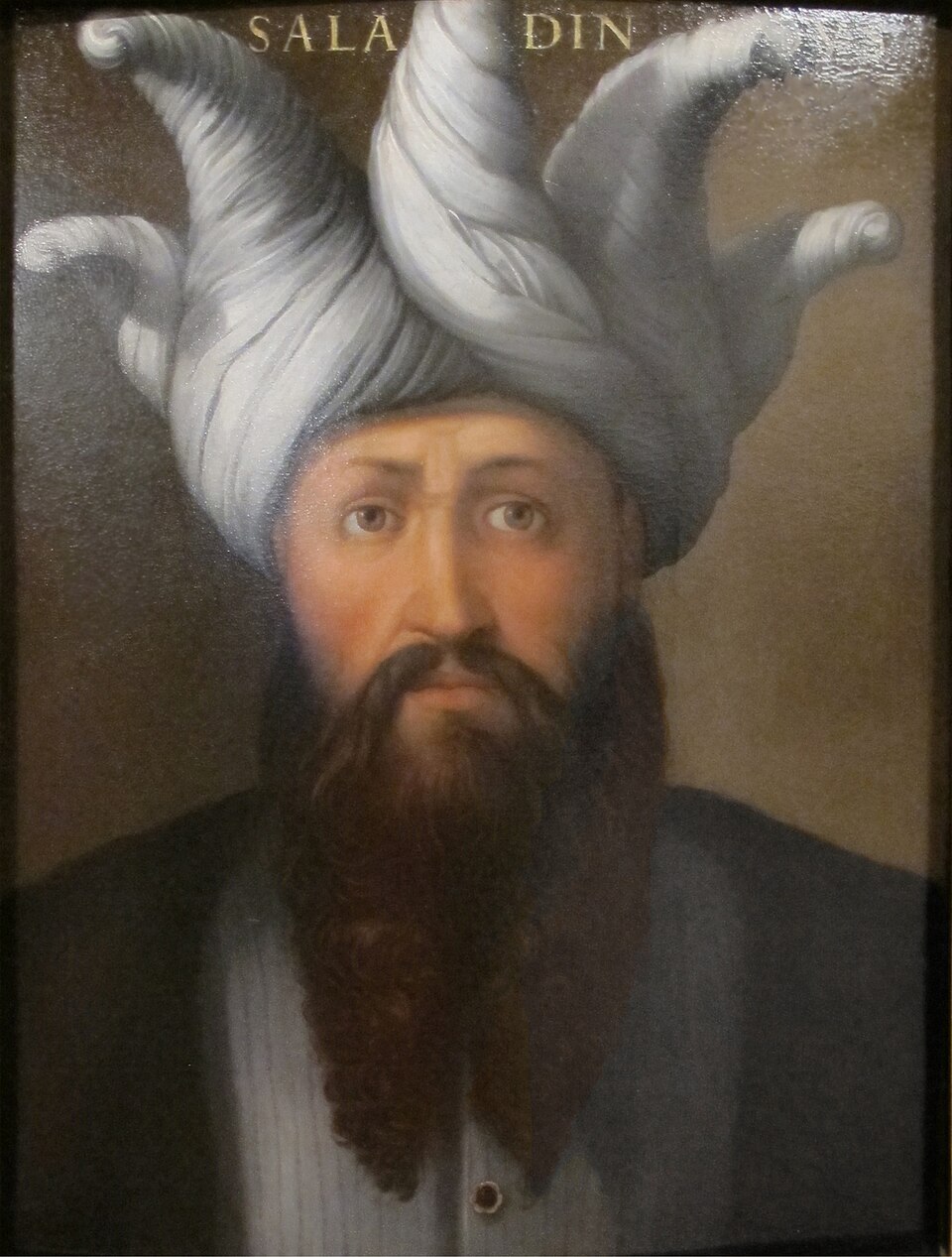
My day began before sunrise, with prayer. Then I received my counselors under the great command tent, an embroidered pavilion that served as my palace when on campaign. In the afternoon, I dispensed justice; in the evening, I read religious texts and accounts of the past. For food? Bread, rice, lamb, dried fruit, honey, and spices. Nothing extravagant. Imagine a simple meal, shared sitting on the ground with my officers. A sultan who eats like a king but sleeps under a tent stays close to his soldiers.
A leader who sleeps under a tent stays close to his soldiers.
—Do you regret anything in all your wars?
Every war leaves regrets, my child, even those you win. I saw cities burn, friends fall, children weep for their fathers. I fought for nearly twenty years, from the Battle of Hattin to the coasts of the Levant, Acre, Jaffa. I believed I served a just cause, and I still believe it. But victory tastes bitter when you count the graves. If I could pass on one thing: never seek war for glory. Seek it only when there is truly no other path to protect your own.
Victory tastes bitter when you count the graves.
—What would you like people to remember about you, centuries later?
Not only my battles. Any leader wins and loses fights. I would like them to remember that one can be powerful and just. When I died in 1193, in Damascus, they say I had almost no gold in my treasury: I had given it all away. I united torn lands, retook Jerusalem without drowning the city in blood, and extended my hand to my enemy. Imagine being remembered not for what you took, but for what you spared. That is the legacy I wanted to leave.
Let them remember you for what you spared, not for what you took.

This imaginary interview was generated by artificial intelligence from sources documented in Saladin's profile. It dramatises what the figure might have said based on what we know about them, but does not constitute attested historical testimony. For primary sources and factual documentation, refer to the full profile.