Kids interview Victor Hugo
by Charactorium · Victor Hugo (1802 — 1885) · Literature · Politics · 5 min read
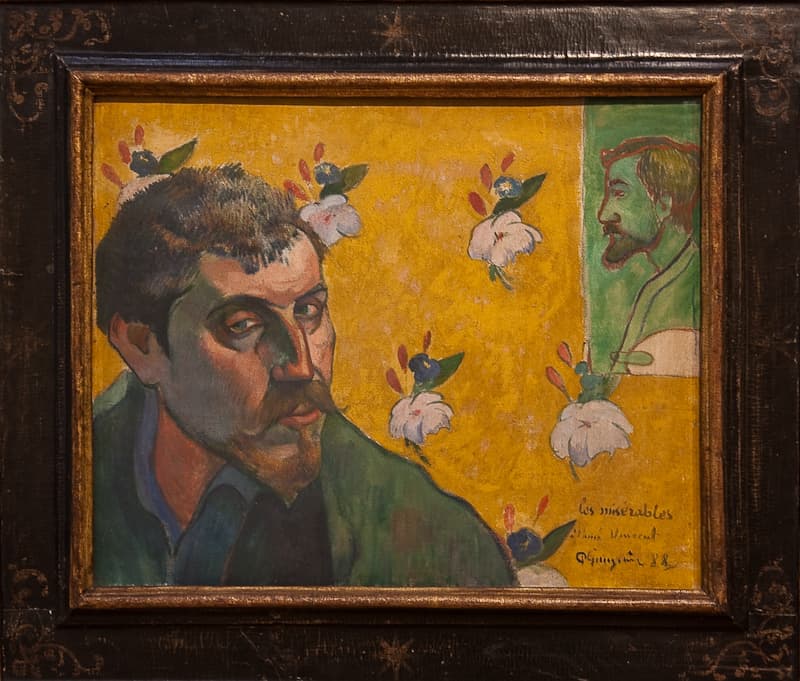
That morning, two middle-school students on a field trip push open the door of the house on the Place des Vosges. An old gentleman with a white beard is waiting for them, a mischievous gleam in his eye. His name is Victor Hugo, and he has agreed to answer all their questions.
—What was Paris like when you were young? Were there many poor people?
You know, my child, the Paris of my youth was nothing like a postcard. Imagine narrow, dark alleys where dirty water ran down the middle. And everywhere, people who were hungry. In 1832, an uprising broke out in the Saint-Merry district. I was there, in the street, and I saw the barricades, the gunfire, the blood on the cobblestones. I saw gaunt children, women begging. It wrenched my heart. I told myself: I must tell this story. Much later, those images became Les Misérables. You never invent misery. You look at it, and you remember it.
You never invent misery. You look at it, and you remember it.
—Why did you write an entire novel about a cathedral?
Good question! When I was young, people no longer respected the old churches. The cathedral of Paris, Notre-Dame, was falling into ruin. They were breaking its stones, walling up its windows. It made me sad. Imagine letting the most beautiful thing in your city rot before your eyes. So in 1831, I wrote a novel with Quasimodo, the bell-ringer, and the stone became a character in its own right. I wanted people to lift their heads and look at the treasure above them. And you know what? It worked. After my book, people began to repair the old cathedrals. A book can save stones.
A book can save stones.
—Did you think books were stronger than buildings?
Ah, that's exactly what I believe! In my novel, there is a line I love: “This will kill that. The book will kill the edifice.” Let me explain, because it sounds mysterious. For centuries, men told their ideas by building giant cathedrals. It was their way of writing in the sky. But then came the printing press, that machine that copies words onto paper. Imagine: before, it took years to carve an idea into stone. With the printing press, a thousand books in a few days! Ideas became light and traveled. A cathedral stays in one place. A book, however, crosses the seas.
A cathedral stays in one place. A book, however, crosses the seas.
—Who is Jean Valjean? Why does everyone know him?
Jean Valjean is the hero of Les Misérables, my great novel from 1862. Imagine a man who steals a simple loaf of bread because his sister's children are hungry. For that bread, he is locked away for years in the galleys. When he gets out, everyone rejects him like a mangy dog. And yet, this man becomes good, generous, almost a saint. I wanted to show a simple thing: it is not prison that makes a man bad or good, it is his heart. Society condemns the poor too quickly. I wanted to reach out to them through a story. That's why people still read Jean Valjean all over the world.
It is not prison that makes a man, it is his heart.
—Were you really against the death penalty? Why did it affect you so much?
Yes, with all my strength, all my life. You know, as early as 1829, I wrote a little book, The Last Day of a Condemned Man. I have a man who is about to be executed speak, hour by hour. I wrote this terrible line: “A condemned man is a man whose legs have been cut off and who is told: walk!” Imagine that: you punish someone, then you ask the impossible. Cutting off a man's head is not repairing the harm he did. It is just adding one death to another. I found it barbaric, unworthy of a civilized country. So I took up my pen like a shield.
Cutting off a head is not repairing the harm. It is adding one death to another.
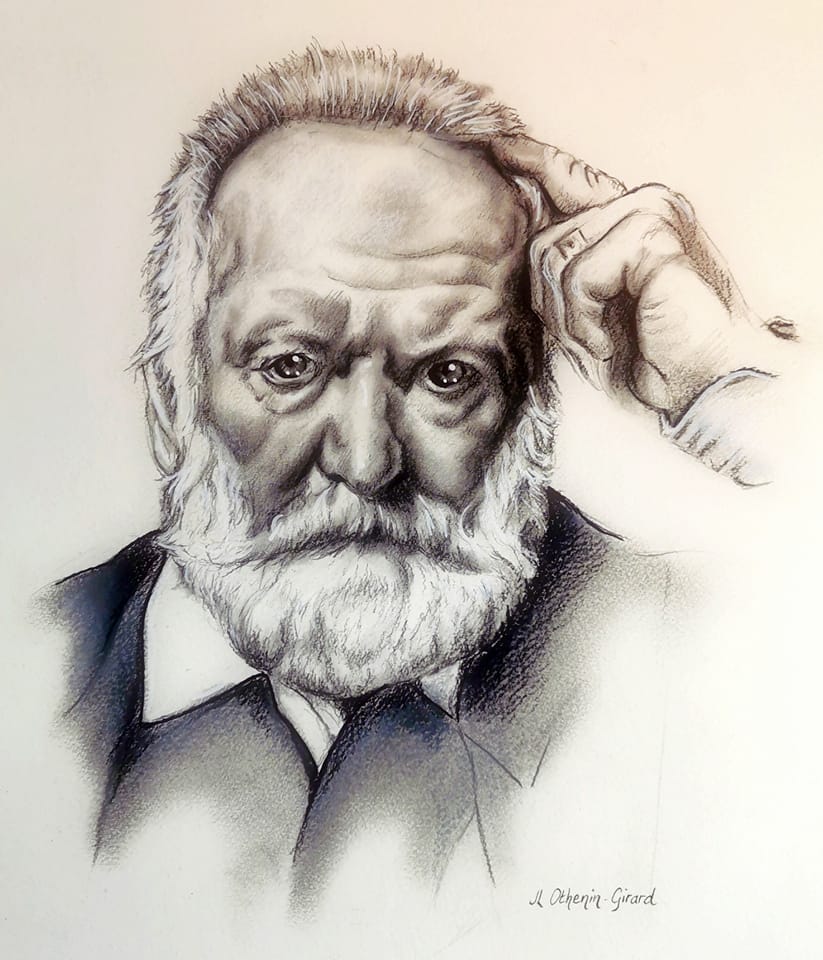
—Did you speak about it in front of politicians? Did they listen to you?
Yes! In 1848, I was elected, I sat in the Assembly, where laws are made. I stood up before all those gentlemen in suits and defended the lives of the condemned. I said that “death is not a punishment, it is a negation.” That means that by killing a man, you educate no one, you erase everything, it's over. Not everyone agreed, believe me. Some looked at me sneering. But I didn't care. When you believe in a just thing, you repeat it, even alone, even a thousand times. Progress is slow. A just idea is like a seed: sometimes it takes a hundred years to see it become a tree.
A just idea is a seed: sometimes it takes a hundred years to grow.
—Is it true you had to leave France? What had you done?
I hadn't done anything wrong, my child. It was he who acted badly. In 1851, a man, Louis-Napoléon, seized power by force, trampling on the Republic. I fought him with every word I had. So I became dangerous to him, and I had to flee to avoid arrest. I went far away, to a small island in the middle of the sea, Guernsey. Imagine a house battered by the wind, facing the gray waves, hours by boat from my country. I stayed there almost twenty years. It was hard, the homesickness. But I preferred exile to lies.
I preferred exile to lies.
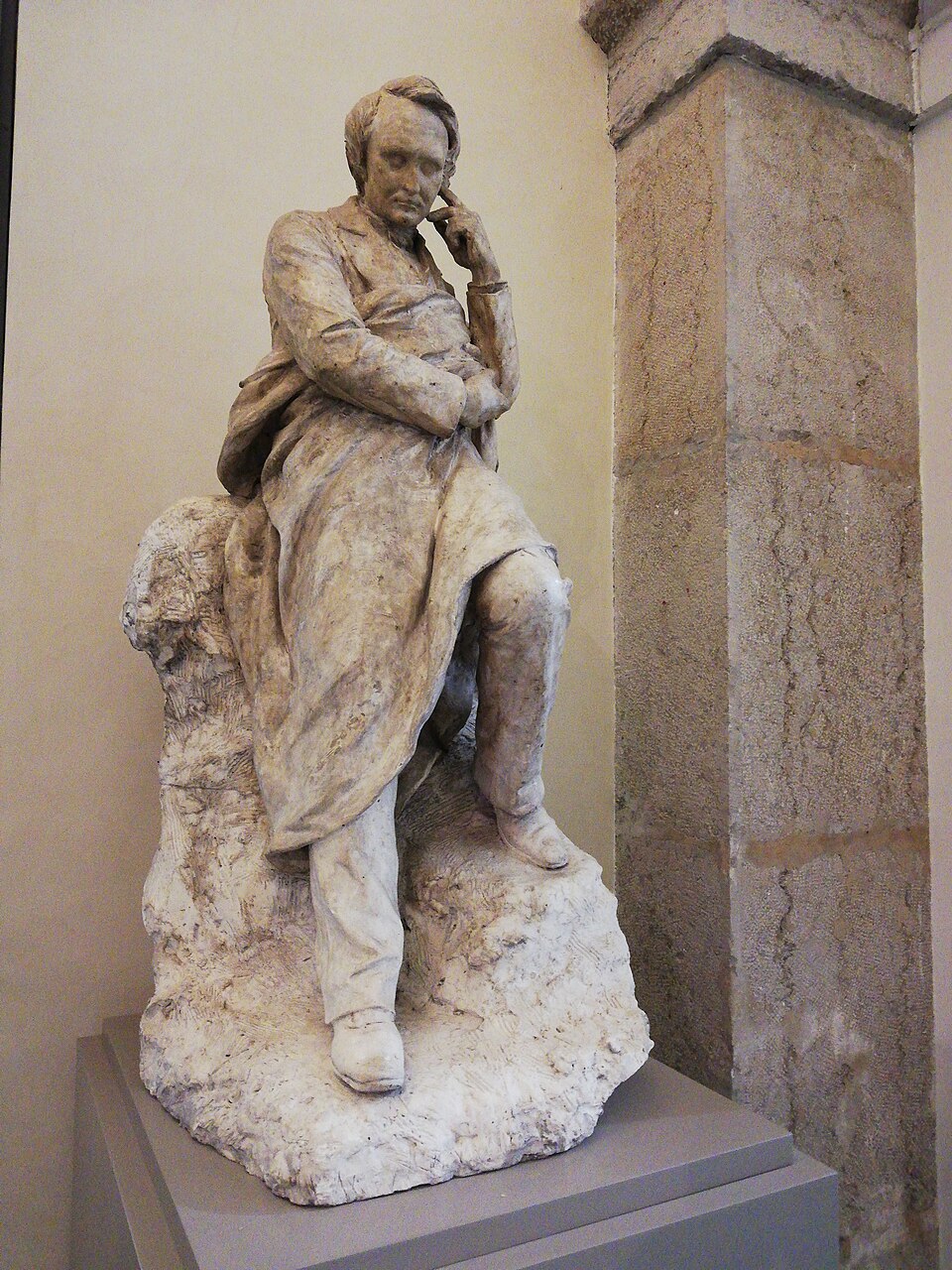
—Weren't you too sad, all alone on your island?
Sad, yes, sometimes. But never defeated. On my rock of Guernsey, I wrote to my friend Juliette, and I told her: “I am in exile, but my thought is free.” You see, you can lock my body on an island, but not my ideas. So I kept writing, even stronger. I composed a fierce collection of poems, Les Châtiments, in 1853, to denounce the one who had stolen the Republic. They were my arrows launched across the sea. And then I listened to the waves, I watched the horizon, and I worked. A man free in his head is never truly a prisoner.
You can lock my body, but never my thought.
—What does it feel like to become so famous that everyone loves you?
You know, it's strange and moving at the same time. In 1841, I was inducted into the Académie française, that club of great writers. It was an honor. But the real happiness came later. In 1877, for my birthday, hundreds of thousands of Parisians paraded in front of my house, just to greet me! Imagine an immense crowd, hats waving, children on their fathers' shoulders, all for an old gentleman at his window. It brought tears to my eyes. It wasn't me they loved, deep down. It was freedom, it was the people recognizing themselves in my books.
It wasn't me they loved: it was freedom.
—And after your death, what would you like people to remember of you?
What a beautiful question to end with. When I leave, I know, there will be a grand funeral, and I will be laid to rest at the Panthéon, where France honors its great men. But honors, you see, last only a day. What I want to leave is something else. I want a child like you, a hundred years from now, to open Les Misérables and say to himself: “I must never despise a poor person.” I want people to keep defending the weak and hating injustice. My books are not meant to stay on a shelf. They are meant to make you better. That is my true tomb: your heart.
My true tomb is not stone: it is your heart.
This imaginary interview was generated by artificial intelligence from sources documented in Victor Hugo's profile. It dramatises what the figure might have said based on what we know about them, but does not constitute attested historical testimony. For primary sources and factual documentation, refer to the full profile.