Imaginary dialogue between Prempeh Ier (Agyeman Prempeh) and Yaa Asantewaa
by Charactorium · Yaa Asantewaa (1832 — 1921) · Military · 5 min read

It is on a terrace swept by the trade winds, in the Seychelles, that Prempeh I meets Yaa Asantewaa one evening in the dry season. The sea glistens in the distance, so different from the red hills of Ashanti they both left behind. Deposited and deported before her, the king now listens as an equal to the one who bore arms in his absence. Between them, the smell of kente stored in chests and the memory of a throne no white man has ever touched.
—Mother, when Governor Hodgson demanded the Golden Stool before the assembled chiefs, I was already far away, in exile. Tell me what rose up in you that day.
You were no longer there to speak, my king, and that is what burned me. I saw the men lower their eyes, weighing their lives against the seat of our soul. Hodgson wanted to sit on the Sika Dwa Kofi as one sits on a kitchen stool! I felt shame rise in the hall like smoke. So I stood up, an old woman among warriors, and said that if the men of Ashanti would not go forward, then we, the women, would. It was not courage, it was necessity. Someone had to remind them that one does not bargain away the spirit of a nation. That day, my voice trembled, but not my hands.
Hodgson wanted to sit on our soul like on a kitchen stool.
—Your words were reported throughout the confederation. Had you truly decided to take up arms yourself, or did you only hope to awaken the chiefs?
Both, my king, for one cannot go without the other. A word that risks nothing awakens no one. If I had begged the chiefs without being ready to carry the powder myself, they would have heard an old woman's complaint and gone back to sleep. But when they understood that I would keep my word, that I would march ahead if necessary, their blood rekindled. You know as well as I that among us authority is not commanded, it is proven. I put my body where my mouth was. The young men who hesitated saw a white-haired Asantehemaa refuse submission, and they were ashamed of their caution. Shame, sometimes, makes better soldiers than the drum.
A word that risks nothing awakens no one.
—You were over seventy when you led the siege of the fort of Kumasi. How does a queen mother learn to command armed men?
One does not learn it from the white men's books, believe me. One learns it by having seen, all one's life, how men gather and how they disperse. I listened to those who knew the Martini-Henry rifles and the powder, and I let the captains lead the assaults. But it was I who held the thread. When the fontomfrom beat, the warriors knew that the mother was watching, that no one would yield behind them. We surrounded the fort, cut off the water, made patience our weapon against their cannons. Their iron was heavier than ours, I do not deny it. But an old woman who does not sleep sometimes frightens more than a cannon. I was there every dawn, and every dawn they saw me still standing.
An old woman who does not sleep sometimes frightens more than a cannon.
—Their field guns and stone walls... did you never doubt, facing that force, that you had led our people to defeat?
Doubt, my king, I kept for the night, never for the day. Yes, their walls were high and their iron never ran out. We counted our ammunition one by one while they unloaded whole crates. But ask yourself: what would we have become without fighting? A people that surrenders its throne without firing a shot never rises again. I would rather have fallen standing than lived bent. What we lost in men we gained in memory. The children will know that Ashanti was not taken from us in our sleep. And besides, you who know our people better than I, you know that a defeat of arms is not a defeat of spirit as long as the stool remains hidden.
I would rather have fallen standing than lived bent.
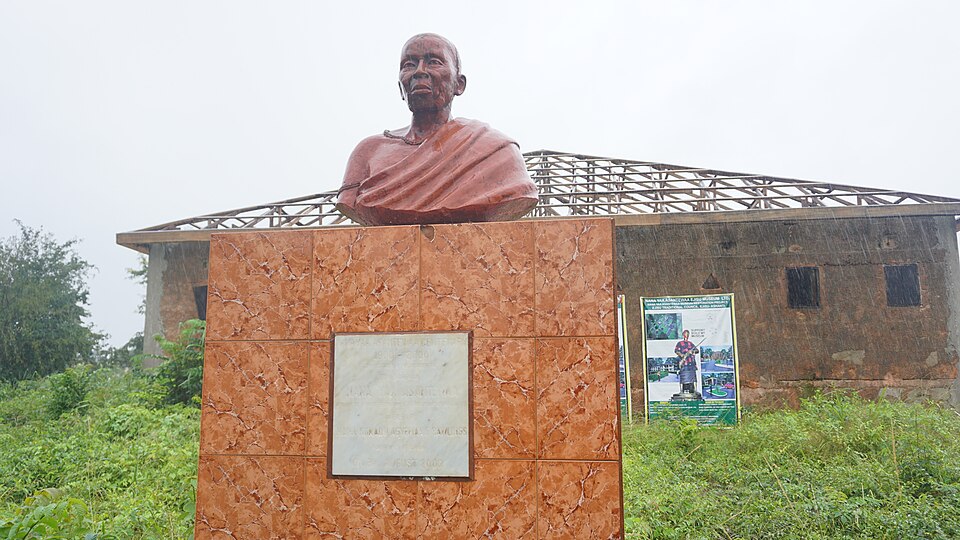
—Let us speak of that stool. The Sika Dwa Kofi they searched everywhere for without finding it — did you know, while leading the war, where it rested?
What I know, I keep, even before you, my king, for the secret of the Sika Dwa Kofi belongs to no single person. Know only this: they turned over the earth, opened houses, threatened the elders, and their hands remained empty. That throne is not a piece of furniture, it is the soul descended from heaven upon the Ashanti people. To give it would have been to hand them our breath. That is why I stood up: not for gold, not for a gilded seat, but for what makes us one. The whites believed that by sitting on it they would possess us. They never understood that one does not sit on the spirit of a nation. As long as it sleeps hidden, we are not truly defeated, wherever they send us.
That throne is not a piece of furniture, it is the soul descended from heaven upon our people.
—Before the war, you were queen mother of Ejisu, the one who had enthroned your own grandson. Where did that authority come from, that even the warriors respected?
From the lineage, my king, and you know that better than anyone, you who wore the crown of the lineage. Among us, the blood of power passes through the mothers. I had placed my grandson on the stool of Ejisu, I had settled quarrels, listened to the subjects' complaints in the council of elders. When an Asantehemaa speaks, it is not a single woman who speaks, it is all the mothers and all the ancestresses behind her. The warriors did not follow me because I shouted loudly, but because my word had the ancestors behind it. A nation that despises its queen mothers cuts itself off from half its strength. The whites never understood that: they saw only an old woman. They did not see the lineage standing behind me.
When a queen mother speaks, it is all the ancestresses behind her who speak.
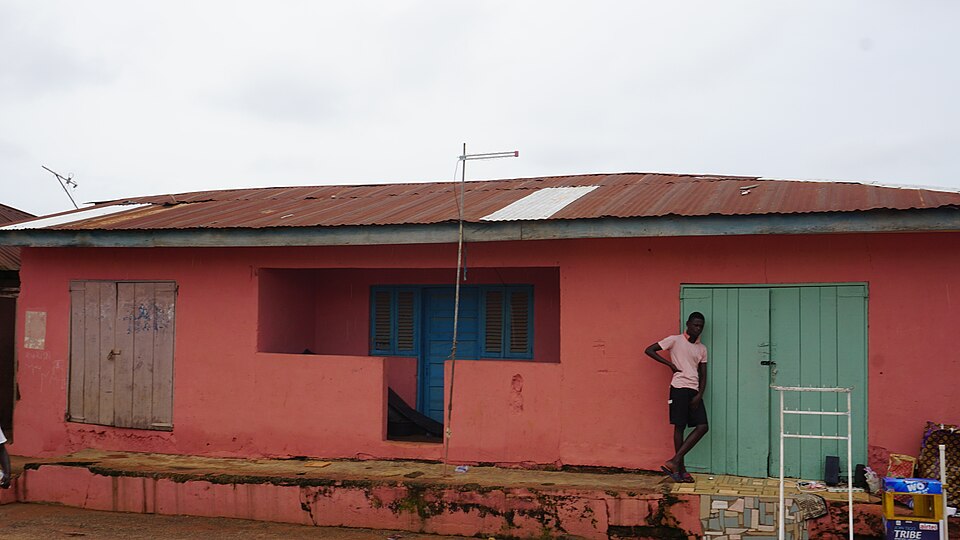
—Your days in Ejisu, before the guns — were they so different from what you imagined a life of war would be?
Closer than you think, my king. People think that governing and waging war are two different things, but it is the same trade of patience. In the morning, I received the reports of the court; in the afternoon, I settled disputes, listened to the subjects, weighed every word before the council. In the evening came the rites, the libations to the ancestors, the remembrance of the Golden Stool. All of that taught me to judge men, to know who would hold and who would flee. When war came, I did not change my nature: I merely exchanged the palaver for the fontomfrom. Directing a siege is still listening, weighing, deciding, refusing to yield to fatigue. The queen mother I was in Ejisu and the commander of Kumasi are one and the same woman.
Governing and waging war are the same trade of patience.
—Here we are, both of us on this distant island, so far from Ashanti. You who risked everything, what do you feel when you look at this sea that is not ours?
This sea tires my eyes, my king. It is beautiful, but it has neither the smell of our hills nor the voice of our drums at evening. When they put us on the ship, I understood that I would probably never see Ejisu again. It is a pain that does not cry out, that settles in like an old companion. And yet, I regret nothing. Better to grow old in exile for having stood tall than to die at home having bowed the spine. To know you are here, near me, lightens the burden a little: we carry the same land in our chest. One day, perhaps not in our lifetime, children will say the name of Ashanti without lowering their voice. That thought keeps me warm when the island wind turns cold.
Better to grow old in exile for having stood tall than to die at home having bowed the spine.
—If one of us should one day return and be asked why the old queen of Ejisu made war, what should be answered?
Let them answer simply the truth, my king: that I made it so that no one could ever say that the Ashanti sold their soul without resisting. Perhaps they will not remember my lost battles, nor the number of our guns. But let them remember that a woman stood up when the men hesitated, and that this gesture awakened a people. I did not fight to defeat the whites — I knew their iron was too heavy. I fought so that dignity would remain alive, so that our grandchildren would inherit a people standing and not a people on their knees. Tell them that freedom is not begged for, it is defended, even old, even alone, even losing. The rest belongs to the ancestors and to time.
Let them remember that a woman stood up when the men hesitated.
This imaginary interview was generated by artificial intelligence from sources documented in Yaa Asantewaa's profile. It dramatises what the figure might have said based on what we know about them, but does not constitute attested historical testimony. For primary sources and factual documentation, refer to the full profile.