 flip
flipBlack Coffee of Late-Night Labor
Black Coffee of Late-Night Labor
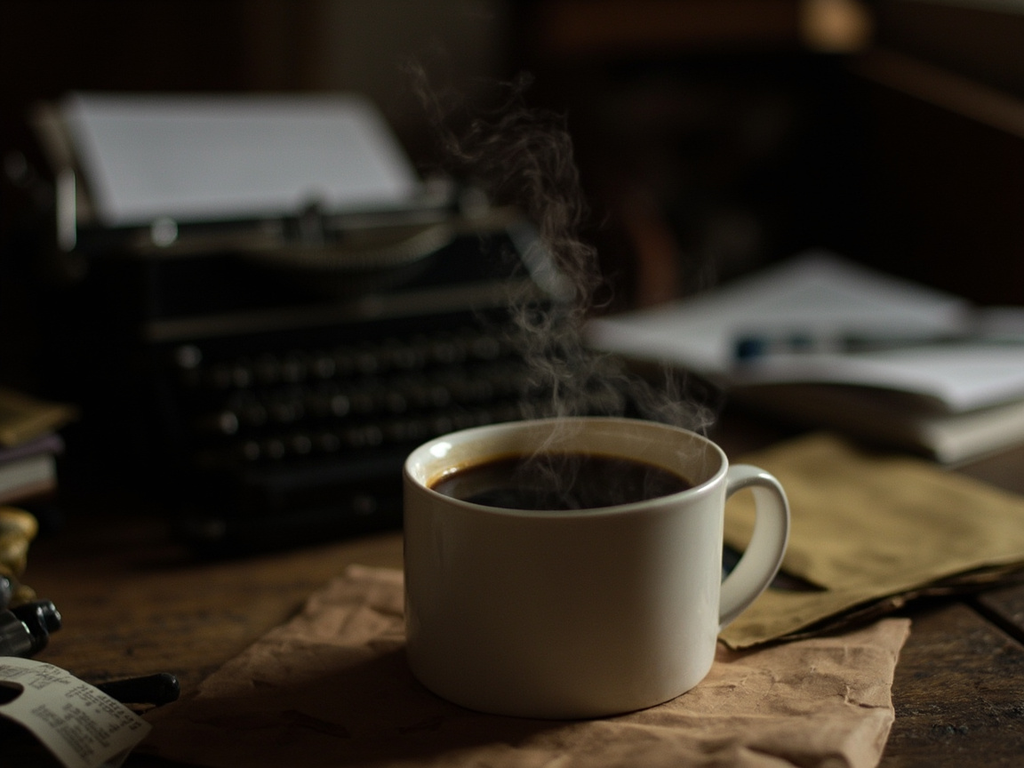
Why this dish? His file states clearly: water was his usual drink, but 'coffee and tea were his companions of late-night work.' Randolph edited the radical magazine *The Messenger* with Chandler Owen and organized his union during endless evenings: this strong black coffee is literally the fuel of his activism.
A black, strong coffee, sometimes stretched with a little chicory in the Southern style, drunk unceremoniously during long nights of writing and organizing.
What would you have, the work does not get done in one's sleep. Many an evening, while the columns of *The Messenger* remained to be written and the porters counted on me, it was a simple cup of black coffee that kept me awake and clear-headed. I took it strong, sometimes laced with a hint of chicory as they do in the South, and without superfluous sugar—my table was always sober. Know that a cause is also served by lamplight, a cup within reach, long after the city has gone to sleep.
- •Ground coffee — one heaping spoonful per cup (base)
- •Roasted chicory root — a little (optional) (Southern bitterness)
- •Water — one cup per person (infusion)
Black Coffee of Late-Night Labor
A black, strong coffee, sometimes stretched with a little chicory in the Southern style, drunk unceremoniously during long nights of writing and organizing.
Why this dish? His file states clearly: water was his usual drink, but 'coffee and tea were his companions of late-night work.' Randolph edited the radical magazine *The Messenger* with Chandler Owen and organized his union during endless evenings: this strong black coffee is literally the fuel of his activism.
What would you have, the work does not get done in one's sleep. Many an evening, while the columns of *The Messenger* remained to be written and the porters counted on me, it was a simple cup of black coffee that kept me awake and clear-headed. I took it strong, sometimes laced with a hint of chicory as they do in the South, and without superfluous sugar—my table was always sober. Know that a cause is also served by lamplight, a cup within reach, long after the city has gone to sleep.
Ingredients (period version)
- Ground coffee — one heaping spoonful per cup (base)
- Roasted chicory root — a little (optional) (Southern bitterness)
- Water — one cup per person (infusion)
Ingredients
- Dark roast coffee, ground — 2 tbsp per cup (bold base)
- Roasted chicory (New Orleans style) — 1 tsp (optional) (rounded bitterness)
- Simmering water (about 93°C) — 250 ml per cup (infusion)
Method
- Mix ground coffee and, if desired, roasted chicory.
- Pour simmering (not boiling) water over the grounds and steep for 4 minutes.
- Filter and serve hot, black and unsweetened, to remain faithful to the character's sober spirit.
- For long nights: keep warm on a low heat plate rather than reboiling, which would make it harsh.
How it was made : Coffee with chicory, inherited from Louisiana and periods of shortage when coffee was stretched with roasted root, was common in the South. In militant 1920s–1960s Harlem, coffee was the fuel of union offices and newsrooms.
The contemporary twist : Served in a small cup like a 'desk espresso,' with a label reading 'The Messenger blend': a nod to the newspaper Randolph edited.
Sources : Jeffrey B. Perry, et travaux historiques sur The Messenger (Randolph & Owen, 1917-1928)
A. Philip Randolph · Charactorium