 flip
flipHoney and fig cakes for the gods
Honey and fig cakes for the gods
Why this dish? Ajax's end is tragic: abandoned by the gods, struck with madness, he takes his own life. These sweet offerings evoke the acts of piety a warrior performed to win the favor of the Immortals — or the funeral honors later placed on his tomb at Cape Rhoeteum, where the Salaminians venerated him as a hero.
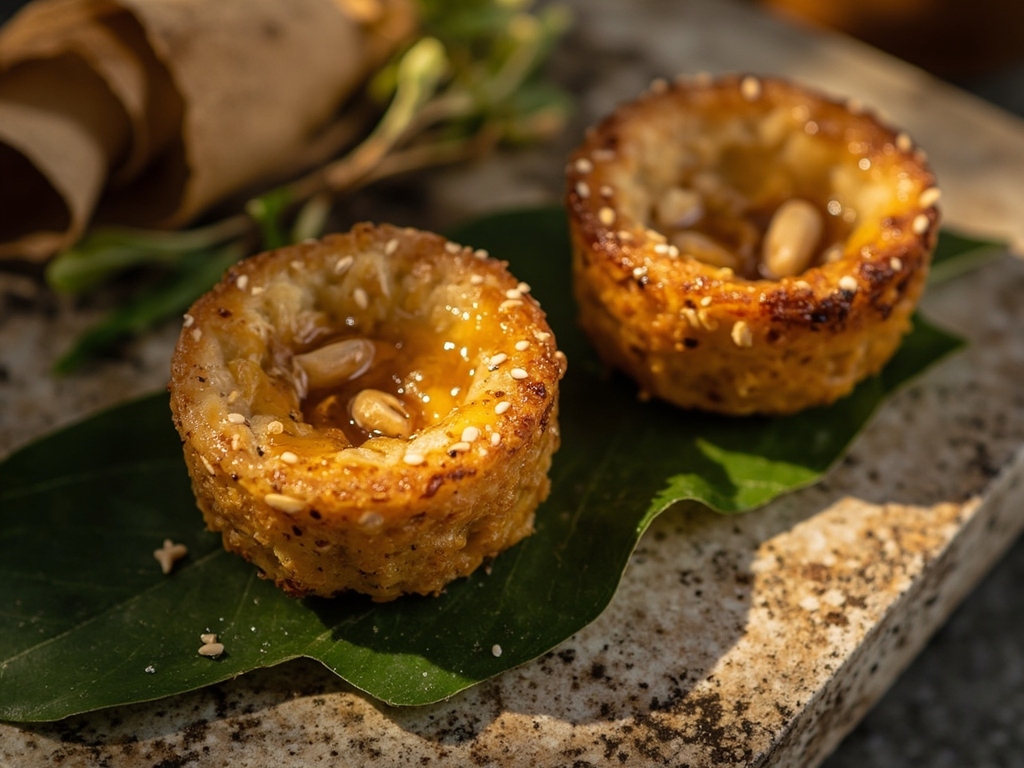
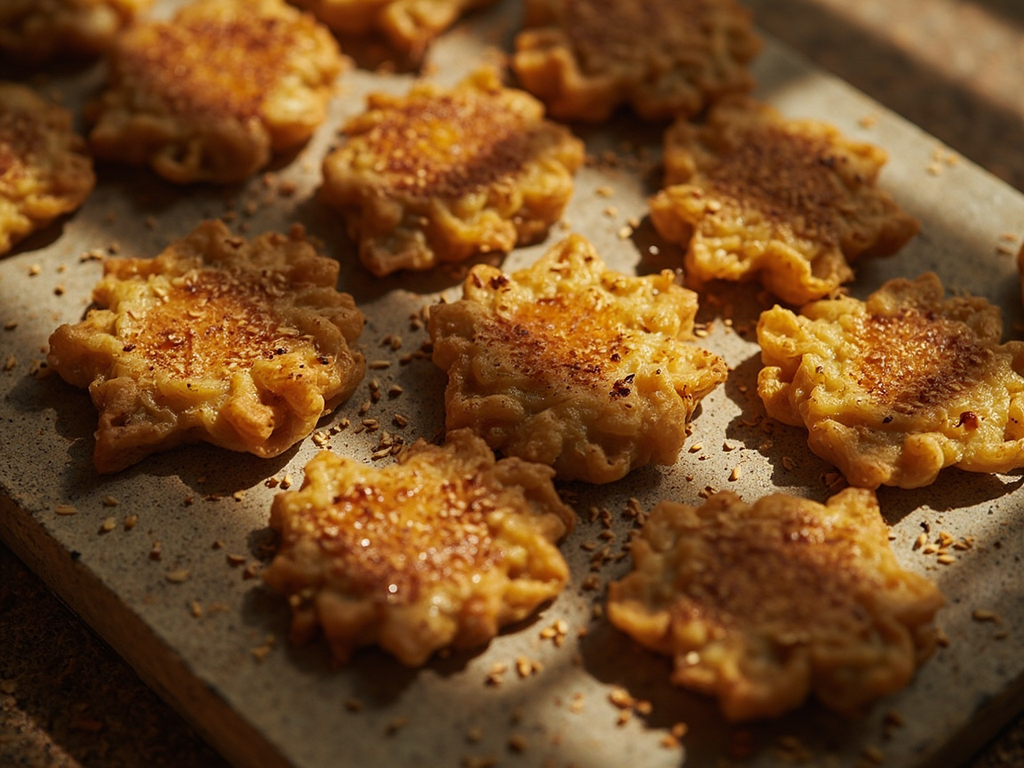
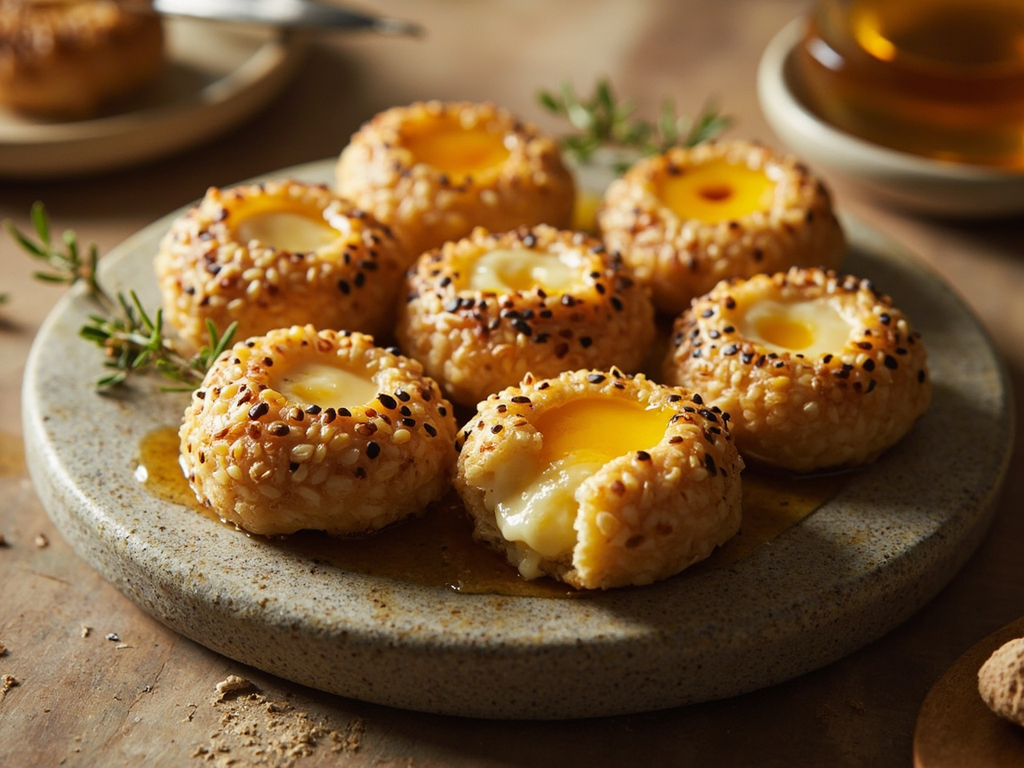
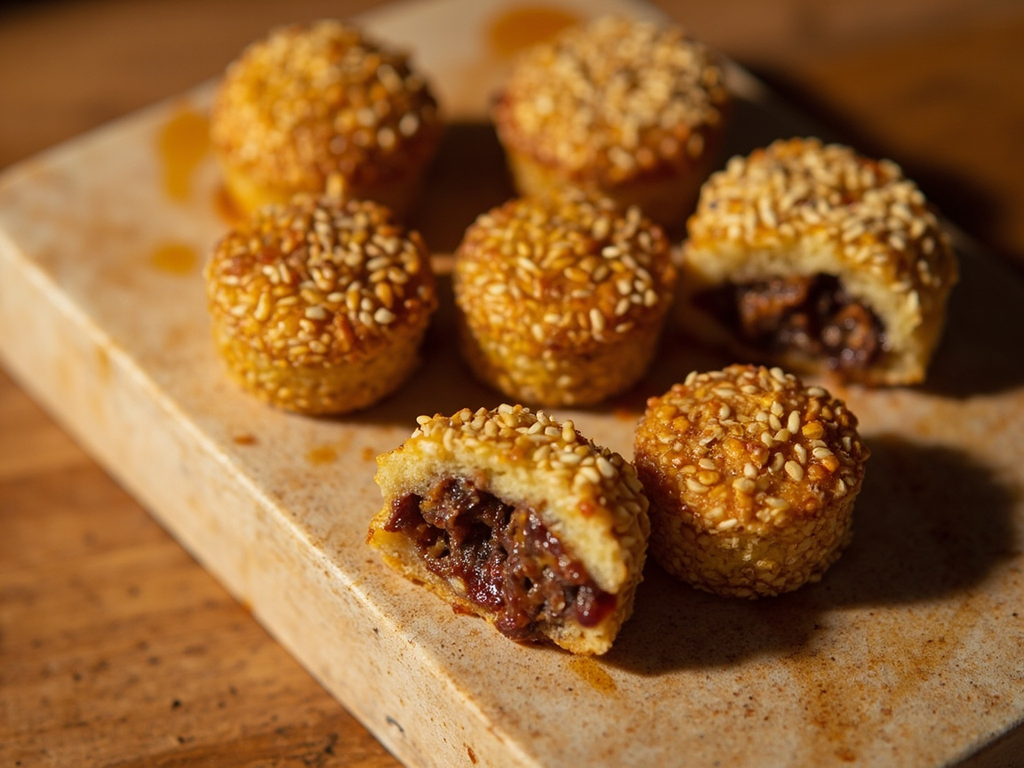
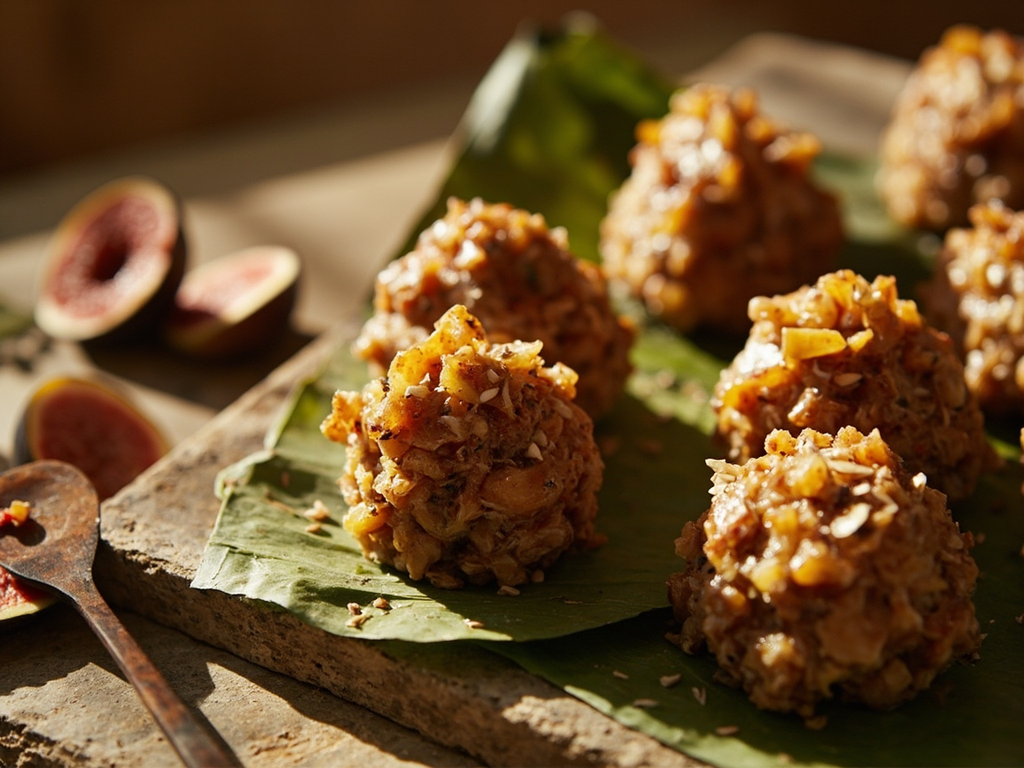
Small cakes of barley and honey flavored with dried fig and sesame, baked and then placed as a bloodless offering. The sweet side of Greek religion, alongside meat sacrifices.
The gods do not always receive blood, stranger. Sometimes we bring them honey, barley, and fig, sweet things kneaded by our hands and placed on the altar without any beast dying. I who have given so much to the gods and felt betrayed by them at the end, I have learned this: offer to them first, then share what remains. Place this cake on the stone, speak your wish in a low voice, and eat the rest thinking of those who are no more.
- •Barley (or wheat) flour — enough to form the dough (base of the cake)
- •Honey — generously (binder and sacred sweetness)
- •Dried figs — a handful, chopped (fruit of the cake)
- •Sesame seeds — a pinch (aromatic garnish)
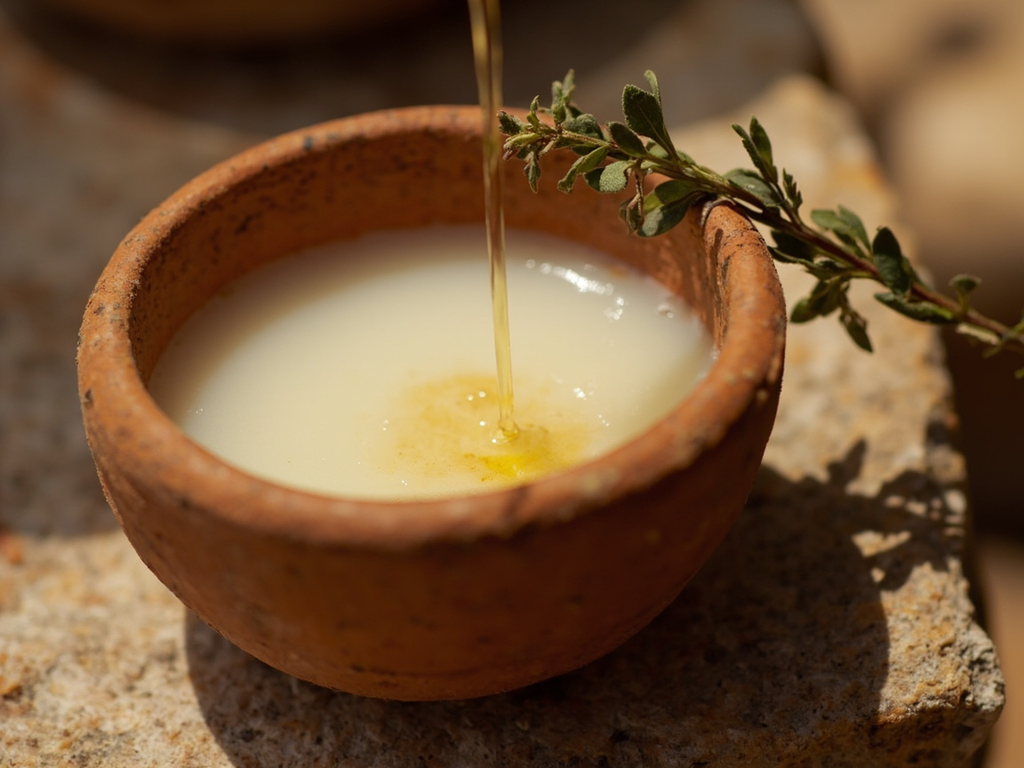
- •Olive oil — a drizzle (softness)
Honey and fig cakes for the gods
Small cakes of barley and honey flavored with dried fig and sesame, baked and then placed as a bloodless offering. The sweet side of Greek religion, alongside meat sacrifices.
Why this dish? Ajax's end is tragic: abandoned by the gods, struck with madness, he takes his own life. These sweet offerings evoke the acts of piety a warrior performed to win the favor of the Immortals — or the funeral honors later placed on his tomb at Cape Rhoeteum, where the Salaminians venerated him as a hero.
The gods do not always receive blood, stranger. Sometimes we bring them honey, barley, and fig, sweet things kneaded by our hands and placed on the altar without any beast dying. I who have given so much to the gods and felt betrayed by them at the end, I have learned this: offer to them first, then share what remains. Place this cake on the stone, speak your wish in a low voice, and eat the rest thinking of those who are no more.
Ingredients (period version)
- Barley (or wheat) flour — enough to form the dough (base of the cake)
- Honey — generously (binder and sacred sweetness)
- Dried figs — a handful, chopped (fruit of the cake)
- Sesame seeds — a pinch (aromatic garnish)
- Olive oil — a drizzle (softness)
Ingredients
- Barley or whole wheat flour — 200 g (base)
- Honey — 120 g (sweetener and binder)
- Dried figs — 100 g chopped (fruit)
- Sesame seeds — 2 tablespoons (garnish)
- Olive oil — 2 tablespoons (softness)
- Water — 60 ml (adjust dough)
Method
- Mix the flour with the chopped figs and half the sesame seeds.
- Add the olive oil, half the honey, and the water; knead into a soft dough.
- Form small round cakes or flattened balls and place them on a baking sheet lined with parchment paper.
- Sprinkle with the remaining sesame seeds and bake at 180°C for about 15 to 18 minutes, until golden.
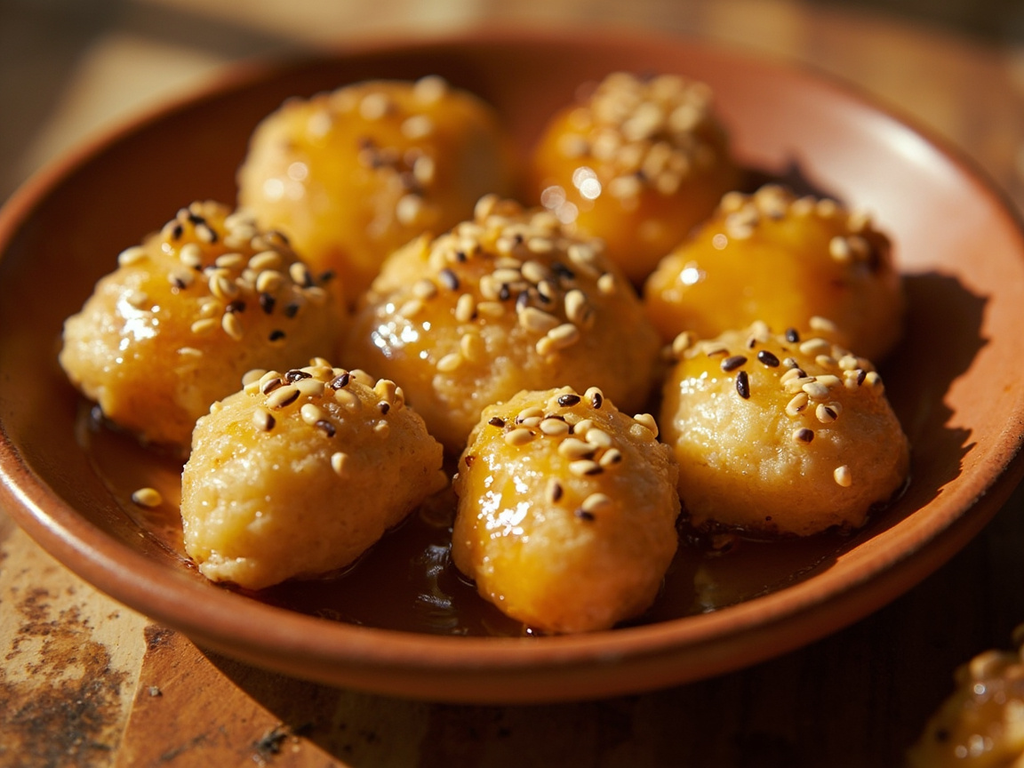
- When out of the oven, brush with the remaining honey while still warm to make them shine.
- Let cool slightly: you can symbolically place one 'as an offering' and enjoy the others.
How it was made : The Greeks also practiced bloodless offerings (pelanos): cakes, griddle cakes, honey, fruits, grains placed on altars or poured as libations. Honey was the only major sweetener in the ancient world (cane sugar was unknown), and the fig, a sacred fruit and food of both poor and rich, was ubiquitous. On the tombs of heroes like Ajax, offerings and libations were placed during heroic cults.
The contemporary twist : Roll the cakes while still warm in sesame seeds and present them on a fig leaf — 'the Immortals' portion', to offer to your guests rather than to Olympus.
Sources : Pausanias, Description of Greece (heroic cults and offerings) · Andrew Dalby & Sally Grainger, The Classical Cookbook (1996)
Ajax · Charactorium