 flip
flipBohnenkaffee (Black Coffee, Plain and Strong)
Bohnenkaffee (Black Coffee, Plain and Strong)
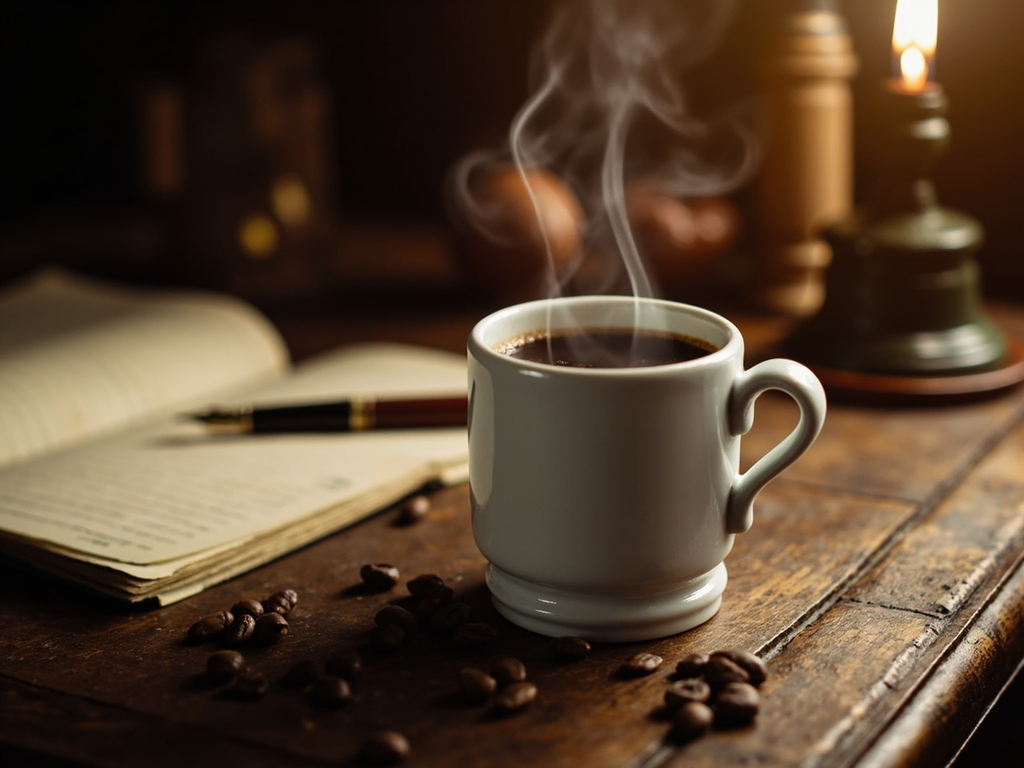
Why this dish? His file says it: "lots of coffee." Einstein was a notorious coffee drinker, steaming cup at the corner of his desk, in the Viennese and Berlin cafés where the scientific community reshaped the world. Coffee is the most solidly attested element of his daily diet.
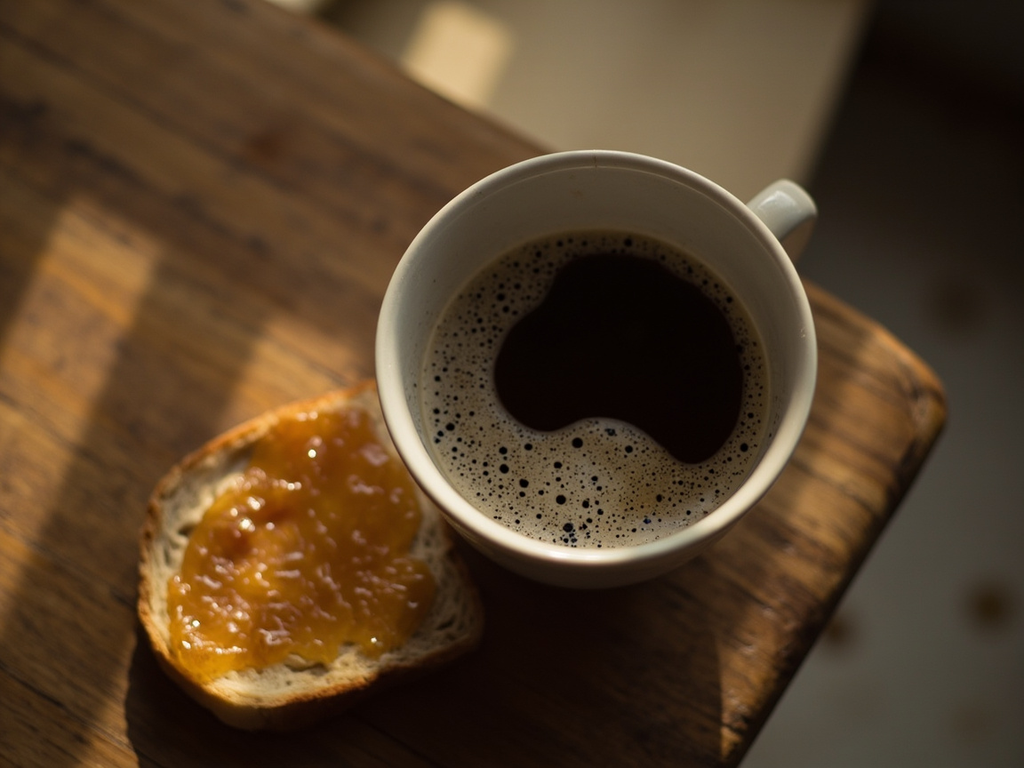
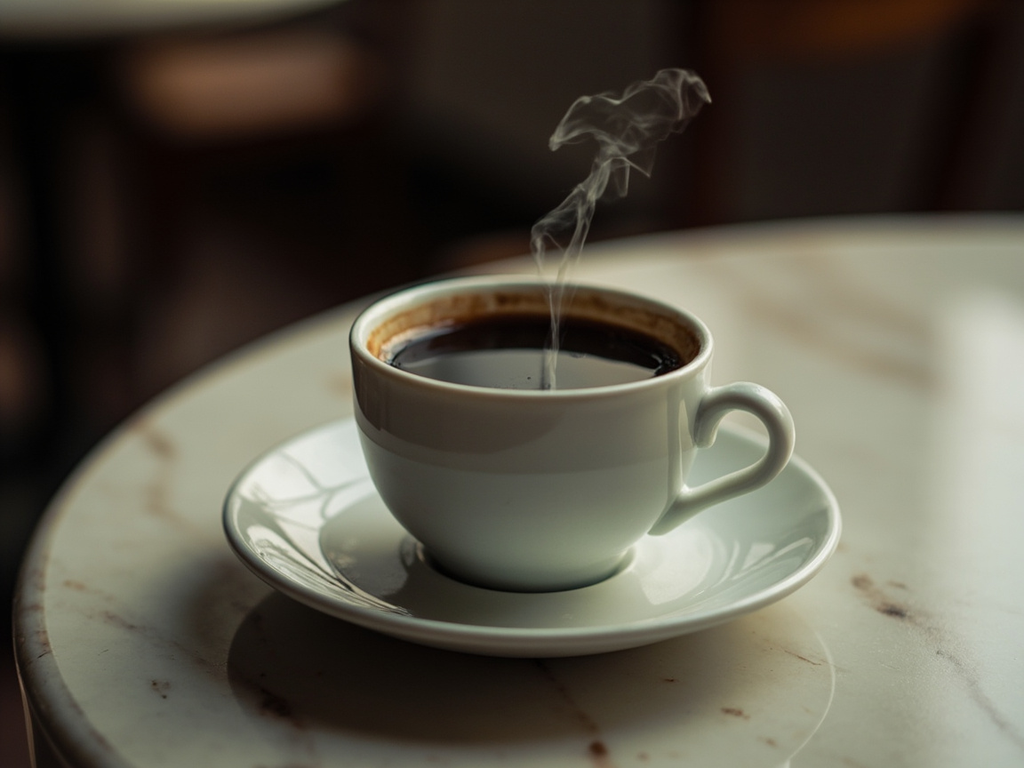
A black, strong coffee, freshly ground and brewed with near-boiling water — the fuel of the learned cafés of Bern, Zurich and Berlin where Einstein scribbled his ideas on the tablecloth.
Give me a cup of coffee and a pencil, and I'll turn the universe upside down — or at least I'll try! At the café in Bern, we would stay for hours, pipe smoke rising to the ceiling, discussing electrons and ether. Coffee, you see, must be neither scalding nor boiled: near-boiling water, never at a rolling boil, otherwise you kill all its aroma. Drink it black, without fuss. It's my only luxury, and the best companion to thought I know.
- •Freshly roasted coffee beans — a good spoonful per cup (base)
- •Spring water — one cup (extraction)
Bohnenkaffee (Black Coffee, Plain and Strong)
A black, strong coffee, freshly ground and brewed with near-boiling water — the fuel of the learned cafés of Bern, Zurich and Berlin where Einstein scribbled his ideas on the tablecloth.
Why this dish? His file says it: "lots of coffee." Einstein was a notorious coffee drinker, steaming cup at the corner of his desk, in the Viennese and Berlin cafés where the scientific community reshaped the world. Coffee is the most solidly attested element of his daily diet.
Give me a cup of coffee and a pencil, and I'll turn the universe upside down — or at least I'll try! At the café in Bern, we would stay for hours, pipe smoke rising to the ceiling, discussing electrons and ether. Coffee, you see, must be neither scalding nor boiled: near-boiling water, never at a rolling boil, otherwise you kill all its aroma. Drink it black, without fuss. It's my only luxury, and the best companion to thought I know.
Ingredients (period version)
- Freshly roasted coffee beans — a good spoonful per cup (base)
- Spring water — one cup (extraction)
Ingredients
- Quality coffee beans — 12 g per cup (base)
- Filtered water — 20 cl per cup (extraction)
Method
- Grind the beans just before use, medium grind.
- Heat water to about 92-95°C (just before boiling, when small bubbles rise).
- Pour the water over the coffee in a French press or filter, let steep for 4 minutes.
- Press gently or let it drip, serve immediately, black and unsweetened.
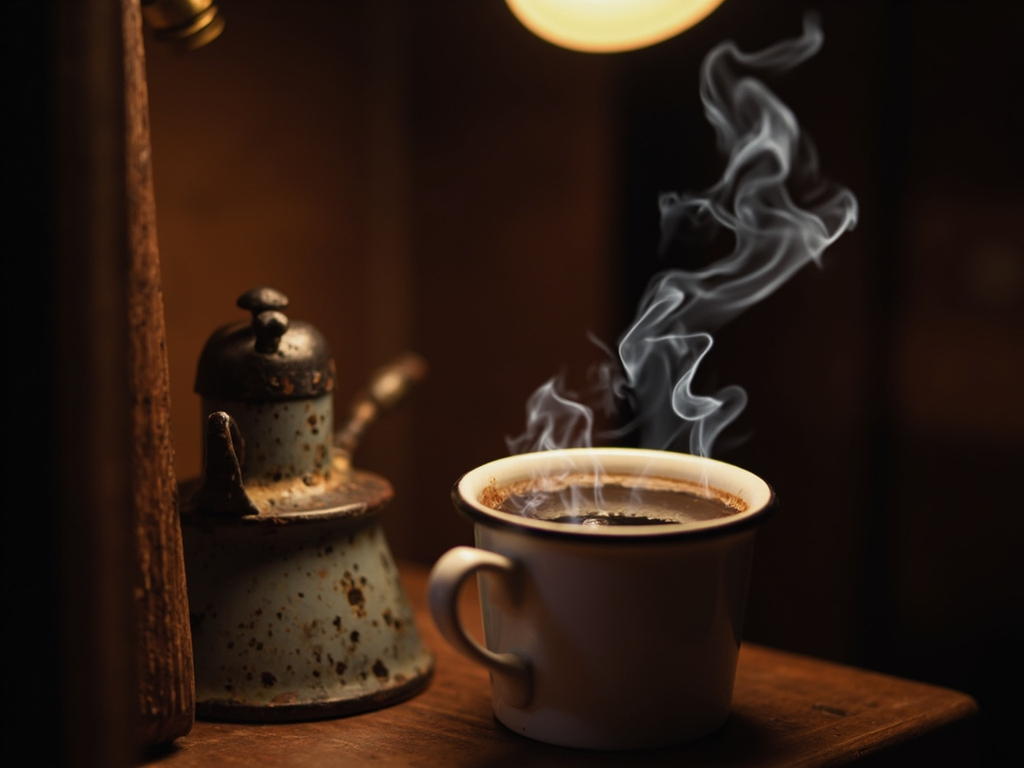
How it was made : At the time, coffee was often roasted at home in a cast-iron pan, then ground in a wall-mounted hand-crank mill. Filtered coffee through cloth or paper (invented by Melitta Bentz in 1908 in Germany) gradually replaced boiled coffee, which was more bitter and full of grounds.
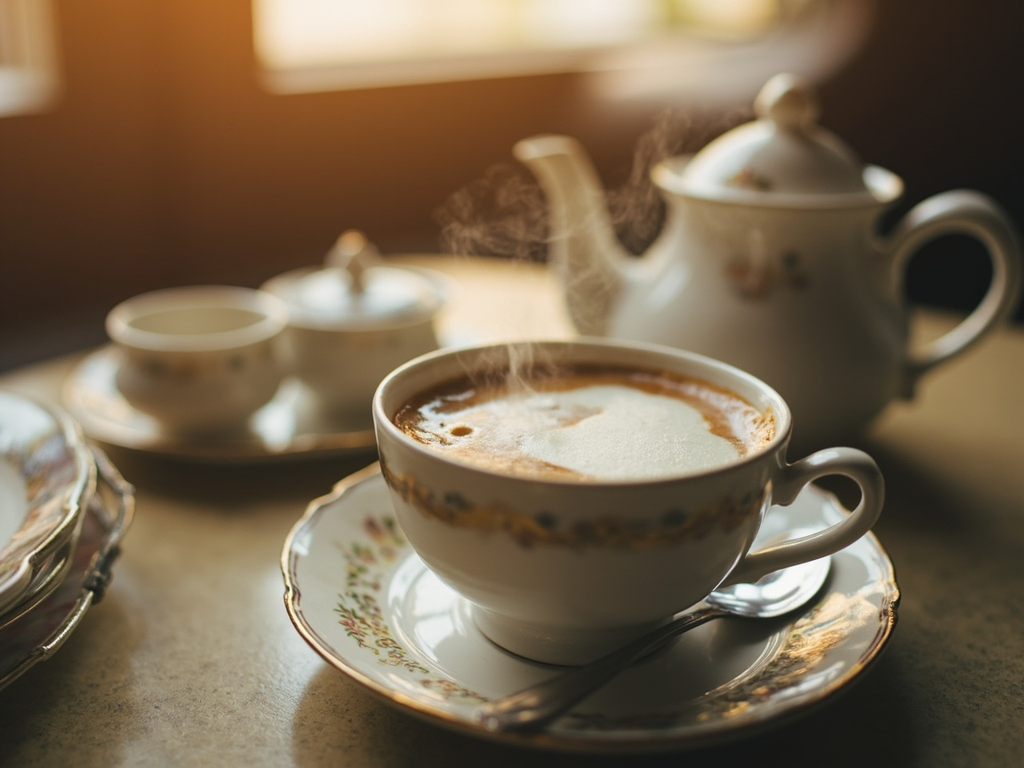
The contemporary twist : As a Swiss-German nod, add a splash of hot frothed milk: that's a Viennese "Melange" like the ones drunk in the cafés frequented by the young Einstein.
Albert Einstein · Charactorium