 flip
flipDigestive Ginger and Rhubarb Cordial
Digestive Ginger and Rhubarb Cordial
Why this dish? Darwin suffered all his life from chronic digestive troubles that led him to the hydrotherapy cures of Malvern. Digestive cordials with ginger and rhubarb, classics of Victorian domestic pharmacopoeia, were the kind of gentle remedy that a household like his kept in the pantry to soothe a recalcitrant stomach.
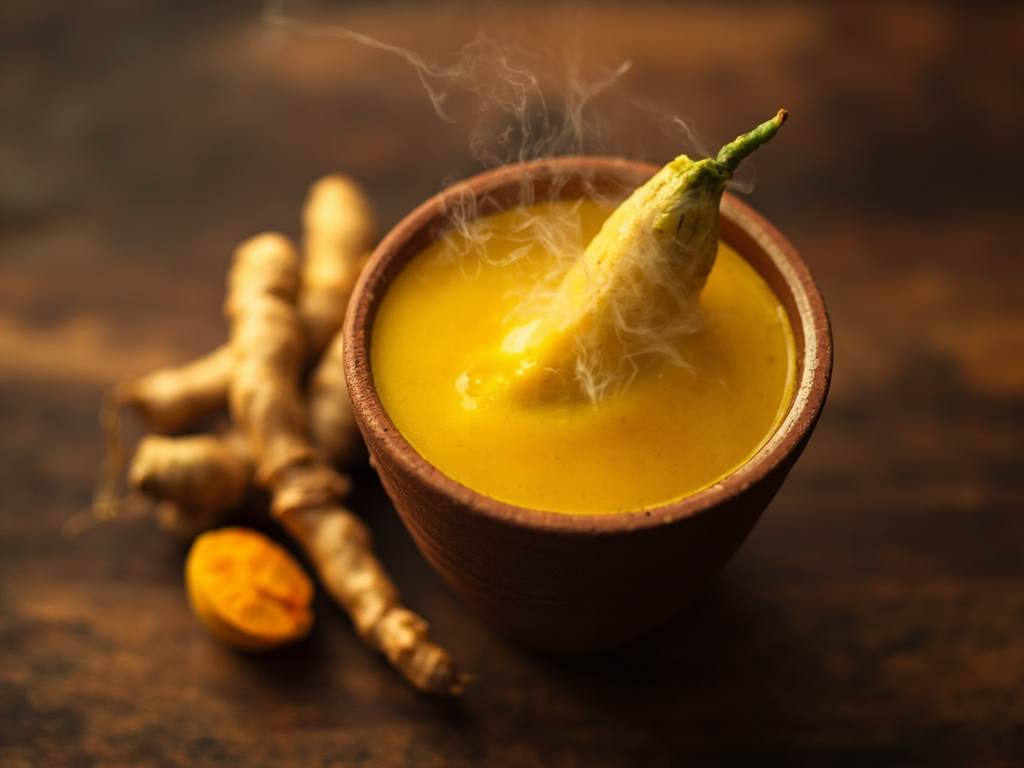
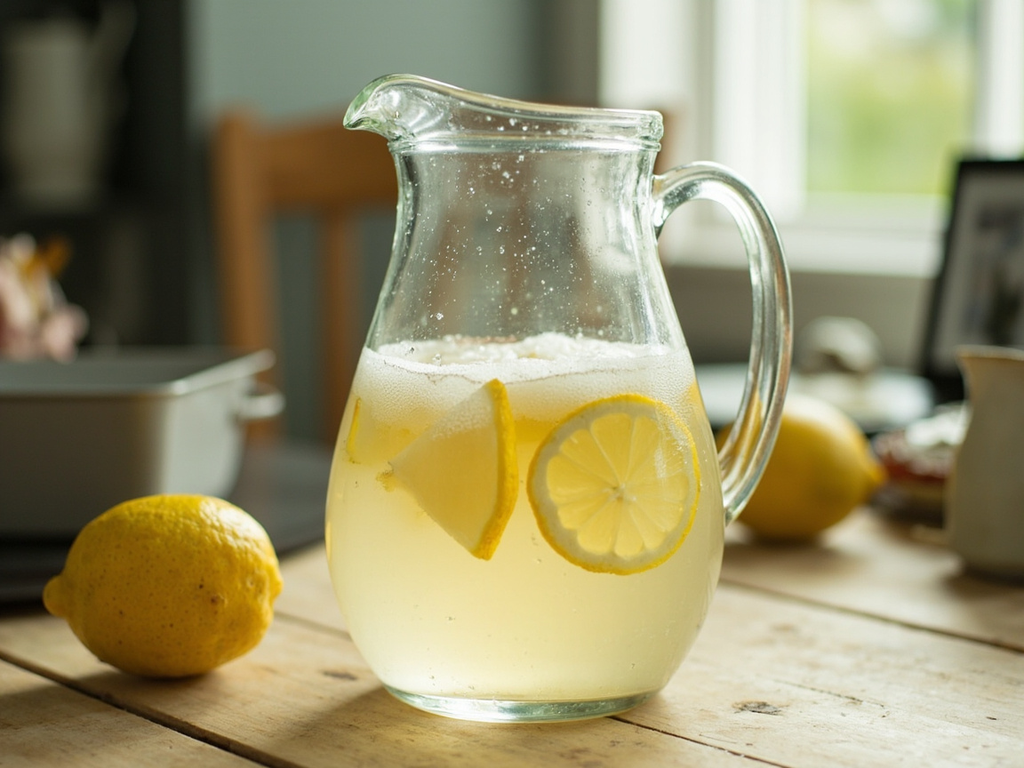
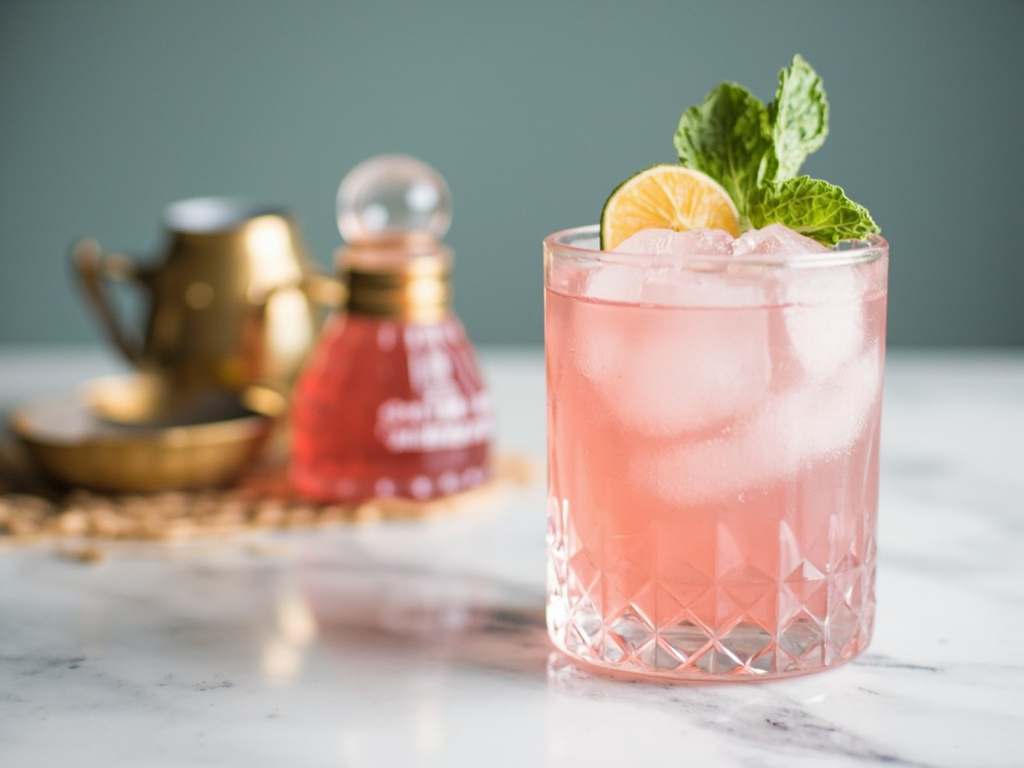
A tonic syrup of pungent ginger and tangy rhubarb, diluted with still or sparkling water. A comforting remedy-drink for sensitive stomachs, in the tradition of homemade cordials.
My poor stomach was the tyrant of my existence, tearing me from my work and sending me to take the waters at Malvern. For want of a cure, I found some relief in the simple remedies of the pantry: ginger, which warms and soothes, and rhubarb, from which my gardeners pulled fine tart stalks. They made a cordial that was stretched with water, to be sipped after meals. I see no magic in it — only the patient observation of what relieves, which is, after all, the beginning of all science.
- •Ginger root — a piece (warmth, digestive virtue)
- •Rhubarb stalks — a few (acidity)
- •Sugar or honey — to taste (syrup)
- •Water — as needed (infusion)
- •Peppermint — a few leaves (soothing aromatic)
Digestive Ginger and Rhubarb Cordial
A tonic syrup of pungent ginger and tangy rhubarb, diluted with still or sparkling water. A comforting remedy-drink for sensitive stomachs, in the tradition of homemade cordials.
Why this dish? Darwin suffered all his life from chronic digestive troubles that led him to the hydrotherapy cures of Malvern. Digestive cordials with ginger and rhubarb, classics of Victorian domestic pharmacopoeia, were the kind of gentle remedy that a household like his kept in the pantry to soothe a recalcitrant stomach.
My poor stomach was the tyrant of my existence, tearing me from my work and sending me to take the waters at Malvern. For want of a cure, I found some relief in the simple remedies of the pantry: ginger, which warms and soothes, and rhubarb, from which my gardeners pulled fine tart stalks. They made a cordial that was stretched with water, to be sipped after meals. I see no magic in it — only the patient observation of what relieves, which is, after all, the beginning of all science.
Ingredients (period version)
- Ginger root — a piece (warmth, digestive virtue)
- Rhubarb stalks — a few (acidity)
- Sugar or honey — to taste (syrup)
- Water — as needed (infusion)
- Peppermint — a few leaves (soothing aromatic)
Ingredients
- Fresh ginger — 50 g (digestive spice)
- Rhubarb (stalks) — 300 g (acidity)
- Sugar (or honey) — 150 g (syrup)
- Water — 500 ml (infusion)
- Fresh peppermint — a few leaves (soothing freshness)
- Still or sparkling water — to taste (dilution when serving)
Method
- Peel and thinly slice the ginger; cut rhubarb into chunks.
- Put ginger, rhubarb, sugar and water in a saucepan; bring to a simmer.
- Simmer for 20 to 25 minutes until the rhubarb breaks down.
- Add mint off the heat, let infuse for 10 minutes.
- Strain, pressing well; store the resulting syrup in the fridge in a bottle.
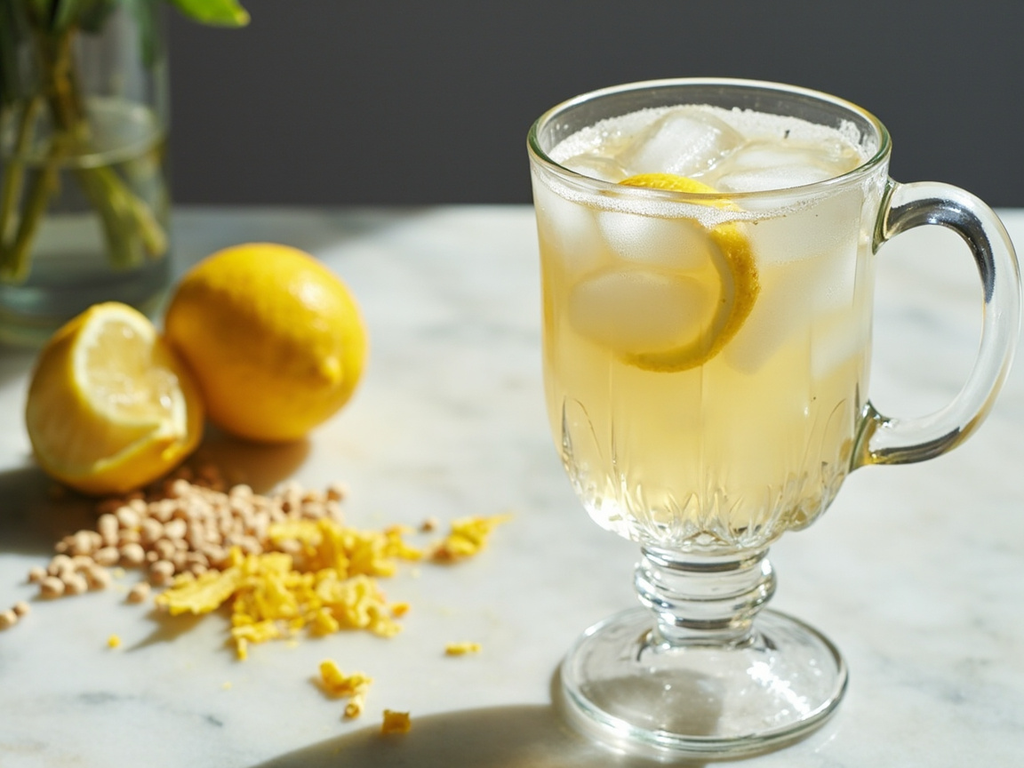
- To serve, mix 2 to 3 tablespoons of syrup with still or sparkling water; ice optional.
How it was made : Medicinal rhubarb (root) has been used since antiquity as a digestive remedy; its stalks only became a popular food in the 19th century, when sugar became affordable. Ginger, imported from Asia, was a classic in cordials and homemade ginger beer. These remedy-drinks were prepared in the pantries of great houses, halfway between the kitchen and the domestic pharmacy.
The contemporary twist : Serve it as a non-alcoholic 'ginger-rhubarb spritz' over crushed ice with a squeeze of lime — an elegant mocktail that embraces its tonic nature.
Sources : Isabella Beeton, Book of Household Management, 1861 · Charles Darwin, Autobiography, 1887 (on his ailments and Malvern cures)
Charles Darwin · Charactorium