 flip
flipHoney and Sesame Cakes for Libation
Honey and Sesame Cakes for Libation
Why this dish? Inspired by the offerings that every Macedonian king presented to the gods. Before each symposion, wine was poured and honey cakes were laid out for Zeus and the Argead ancestors — a gesture that Alexander II, a contested king, could not neglect to ensure divine favor.
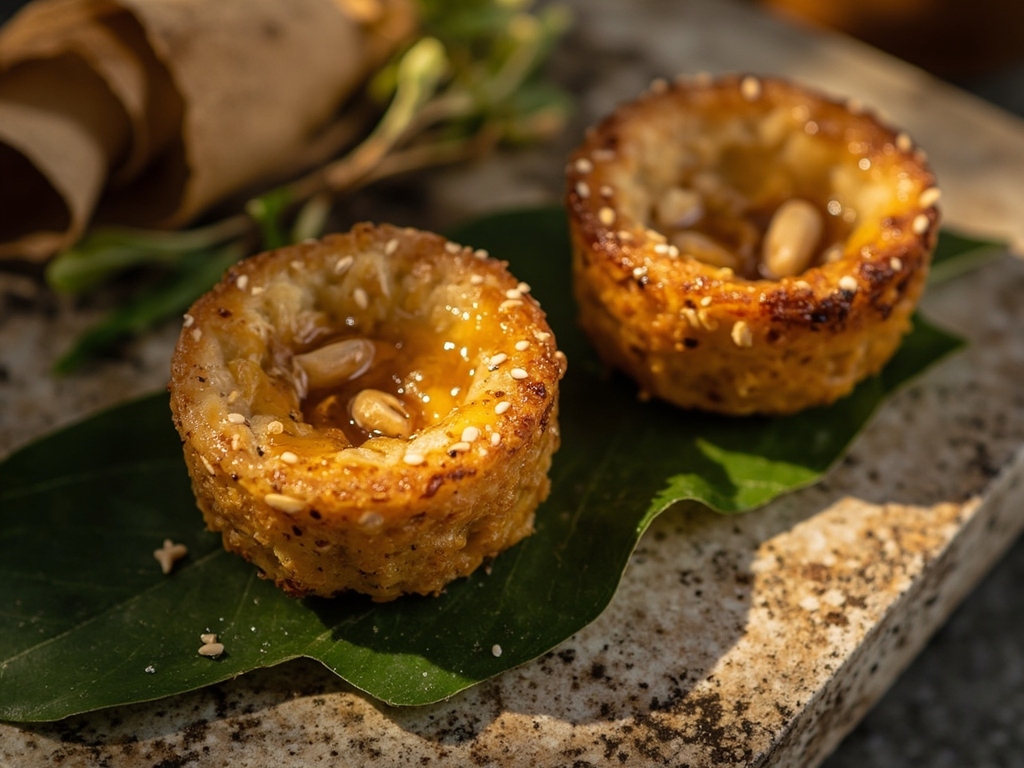
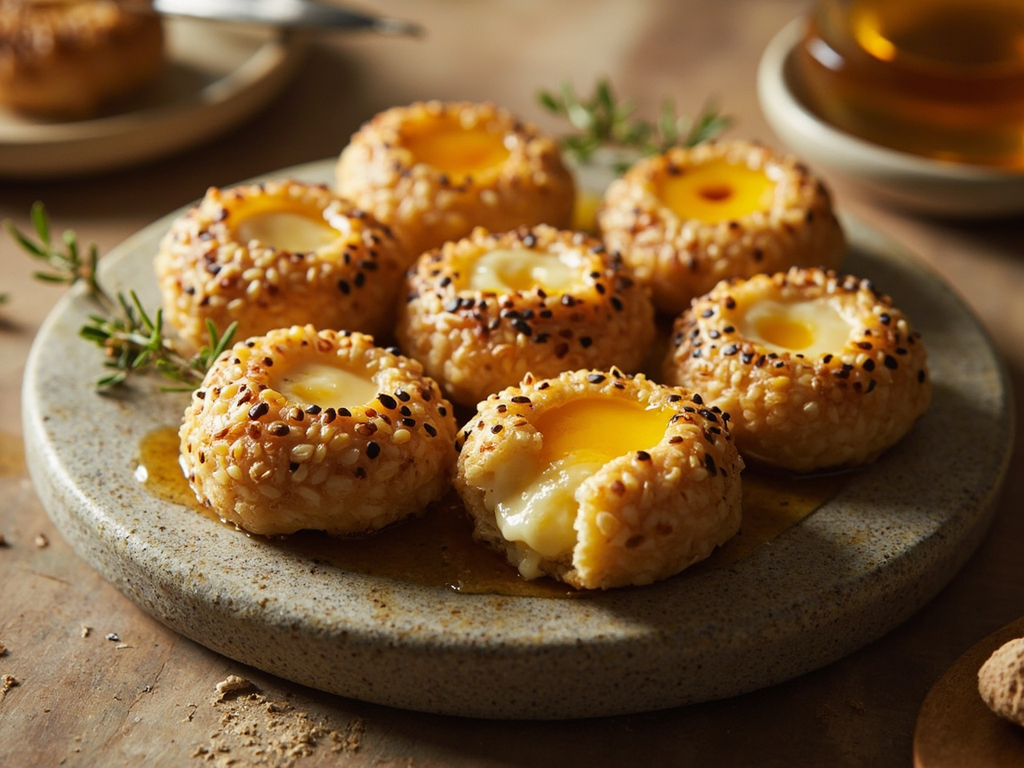
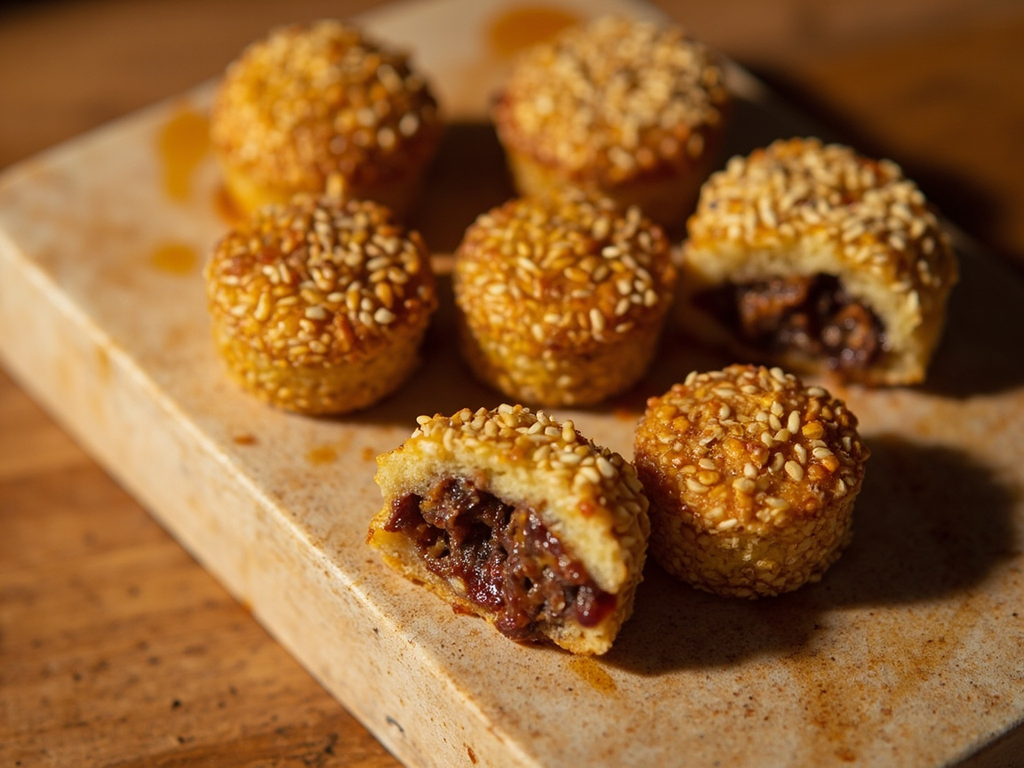
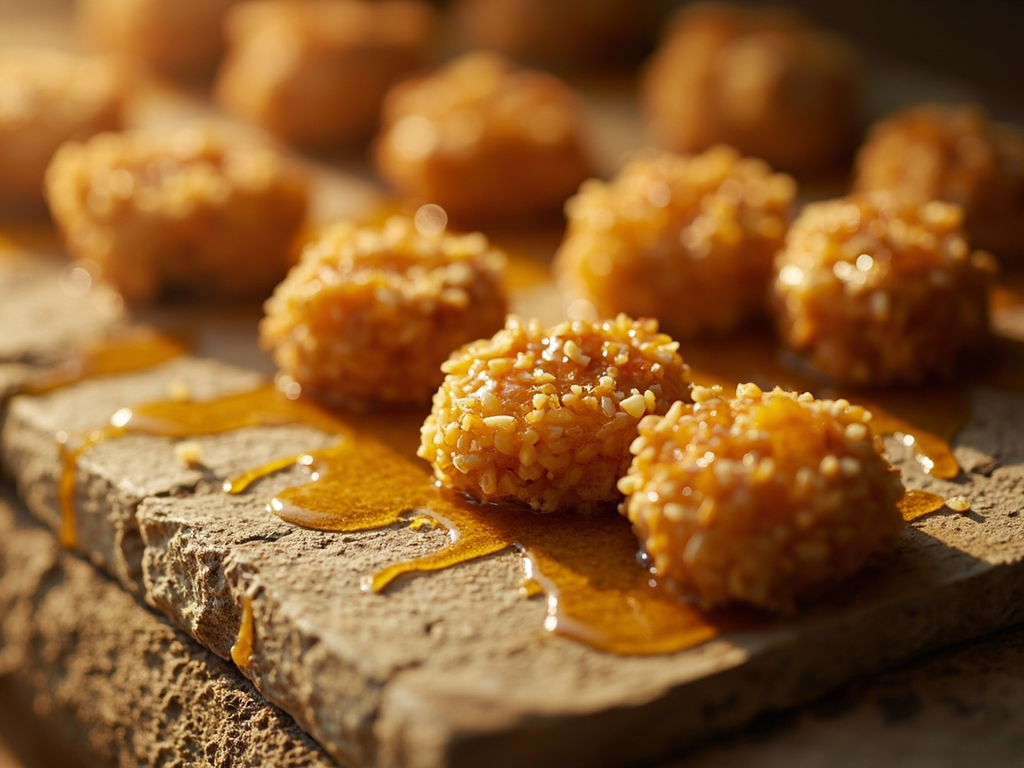
Small soft honey cakes with wheat flour and sesame, placed as an offering to the gods before the feast — sweet, fragrant, golden like temple gold.
Before drinking, one never forgets the gods, especially when the throne wobbles like mine. With my own hand I place on the altar these cakes of honey and sesame, I pour the pure wine, and I pray Zeus and my fathers the Argeads to keep the diadem upon my head. Knead them with respect, friend: what is offered to the gods is not bargained over.
- •Wheat flour — two handfuls (base of the cake)
- •Honey — generously (sweetener and binder)
- •Sesame seeds — a handful (fragrance and crunch)
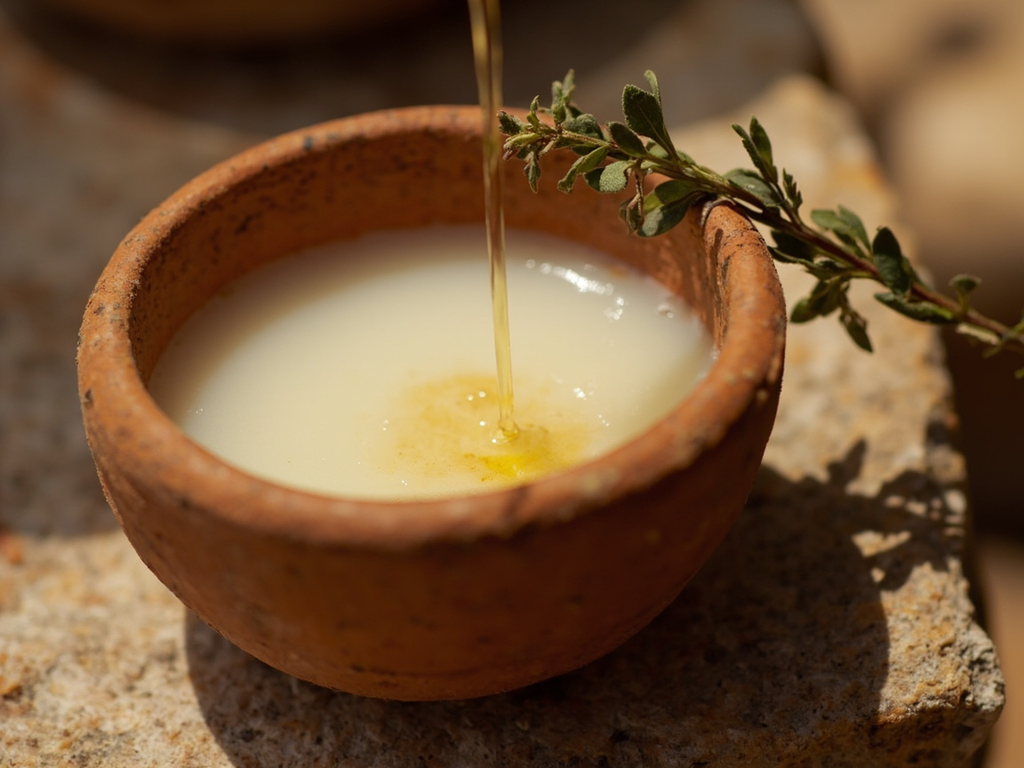
- •Olive oil — a drizzle (softness)
Honey and Sesame Cakes for Libation
Small soft honey cakes with wheat flour and sesame, placed as an offering to the gods before the feast — sweet, fragrant, golden like temple gold.
Why this dish? Inspired by the offerings that every Macedonian king presented to the gods. Before each symposion, wine was poured and honey cakes were laid out for Zeus and the Argead ancestors — a gesture that Alexander II, a contested king, could not neglect to ensure divine favor.
Before drinking, one never forgets the gods, especially when the throne wobbles like mine. With my own hand I place on the altar these cakes of honey and sesame, I pour the pure wine, and I pray Zeus and my fathers the Argeads to keep the diadem upon my head. Knead them with respect, friend: what is offered to the gods is not bargained over.
Ingredients (period version)
- Wheat flour — two handfuls (base of the cake)
- Honey — generously (sweetener and binder)
- Sesame seeds — a handful (fragrance and crunch)
- Olive oil — a drizzle (softness)
Ingredients
- Wheat flour — 200 g (base)
- Honey — 120 g (sweetener and binder)
- Sesame seeds — 3 tbsp (fragrance)
- Olive oil — 3 tbsp (softness)
- Water — about 50 ml (binder)
Method
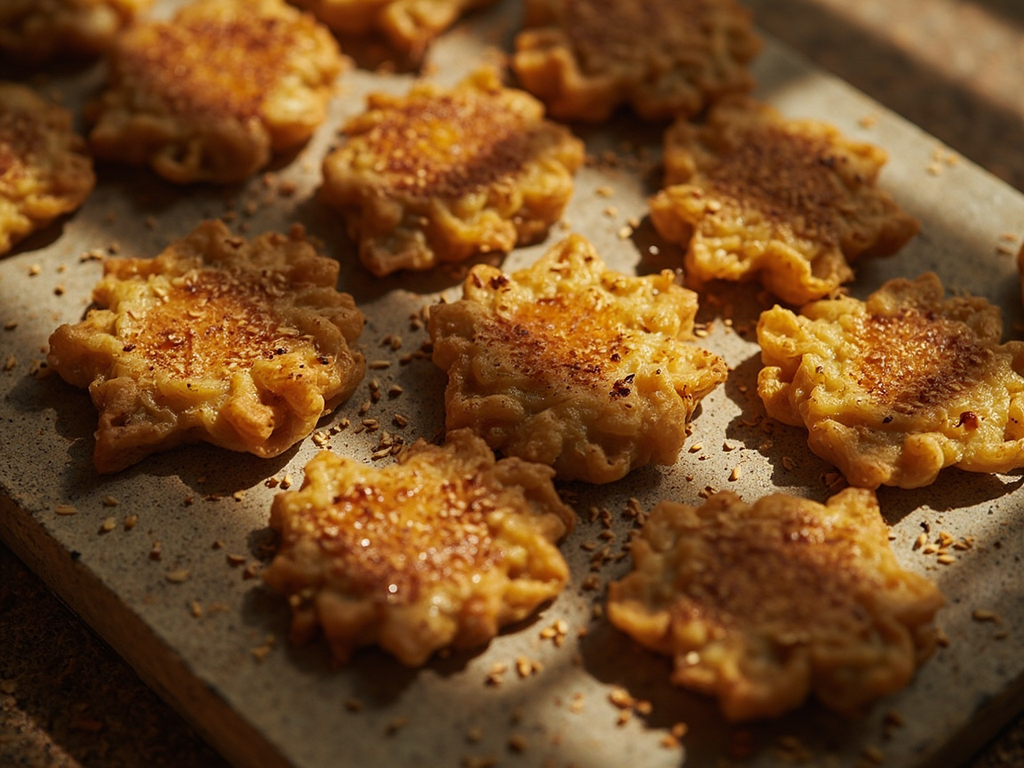
- Toast the sesame seeds in a dry pan for a few minutes until golden.
- Mix flour, oil, half the honey, half the sesame, and enough water for a pliable dough.
- Shape small discs and place on an oiled tray.
- Bake at 180°C for 15 minutes until golden.
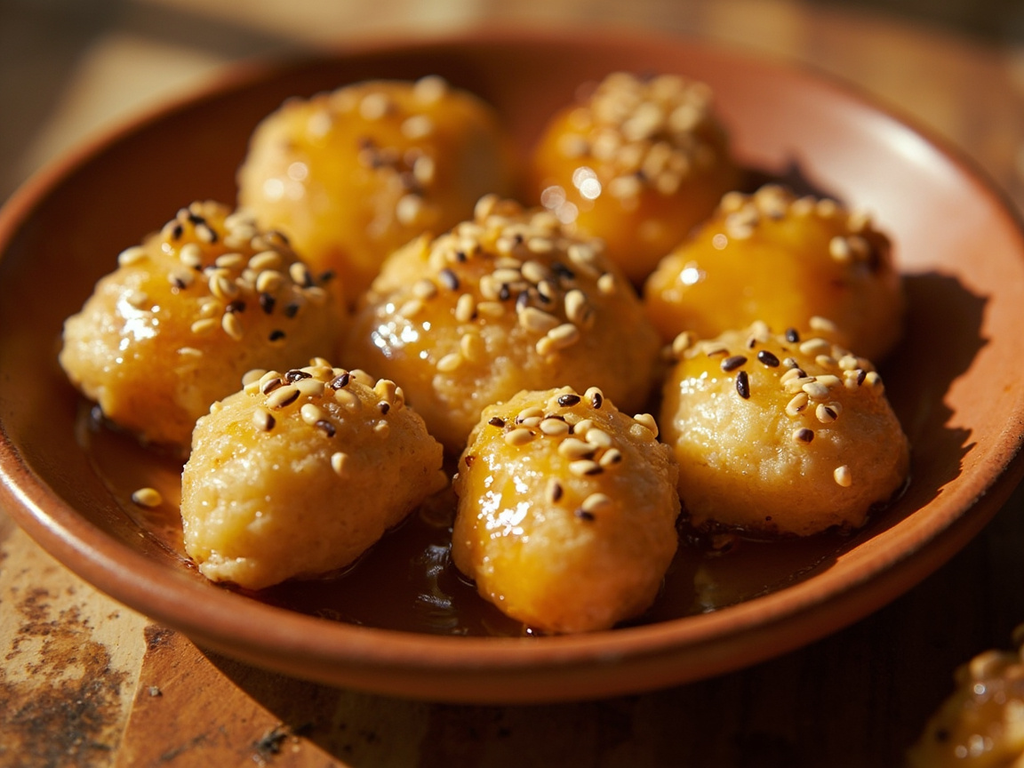
- Upon removal, drizzle with remaining honey and sprinkle with reserved sesame.
How it was made : Pelanoi and other honey cakes (with sesame, cheese, or oil) were placed on altars as offerings to the gods, often at the start of the symposion accompanied by wine libations. Honey and sesame, precious commodities, marked the sacred character of the offering.
The contemporary twist : Serve warm at the end of the meal with a drizzle of runny honey and a few edible petals, a 'gourmet offering' style.
Sources : Athenaeus of Naucratis, Deipnosophistae (cakes and plakous) · Detienne, M., Les jardins d'Adonis (offerings and perfumes)
Alexander II of Macedon · Charactorium