 flip
flipHoney-Thyme Roasted Kid (eriphos optos)
Honey-Thyme Roasted Kid (eriphos optos)
Why this dish? Andromeda experienced two feasts: the lavish table of her father Cepheus, and her own wedding banquet with Perseus, her savior. Fire-roasted meat glazed with honey was the dish of great royal occasions that Greeks attributed to guests close to the gods.
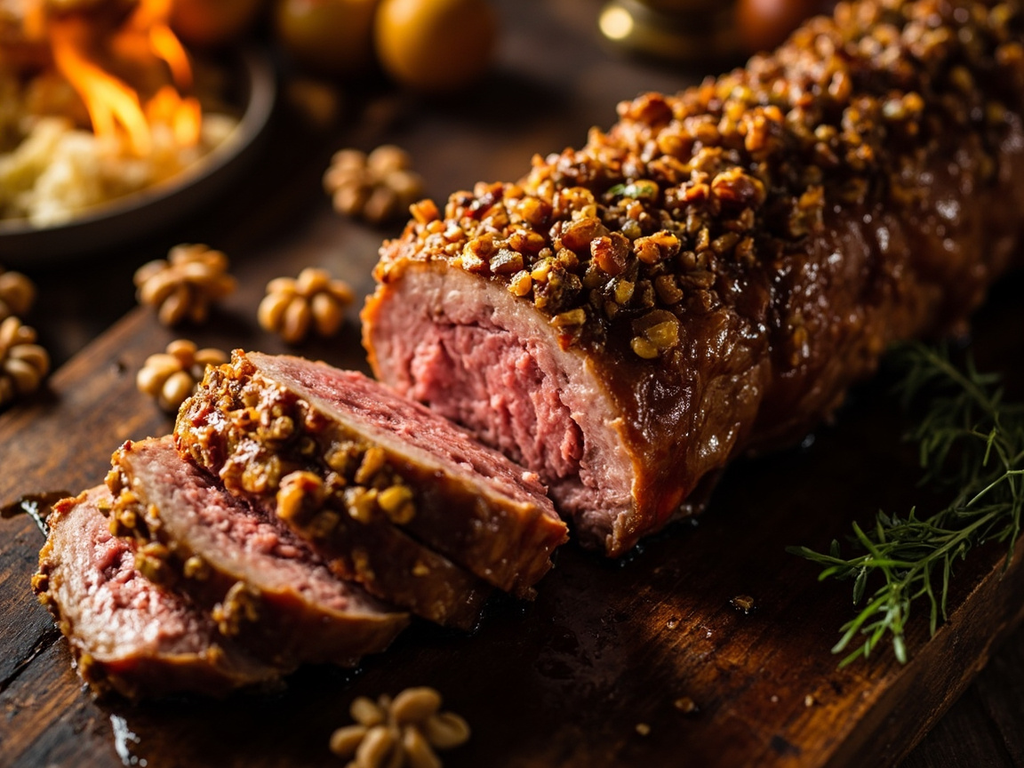
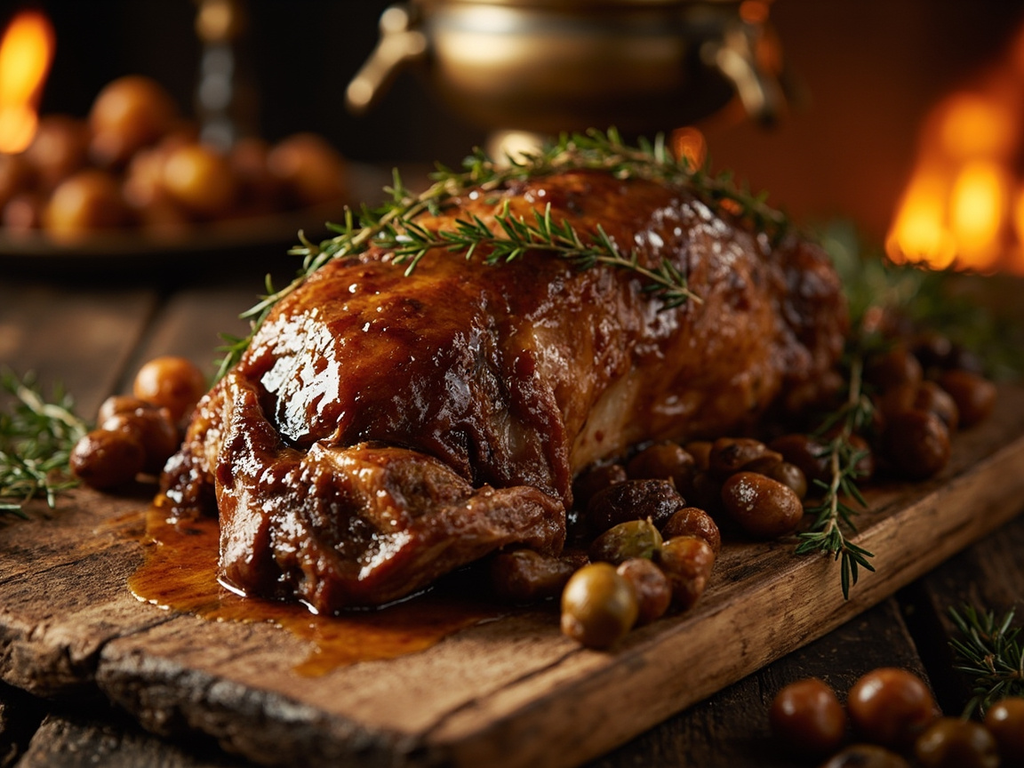
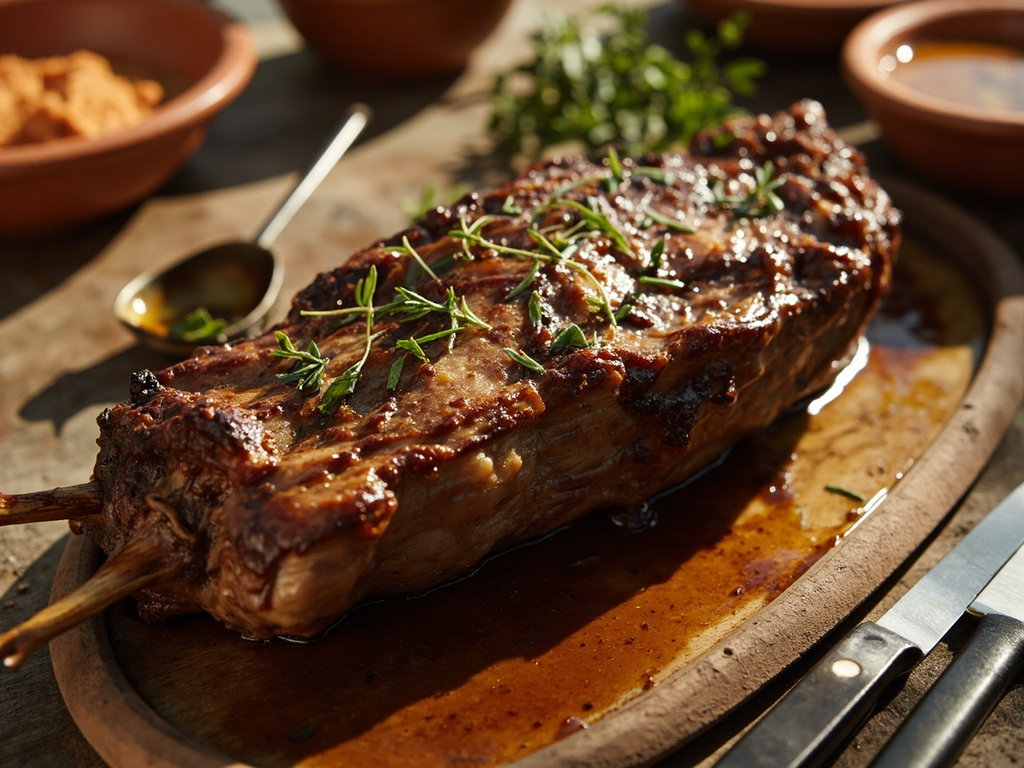
A quarter of kid goat slowly roasted on a spit, basted with honey and thyme, caramelizing into a golden crust. The dish of weddings and banquets, meant to be shared by hand.
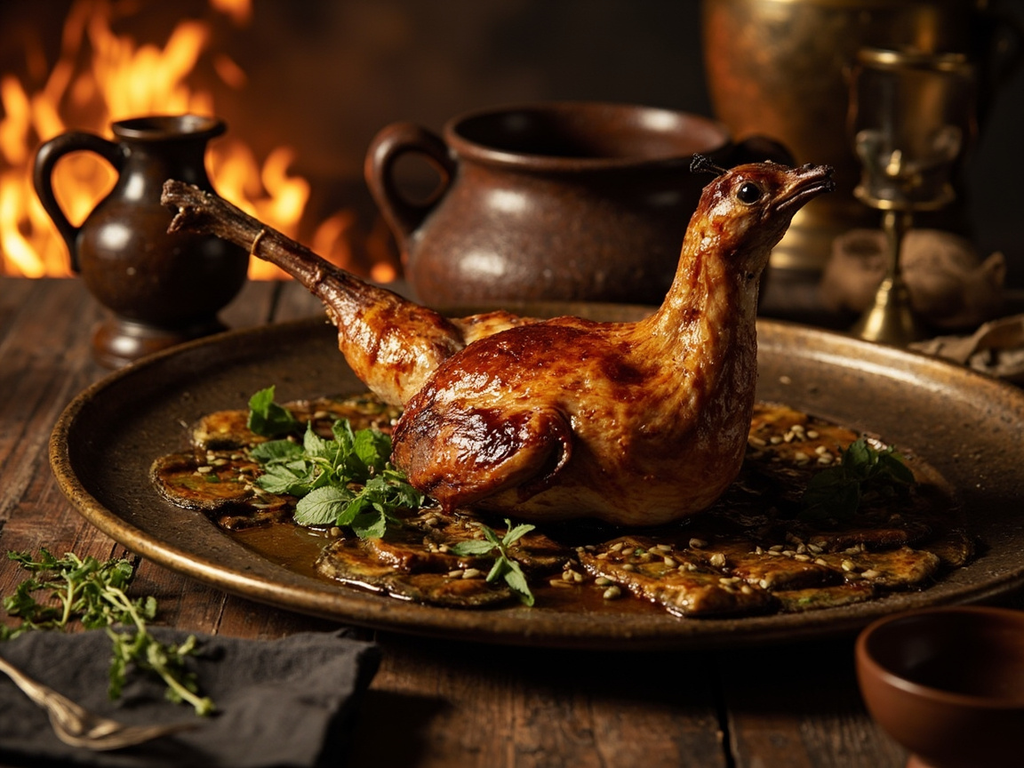
Come, stranger, and take your place on the couch prepared for you. At my father Cepheus's table, meat is never served in haste: the kid turns long over the embers, and with my own hand I baste it with honey and hill thyme until it gleams like amber. The day Perseus broke my chains and took me as his bride, this is the dish we made smoke for the gods — for roasted, golden meat, believe me, delights the Immortals as much as men.
- •Kid goat (or suckling lamb) — one quarter (noble feast meat)
- •Honey — as much as needed (glaze and sweetness)
- •Fresh thyme — a handful (scent of the hills)
- •Olive oil — a drizzle (fat)
- •Sea salt — a few pinches (seasoning)
Honey-Thyme Roasted Kid (eriphos optos)
A quarter of kid goat slowly roasted on a spit, basted with honey and thyme, caramelizing into a golden crust. The dish of weddings and banquets, meant to be shared by hand.
Why this dish? Andromeda experienced two feasts: the lavish table of her father Cepheus, and her own wedding banquet with Perseus, her savior. Fire-roasted meat glazed with honey was the dish of great royal occasions that Greeks attributed to guests close to the gods.
Come, stranger, and take your place on the couch prepared for you. At my father Cepheus's table, meat is never served in haste: the kid turns long over the embers, and with my own hand I baste it with honey and hill thyme until it gleams like amber. The day Perseus broke my chains and took me as his bride, this is the dish we made smoke for the gods — for roasted, golden meat, believe me, delights the Immortals as much as men.
Ingredients (period version)
- Kid goat (or suckling lamb) — one quarter (noble feast meat)
- Honey — as much as needed (glaze and sweetness)
- Fresh thyme — a handful (scent of the hills)
- Olive oil — a drizzle (fat)
- Sea salt — a few pinches (seasoning)
Ingredients
- Lamb leg or shoulder — 1.2 kg (meat)
- Liquid honey (thyme or wildflower) — 4 tbsp (glaze)
- Fresh thyme — 6 sprigs (herb)
- Olive oil — 3 tbsp (coating)
- Salt, a little coriander seed — to taste (seasoning)
Method
- Rub the meat with olive oil, salt, and stripped thyme leaves; let rest at room temperature for one hour.
- Sear the meat on all sides (on a plancha, grill, or very hot pan) to brown.
- Roast at 180 °C for about 1 hour 15 to 1 hour 30 depending on thickness, basting with juices.
- In the last 20 minutes, brush regularly with honey to form an amber crust.
- Let rest 10 minutes, sprinkle with fresh thyme, and serve in sharing pieces.
How it was made : In the Iliad and Odyssey, the heroic feast always follows the same rite: meat is roasted on spits over embers, the gods' portion is set aside, and the guests eat their fill. Honey, a precious commodity, transformed a simple roast into a dish of honor.
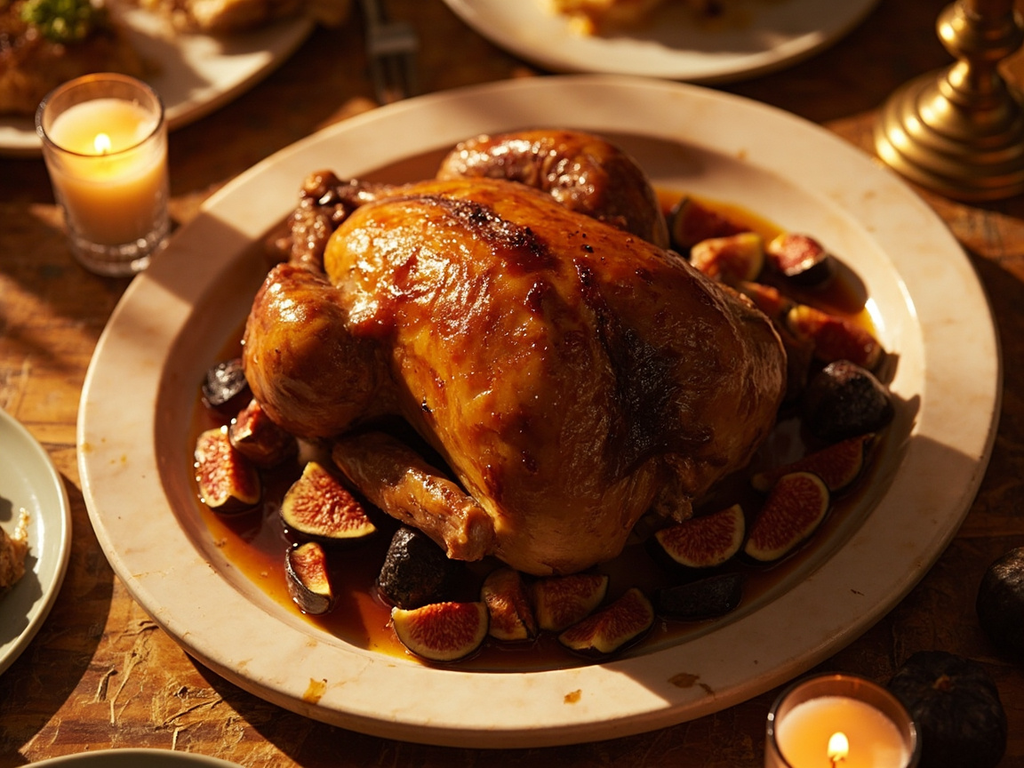
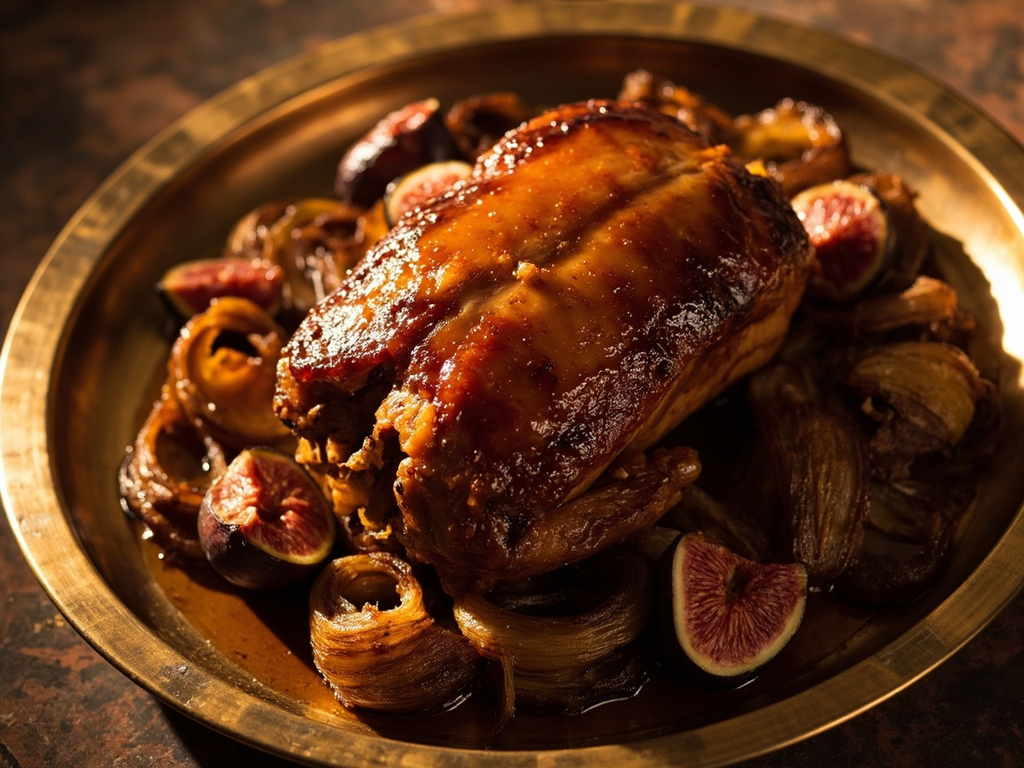
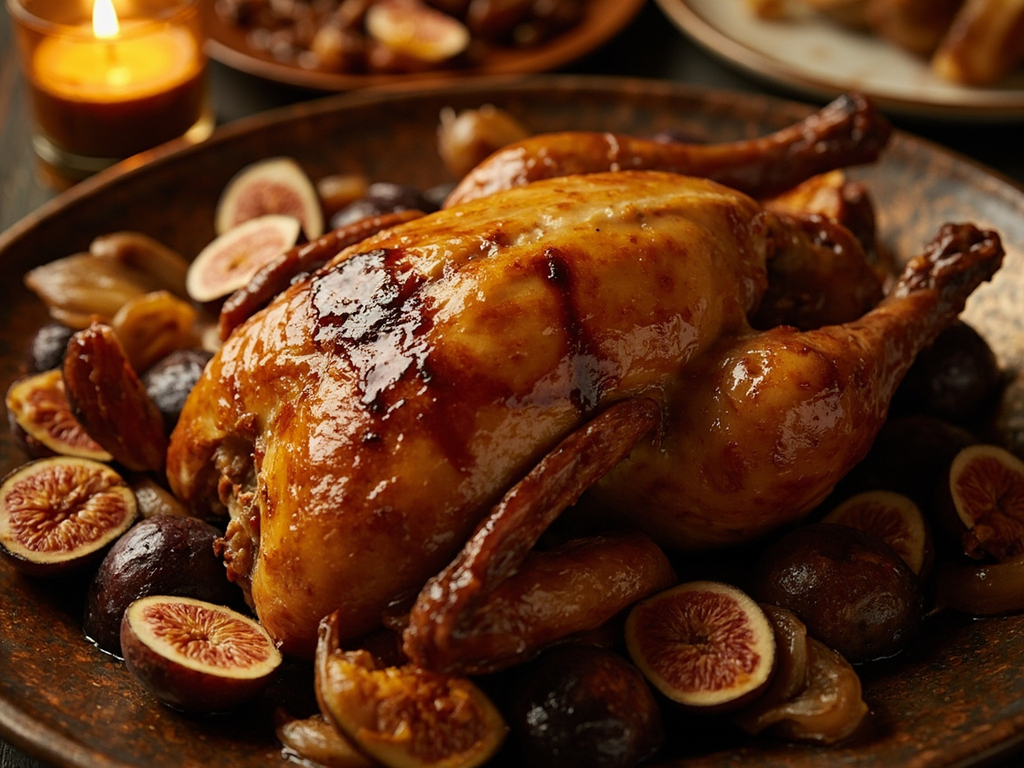
The contemporary twist : Served on an olivewood board with a drizzle of warm thyme honey and a few grilled figs, “Table of Joppa” style.
Sources : Homer, Iliad (feast scenes) and Odyssey · Andrew Dalby, Siren Feasts: A History of Food and Gastronomy in Greece (1996)
Andromeda · Charactorium