 flip
flipHoney and Saffron Plakous from Tmolos — the offering cake
Honey and Saffron Plakous from Tmolos — the offering cake
Why this dish? Before her proud challenge, a pious mortal would offer cakes to the gods. The *plakous* with honey and fresh cheese, gilded with Lydian saffron like a golden thread, is the offering cake that Arachne might have placed — out of devotion or superstition — before the altar of Athena, goddess of weaving, before challenging her.
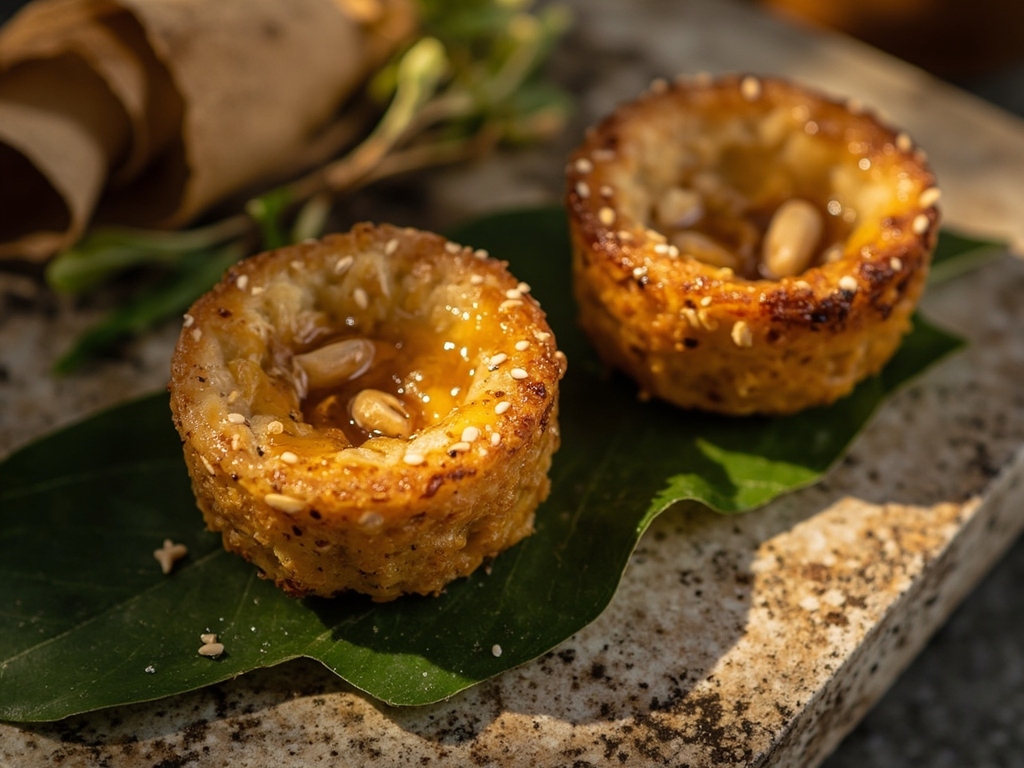
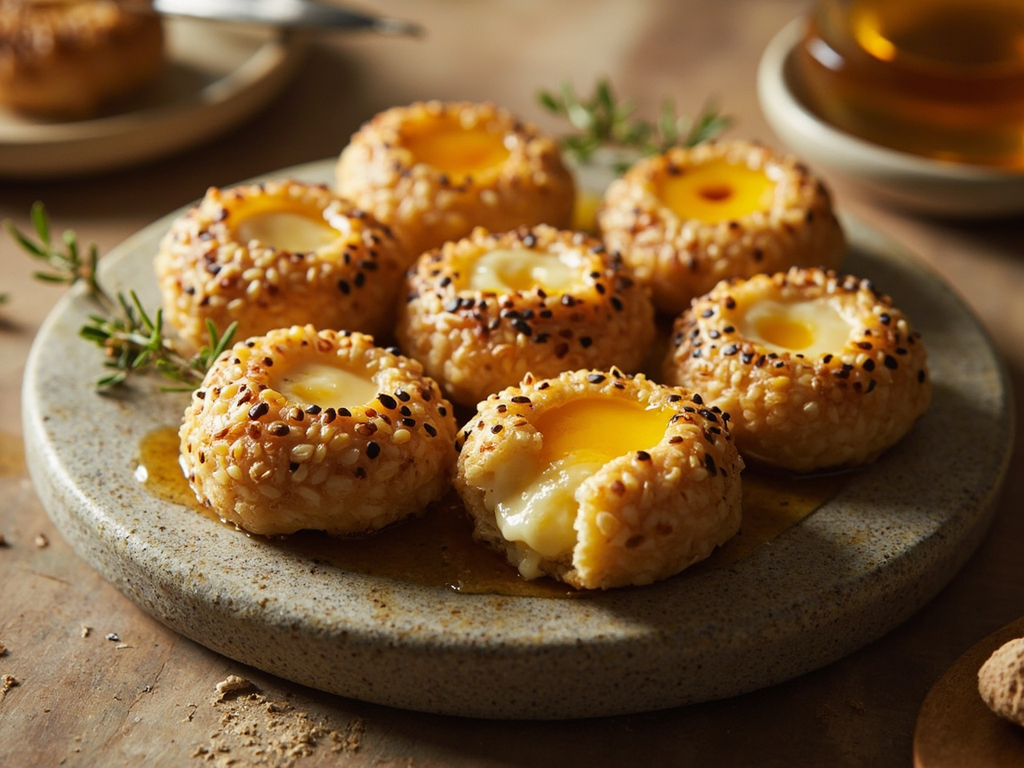
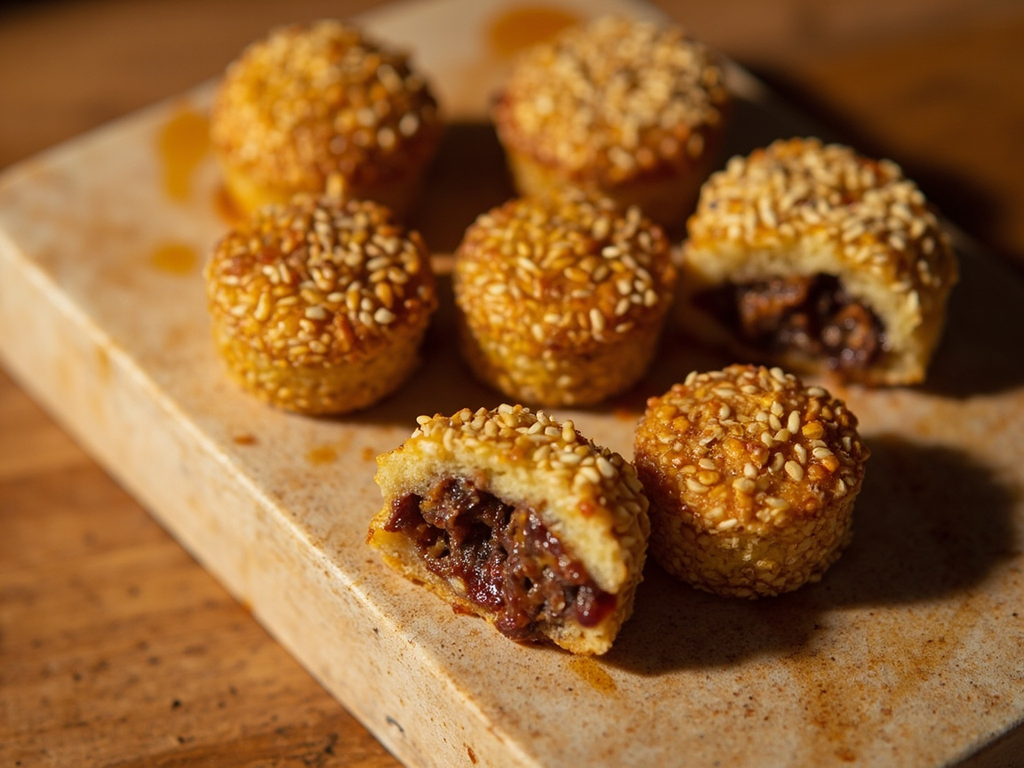
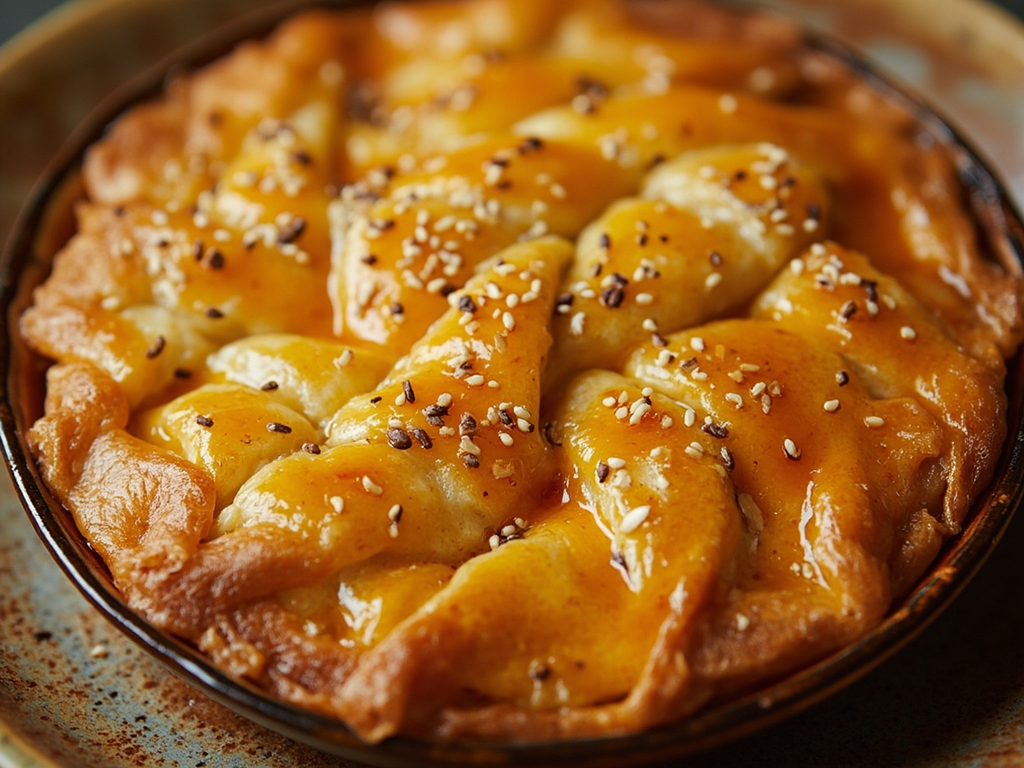
A flat cake of fresh cheese and honey on thin sheets of dough, scented with saffron and sesame. The sweetness of Greek offerings, both humble and solemn.
They say one must honor the gods before touching the wool. So I made this cake: fresh cheese beaten with the dark honey of Tmolos, placed on leaves as thin as the weft, gilded with a pinch of saffron, sprinkled with sesame. I laid it before Athena. But know this: it was not fear that guided my hand, it was respect for work well done — hers as well as mine. The rest I shared with the spinners of Hypaipa.
- •Fresh goat or sheep cheese — a bowl (creamy filling)
- •Honey from Mount Tmolos — generously (sweetener)
- •Thin wheat dough sheets — a few (flaky support)
- •Saffron (Lydian crocus) — a few pistils (color and aroma)
- •Sesame seeds — a handful (decoration and crunch)
Honey and Saffron Plakous from Tmolos — the offering cake
A flat cake of fresh cheese and honey on thin sheets of dough, scented with saffron and sesame. The sweetness of Greek offerings, both humble and solemn.
Why this dish? Before her proud challenge, a pious mortal would offer cakes to the gods. The *plakous* with honey and fresh cheese, gilded with Lydian saffron like a golden thread, is the offering cake that Arachne might have placed — out of devotion or superstition — before the altar of Athena, goddess of weaving, before challenging her.
They say one must honor the gods before touching the wool. So I made this cake: fresh cheese beaten with the dark honey of Tmolos, placed on leaves as thin as the weft, gilded with a pinch of saffron, sprinkled with sesame. I laid it before Athena. But know this: it was not fear that guided my hand, it was respect for work well done — hers as well as mine. The rest I shared with the spinners of Hypaipa.
Ingredients (period version)
- Fresh goat or sheep cheese — a bowl (creamy filling)
- Honey from Mount Tmolos — generously (sweetener)
- Thin wheat dough sheets — a few (flaky support)
- Saffron (Lydian crocus) — a few pistils (color and aroma)
- Sesame seeds — a handful (decoration and crunch)
Ingredients
- Ricotta or fresh goat cheese — 250 g (creamy filling)
- Honey (chestnut or forest) — 120 g (sweetener)
- Phyllo dough sheets — 6 sheets (flaky support)
- Saffron threads — 1 generous pinch (color and aroma)
- Sesame seeds — 2 tbsp (decoration and crunch)
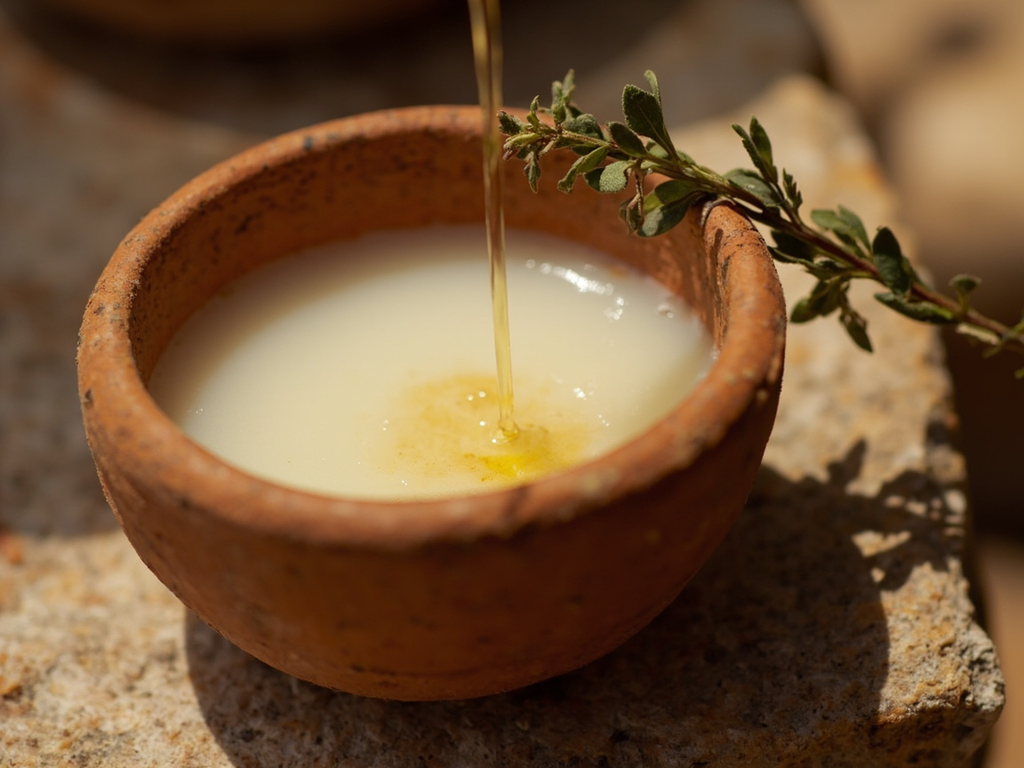
- Mild olive oil — for brushing (gilding the leaves)
Method
- Infuse saffron in 1 tbsp warm water for 10 min.
- Beat fresh cheese with half the honey and saffron water until a golden cream forms.
- Brush phyllo sheets with oil and layer them in a mold.
- Spread the saffron cheese cream over the dough, fold in the edges.
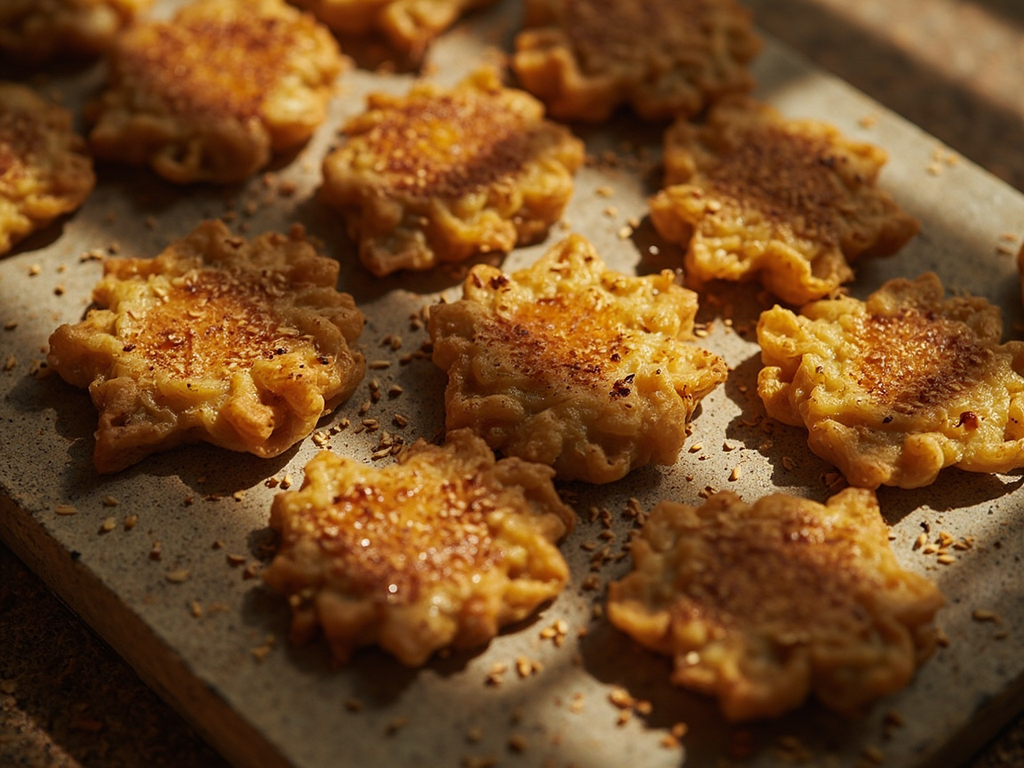
- Sprinkle with sesame and bake 20-25 min at 180°C until golden.
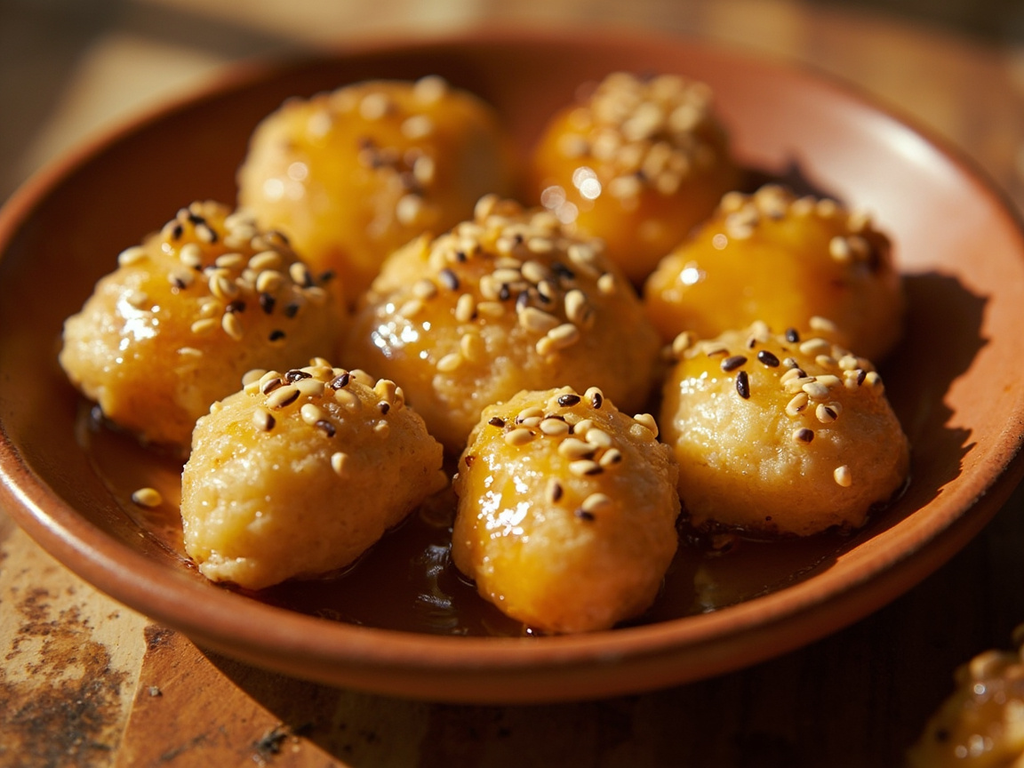
- Upon removal, drizzle with remaining warm honey. Let cool slightly before cutting.
How it was made : The *plakous* (ancestor of many Mediterranean cheese-and-honey cakes) is described by Greek authors as a stack of thin dough sheets filled with cheese and honey. Honey from Mount Tmolos in Lydia was renowned; saffron (*krokos*) grew in Asia Minor and was used both to dye fabrics and to flavor dishes — a perfect bridge between cuisine and the weaver's craft.
The contemporary twist : Cut into diamonds and bound with a thin thread of honey drawn between the pieces, like edible spider webs.
Sources : Athenaeus of Naucratis, Deipnosophistae, book XIV (descriptions of plakous) · Andrew Dalby, Food in the Ancient World from A to Z, Routledge, 2003
Arachne · Charactorium