 flip
flipPalathai, Pressed Fig Cakes for the Traveler
Palathai, Pressed Fig Cakes for the Traveler
Why this dish? Aristarchus traveled between Samos, Athens, and great Alexandria. Pressed figs, sweet and imperishable, were the viaticum of the Greek traveler — and of the observer who kept late vigils under the stars.
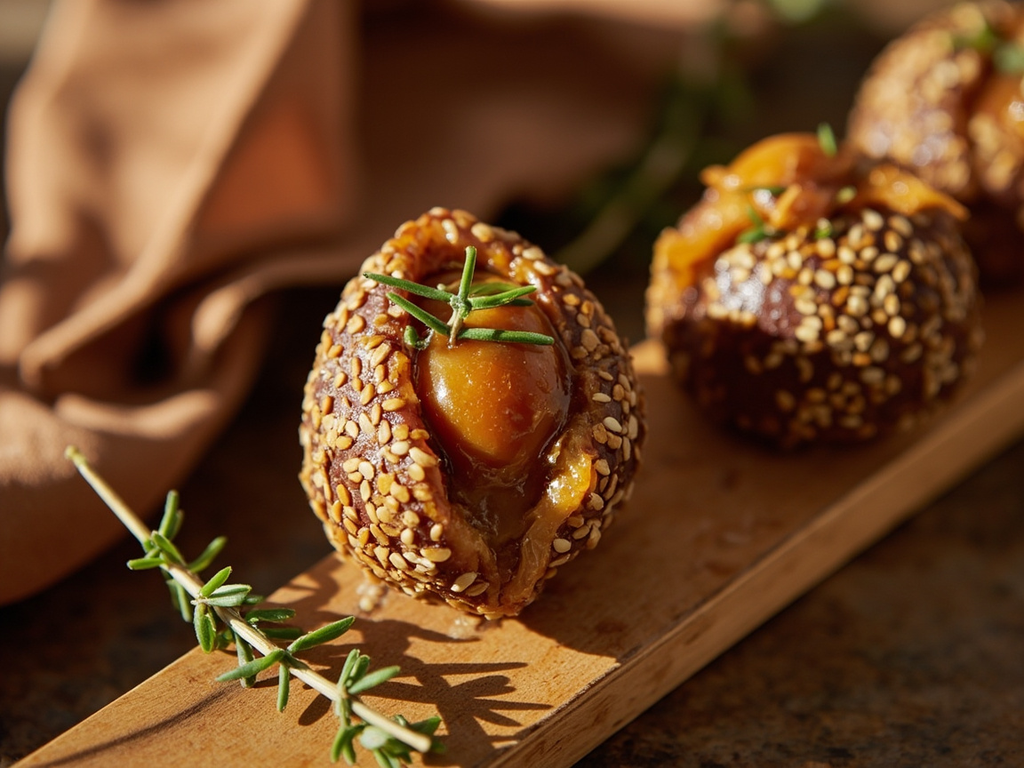
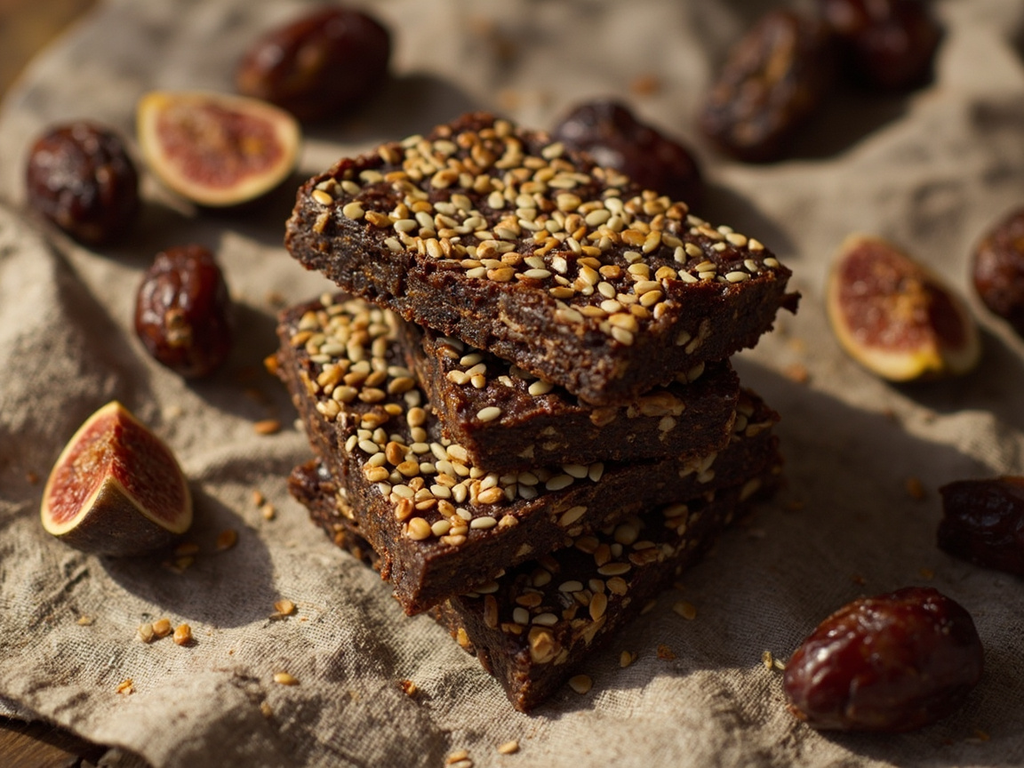
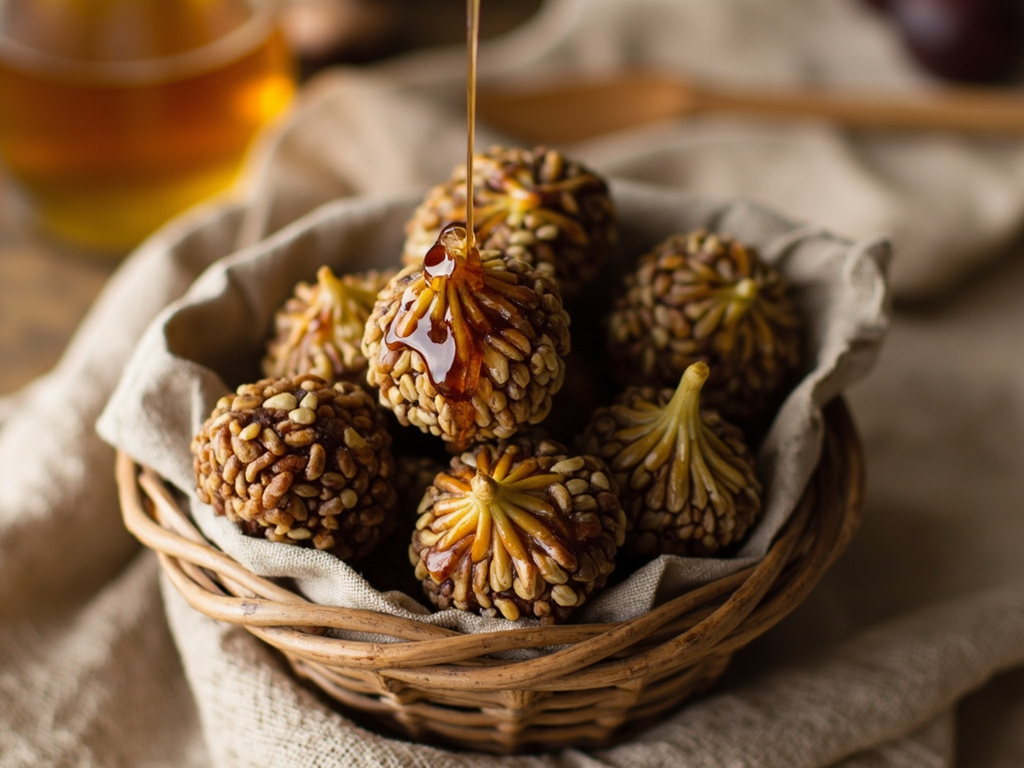
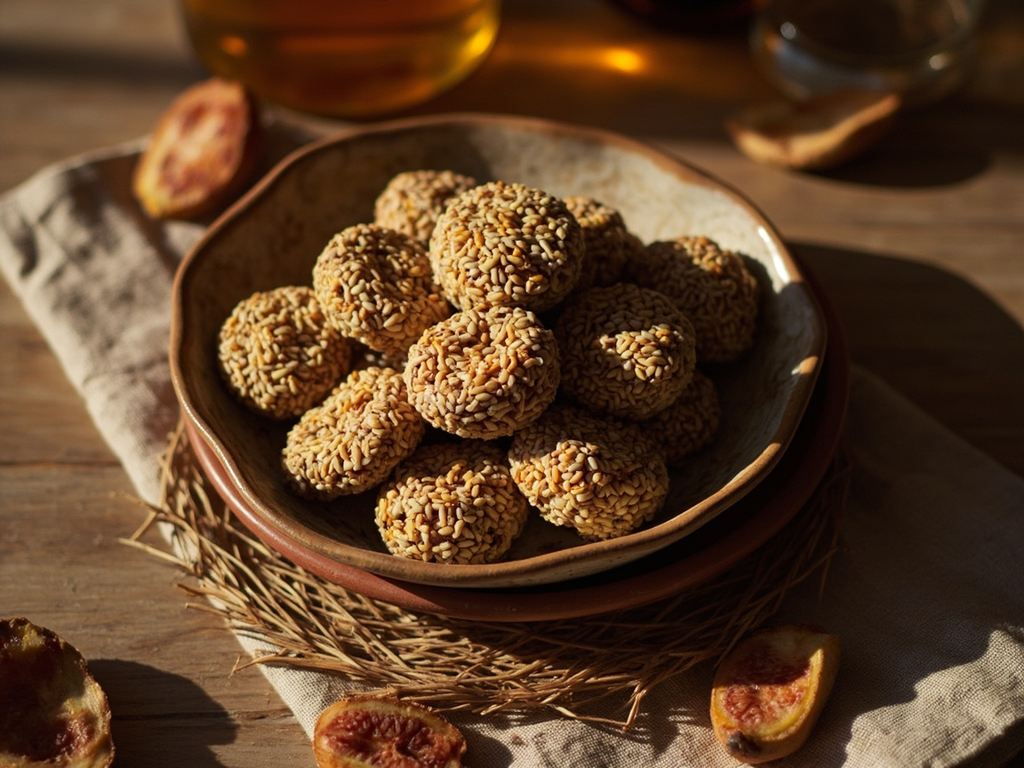
Dried figs crushed into compact cakes, sometimes rolled in sesame or fennel seeds. A concentrated sun, sweet and chewy, that keeps for months and fits in a satchel.
When I leave Samos for Alexandria, I do not load my bag with meats that rot. I press my figs ripened in the sun until they become cakes hard as wax, which I sprinkle with sesame. A single one suffices to sustain me a whole night of vigil, my eye glued to the course of the stars; and as I chew it slowly, I think that the Earth itself races around the Sun as surely as I walk southward.
- •Well-ripened sun-dried figs — a full basket (sweet base)
- •Sesame seeds — a handful (coating and flavor)
- •Fennel or anise seeds — a pinch (aroma)
- •Fig or laurel leaves — a few (storage wrapping)
Palathai, Pressed Fig Cakes for the Traveler
Dried figs crushed into compact cakes, sometimes rolled in sesame or fennel seeds. A concentrated sun, sweet and chewy, that keeps for months and fits in a satchel.
Why this dish? Aristarchus traveled between Samos, Athens, and great Alexandria. Pressed figs, sweet and imperishable, were the viaticum of the Greek traveler — and of the observer who kept late vigils under the stars.
When I leave Samos for Alexandria, I do not load my bag with meats that rot. I press my figs ripened in the sun until they become cakes hard as wax, which I sprinkle with sesame. A single one suffices to sustain me a whole night of vigil, my eye glued to the course of the stars; and as I chew it slowly, I think that the Earth itself races around the Sun as surely as I walk southward.
Ingredients (period version)
- Well-ripened sun-dried figs — a full basket (sweet base)
- Sesame seeds — a handful (coating and flavor)
- Fennel or anise seeds — a pinch (aroma)
- Fig or laurel leaves — a few (storage wrapping)
Ingredients
- Soft dried figs — 250 g (sweet base)
- Sesame seeds — 3 tbsp (coating and flavor)
- Fennel seeds — 1/2 tsp (aroma)
- Honey (optional) — 1 tsp (binder)
Method
- Toast the sesame seeds dry for a few minutes until golden.
- Remove the stems from the figs and chop them roughly.
- Crush them with a mortar (or pulse in a food processor) with the fennel seeds and, if needed, a little honey, until a sticky paste forms.
- Shape small flat compact cakes by hand.
- Roll them in the toasted sesame, then let them air-dry for a few hours. They keep for several weeks wrapped in cloth.
How it was made : Palathai, pressed fig cakes, were part of the basic provisions of the Greek world: food for sailors, soldiers, and travelers, rich in sugar and easy to store. They were wrapped in leaves and kept in jars for winter.
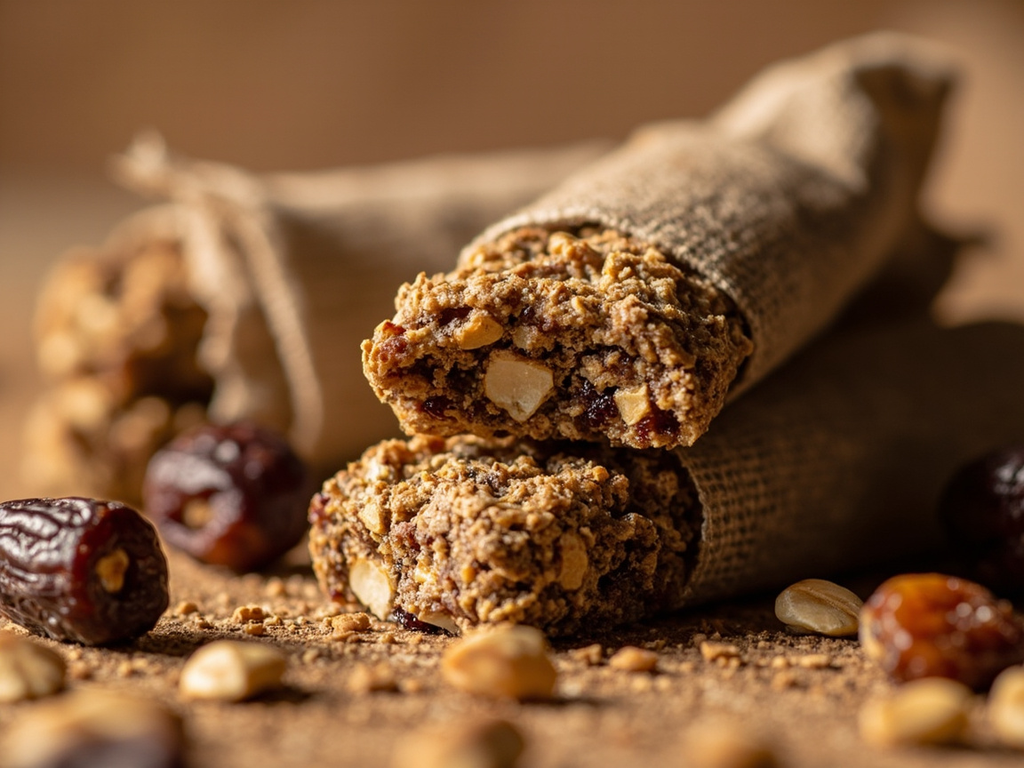
The contemporary twist : Cut them into diamonds and serve with fresh cheese as an "ancient energy bar," a nod to today's hiking snacks.
Sources : Andrew Dalby, Food in the Ancient World from A to Z · Athenaeus of Naucratis, The Deipnosophists (Book XIV)
Aristarchus · Charactorium