 flip
flipRose and Honey Jullab
Rose and Honey Jullab
Why this dish? After the nights of the cup that Abu Nuwas sings of, Baghdad's physicians prescribed refreshing syrups to "cool the heated liver." Jullab, a syrup of rose and honey diluted with water, was both a sweet treat and a remedy — the wise counterpoint to the poet's excesses.
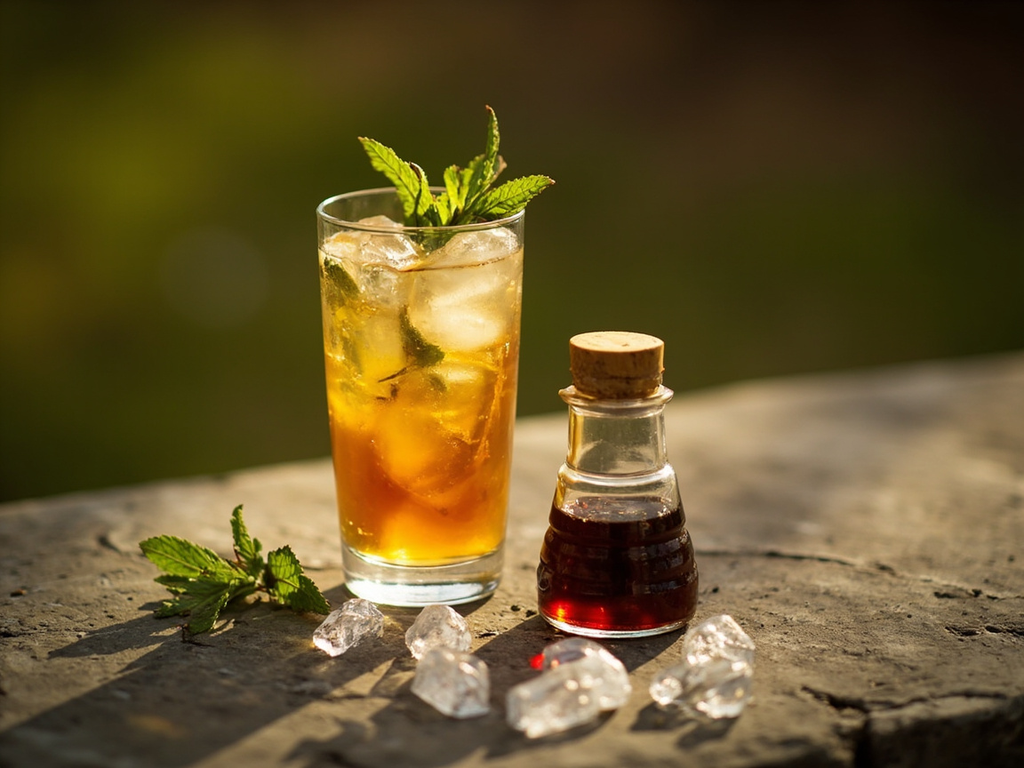
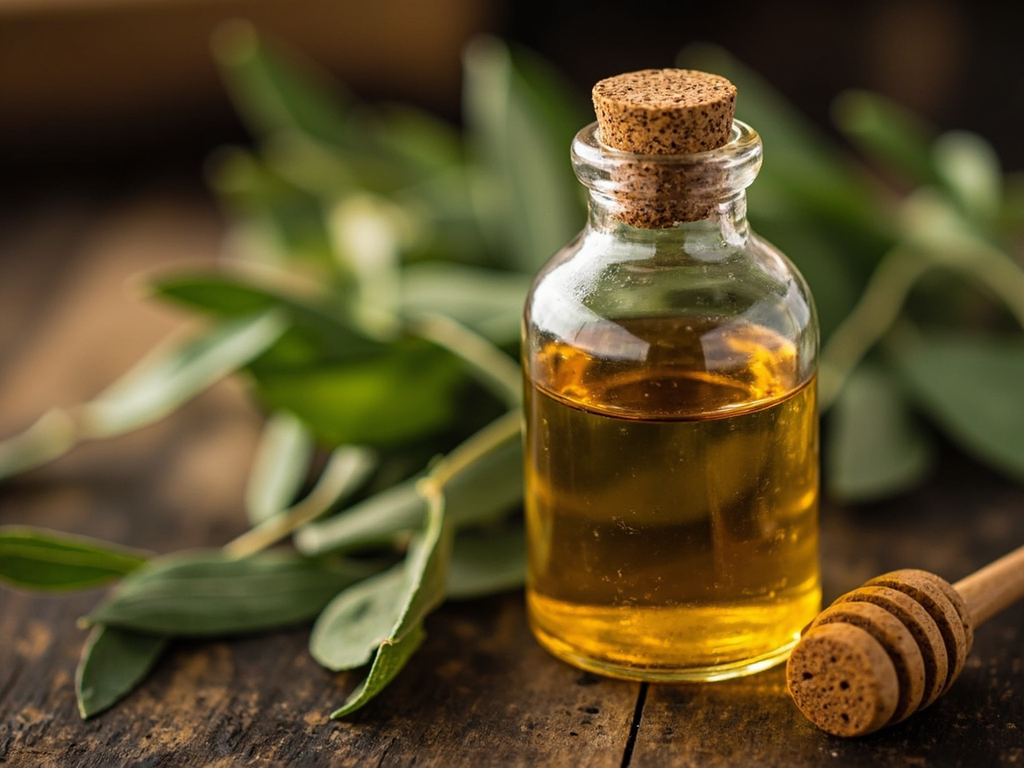
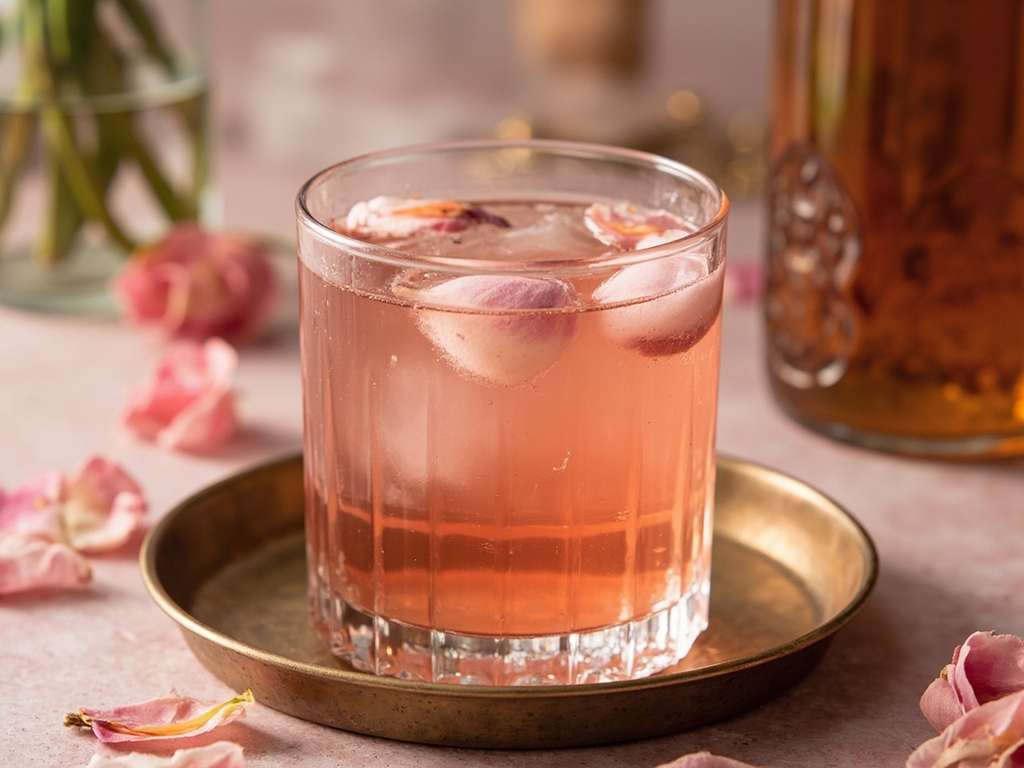
A fragrant syrup of rose water and honey, lifted by a hint of acidity, diluted with cool water for a refreshing drink. Considered cooling and digestive by medieval Arab medicine, it accompanied both fevers and the mornings after feasts.
The doctor, that killjoy, orders me jullab when my head pounds in the morning. Fine! I melt honey in rose water, add a tear of sour juice to wake it all up, and drink it cool in small sips. It is sweet, fragrant like a garden of Basra, and — I confess — it repairs my nights better than any sermon. Drink it too: one can love the rose as much as the vine.
- •Rose water — half a cup (parfum)
- •Honey — as much as you like (sucre et remède)
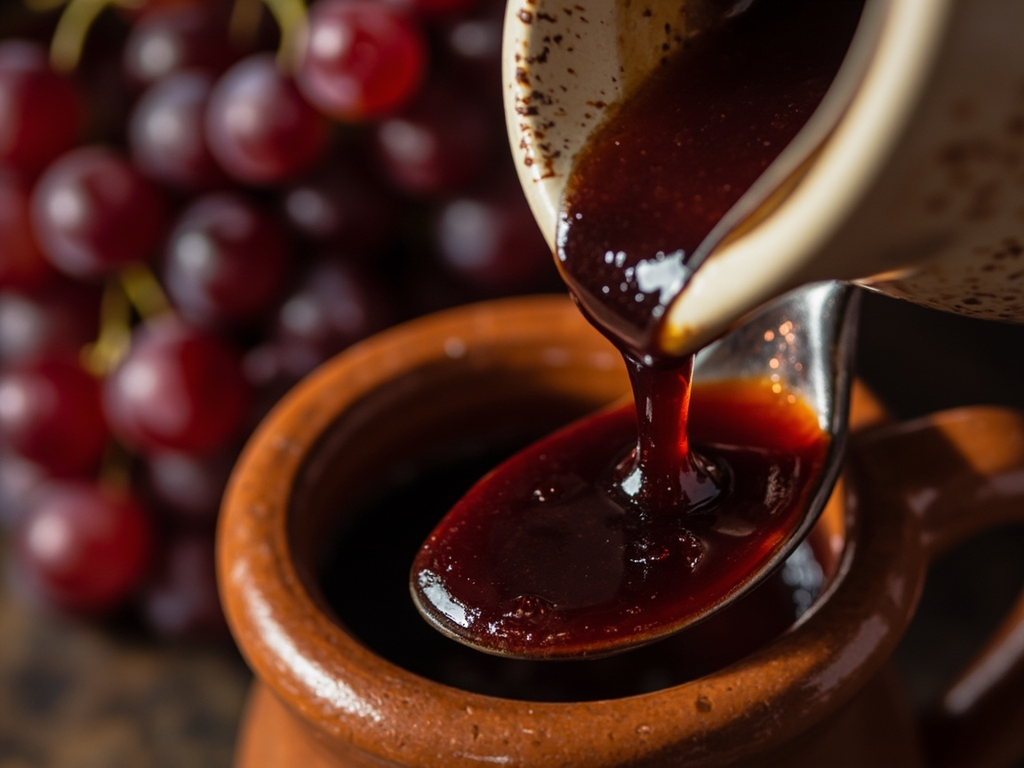
- •Sour juice (lemon, verjuice) — a few drops (acidité)
- •Fresh water — to taste (allongement)
Rose and Honey Jullab
A fragrant syrup of rose water and honey, lifted by a hint of acidity, diluted with cool water for a refreshing drink. Considered cooling and digestive by medieval Arab medicine, it accompanied both fevers and the mornings after feasts.
Why this dish? After the nights of the cup that Abu Nuwas sings of, Baghdad's physicians prescribed refreshing syrups to "cool the heated liver." Jullab, a syrup of rose and honey diluted with water, was both a sweet treat and a remedy — the wise counterpoint to the poet's excesses.
The doctor, that killjoy, orders me jullab when my head pounds in the morning. Fine! I melt honey in rose water, add a tear of sour juice to wake it all up, and drink it cool in small sips. It is sweet, fragrant like a garden of Basra, and — I confess — it repairs my nights better than any sermon. Drink it too: one can love the rose as much as the vine.
Ingredients (period version)
- Rose water — half a cup (parfum)
- Honey — as much as you like (sucre et remède)
- Sour juice (lemon, verjuice) — a few drops (acidité)
- Fresh water — to taste (allongement)
Ingredients
- Rose water — 3 tbsp (parfum)
- Honey — 4 tbsp (sucre)
- Lemon juice — 1 tbsp (acidité)
- Cold water — 500 ml (allongement)
- Dried edible rose petals (optional) — a pinch (garniture)
Method
- Slightly warm 100 ml of water and dissolve the honey to make a syrup.
- Add the rose water and lemon juice, mix.
- Dilute with the remaining cold water and taste: adjust honey and acidity.
- Serve well chilled, optionally over ice cubes, with rose petals floating on top.
How it was made : Jullab (from Persian gul-āb, "rose water") was a medicinal and refreshing syrup common in Arab-Persian pharmacopoeia and cuisine. Abbasid medical treatises, heirs to Galen, classified drinks by hot and cold; rose syrups were considered "cooling" for the body and soothing for excesses. They were stored concentrated and diluted at serving.
The contemporary twist : Serve as a granita: freeze the rose syrup and scrape with a fork — a poet's sorbet to close a summer meal.
Sources : Lilia Zaouali, L'Islam à table (2007) ; Peter Heine, Food Culture in the Near East (2004)
Abu Nuwas · Charactorium