 flip
flipThyme and Honey Infusion — The Philosopher's Breath
Thyme and Honey Infusion — The Philosopher's Breath
Why this dish? Seneca had suffered from fragile health since childhood and from choking fits he describes in his Letters. This infusion of thyme and honey, a common remedy in ancient medicine for the chest, evokes the simple potions a sick and frugal man would use to ease his breathing.
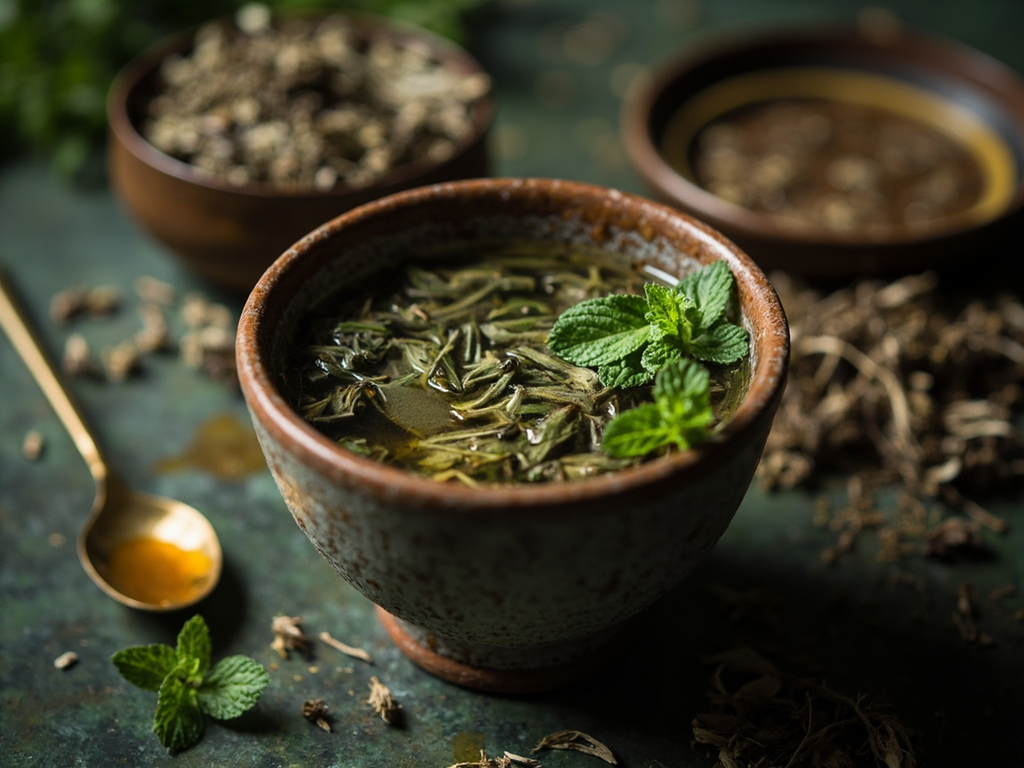
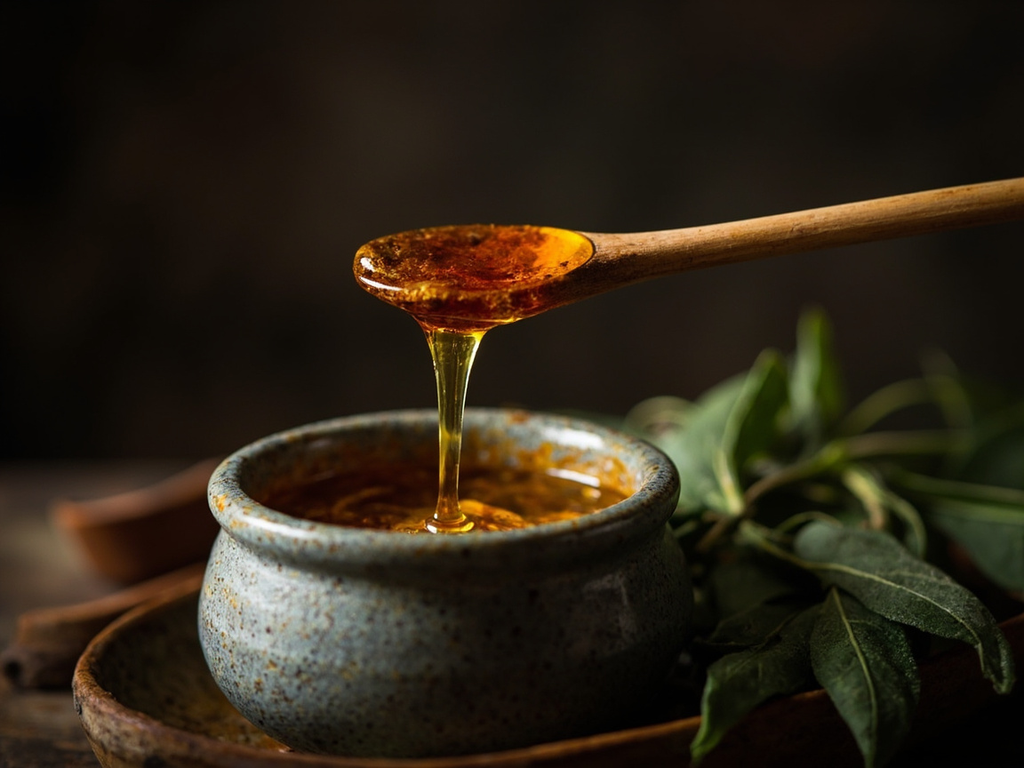
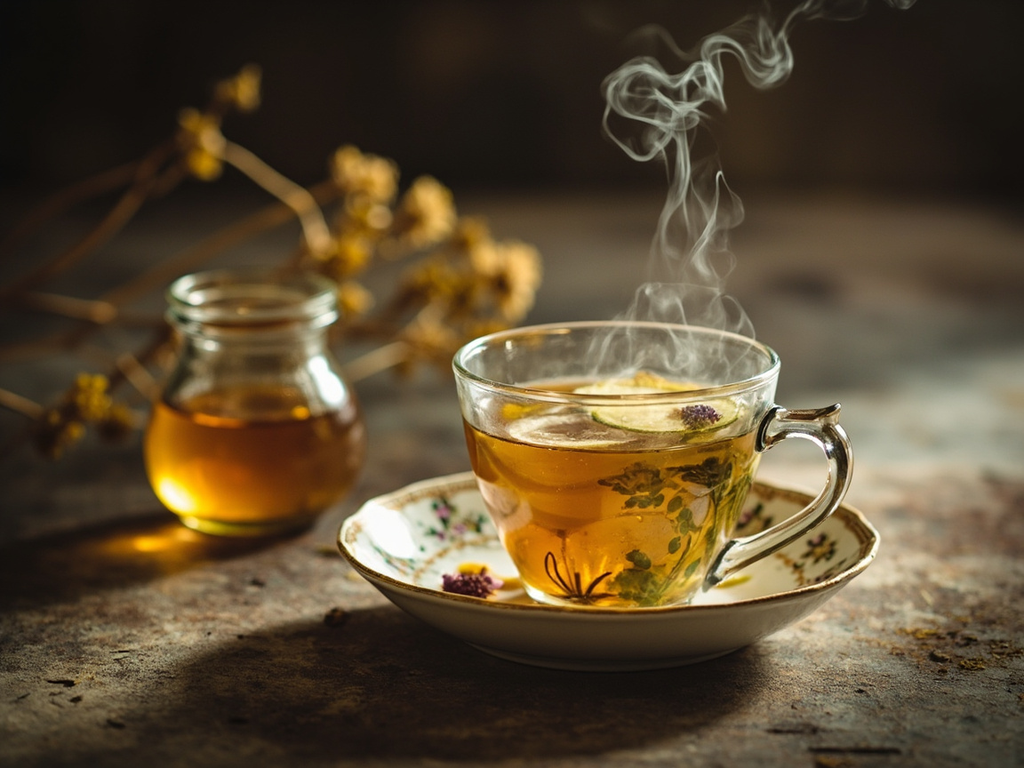
A warm infusion of thyme sweetened with honey, where the plant's bitterness meets the nectar's sweetness. A comfort for the throat and chest, at the crossroads of ancient cuisine and remedy.
My chest, since childhood, has waged war on me; there are nights when my breath fails as if I were drowning. Then I boil water, throw in the thyme from the hill, let the steam rise, and add honey to soften what illness has made harsh. Drink it slowly, in small sips, thinking that even the suffering body can serve the soul that learns. To meditate on death is also to know how to warm one's days with a little honey.
- •Fresh or dried thyme — a good pinch of sprigs (medicinal herb)
- •Spring water — a cup (base)
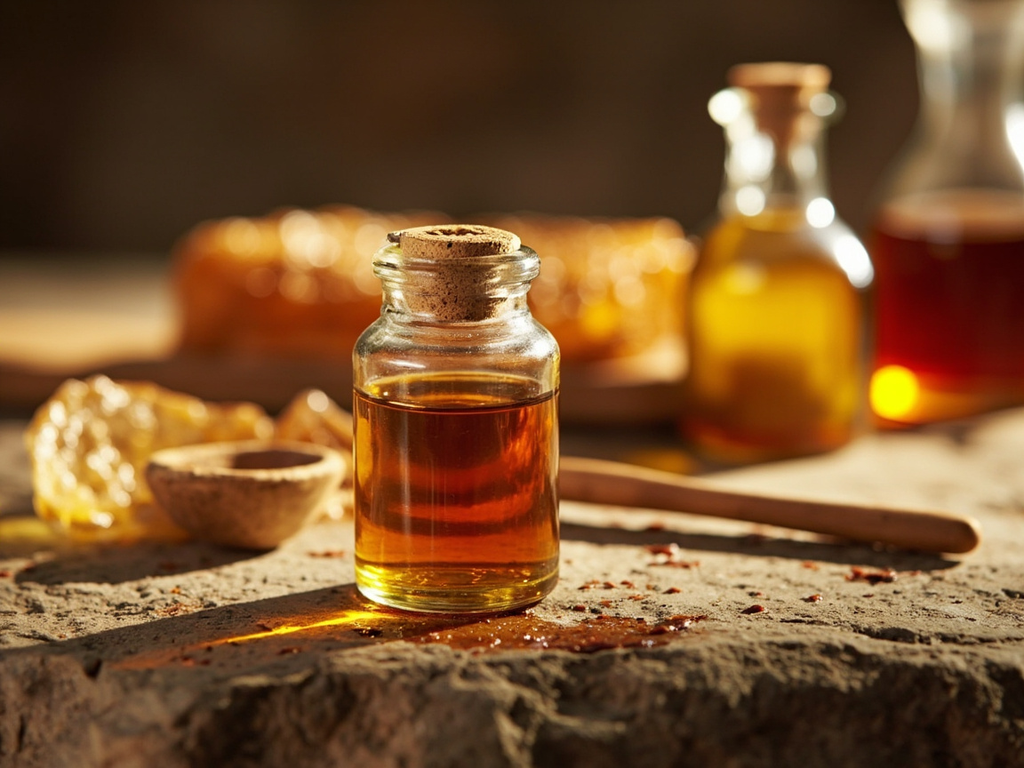
- •Honey — a spoonful (sweetener and balm)
Thyme and Honey Infusion — The Philosopher's Breath
A warm infusion of thyme sweetened with honey, where the plant's bitterness meets the nectar's sweetness. A comfort for the throat and chest, at the crossroads of ancient cuisine and remedy.
Why this dish? Seneca had suffered from fragile health since childhood and from choking fits he describes in his Letters. This infusion of thyme and honey, a common remedy in ancient medicine for the chest, evokes the simple potions a sick and frugal man would use to ease his breathing.
My chest, since childhood, has waged war on me; there are nights when my breath fails as if I were drowning. Then I boil water, throw in the thyme from the hill, let the steam rise, and add honey to soften what illness has made harsh. Drink it slowly, in small sips, thinking that even the suffering body can serve the soul that learns. To meditate on death is also to know how to warm one's days with a little honey.
Ingredients (period version)
- Fresh or dried thyme — a good pinch of sprigs (medicinal herb)
- Spring water — a cup (base)
- Honey — a spoonful (sweetener and balm)
Ingredients
- Fresh thyme (or 1 tsp dried) — 3–4 sprigs (infusion)
- Water — 250 ml (base)
- Honey — 1–2 tsp (sweetness and throat soothing)
- Lemon (optional, known to Romans as citron) — a squeeze (freshness)
Method
- Bring the water to a simmer.
- Remove from heat, add the thyme, cover, and steep for 7–10 minutes.
- Strain into a cup.
- Let cool for a minute, then stir in the honey (never in boiling water, to preserve its aromas).
- Drink hot, in small sips.
How it was made : Ancient medicine, from Dioscorides to Pliny, attributed to thyme virtues for respiration and the chest, while honey was the universal balm for throat ailments. These decoctions were prepared at home, the boundary between kitchen and pharmacy being blurred.
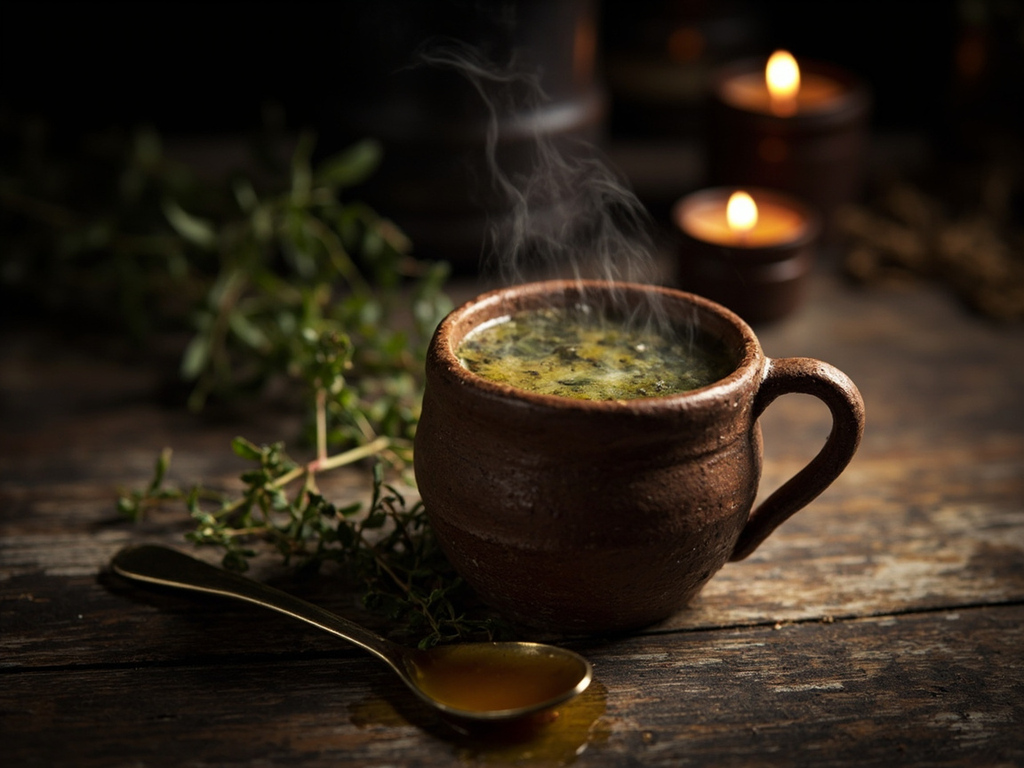
The contemporary twist : Serve in a raw clay cup with a thyme stick visible in the infusion: a 'Stoic tisane' perfect for reading evenings.
Sources : Dioscorides, De materia medica · Pliny the Elder, Natural History, XX–XXII
Seneca · Charactorium