 flip
flipFrankish Wedding Mead
Frankish Wedding Mead
Why this dish? According to the legend reported by Gregory of Tours, Basine leaves her first husband to join Childeric, judging him the most valiant of men. At Frankish weddings and oaths, mead passes from hand to hand in the drinking horn: unions and alliances are sealed with it. It is the drink of the moments that found a dynasty.
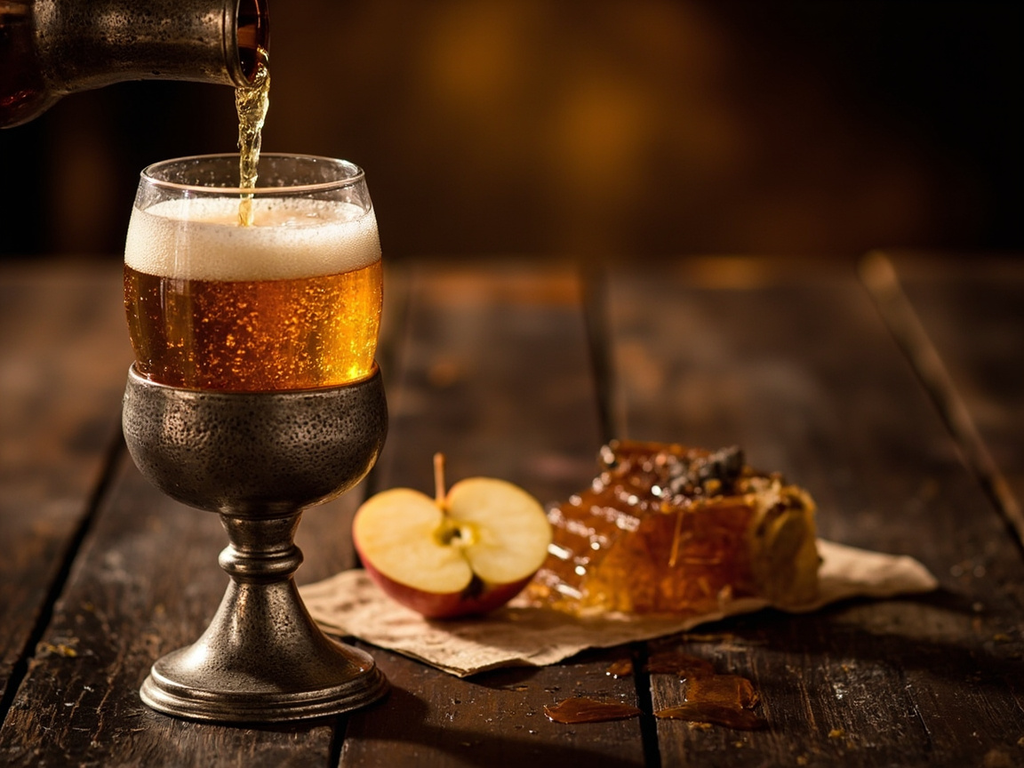
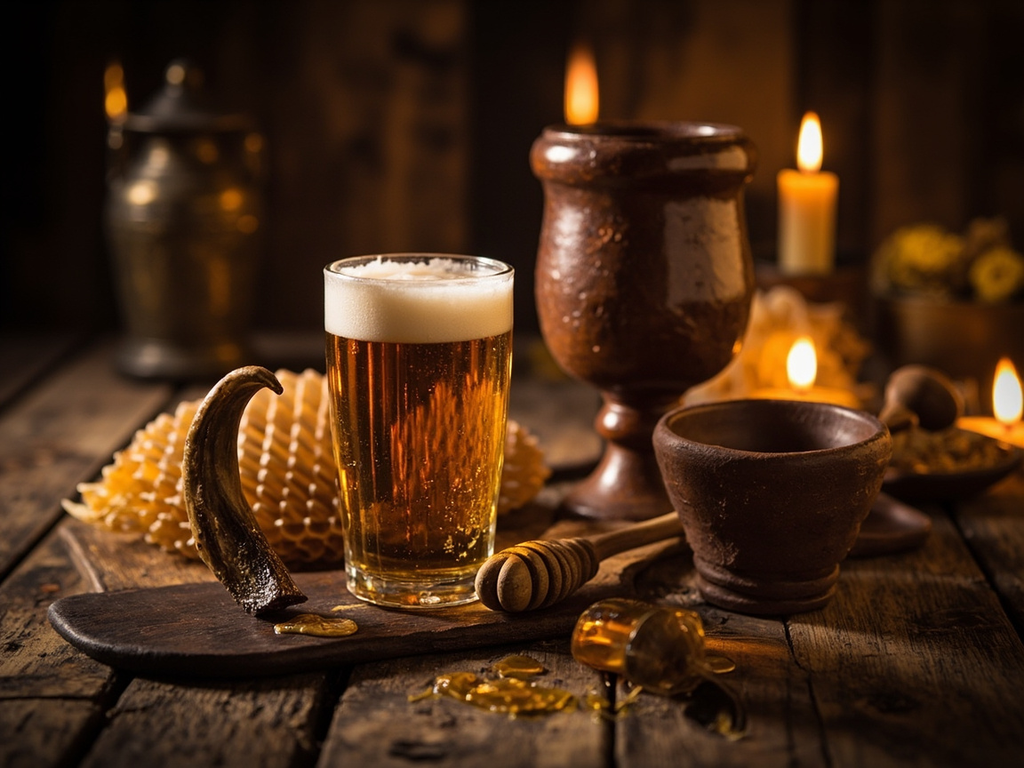
The wine of the bees: water and honey left to ferment into a golden, sweet and slightly sparkling beverage. The drink of oaths, weddings and royal banquets of the North.
Hand me the horn, that I may pour you the drink of the old gods and new kings. It is made only from the water of our springs and the honey of our hives, but let it rest the necessary time, sheltered, and it awakens on its own, it foams, it pricks the tongue and warms the belly. When I was united with Childeric, it was this liquor that circulated among the hands of the warriors, each swearing on the horn. Drink of it, but drink in measure: mead loosens tongues faster than wisdom can restrain them.
- •Honey — about one part to three parts water (fermentable sugar)
- •Spring water — the rest (base)
Frankish Wedding Mead
The wine of the bees: water and honey left to ferment into a golden, sweet and slightly sparkling beverage. The drink of oaths, weddings and royal banquets of the North.
Why this dish? According to the legend reported by Gregory of Tours, Basine leaves her first husband to join Childeric, judging him the most valiant of men. At Frankish weddings and oaths, mead passes from hand to hand in the drinking horn: unions and alliances are sealed with it. It is the drink of the moments that found a dynasty.
Hand me the horn, that I may pour you the drink of the old gods and new kings. It is made only from the water of our springs and the honey of our hives, but let it rest the necessary time, sheltered, and it awakens on its own, it foams, it pricks the tongue and warms the belly. When I was united with Childeric, it was this liquor that circulated among the hands of the warriors, each swearing on the horn. Drink of it, but drink in measure: mead loosens tongues faster than wisdom can restrain them.
Ingredients (period version)
- Honey — about one part to three parts water (fermentable sugar)
- Spring water — the rest (base)
Ingredients
- Unpasteurized honey — 1 kg (fermentable sugar)
- Spring water — 3 litres (base)
- Yeast (mead or white wine yeast) — 1 packet (controlled fermentation)
- Apple wedge or raisins — a small handful (yeast and tannin addition (optional))
Method
- Gently warm (do not boil) the water with the honey, stirring until completely dissolved. Skim if needed.
- Let cool to room temperature, then pour into a large clean jar or demijohn.
- Add the yeast (and, if desired, the apple wedge or raisins). Seal with an airlock or a cloth stretched with an elastic band.
- Let ferment for 2 to 4 weeks in a temperate, dark place: the beverage becomes cloudy, bubbles, then clears.
- Filter, bottle, and store cool. Serve chilled, in a cup… or a horn.
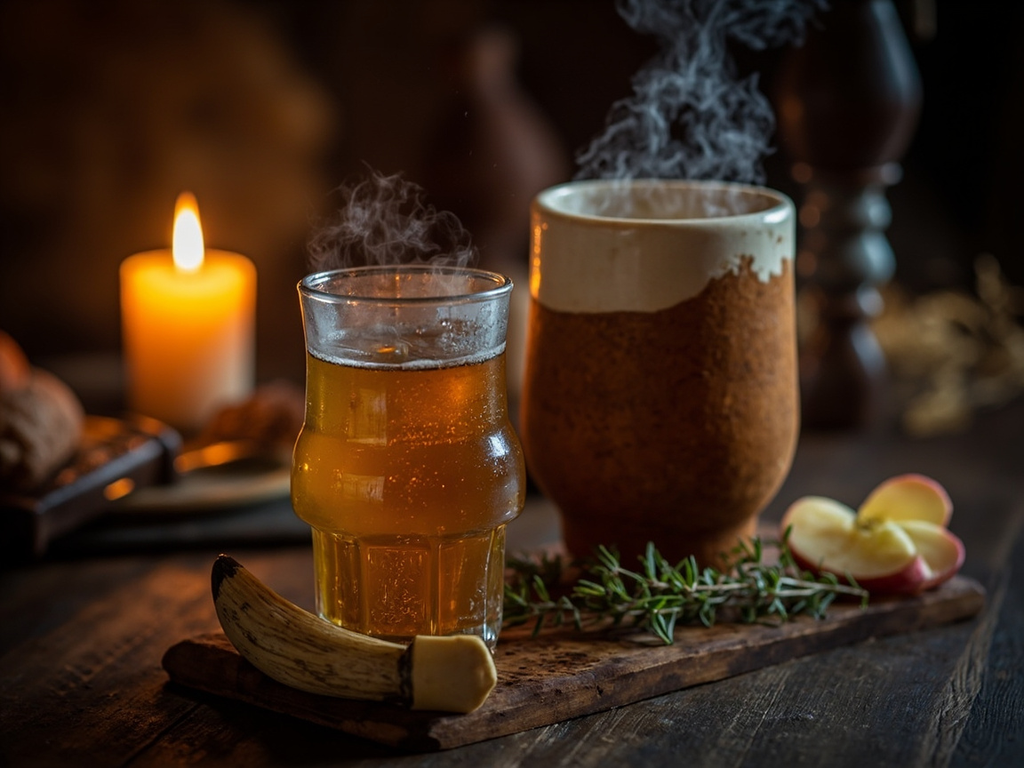
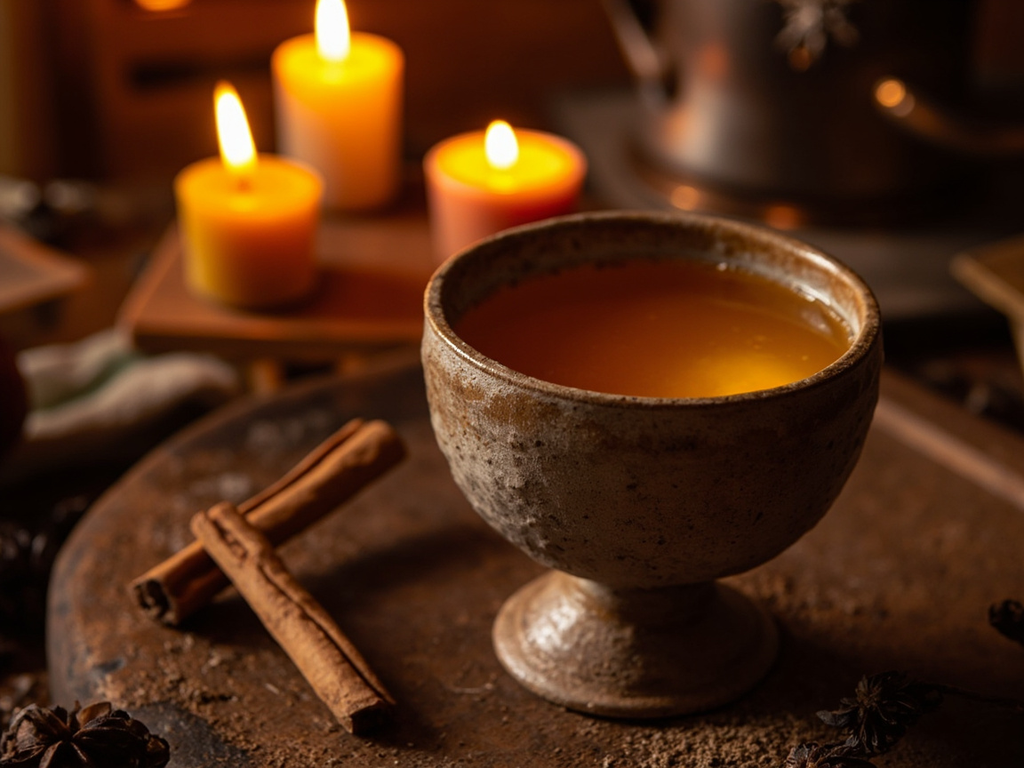
- Important: alcoholic fermentation produces alcohol — for adults only; for children, serve a non-fermented version (warm spiced honey water).
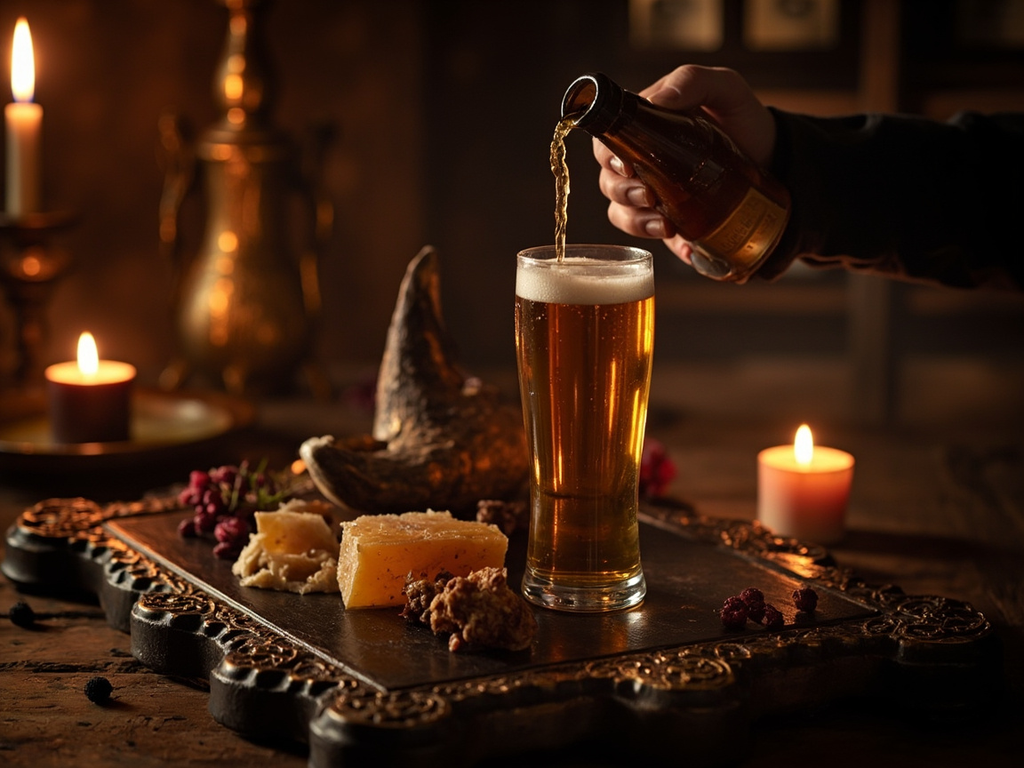
How it was made : Mead, obtained by spontaneous fermentation of diluted honey thanks to wild yeasts, is undoubtedly one of the oldest alcoholic beverages of Northern Europe. Among Germanic peoples, it accompanied banquets, weddings and oaths, shared in drinking horns — an object well attested in Frankish material culture. Roman wine, rarer north of the Loire, often gave way to it.
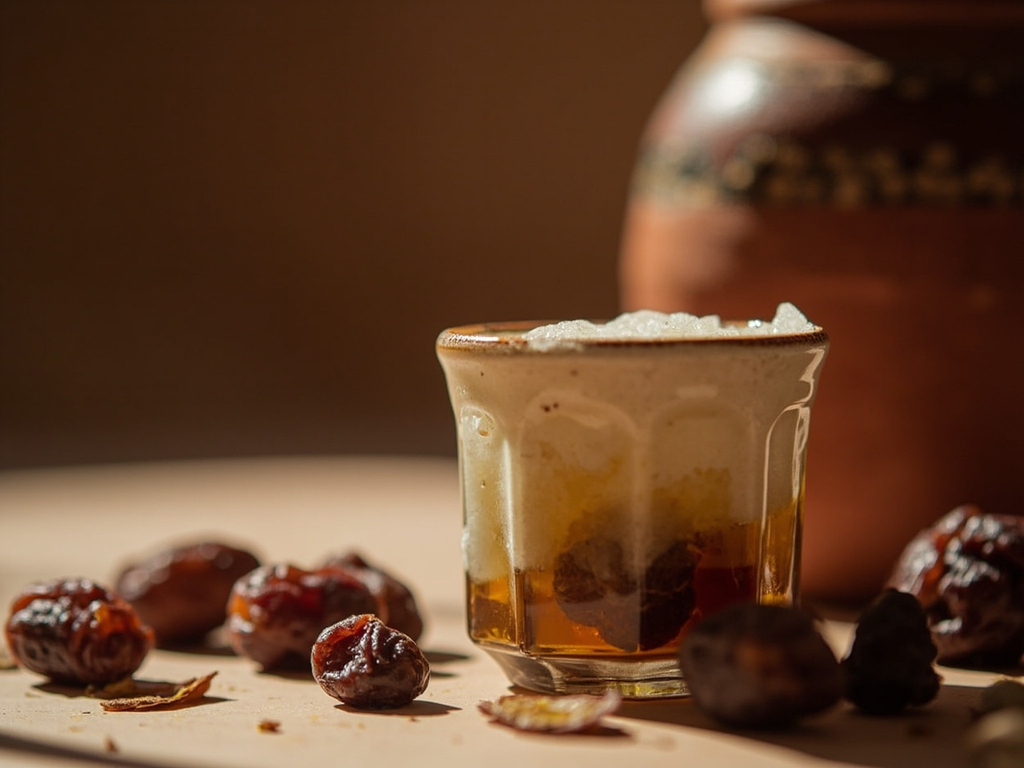
The contemporary twist : Serve ice-cold in a frosted glass under the name 'Nectar of Tournai', with a lick of crystallized honey on the rim — a nod to the golden bees found in Childeric's tomb.
Sources : Grégoire de Tours, Histoire des Francs (récit de Basine et Childéric) · Patrick Périn et Laure-Charlotte Feffer, Les Francs
Basina of Thuringia · Charactorium