 flip
flipRestorative Herb Broth
Restorative Herb Broth
Why this dish? Pascal was of fragile health all his life and suffered cruelly in his final years. In the 17th century, the long, clear broth — the 'restaurant', which restores strength — was the universal remedy for the sick and the food of convalescents. It suits both his austere table and his weakened body.
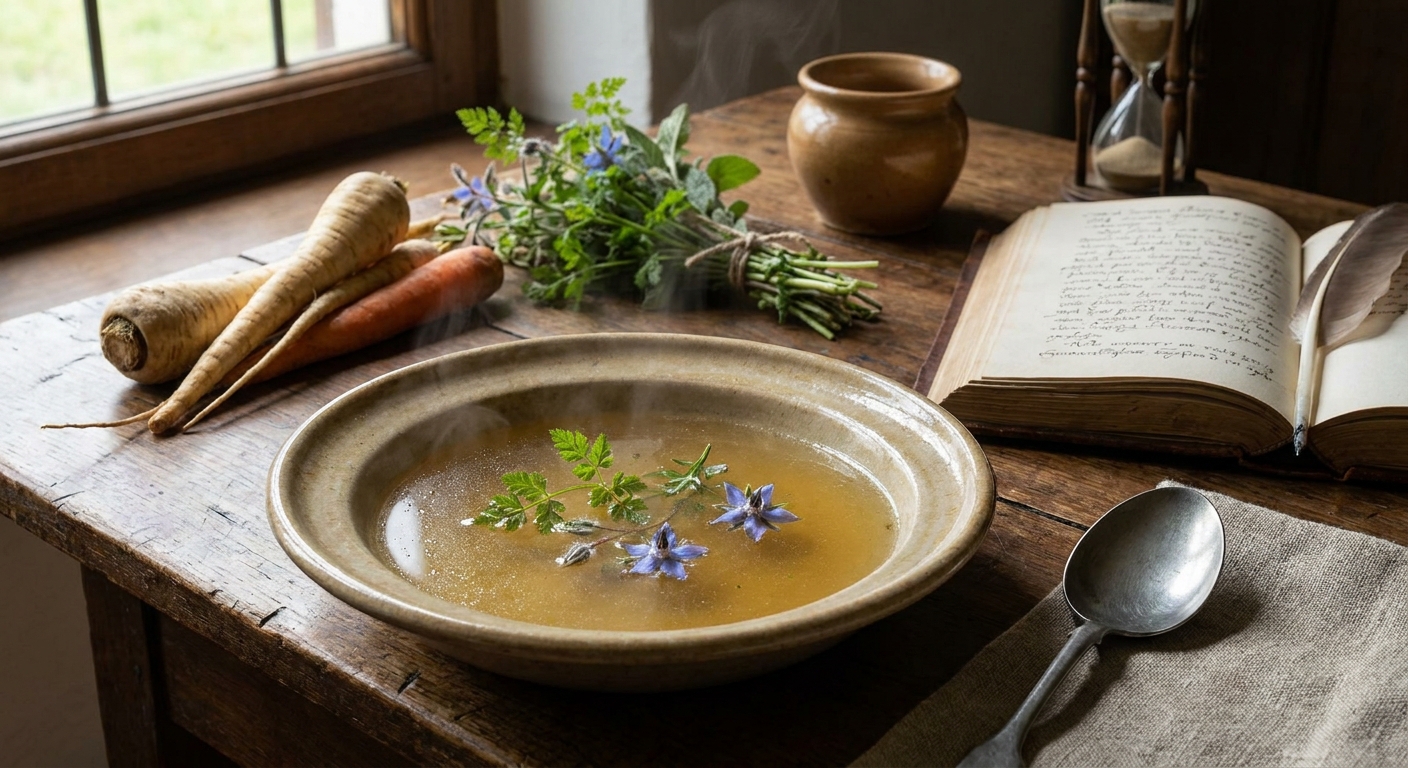
A clear, golden broth, slowly drawn from poultry and roots, perfumed with herbs reputed to be strengthening. Drunk hot, in small sips, to comfort without burdening the stomach.
My body, that frail reed, barely tolerates anything but this clear broth. Put an old hen and a few roots in plenty of water, skim carefully, and let the fire burn very gently for hours, without a strong boil that would cloud the liquor. Strain it very clean, and add only a little salt and some herbs. Drink it lukewarm: it restores strength without overwhelming the stomach, and leaves the mind free to ponder things that endure.
- •Old hen — one (broth base)
- •Roots (parsnip, turnip, carrot of the time) — a bunch (sweetness and body)
- •Leek, onion — one of each (aromatics)
- •Herbs (chervil, borage, parsley) — a bouquet (strengthening virtue and flavor)
- •Clove — two, stuck into the onion (flavor)
- •Salt — very little (seasoning)
Restorative Herb Broth
A clear, golden broth, slowly drawn from poultry and roots, perfumed with herbs reputed to be strengthening. Drunk hot, in small sips, to comfort without burdening the stomach.
Why this dish? Pascal was of fragile health all his life and suffered cruelly in his final years. In the 17th century, the long, clear broth — the 'restaurant', which restores strength — was the universal remedy for the sick and the food of convalescents. It suits both his austere table and his weakened body.
My body, that frail reed, barely tolerates anything but this clear broth. Put an old hen and a few roots in plenty of water, skim carefully, and let the fire burn very gently for hours, without a strong boil that would cloud the liquor. Strain it very clean, and add only a little salt and some herbs. Drink it lukewarm: it restores strength without overwhelming the stomach, and leaves the mind free to ponder things that endure.
Ingredients (period version)
- Old hen — one (broth base)
- Roots (parsnip, turnip, carrot of the time) — a bunch (sweetness and body)
- Leek, onion — one of each (aromatics)
- Herbs (chervil, borage, parsley) — a bouquet (strengthening virtue and flavor)
- Clove — two, stuck into the onion (flavor)
- Salt — very little (seasoning)
Ingredients
- Stewing hen — 1 (or 4 thighs) (base)
- Carrots — 3 (sweetness)
- Parsnips — 2 (body)
- Leek — 1 (aromatic)
- Onion studded with 2 cloves — 1 (flavor)
- Fresh chervil and parsley — 1 bunch (final flavor)
- Salt — moderate (seasoning)
Method
- Place the hen in a large pot of cold water and bring slowly to a simmer.
- Skim off any scum that rises to the surface carefully to obtain a clear broth.
- Add the roots, leek, and clove-studded onion; season very lightly with salt.
- Simmer very gently for 2 to 3 hours, never letting it boil vigorously.
- Strain the broth through a fine cloth, degrease, then infuse the fresh herbs for 5 minutes off the heat.
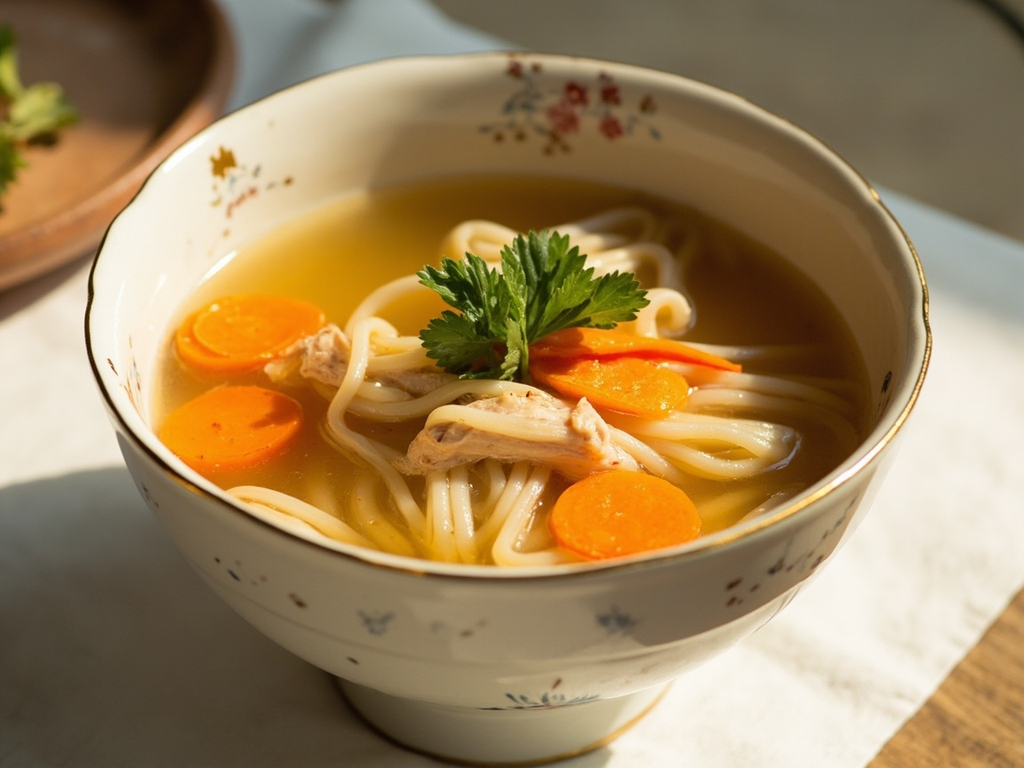
- Serve lukewarm in a cup or bowl, to be sipped slowly.
How it was made : The 'restaurant' originally referred to this restorative broth — it is from this that the word 'restaurant' would derive its name in the following century, when establishments selling these reviving broths opened in Paris. For the sick, it was sometimes drawn 'in a bain-marie' in a sealed bottle, a technique called 'à la consommé', to concentrate the juices without evaporation.
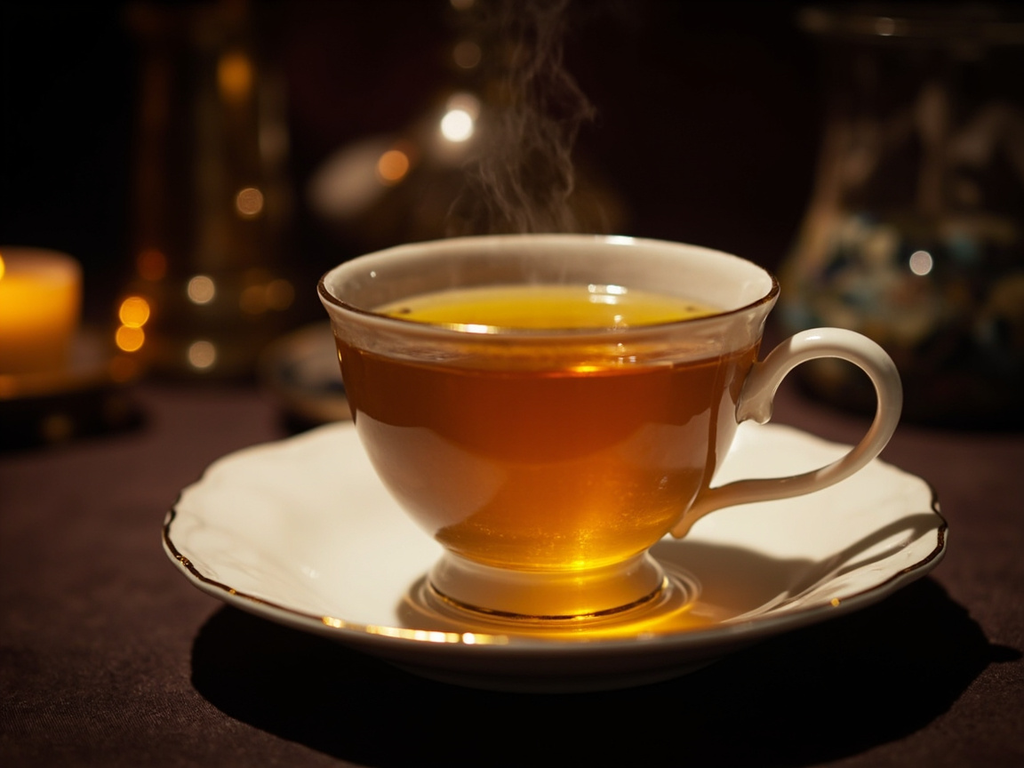
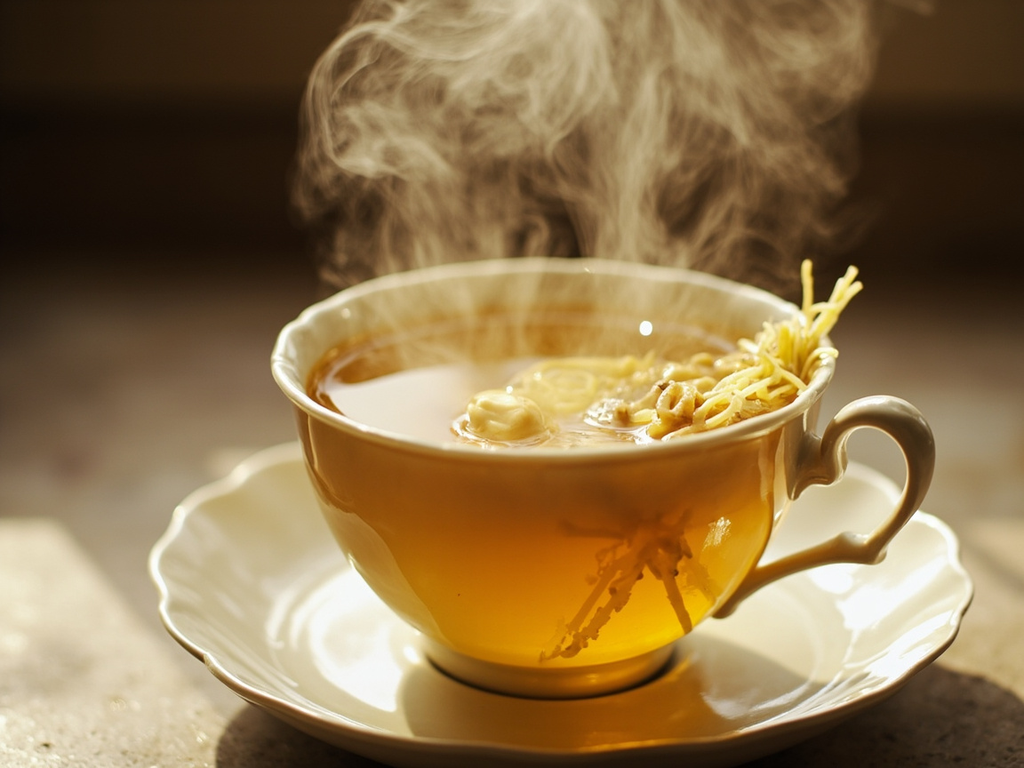
The contemporary twist : Served in a small espresso cup with a floating chervil leaf, as a comforting 'amuse-bouche' for a winter dinner.
Sources : François Pierre de La Varenne, Le Cuisinier françois, 1651
Blaise Pascal · Charactorium