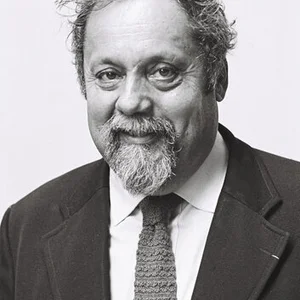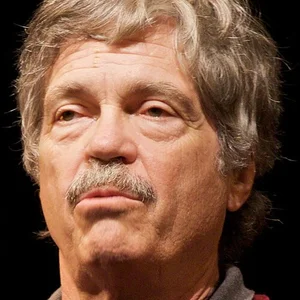

Bryan Sykes (1947-2020) was a British geneticist and professor of human genetics at the University of Oxford. A pioneer in the study of ancient DNA and mitochondrial DNA, he popularized the use of genetics to trace the origins of human populations.
Bryan Sykes(1947 — 2020)
Bryan Sykes
Royaume-Uni
6 min read
Frequently asked questions
Key Facts
- Born in 1947 in the United Kingdom, he became a professor of human genetics at the University of Oxford
- In 1994, he succeeded in extracting DNA from bones thousands of years old, contributing to the study of ancient DNA
- In 2001, he published a famous study identifying the “seven daughters of Eve”, seven maternal mitochondrial DNA lineages from which Europeans descend
- Author of the best-seller “The Seven Daughters of Eve” (2001), which popularized population genetics
- Having died in 2020, he founded a pioneering genealogical DNA testing company (Oxford Ancestors)
Works & Achievements
Sykes was one of the pioneers in recovering DNA from archaeological bones, founding the field of ancient DNA.
Participation in the genetic study of the Iceman mummy, linking a prehistoric man to present-day European populations.
Demonstration of the link between surname and Y chromosome, opening the way to paternal genetic genealogy.
Creation of one of the first companies to offer the public DNA tests to discover their origins.
Best-selling popular science book presenting the seven founding maternal lineages of Europeans, a worldwide success.
A vast genetic investigation into the origins of the peoples of the British Isles based on the DNA of their inhabitants.
Scientific study of hairs attributed to legendary creatures, showing that they belonged to known animals.
Anecdotes
In 1994, Bryan Sykes successfully extracted DNA from a 5,300-year-old bone: that of Ötzi, the Iceman mummy found in the Alps. By comparing this DNA with that of living Europeans, he even tracked down distant cousins of the prehistoric man, still alive today!
Sykes developed the idea that nearly all Europeans are descended, through their maternal line, from just seven women who lived in prehistoric times. He nicknamed them the “seven daughters of Eve” and even gave them imaginary first names like Ursula or Helena to make genetics more vivid.
To win a friendly bet, Sykes once set out to discover whether all the men sharing the same family name were descended from a common ancestor. By studying people who shared his own name, “Sykes,” he showed that most of them did indeed carry a similar Y chromosome: the surname was passed down along with the DNA.
Curious and playful, Sykes analyzed hairs attributed to the Yeti and Bigfoot sent in by enthusiasts from all over the world. The result: no monsters, but bears, horses, and dogs. One of his analyses of a Himalayan hair still caused quite a stir by suggesting a possible unknown bear.
In 2000, Sykes founded one of the very first companies offering the general public the chance to have their DNA analyzed to learn about their origins. He thus paved the way for the genealogical genetic tests that millions of people use today.
Primary Sources
Almost every European living today, wherever they live, can trace their maternal ancestry back to one of these seven women.
Analysis of the Ice Man's mitochondrial DNA shows that he belongs to a genetic group still widespread in central and northern Europe.
Men sharing the same surname have a high probability of also sharing a closely related Y chromosome type, a sign of common paternal ancestry.
None of the samples attributed to the Yeti or the Sasquatch come from an unknown primate; all correspond to animals already known to science.
Key Places
Sykes was a professor of human genetics there and carried out most of his research on ancient and mitochondrial DNA at the university.
Laboratory where Sykes developed his techniques for extracting and analysing DNA from ancient samples.
Site where Ötzi was discovered, the ice mummy whose mitochondrial DNA Sykes helped to analyse.
The field of study for his book “Blood of the Isles”, for which he collected the DNA of thousands of inhabitants in order to trace their origins.
Birthplace and place of death of Bryan Sykes.
Typical Objects

Laboratory device that determines the order of the chemical “letters” of DNA. It is the central tool for reading and comparing genetic codes.

Machine that heats and cools samples to multiply tiny fragments of DNA. Essential for studying ancient DNA, which is often present in very small amounts.

Small stick used to collect cells from the inside of the cheek. Sykes mailed them to his clients to obtain their DNA.

Instrument used to observe cells and tissues before extracting DNA. A basic tool of the geneticist.

Ancient bones, teeth and mummies from which Sykes extracted DNA to travel back in time. Ötzi the Iceman's mummy is the most famous example.

A tree-shaped representation showing how maternal lineages connect to common ancestors. Sykes popularized it with his “Seven Daughters of Eve.”
School Curriculum
Vocabulary & Tags
Key Vocabulary
Tags
Daily Life
Morning
Sykes's mornings often began at the University of Oxford, between reading scientific papers and preparing lectures. He spent time in the lab supervising the extraction of DNA from fragile samples.
Afternoon
The afternoon was devoted to research: analyzing genetic sequences on the computer, and meetings with his students and PhD candidates. He also discussed the results from sequencing and planned new population studies.
Evening
In the evening, Sykes enjoyed writing for the general public, turning complex data into accessible stories. A passionate communicator, he prepared lectures, interviews, and chapters for his popular-science books.
Food
Like most British academics of his time, he shared simple meals, sometimes eaten in the dining hall (the “hall”) of his Oxford college. Tea, coffee, and scientific discussions punctuated the breaks throughout the day.
Clothing
Sykes wore the classic attire of the British academic: a jacket, a shirt, and sometimes a tie. In the lab, he put on a white coat and gloves to avoid contaminating the precious DNA samples.
Housing
He lived in England, near Oxford, in the lush setting typical of the English countryside. His life was divided between his home, the university's ancient buildings, and the modern laboratories.
Historical Timeline
Period Vocabulary
Liens externes & ressources
Références
Œuvres
Extraction d'ADN à partir d'os anciens
1989
Analyse de l'ADN d'Ötzi
1994
Étude « Surnames and the Y chromosome »
2000
Fondation d'Oxford Ancestors
2000
The Seven Daughters of Eve
2001
Blood of the Isles
2006
The Nature of the Beast / Bigfoot, Yeti analyses
2015