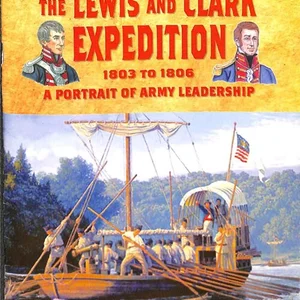

Chief of the Shoshone tribe, Cameahwait played a crucial role in the Lewis and Clark Expedition (1805) by providing guides and horses to cross the Rocky Mountains. Brother of Sacagawea, he enabled the American expedition to reach the Pacific.
Cameahwait
Cameahwait
8 min read
Frequently asked questions
Key Facts
- Chief of the Shoshone people in the Rocky Mountains in the early 19th century
- 1805: met the Lewis and Clark Expedition and provided them with horses and guides
- Brother of Sacagawea, the expedition's Shoshone interpreter
- His assistance was decisive in crossing the Rocky Mountains and reaching the Pacific
- His name roughly means 'he who never walks' in Shoshone
Works & Achievements
Cameahwait negotiated and concluded a decisive alliance with the American explorers, providing horses, provisions, and a guide. This diplomatic act was one of the most pivotal moments in the history of the exploration of the American West.
By appointing Old Toby as guide and lending his horses, Cameahwait made possible the crossing of Lolo Pass, enabling the expedition to reach the Columbia River and ultimately the Pacific Ocean.
During his meetings with Lewis, Cameahwait accurately described the terrain, rivers, and hazards of the region. This information was recorded in the expedition's journals and directly influenced American cartography of the West.
Cameahwait ensured the survival of his group in a harsh mountain environment under the constant threat of Blackfoot raids. He organized communal bison hunts and forged the alliances necessary to secure his tribe's future.
Anecdotes
In August 1805, Meriwether Lewis encountered Cameahwait for the first time in the Rocky Mountains. Wary of these strangers with unknown intentions, the Shoshone chief nonetheless agreed to follow them to Clark's camp. Lewis set down his rifle as a sign of peace — a risky gesture of trust that opened the door to dialogue and negotiations.
On August 17, 1805, an extraordinary moment shook the Shoshone camp: Sacagawea, the expedition's interpreter, suddenly recognized Cameahwait as her own brother. Kidnapped as a child by Hidatsa warriors, she was reuniting with her family after years of separation. The journals of Lewis and Clark describe her tears and overwhelming emotion during this improbable reunion at the heart of the Rockies.
Without the twenty-nine horses provided by Cameahwait, the expedition would have been at a standstill before the snow-covered passes. These mounts allowed the party to carry supplies and equipment through the Lolo Pass, a route dreaded even by the most seasoned Native Americans. Cameahwait also designated an experienced guide, an elderly Shoshone whom the explorers nicknamed “Old Toby.”
During his conversations with Lewis, Cameahwait described the region's terrain, rivers, and dangers with remarkable precision. He honestly warned the explorers of the hardships that lay ahead, speaking of steep mountains and impassable rivers. Despite his warnings, he provided all the assistance requested, forging a momentary alliance that proved pivotal in the history of American exploration.
Cameahwait led a Shoshone band known as the Agaidika, the “salmon eaters,” who survived in a harsh mountain environment. Forced by the threat of the Blackfoot to remain in the Rockies rather than hunt bison on the plains, his people often went without food. The encounter with Lewis and Clark thus also represented an opportunity to obtain trade goods and form protective alliances.
Primary Sources
I now hoisted a small flag which I had brought for that purpose and advanced slowly toward them... the chief Cameahwait came up to me and embraced me very affectionately in their way which is by putting their left arm over your wright sholder clasping your back.
The interperter & Squar who were before me at some distance danced for the joyful Sight, and She made signs to me that they were her nation... She sucked her fingers to indicate that he was her brother.
Cameahwait agreed to furnish us with as many horses as we wished and to accompany us to the waters of the Columbia river. he also agreed to furnish us with a guide.
The object of your mission is to explore the Missouri river, & such principal stream of it, as, by it's course and communication with the waters of the Pacific ocean, may offer the most direct & practicable water communication across this continent.
Key Places
It was at this location, at the foot of the border pass between Montana and Idaho, that Cameahwait met Lewis and then Clark in August 1805. This encampment, named “Camp Fortunate” by the explorers, was the scene of the decisive alliance between the Shoshones and the American expedition.
This narrow valley was the seasonal territory of the Shoshone group led by Cameahwait. It was here that the tribe camped and where most of the exchanges, negotiations, and horse transfers with the expedition took place.
With the horses provided by Cameahwait and the Shoshone guide Old Toby, Lewis and Clark crossed this feared pass through the Bitterroot Mountains in September 1805. Without Shoshone assistance, this passage would have been impossible under winter conditions.
It was in this winter fort built by the expedition that Sacagawea, Cameahwait’s sister, joined Lewis and Clark as an interpreter. The subsequent reunion between siblings in the Rockies was only made possible by her presence in the expedition.
The Shoshones moved seasonally onto these plains to hunt bison, their primary source of food and raw materials. Cameahwait organized these collective mounted expeditions, which were vital to his group’s survival through the winter.
Typical Objects

The horse was central to the prestige and survival of the Shoshone in the nineteenth century. Cameahwait gave twenty-nine horses to the Lewis and Clark Expedition, a decisive gesture that made it possible to cross the Rockies and reach the Pacific.

The ceremonial pipe was used during diplomatic meetings to seal peace and trust between parties. Lewis and Clark offered a calumet to Cameahwait at their first official meeting, following Native American diplomatic custom.

The bow was the primary weapon of Shoshone warriors and hunters. Cameahwait, a chief and warrior, was skilled with this weapon, used for both bison hunting and defending the group against Blackfoot raids.

Shoshone chiefs wore finely decorated deerskin garments adorned with colorful beads and leather fringe. These ornaments signaled rank and social status within the tribe during ceremonies and diplomatic gatherings.

Lewis and Clark presented medals bearing the likeness of President Jefferson to the Native American chiefs they encountered, as a symbol of United States authority and goodwill. Cameahwait received such a medal during their meeting in August 1805.

A large garment and blanket made from tanned buffalo hide, worn fur-side in during winter. It served both as a ceremonial garment and a survival tool for the Shoshone during the harsh winters of the Rockies.
School Curriculum
Vocabulary & Tags
Key Vocabulary
Tags
Daily Life
Morning
At sunrise, Cameahwait and the tribe's men prepared the horses for hunting or patrolling the territory. Women lit the fires and prepared the morning meal of dried roots, berries, or smoked meat. In summer, camp was broken early to take advantage of the cool morning air before the midday heat.
Afternoon
The afternoon was devoted to hunting, warrior training, or negotiations with other Native American groups. Cameahwait oversaw the management of the horse herds, the Shoshones' primary source of wealth. During the bison hunting season, groups of mounted men organized collective drives across the great eastern plains.
Evening
In the evening, the group gathered around the fire to eat and share the day's stories. Cameahwait held councils with the elders and warriors to decide on camp movements or alliances to be formed. After nightfall, sentinels kept watch, as Blackfoot raids posed a constant threat to the Rocky Mountain Shoshones.
Food
Food varied with the seasons: bison in summer and fall, dried into pemmican for winter; salmon during the summer runs up the mountain rivers; roots (camas, bitterroot) and wild berries in spring. In winter or during lean times, small game, bark, and bitter roots were consumed. The bison hunt — a collective activity organized by the chief — held the highest social prestige.
Clothing
Cameahwait wore finely crafted garments of deer or antelope hide: a fringed tunic, fitted leggings, and moccasins embroidered with colorful beads. In winter, he wrapped himself in a large buffalo robe worn fur-side in. During ceremonies or diplomatic meetings, he displayed eagle feather ornaments, necklaces, and body paint marking his rank as chief.
Housing
The Shoshone tipi — a conical structure of poles covered with sewn buffalo hides — served as the primary dwelling. Easy to dismantle and carry during seasonal moves, it could shelter an extended family around a central hearth. The interior was organized with layers of furs laid on the ground, personal belongings and weapons hung from the poles.
Historical Timeline
Period Vocabulary
Liens externes & ressources
Références
Œuvres
Alliance diplomatique avec l'expédition Lewis et Clark
Août 1805
Organisation de la traversée des Rocheuses
Août-septembre 1805
Transmission de connaissances géographiques
Août 1805
Direction et protection du peuple Agaidika (Shoshones mangeurs de saumons)
Début XIXe siècle