Colonization and Decolonization
Explorers, colonizers, resistance fighters and independence leaders — the faces of colonial empires and their dismantling.
153 characters
153 characters
Anansi
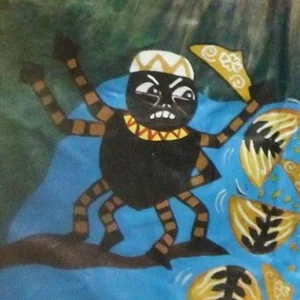
Anansi is a cunning and mischievous spider from Akan and Ashanti mythology, originating in West Africa. A central figure in folk tales, he represents intelligence, trickery, and survival through wit. These stories crossed the Atlantic through the slave trade and continue to influence the oral traditions of the Caribbean and the Americas.
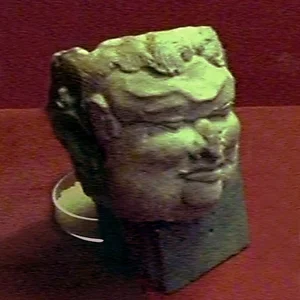
Gajah Mada
1290 — 1364
Gajah Mada was the Mahapatih (Prime Minister) of the Majapahit Empire in the 14th century. A strategist and conqueror, he pronounced the famous Palapa Oath, pledging to unify the entire Nusantara archipelago under Majapahit’s authority before tasting spices. He led the empire to its zenith and remains an Indonesian national hero.
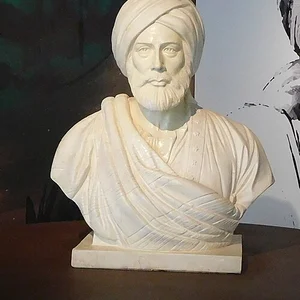
Ibn Battûta
1304 — 1368
Muslim explorer and geographer of the 14th century, born in Tangier (Morocco). Ibn Battûta undertook a journey of over 120,000 km across Africa, Asia, and the Middle East, becoming the greatest medieval traveler. His accounts, recorded in the Rihla (the Journey), bear witness to the richness of the Muslim civilizations of his time.
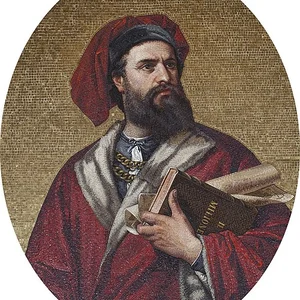
Marco Polo
1254 — 1324
Venetian merchant and explorer (1254–1324), Marco Polo is famous for his long journey to Asia from 1271 to 1295, during which he reached the court of the Great Khan Kublai. His account, The Travels of Marco Polo, profoundly shaped European knowledge of Asia and its trade routes.
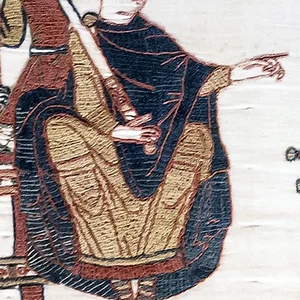
William the Conqueror
1028 — 1087
Duke of Normandy, William the Conqueror became King of England after his victory at the Battle of Hastings in 1066. This event marked one of the most significant conquests of the Middle Ages and profoundly transformed English society.
Akbar
1542 — 1605
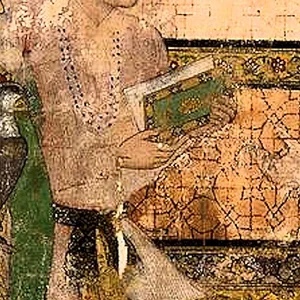
Jalal ud-Din Muhammad Akbar (1542-1605) was the third and greatest Mughal emperor of India. He unified the Indian subcontinent under his rule and championed a policy of religious tolerance remarkable for his time.
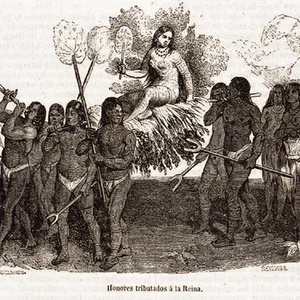
Anacaona
1474 — 1503
Taíno queen and poet of Hispaniola (c. 1474–1503), Anacaona was renowned for her areítos — ceremonial songs and poems passed down through oral tradition. A fierce resister of Spanish colonization, she was captured and executed by Nicolás de Ovando.
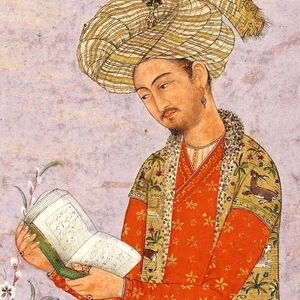
Babur
1483 — 1530
Founder of the Mughal Empire, Babur was a Timurid prince who, after losing Samarkand, conquered India in 1526 at the Battle of Panipat. A refined poet and memoirist, he left behind the Baburnama, one of the earliest autobiographies in Islamic literature.
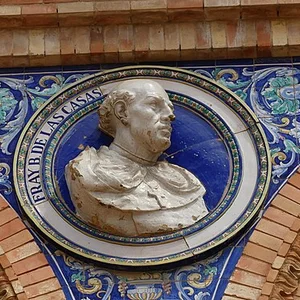
Bartolomé de las Casas
1484 — 1566
Spanish Dominican friar (1474–1566) who devoted his life to defending the rights of Indigenous peoples against the abuses of the conquistadors. He denounced the atrocities committed during the Spanish colonization of the Americas and argued for the humanity of Native peoples before the Spanish Crown.
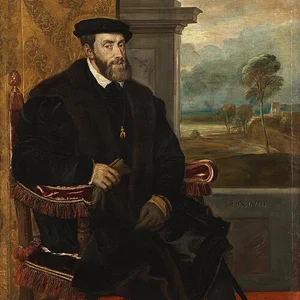
Charles V
1500 — 1558
Born in 1500 in Ghent, Charles V inherited a vast empire spanning Spain, the Netherlands, Austria, and much of Italy. King of Spain as Charles I, then elected Holy Roman Emperor in 1519, he ruled the largest European empire of the Renaissance. He abdicated in 1556 and retired to the monastery of Yuste, where he died in 1558.
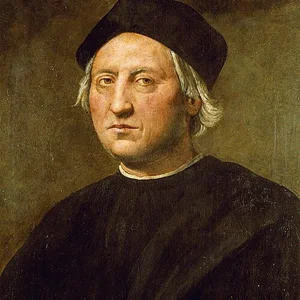
Christopher Columbus
1451 — 1506
Italian navigator and explorer (1451–1506) who in 1492 completed a transatlantic voyage funded by the Catholic Monarchs of Spain. Although he was seeking a route to Asia, his expedition led to the European discovery of the American continent and marked the beginning of the colonization of the Americas.
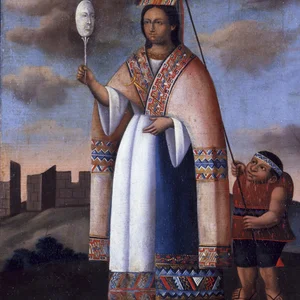
Coya Pacsa
Coya Pacsa was an Inca queen (coya), wife of the Inca Huayna Cápac, who ruled the Tawantinsuyu at the end of the 15th and beginning of the 16th century. A figure of the highest Inca nobility, she embodies the power and political role of the great royal wives in Inca civilization on the eve of the Spanish conquest. Information about her comes primarily from Quechua oral tradition and Spanish colonial chronicles.
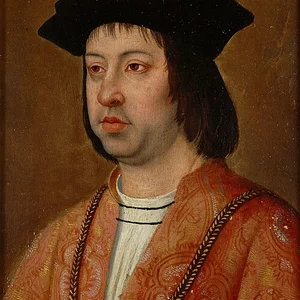
Ferdinand II of Aragon
1452 — 1516
King of Aragon, Ferdinand II married Isabella of Castile in 1469, uniting the two great Iberian crowns. Together, the “Catholic Monarchs” completed the Reconquista in 1492, financed Christopher Columbus's voyage, and laid the foundations of modern Spain.
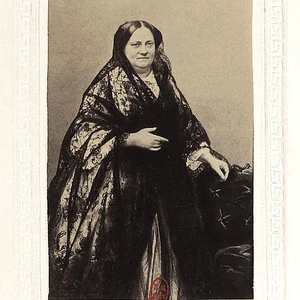
Ferdinand II of Spain
King of Aragon and, through his marriage to Isabella of Castile, co-ruler of a unified Spain. He completed the Reconquista in 1492 and funded Christopher Columbus's voyages, laying the foundations of the Spanish colonial empire.
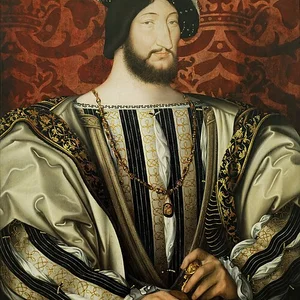
Francis I
1494 — 1547
Francis I (1494–1547) was one of the greatest kings of France and an iconic figure of the Renaissance. A great patron of the arts, he brought Leonardo da Vinci to France and transformed the royal court into a vibrant center of art and intellectual life. His reign was shaped by the Italian Wars and his rivalry with Charles V.
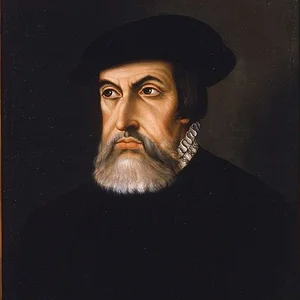
Hernán Cortés
1485 — 1547
Spanish conquistador (1485–1547) who conquered the Aztec Empire in the early 16th century. Setting out from Cuba in 1519, he led an expedition that culminated in the fall of Tenochtitlan in 1521, marking the beginning of Spanish dominance in Mesoamerica.

Humabon
1500 — ?
Humabon was the raja of Cebu in the Philippines in the early 16th century. He welcomed Magellan's expedition in 1521 and converted to Christianity along with many of the island's inhabitants. He played a central role in the first contacts between the Philippine world and European explorers.
Isabella I of Castile
1451 — 1504
Isabella I of Castile (1451-1504) unified Spain by marrying Ferdinand II of Aragon, forming the Catholic Monarchs. She financed Christopher Columbus's voyage in 1492, opening the era of conquest in the Americas. Her reign was marked by the establishment of the Spanish Inquisition and the expulsion of the Jews from Spain.
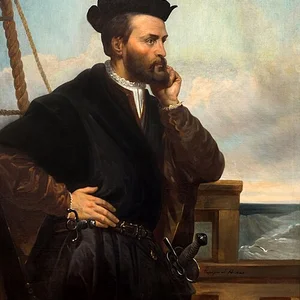
Jacques Cartier
1492 — 1557
French explorer and navigator (1492–1557) who undertook three major voyages to North America between 1534 and 1542. He explored the St. Lawrence River and the coasts of Canada, paving the way for French colonization of New France.
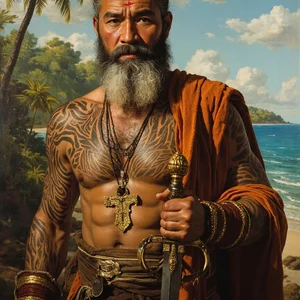
Lapu-Lapu
1491 — 1542
Lapu-Lapu was the datu (chief) of the island of Mactan in the Philippines. He is famous for defeating and killing the explorer Ferdinand Magellan at the Battle of Mactan on April 27, 1521, thus repelling the first Spanish attempt to conquer the Philippines.
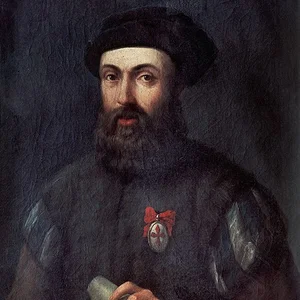
Magellan
1480 — 1521
Portuguese navigator and explorer in the service of Spain (1480–1521). Magellan organized the first expedition to complete the circumnavigation of the globe, proving the true extent of the Earth and the existence of a passage to the Pacific Ocean. He died in the Philippines in 1521, but his voyage revolutionized European geographical knowledge.
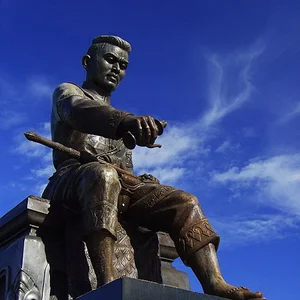
Naresuan
1555 — 1605
Naresuan the Great is the king of Ayutthaya who liberated the Siamese kingdom from Burmese domination at the end of the 16th century. A formidable strategist, he is famous for his elephant-back duel against the Burmese crown prince in 1593, a victory that sealed his people's independence.
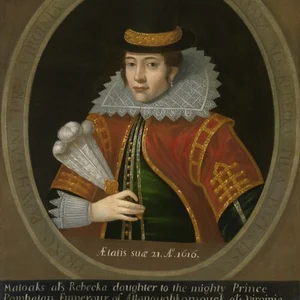
Pocahontas
1596 — 1617
Daughter of Chief Powhatan, leader of the Algonquian confederacy of Virginia, Pocahontas (c. 1596–1617) is a central figure in the encounter between the Powhatan peoples and the English settlers of Jamestown. Her story, passed down through colonial written sources and her people's oral tradition, symbolizes both the dialogue and the tensions between two worlds.
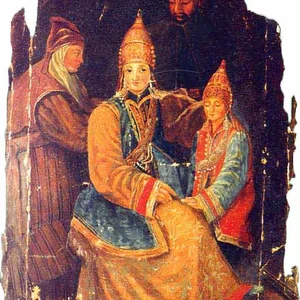
Söyembikä
1516 — 1557
Söyembikä was the last ruling khanum of the Khanate of Kazan in the 16th century. As regent for her infant son, she resisted Russian expansion before being captured by Ivan the Terrible in 1551. A national symbol for the Tatars, she remains a tragic figure of resistance to the Muscovite conquest.
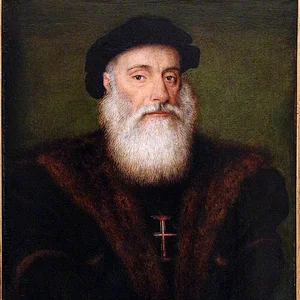
Vasco de Gama
1460 — 1525
Portuguese navigator (1460–1525) who established the first European sea route to India by sailing around Africa. His voyage of 1497–1499 marked a major turning point in the Age of Discovery and opened the way for European commercial expansion into Asia.
Abel Tasman
1603 — 1659
Abel Tasman was a Dutch navigator and explorer in the service of the Dutch East India Company (VOC). In 1642, he became the first European to reach Tasmania and New Zealand, pushing the boundaries of geographical knowledge of his time.
Ahmad Shah Durrani
1722 — 1772
Ahmad Shah Durrani (1722-1772) was the founder of the Durrani Empire and is regarded as the father of the Afghan nation. A former general under Nader Shah of Persia, he unified the Pashtun tribes after Nader Shah's assassination and built an empire stretching from Persia to Northern India.

Akwa Boni
1708 — ?
Ivorian political figure and prominent voice in Côte d'Ivoire's public life. Embodying the meeting point between African cultural traditions and modern political engagement, she represents women's participation in the institutions of postcolonial West Africa.
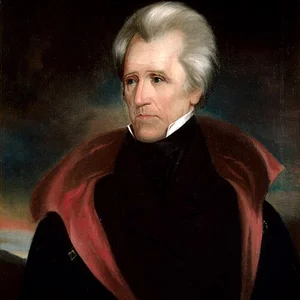
Andrew Jackson
1767 — 1845
An American general and hero of the War of 1812, Andrew Jackson became the 7th President of the United States (1829–1837). A populist figure, he embodied Jacksonian democracy while also being a slaveholder and the architect of the policy to forcibly remove Native Americans from their lands.
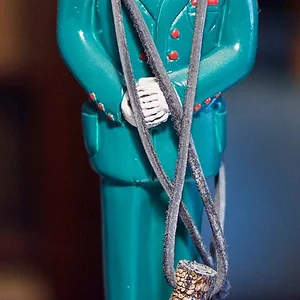
Baron Samedi
Baron Samedi is the loa of death in Haitian Vodou. Depicted in undertaker's attire — top hat and dark glasses — he is the guardian of the passage between the living and the dead. An ambivalent figure, at once protector and obscene trickster, he embodies the boundary between life and death.
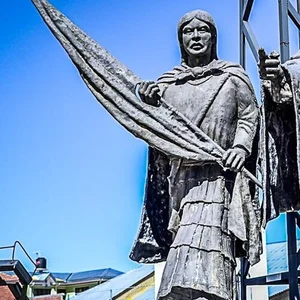
Bartolina Sisa
1750 — 1782
Bartolina Sisa is a heroic figure of the Aymara people and wife of Túpac Katari. Around 1781–1782, she co-led the siege of La Paz against Spanish colonial forces. Captured, she was executed by the Spanish in 1782 and is today revered as a symbol of indigenous resistance in Bolivia.
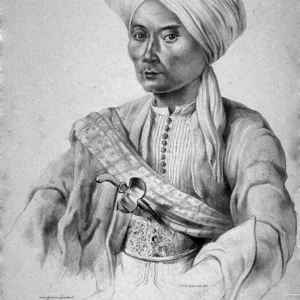
Diponegoro
1785 — 1855
A Javanese prince, Diponegoro led the Java War (1825-1830) against Dutch colonial rule, mobilizing hundreds of thousands of men in the name of Islam and Javanese sovereignty. Betrayed during peace talks, he was captured and exiled to Makassar, where he died in 1855, becoming one of Indonesia's first national heroes.
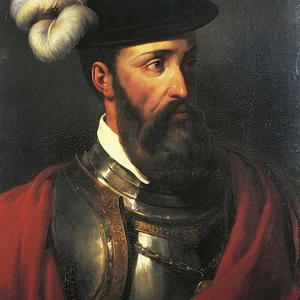
Francisco Pizarro
1478 — 1541
Spanish conquistador (c. 1478–1541), he led the conquest of the Inca Empire in Peru between 1532 and 1533, captured the emperor Atahualpa, and founded Lima in 1535. His expedition transformed the New World and opened South America to Spanish colonization.
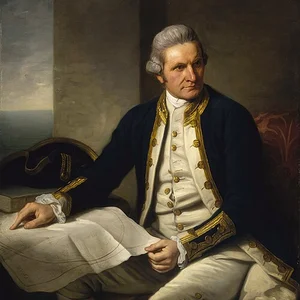
James Cook
1728 — 1779
British navigator, cartographer and explorer (1728–1779), James Cook led three major expeditions into the Pacific Ocean and greatly advanced the world's geographical knowledge. He explored and mapped New Zealand, Australia, and numerous Pacific archipelagos, becoming one of the defining figures of modern exploration.
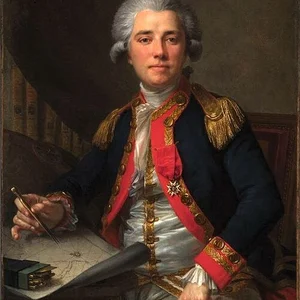
Jean-François de La Pérouse
1741 — 1788
A French naval officer and explorer of the 18th century, La Pérouse led a major expedition across the Pacific Ocean (1785–1788). The voyage produced important cartographic surveys and scientific studies, but the expedition mysteriously disappeared in 1788.
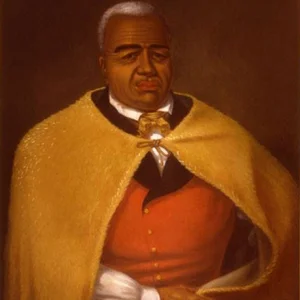
Kamehameha I
1758 — 1819
Kamehameha I unified the Hawaiian Islands under his rule between 1795 and 1810, founding the Kingdom of Hawaii. A formidable strategist, he skillfully integrated European firearms into his military conquests. He established the Law of the Splintered Paddle, protecting civilians in times of war.
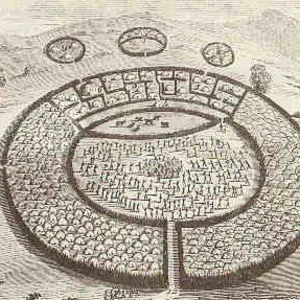
Mkabayi kaJama
1750 — 1843
Zulu princess (c. 1750–1843), influential aunt and advisor to King Shaka, and a major figure in Zulu oral tradition. Born among the Zulu people of southern Africa, she wielded considerable political power within the royal household, particularly during royal successions.
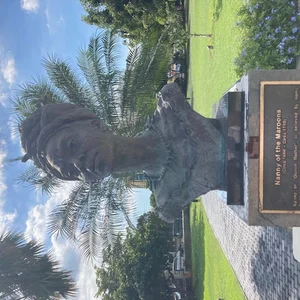
Nanny of the Maroons
A central figure of Maroon resistance in Jamaica during the 18th century, Nanny led the Windward Maroons from their stronghold in the Blue Mountains. A warrior and spiritual leader of Akan origin (present-day Ghana), she led the struggle against British colonial slavery for decades. A Jamaican national heroine, her life is transmitted primarily through Maroon oral tradition.
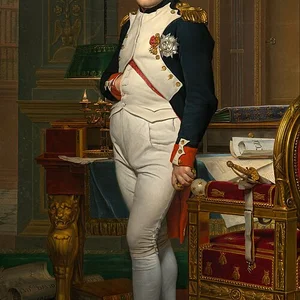
Napoleon Bonaparte
1769 — 1821
Napoleon Bonaparte (1769-1821) was a French military leader and statesman who seized power in 1799 and proclaimed himself Emperor in 1804. He transformed France and Europe through his reforms and military campaigns, most notably by establishing the Civil Code, which modernized the French legal system.
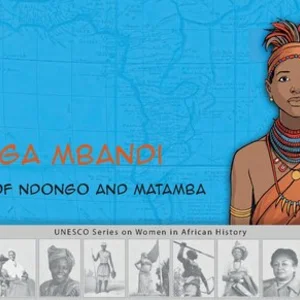
Njinga of Matamba
Warrior queen of Angola (c. 1583–1663), Njinga of Matamba fiercely resisted Portuguese colonization in Central Africa. A skilled diplomat, she negotiated directly with the Portuguese while forging alliances with the Dutch. She ruled the kingdom of Matamba for more than thirty years.
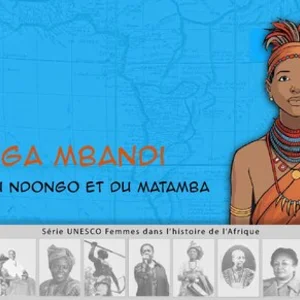
Nzinga Mbandi
Queen of Ndongo and later Matamba (Mbundu people, present-day Angola), Nzinga Mbandi was a formidable political and military strategist who resisted Portuguese expansionism and the Atlantic slave trade throughout the 17th century. An iconic figure of pre-colonial African resistance, she negotiated, waged war, and allied with the Dutch to defend her people's sovereignty.
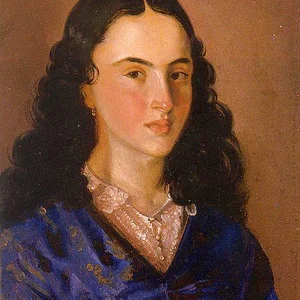
Policarpa Salavarrieta
1795 — 1817
Heroine of Colombian independence (c. 1795–1817), nicknamed "La Pola". A seamstress and patriot spy, she recruited soldiers for the independence cause. Captured by the Spanish, she was executed by firing squad in Bogotá on November 14, 1817.
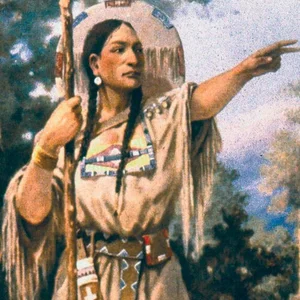
Sacagawea
1786 — 1812
A Shoshone woman (c. 1788–1812), Sacagawea served as the indispensable interpreter and guide for the Lewis and Clark Expedition (1804–1806). Her knowledge of the land, languages, and Indigenous peoples enabled the American expedition to cross the continent all the way to the Pacific.
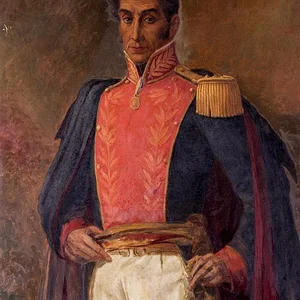
Simón Bolívar
1783 — 1830
Born in Caracas in 1783, Simón Bolívar was the leading architect of South American independence from the Spanish Empire. Known as 'El Libertador,' he liberated several nations and dreamed of a great Latin American federation.
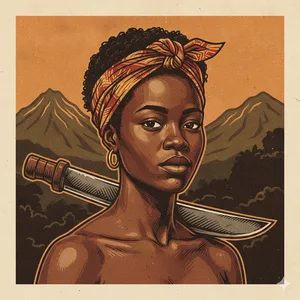
Solitude
1772 — 1802
Born around 1772 in Guadeloupe to an enslaved African mother, Solitude joined the mixed-race insurgents during the armed resistance against the restoration of slavery decreed by Bonaparte in 1802. Pregnant, she fought until her capture and was hanged the day after giving birth, on November 29, 1802. Her story, passed down through Creole and Caribbean oral tradition, has made her an emblematic figure of resistance against colonial oppression.
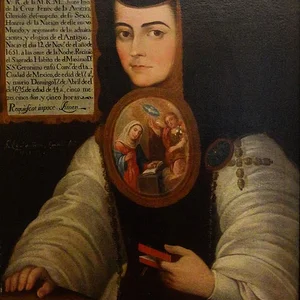
Sor Juana Inés de la Cruz
1651 — 1695
Juana Inés de la Cruz was a Mexican poet and playwright of the 17th century, a towering figure of Hispanic Baroque literature. A self-taught nun in New Spain, she championed women's right to knowledge in a colonial society dominated by men.
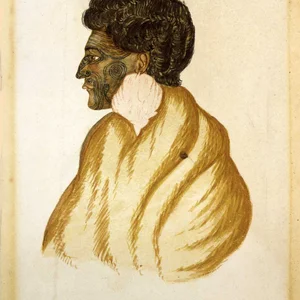
Te Rauparaha
1768 — 1849
Te Rauparaha (c. 1768-1849) was the great warrior chief of the Ngāti Toa, one of the most formidable Māori strategists of his time. He extended his influence over the North Island and Cook Strait, and composed the famous haka Ka Mate. His reign coincided with the arrival of Europeans and British colonization.
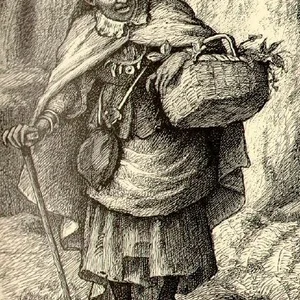
Tituba
1659 — ?
An enslaved woman of Native American or Caribbean origin (probably Arawak), owned by Reverend Samuel Parris in Salem. In 1692, she was the first accused to confess to witchcraft, triggering the spiral of the Salem witch trials.
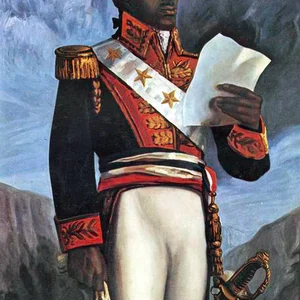
Toussaint Louverture
1743 — 1803
A freed slave and Haitian military leader (1743–1803), Toussaint Louverture led the Haitian Revolution and abolished slavery in Saint-Domingue. An iconic figure in the fight for freedom, he transformed a slave colony into the first independent Black republic.
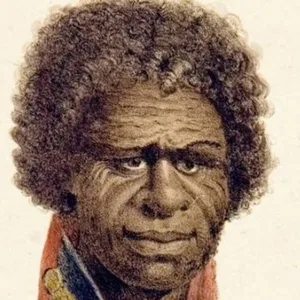
Tupaia
1725 — 1770
Tupaia was a Polynesian navigator, priest, and artist from Ra'iatea. A master of traditional navigation, he joined James Cook's expedition in 1769 and drew up a remarkable chart of more than 130 Pacific islands, a unique testament to Polynesian geographic knowledge.
Abai Kunanbaev
1845 — 1904
Abai Kunanbaev is the founding father of written Kazakh literature. A poet, philosopher, and composer, he raised the Kazakh language to the status of a literary language and translated Pushkin, Lermontov, and Goethe. His major work, the Book of Words, remains the definitive philosophical text of Kazakh culture.
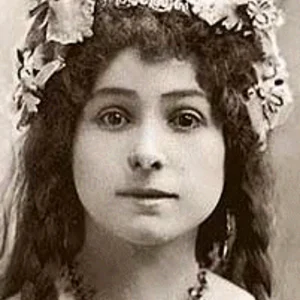
Alexandra David-Néel
1868 — 1969
French explorer and writer (1868-1969), Alexandra David-Néel was the first Western woman to reach Lhasa, the capital of Tibet, in 1924. A passionate Orientalist, she devoted her life to exploring and studying Asian cultures, particularly Tibetan Buddhism.
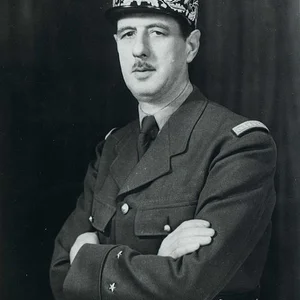
Charles de Gaulle
1890 — 1970
French military officer and statesman (1890–1970), leader of the French Resistance during World War II and founder of the Fifth Republic. A defining figure of the 20th century, he shaped French history through his unwavering commitment to national independence and the greatness of France.
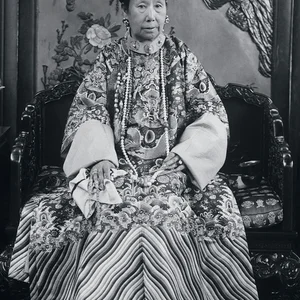
Cixi
1835 — 1908
Cixi, Empress Dowager of China, dominated the politics of the Qing dynasty for nearly fifty years. A shrewd and authoritarian regent, she governed an empire facing Western colonial pressures and internal rebellions, leaving an ambivalent legacy on China's modernization.
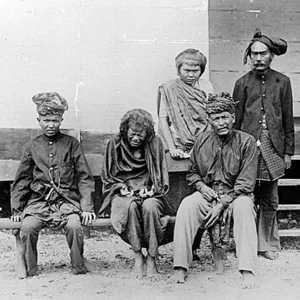
Cut Nyak Dhien
1848 — 1908
An Indonesian national heroine, Cut Nyak Dhien led armed resistance against Dutch occupation in the Aceh region (Sumatra) following the death of her husband. A symbol of Indonesian nationalism, she fought until her capture in 1905 despite serious illness.
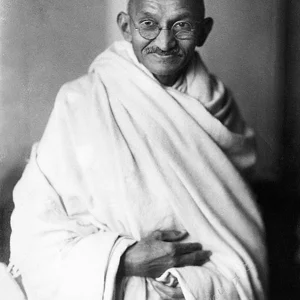
Gandhi
1869 — 1948
Indian political and spiritual leader (1869–1948), Gandhi led the movement for India's independence from British rule by advocating non-violence and civil disobedience. He became an iconic figure in the struggle for civil rights and the emancipation of colonized peoples.
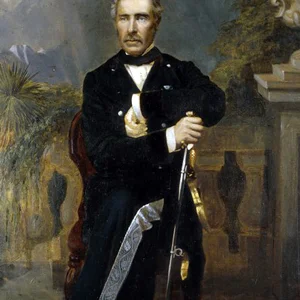
George Grey
1812 — 1898
British colonial governor and ethnologist, George Grey successively administered South Australia, New Zealand, and the Cape Colony. Passionate about indigenous cultures, he devoted part of his life to collecting and publishing Māori myths and language.
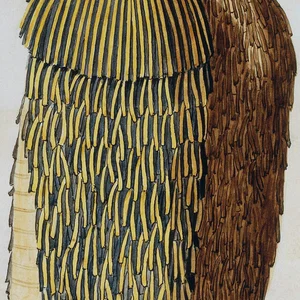
Hone Heke
1807 — 1850
Māori chief of the Ngāpuhi tribe, Hone Heke was the first signatory of the Treaty of Waitangi in 1840, before turning against British colonization. A symbol of indigenous resistance, he cut down the British flagpole at Kororāreka four times, sparking the Flagstaff War (1845–1846).
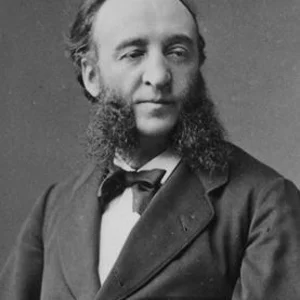
Jules Ferry
1832 — 1893
French statesman (1832–1893) who transformed French education as Minister of Public Instruction. He is responsible for the landmark education laws making primary school free, secular, and compulsory, laying the foundations of the modern French public school system.
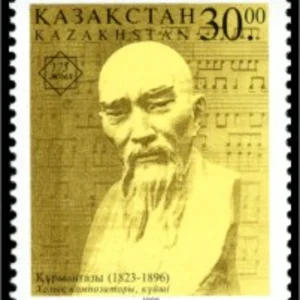
Kourmangazy
1823 — 1896
Kourmangazy Sagyrbayuly (1823-1896) is the greatest composer and dombra player in Kazakh history. Nicknamed the “father of classical Kazakh music,” he created küis (instrumental pieces) of exceptional poetic depth. His art became a symbol of cultural resistance against Russian imperial expansion in the steppes.
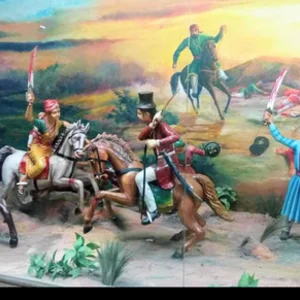
Lakshmi Bai
1828 — 1858
Queen of Jhansi (central India), she became one of the most iconic figures of the Indian Rebellion of 1857–1858 against British rule. Refusing the annexation of her kingdom by the East India Company, she personally led the fighting and died on the battlefield at age 29.
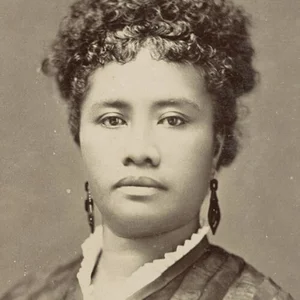
Liliuokalani
1838 — 1917
Liliuokalani was the last queen of the Kingdom of Hawaii, overthrown in 1893 by a coup supported by American settlers. A composer and stateswoman, she fought peacefully for Hawaiian sovereignty and remains a symbol of resistance to American imperialism.
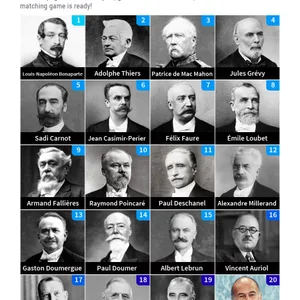
list of Presidents of the French Republic
Since 1848, France has had 25 presidents. The role, largely ceremonial under the Third and Fourth Republics, became central under the Fifth Republic established by de Gaulle in 1958.
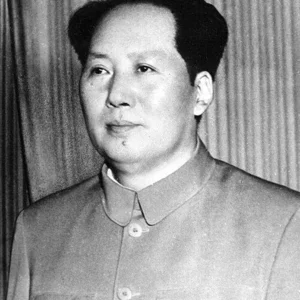
Mao Zedong
1893 — 1976
Chinese statesman (1893-1976) and founder of the People's Republic of China. Leader of the Chinese Communist Party, he established a communist regime and launched the Great Proletarian Cultural Revolution. A major figure of the 20th century, his political legacy remains complex and controversial.
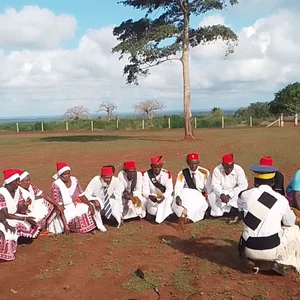
Mekatilili wa Menza
1840 — 1925
A Giriama woman from Kenya, Mekatilili wa Menza led the resistance against British colonial rule during the 1913–1914 revolt. Arrested and deported, she escaped and continued fighting for her people's freedom.
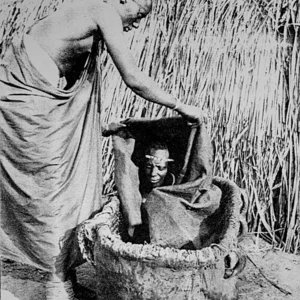
Muhumusa
A Rwandan medium of the Kinyarwanda people, Muhumusa embodied the Nyabingi spirit and led an anti-colonial resistance against European powers in the early 20th century. She is considered a major spiritual and political figure of the African Great Lakes region.
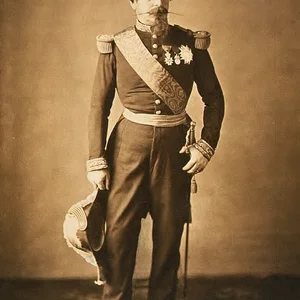
Napoleon III
1808 — 1873
Nephew of Napoleon I, he was elected President of the Republic in 1848, then seized power through a coup d'état on December 2, 1851, before proclaiming the Second Empire. His reign profoundly transformed France: the modernization of Paris under Haussmann, industrial and railway expansion — until the defeat at Sedan in 1870.
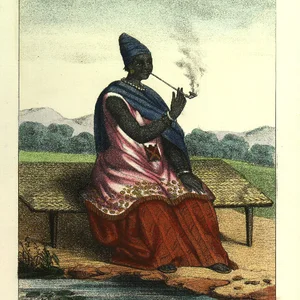
Ndate Yalla Mbodj
The last queen (linguère) of the Waalo, a Wolof kingdom in Senegal, Ndate Yalla Mbodj fiercely resisted French expansion in the 1840s–1850s. An iconic figure of African pre-colonial resistance, she is celebrated in Wolof and Toucouleur oral traditions.
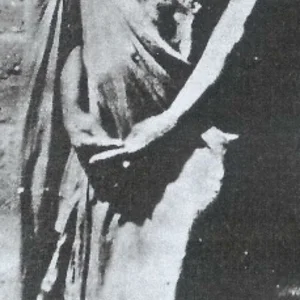
Nehanda Nyakasikana
Nehanda Nyakasikana (c. 1840–1898) was a mhondoro — a spirit medium of the Shona people of present-day Zimbabwe — venerated as the embodiment of the ancestral spirit Nehanda. A central figure of the First Chimurenga, she organized armed resistance against the British colonization of Southern Rhodesia before being captured and hanged by the colonial authorities.
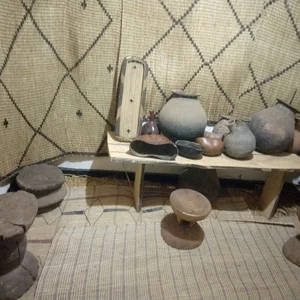
Nyabingi
Queen of Ndorwa (a region straddling present-day Rwanda and Uganda), Nyabingi is, according to the oral traditions of the Kiga and Tutsi peoples, a ruler whose spirit became after her death a powerful symbol of resistance. Her name gave rise to the Nyabingi movement, which opposed European colonization into the 20th century.
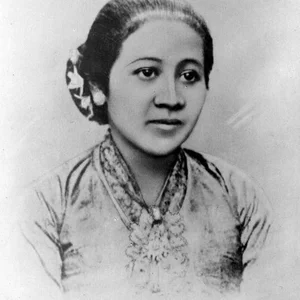
Raden Ajeng Kartini
1879 — 1904
Raden Ajeng Kartini is a Javanese aristocrat from the Dutch East Indies who became a pioneer of women's emancipation in Southeast Asia. Through her letters to Dutch correspondents, she denounced the condition of women in colonial society and advocated for their access to education. Dying at age 25, she remains a national symbol in Indonesia.
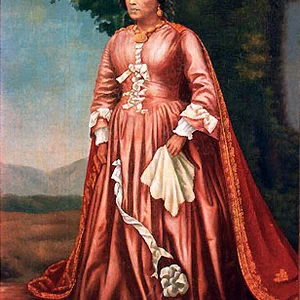
Ranavalona I
1788 — 1861
Queen of Madagascar from 1828 to 1861, Ranavalona I belonged to the Merina people of the Malagasy Highlands. She firmly resisted European encroachment — both British and French — by expelling missionaries and banning Christianity. Her sovereigntist policies preserved the kingdom's independence for more than thirty years.
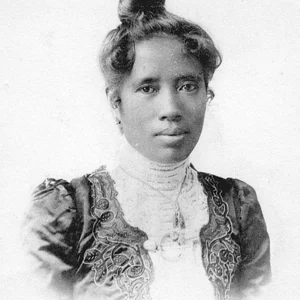
Ranavalona III
1861 — 1917
The last queen of Madagascar, Ranavalona III ruled the Merina Kingdom from 1883 to 1897. Despite her diplomatic resistance, she was unable to prevent French colonization. Deposed and exiled, she died in Algiers in 1917, a symbol of lost Malagasy sovereignty.
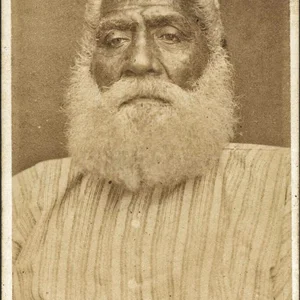
Ratu Seru Cakobau
1815 — 1883
Supreme chief of the Fiji Islands, Cakobau united the islands under his authority after decades of tribal wars. Converted to Christianity in 1854, he ceded Fiji to Great Britain in 1874, thus becoming the last independent ruler of the archipelago.
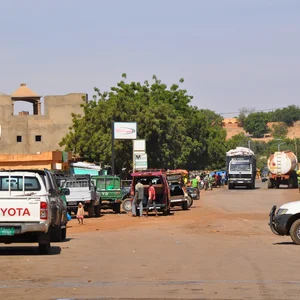
Sarraounia
Queen and spiritual leader of the Azna (animist Hausa people of Niger), Sarraounia successfully resisted the French military mission of Voulet-Chanoine in April 1899. A symbol of anti-colonial resistance, she was immortalized by Abdoulaye Mamani's novel (1980) and Med Hondo's film (1986).
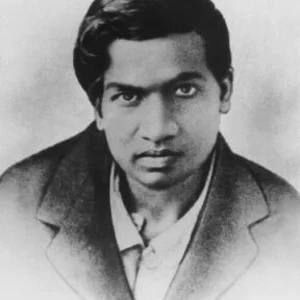
Srinivasa Ramanujan
1887 — 1920
A self-taught Indian mathematician (1887–1920), Ramanujan discovered thousands of remarkable mathematical formulas with no formal university training. Recognized by mathematician G.H. Hardy, he made major contributions to number theory and modular functions before dying prematurely at the age of 32.
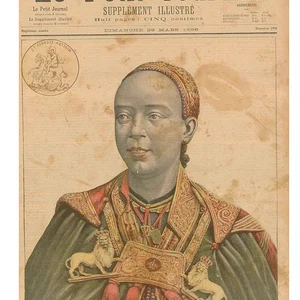
Taytu Betul
1851 — 1918
Empress of Ethiopia and wife of Menelik II, Taytu Betul was a major political and military figure of the late 19th century. Born into the Amhara tradition, she played a decisive strategic role in the Battle of Adwa in 1896, which repelled Italian colonization.
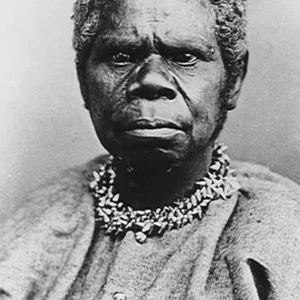
Truganini
1812 — 1876
Truganini (c. 1812–1876) was an Aboriginal woman from Tasmania who witnessed the near-extermination of her people during the Black War. She was deported to Flinders Island along with the last surviving Tasmanian Aboriginals. Long referred to as 'the last Tasmanian', she became a global symbol of colonial genocide.
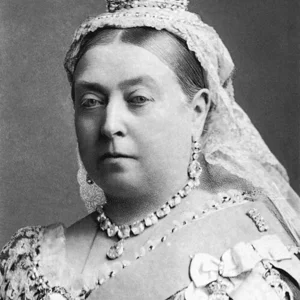
Victoria
1819 — 1901
Victoria ascended to the British throne at 18 in 1837 and reigned for 63 years, becoming one of the most influential monarchs in history. Her reign coincided with the height of the British Empire and the Industrial Revolution. She gave her name to an entire era: the Victorian age.

Yaa Akyaa
1840 — ?
Yaa Akyaa was queen mother of the Ashanti Kingdom in the nineteenth century, holding considerable political and symbolic power within the Akan matrilineal tradition. Her role was to advise the king (Asantehene) and to embody dynastic legitimacy.
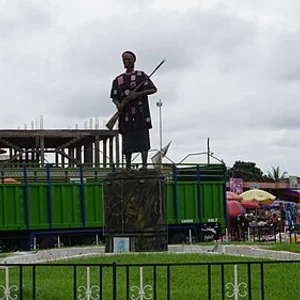
Yaa Asantewaa
1832 — 1921
Queen Mother of Ejisu in the Ashanti Empire, Yaa Asantewaa is the emblematic figure of African resistance to British colonization. In 1900, she led the War of the Golden Stool against the British, who demanded the surrender of the Ashanti's sacred seat of power. Captured, she was exiled to the Seychelles, where she died in 1921.
Abdellatif Laâbi
1942 — ?
Moroccan poet, novelist and translator born in 1942 in Fez. Founder of the journal Souffles and a major figure of French-language Moroccan literature, he was imprisoned for his ideas before receiving the Prix Goncourt for poetry in 2009.
Ahmed Ben Bella
1916 — 2012
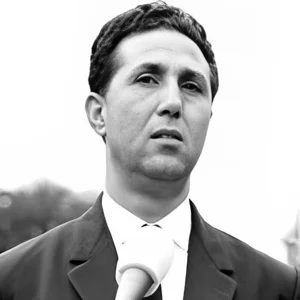
Ahmed Ben Bella (1916-2012) was an Algerian statesman and a leading figure in the struggle for Algerian independence. A co-founder of the FLN, in 1963 he became the first president of the Algerian Republic, before being overthrown by a coup d'état in 1965.
Aimé Césaire
1913 — 2008
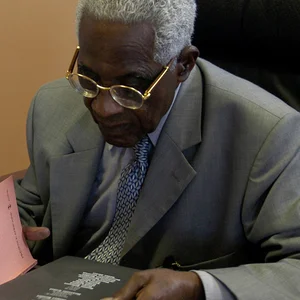
Martinican writer, poet and politician (1913-2008), founder of the Négritude movement. He served as mayor of Fort-de-France and deputy of Martinique, combining literary commitment with political action to defend the rights of colonized peoples.
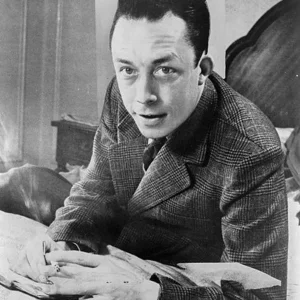
Albert Camus
1913 — 1960
French writer, philosopher, and journalist (1913–1960), Albert Camus is one of the major figures of 20th-century literature. Author of The Stranger and The Plague, he developed a philosophy of the absurd and received the Nobel Prize in Literature in 1957.
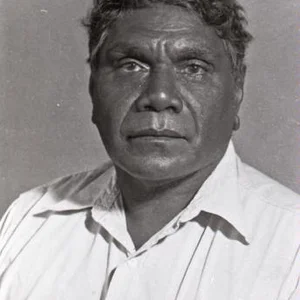
Albert Namatjira
1902 — 1959
Albert Namatjira (1902-1959) was an Arrernte Aboriginal painter, famous for his watercolors of the arid landscapes of Central Australia. The first Indigenous Australian to receive citizenship in 1957, he remains a symbol of cultural resilience and creativity in the face of colonial oppression.
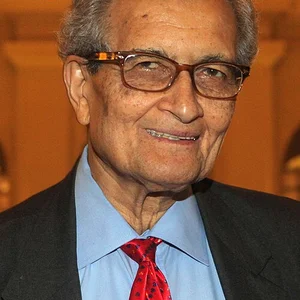
Amartya Sen
1933 — ?
Amartya Sen is an Indian economist and philosopher born in 1933. Winner of the Nobel Prize in Economics in 1998, he reshaped the analysis of well-being, poverty and famines, and founded the “capability” approach.
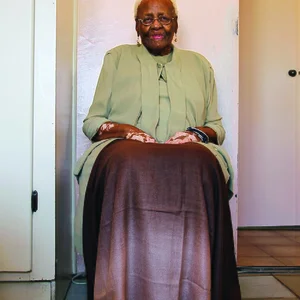
Amina Cachalia
1930 — 2013
A South African anti-apartheid activist of Indian descent, Amina Cachalia devoted her life to fighting racial segregation in South Africa. A close ally of Nelson Mandela and the ANC, she was a leading figure in the Federation of South African Women.
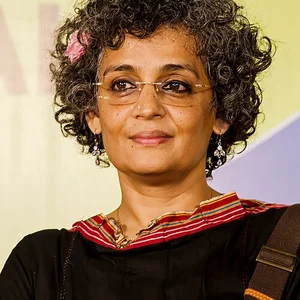
Arundhati Roy
1961 — ?
Arundhati Roy is an Indian novelist, essayist, and activist born in 1961. Her novel The God of Small Things (1997) won the Booker Prize. She is a vocal advocate against nuclear weapons, dam construction, and social inequality in India.
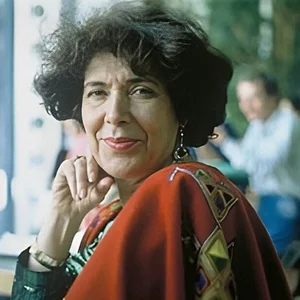
Assia Djebar
1936 — 2015
Assia Djebar, whose real name was Fatima-Zohra Imalayen, was an Algerian novelist and filmmaker who wrote in French. A pioneer of North African women's literature, she gave voice to Algerian women through a body of work blending memory, History, and feminism. In 2005, she became the first North African woman elected to the Académie française.
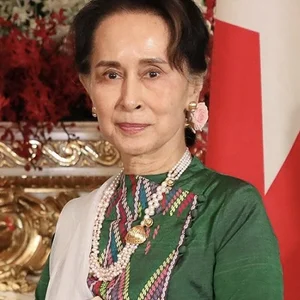
Aung San Suu Kyi
1945 — ?
Burmese democracy activist, Aung San Suu Kyi devoted her life to peaceful resistance against the military junta in Myanmar. Winner of the Nobel Peace Prize in 1991, she spent 15 years under house arrest before leading her country from 2016 to 2021.
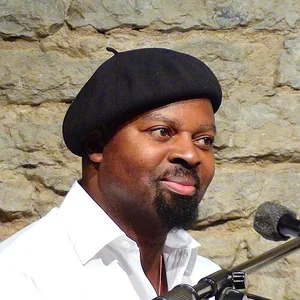
Ben Okri
1959 — ?
Ben Okri is a Nigerian writer and poet born in 1959. A major figure in contemporary African literature, he is known worldwide for his novel *The Famished Road*, which won him the Booker Prize in 1991.
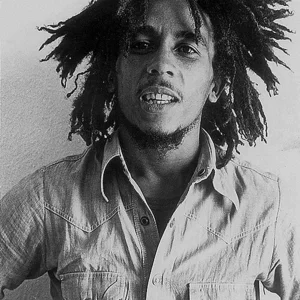
Bob Marley
1945 — 1981
Bob Marley was a Jamaican singer, guitarist, and songwriter, and a major figure of reggae. As a spokesman for the Rastafari movement, he brought Jamaican music to audiences around the world and embodied a message of peace and resistance.
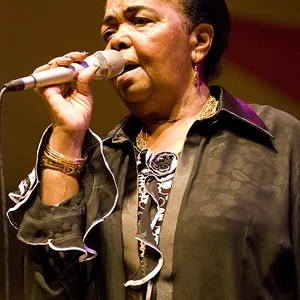
Cesária Évora
1941 — 2011
Nicknamed the “Barefoot Diva,” Cesária Évora is the iconic voice of morna, Cape Verde's melancholic musical genre. Discovered late on the international stage in the 1990s, she brought Cape Verdean Lusophone culture to every corner of the world.
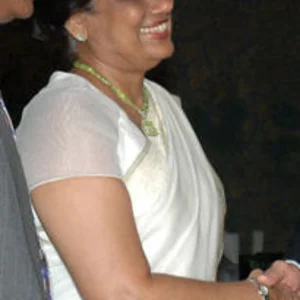
Chandrika Kumaratunga
1945 — ?
A Sri Lankan politician, she was the first woman president of Sri Lanka (1994-2005). The daughter of two Prime Ministers, she sought to end the civil war between the state and the Tamil Tigers.
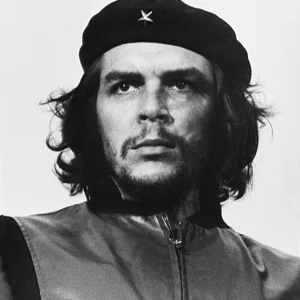
Che Guevara
1928 — 1967
Argentine Marxist revolutionary (1928–1967) and iconic figure of 20th-century guerrilla warfare. A key player in the Cuban Revolution alongside Fidel Castro, he went on to lead revolutionary movements in Africa and Latin America before his death in Bolivia.
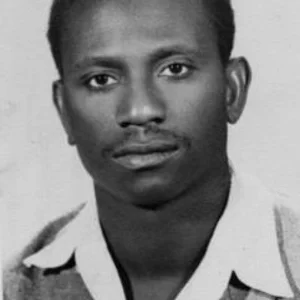
Cheikh Anta Diop
1923 — 1986
Senegalese historian, anthropologist, and physicist (1923-1986). He championed the precedence of Black African civilizations and the African origin of ancient Egypt, leaving a lasting mark on historiography and Pan-Africanism.
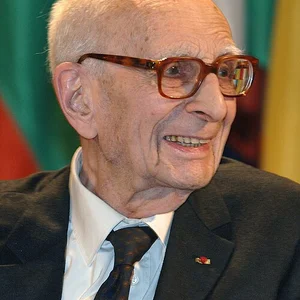
Claude Lévi-Strauss
1908 — 2009
French anthropologist and ethnologist (1908-2009), founder of structural anthropology. He revolutionized the study of human societies by applying structuralist methods to myths, kinship systems, and cultural practices. His major work, Tristes Tropiques, combines ethnographic narrative with philosophical reflection.
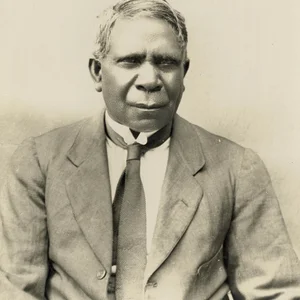
David Unaipon
1872 — 1967
David Unaipon, son of a Ngarrindjeri preacher, was the first Indigenous Australian to publish a literary work and to file invention patents. Nicknamed the 'Australian Leonardo da Vinci', he notably designed a mechanical shearing handpiece and worked on flight prototypes inspired by the boomerang. His portrait has appeared on the Australian $50 note since 1995.

Djibril Tamsir Niane
1932 — 2021
Senegalese-Guinean writer and historian (1932–2021), Djibril Tamsir Niane is celebrated for collecting and transcribing the epic of Sundiata Keita. His major work, Sundiata: An Epic of Old Mali (1960), helped bring recognition to African oral traditions.

Eddie Mabo
1936 — 1992
Eddie Mabo, an Australian of Melanesian origin (Murray Island), is the hero of the legal battle that overturned the doctrine of "terra nullius" in 1992. His posthumous victory before the High Court of Australia recognized the ancestral land rights of Indigenous peoples, revolutionizing Australian law.
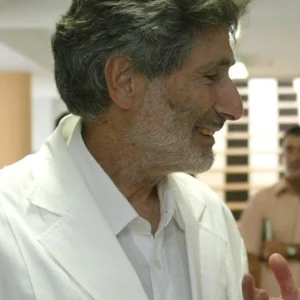
Edward Said
1935 — 2003
Edward Said (1935-2003) was a Palestinian-American academic, literary theorist, and critic. A professor at Columbia University, he was one of the founders of postcolonial studies with his major work *Orientalism* (1978). He was also an influential spokesman for the Palestinian cause.
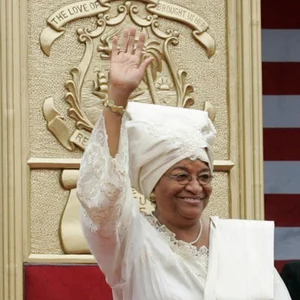
Ellen Johnson Sirleaf
1938 — ?
Ellen Johnson Sirleaf became in 2006 the first woman elected president of an African state, leading Liberia after a long civil war. A trained economist, she worked to rebuild the country and foster national reconciliation, receiving the Nobel Peace Prize in 2011.
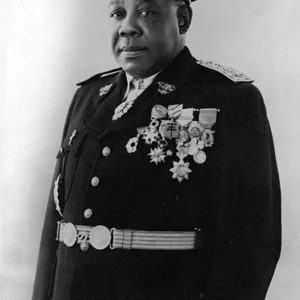
Félix Éboué
1884 — 1944
Guyanese colonial administrator (1884–1944), Félix Éboué was the first governor to rally French Equatorial Africa to Free France in 1940. Appointed Governor-General of the FEA by de Gaulle, he died in Cairo in 1944 and was interred in the Panthéon in 1949.
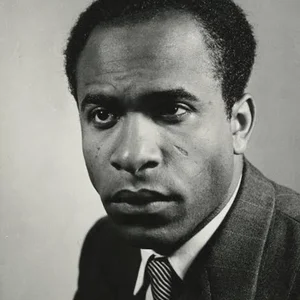
Frantz Fanon
1925 — 1961
Frantz Fanon (1925-1961) was a psychiatrist and essayist born in Martinique. A major thinker of anti-colonialism, he analyzed the psychological mechanisms of colonial oppression and supported the Algerian liberation struggle.
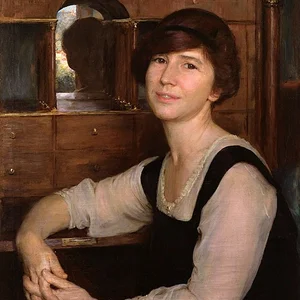
Freya Stark
1893 — 1993
Freya Stark was a British explorer and writer who travelled through the most remote regions of the Middle East in the twentieth century. The first Western woman to reach certain valleys of Arabia and Iran, she published numerous travel narratives combining scholarship and adventure. Her work helped introduce the Arab world to European readers.
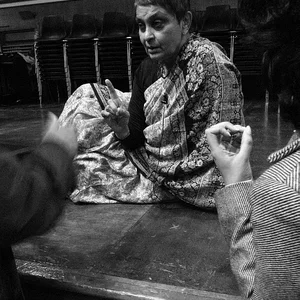
Gayatri Spivak
1942 —
Gayatri Chakravorty Spivak is an Indian philosopher and literary critic, a founding figure in postcolonial studies. Known for her essay "Can the Subaltern Speak?" (1988), she questions whether the dominated can make themselves heard within Western discourses. She is also the English translator of Derrida's *Of Grammatology*.
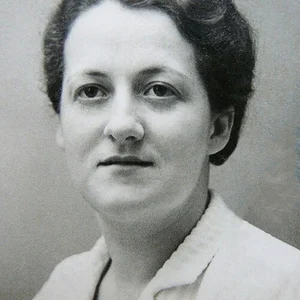
Germaine Tillion
1907 — 2008
A French ethnologist specializing in the Berber societies of Algeria, Germaine Tillion joined the Resistance in 1940 before being deported to Ravensbrück. A survivor and tireless witness, she dedicated her entire life to human rights and understanding between peoples.
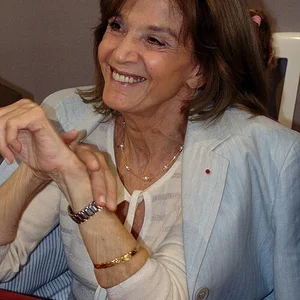
Gisèle Halimi
1927 — 2020
A Franco-Tunisian lawyer and feminist activist, Gisèle Halimi championed the rights of women and colonized peoples throughout the twentieth century. She is best known for the Bobigny trial (1972) and her fight to decriminalize abortion in France.
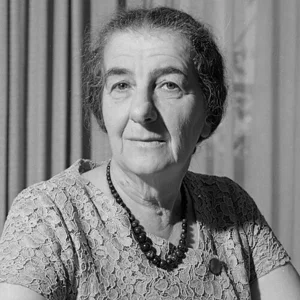
Golda Meir
1898 — 1978
Golda Meir, born in Ukraine and emigrated to Mandatory Palestine, is one of the founders of the State of Israel. The first woman Prime Minister of Israel (1969–1974), she embodies the building of the young state and faced the Yom Kippur War in 1973.
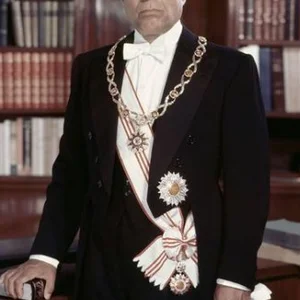
Habib Bourguiba
1903 — 2000
Tunisian statesman and founder of modern Tunisia. The architect of Tunisia's independence in 1956, he became the first president of the Tunisian Republic in 1957 and led the country until his removal from office in 1987.

Henry Odera Oruka
1944 — 1995
Henry Odera Oruka (1944-1995) was a Kenyan philosopher and a major figure in contemporary African philosophy. He is known for his project of “sage philosophy” (the philosophy of wisdom), which gathers and analyzes the thought of traditional African sages.
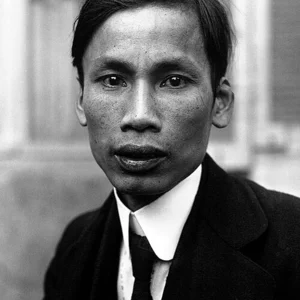
Ho Chi Minh
Vietnamese revolutionary and statesman, founder of the Indochinese Communist Party and later of the Democratic Republic of Vietnam. A leading figure in the anti-colonial struggle against France and then the United States, he embodies the independence and reunification of Vietnam.
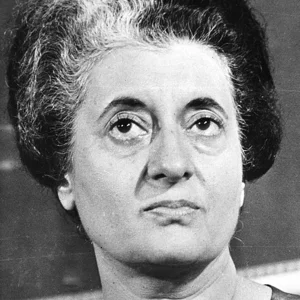
Indira Gandhi
1917 — 1984
Indira Gandhi (1917-1984) was the first female Prime Minister of India, serving from 1966 to 1977 and again from 1980 to 1984. The daughter of Jawaharlal Nehru, she left a lasting mark on history through her nationalization policies, her leadership during the 1971 war, and her authoritarian rule during the state of emergency. She was assassinated by her own bodyguards in 1984.
J.W.T. Allen
British colonial administrator and Swahili scholar, J.W.T. Allen devoted his career to the study and translation of classical Swahili literature in East Africa. He is best known for his work on Swahili epic poetry (tendi), contributing to the preservation and wider dissemination of this literary tradition.
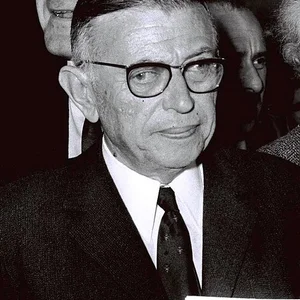
Jean-Paul Sartre
1905 — 1980
French philosopher, writer, and playwright (1905–1980), founder of existentialism. He explored human freedom, responsibility, and commitment through his major philosophical and literary works.
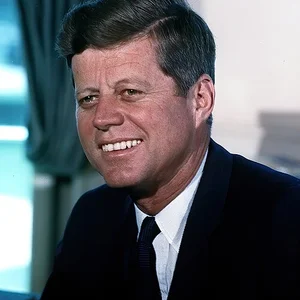
John F. Kennedy
1917 — 1963
President of the United States from 1961 to 1963, John F. Kennedy embodies the political modernity of the 20th century. His term was marked by critical moments of the Cold War, notably the Cuban Missile Crisis, and by his commitment to civil rights before his assassination in Dallas.
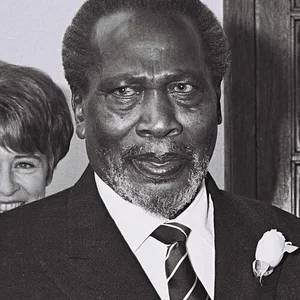
Jomo Kenyatta
1893 — 1978
Kenyan statesman, a leading figure of Pan-Africanism and the anti-colonial struggle, he became the first Prime Minister and then the first President of independent Kenya. He led the country from independence in 1963 until his death in 1978.
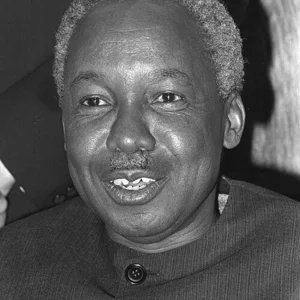
Julius Nyerere
1922 — 1999
Tanzanian statesman, the first president of Tanzania from 1964 to 1985. A major figure of Pan-Africanism and decolonization, he sought to build an African socialism founded on village solidarity (ujamaa).

Kamala Sohonie
1911 — 1998
Kamala Sohonie was an Indian biochemist, the first Indian woman to earn a doctorate in science. She broke down gender barriers in scientific research and studied the nutritional value of local foods.
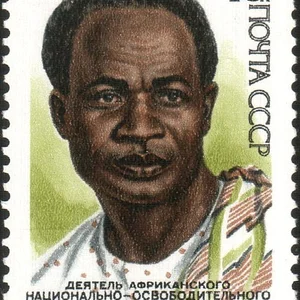
Kwame Nkrumah
1909 — 1972
A Ghanaian statesman, Kwame Nkrumah led the Gold Coast to independence and became the first president of Ghana in 1957. A leading figure of Pan-Africanism, he championed the unity of the African continent before being overthrown by a coup d'état in 1966.
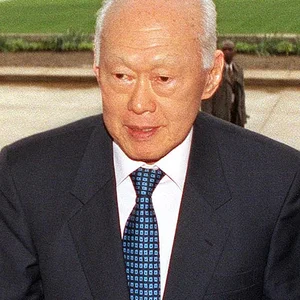
Lee Kuan Yew
1923 — 2015
Singaporean statesman, Prime Minister of Singapore from 1959 to 1990. The founder of modern Singapore, he transformed a small, poor city-state into one of the most prosperous economies in Asia.
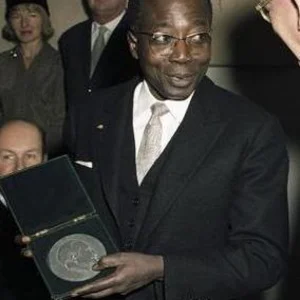
Léopold Sédar Senghor
1906 — 2001
Senegalese poet, writer, and statesman (1906–2001), Senghor was the first president of independent Senegal. A leading theorist of the Négritude movement, he championed a humanist vision of African culture and left a lasting mark on twentieth-century Francophone literature.
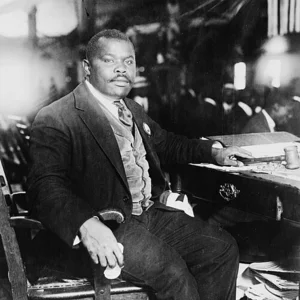
Marcus Garvey
1887 — 1940
Marcus Garvey (1887-1940) was a Jamaican activist and founder of the Universal Negro Improvement Association (UNIA). A theorist of Pan-Africanism and the “Back to Africa” movement, he was one of the most influential promoters of Black pride and Black nationalism in the early 20th century.
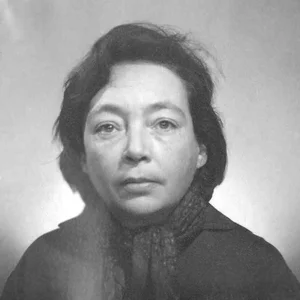
Marguerite Duras
1914 — 1996
French writer, playwright, screenwriter, and filmmaker (1914–1996), Marguerite Duras is a major figure in contemporary literature. Author of The Lover, she revolutionized the novel form by exploring psychological introspection and the formal ruptures of the Nouveau Roman.
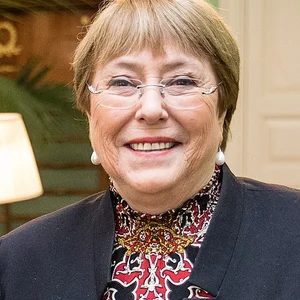
Michelle Bachelet
1951 — ?
Michelle Bachelet, born in 1951 in Chile, is a physician and politician who became the first female president of Chile (2006–2010, then 2014–2018). A human rights activist, she also led UN Women and the UN High Commissioner for Human Rights.
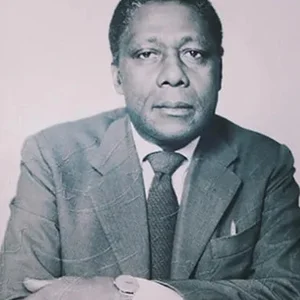
Mongo Beti
1932 — 2001
Mongo Beti (1932-2001) was a Cameroonian writer and teacher, a major figure of anticolonial French-language African literature. A committed novelist and essayist, he denounced colonialism and then the excesses of postcolonial regimes.
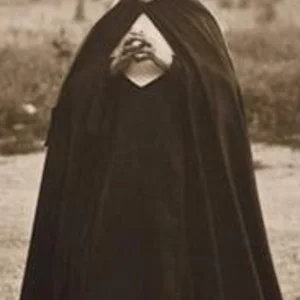
Mother Teresa
1910 — 1997
Born in 1910 in Ottoman Macedonia, Mother Teresa founded the Missionaries of Charity in Calcutta in 1950 to help the poorest of the poor. A global icon of compassion, she received the Nobel Peace Prize in 1979 and was canonized in 2016.
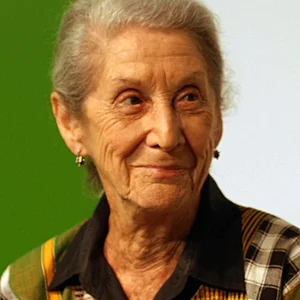
Nadine Gordimer
1923 — 2014
Nadine Gordimer (1923–2014) was a South African novelist whose work powerfully denounced the apartheid regime. Winner of the Nobel Prize in Literature in 1991, she devoted her entire life to defending human rights and freedom of expression in South Africa.
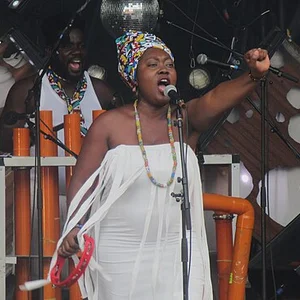
Nana Benz
Collective nickname for the prominent Togolese businesswomen who dominated the wax fabric market in Lomé from the 1960s onward. Iconic figures of female entrepreneurship in West Africa, they earned their nickname from the Mercedes-Benz cars they could afford thanks to their commercial fortunes.
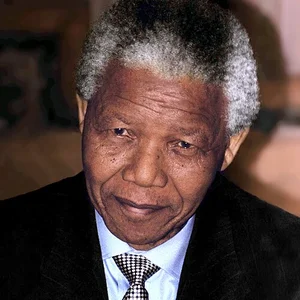
Nelson Mandela
1918 — 2013
South African political leader (1918–2013), founding figure of the struggle against apartheid and first Black president of South Africa. Imprisoned for 27 years for his revolutionary activities, he became a symbol of reconciliation and democratic transition in his country.
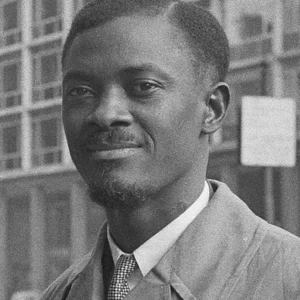
Patrice Lumumba
1925 — 1961
Patrice Lumumba was a Congolese politician and a leading figure in the independence of the Belgian Congo. As the first head of government of the Democratic Republic of the Congo in 1960, he became a symbol of African anti-colonialism before his assassination in 1961.
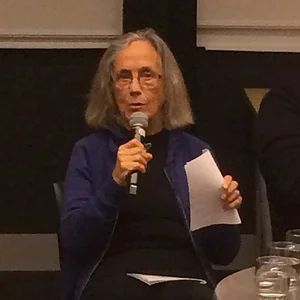
Patricia Grace
1937 — ?
Patricia Grace (1937–) is a New Zealand Māori novelist and short story writer, a pioneer of Māori literature in English. She is the first Māori woman to publish a short story collection in English. Her work explores identity, culture, and the struggles of the Māori community.
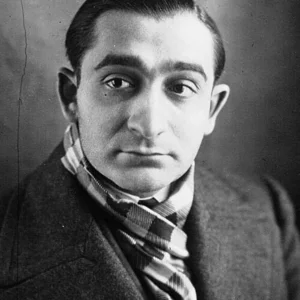
Pierre Mendès France
1907 — 1982
French statesman, a figure of the radical left and of moral rigor in politics. President of the Council in 1954-1955, he ended the Indochina War and set Tunisia on the path to autonomy.
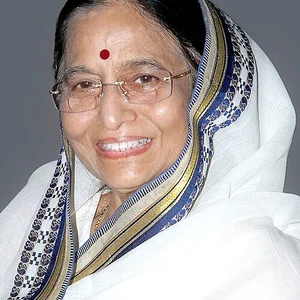
Pratibha Patil
1934 — ?
Pratibha Patil is an Indian politician born in 1934 who became the first female President of India from 2007 to 2012. Trained as a lawyer, she was active within the Indian National Congress party and held numerous government positions before reaching the country's highest office.
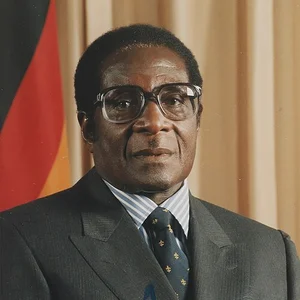
Robert Mugabe
1924 — 2019
Robert Mugabe (1924-2019) was a Zimbabwean statesman and a leading figure in the struggle for independence against the Rhodesian regime. As Prime Minister and then President of Zimbabwe for nearly four decades, he led the country from 1980 to 2017, gradually shifting from a hero of liberation into an authoritarian ruler.
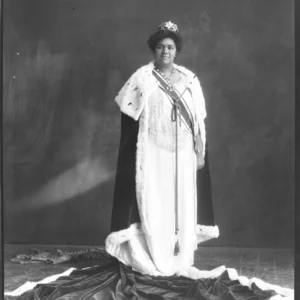
Salote Tupou III
1900 — 1965
Salote Tupou III reigned over Tonga from 1918 to 1965, becoming one of the most beloved figures in the South Pacific. At the coronation of Elizabeth II in 1953, she caused a sensation in London by braving the rain in an open carriage, winning the hearts of people worldwide. A great poet and guardian of Tongan traditions, she modernized her kingdom while preserving its cultural identity.
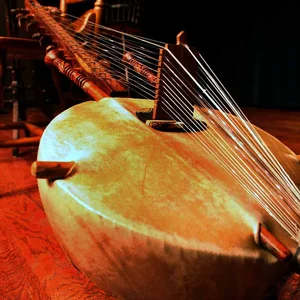
Siramori Diabaté
1925 — 1989
Siramori Diabaté (c. 1920–1989) was a renowned Malian griot woman from the village of Kéla, Mali, belonging to the Mandinka people. A keeper of the Sundiata Keita epic, she was one of the most celebrated transmitters of the griot oral tradition in the 20th century.
Sirimavo Bandaranaike
1916 — 2000
Sirimavo Bandaranaike was the first woman to become head of government in the world, elected Prime Minister of Ceylon in 1960. The widow of assassinated Prime Minister Solomon Bandaranaike, she succeeded him as leader of the Sri Lanka Freedom Party and served in the role three times.
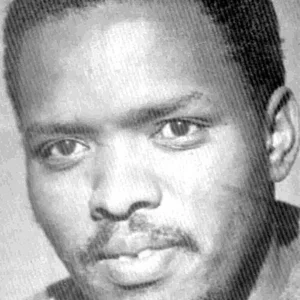
Steve Biko
1946 — 1977
Steve Biko was a South African anti-apartheid activist, founder of the Black Consciousness Movement in the 1970s. A leading figure in the emancipation of black South Africans, he died in 1977 from the injuries inflicted on him in police custody, becoming a global symbol of the struggle against apartheid.
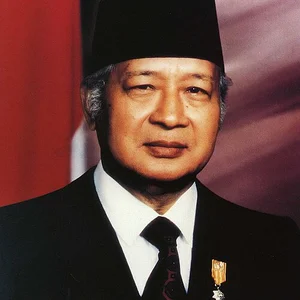
Suharto
1921 — 2008
An Indonesian general and statesman, Suharto was the second president of Indonesia from 1967 to 1998. He came to power after a bloody anti-communist purge and established an authoritarian regime known as the “New Order” before being toppled by the Asian financial crisis.
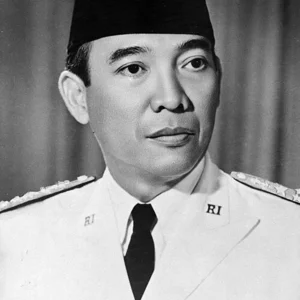
Sukarno
1901 — 1970
Indonesian statesman and leader of the nationalist movement against Dutch colonization. He proclaimed Indonesia's independence in 1945 and became its first president. A major figure of the Third World and the Non-Aligned Movement.
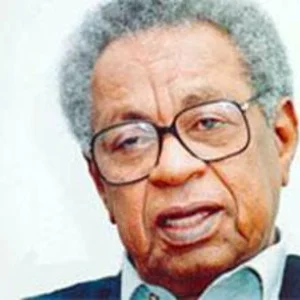
Tayeb Salih
1929 — 2009
Tayeb Salih (1929-2009) was a Sudanese writer in the Arabic language, regarded as one of the great voices of modern Arabic literature. His novel *Season of Migration to the North* (1966) is a major work on the encounter and clash between East and West.
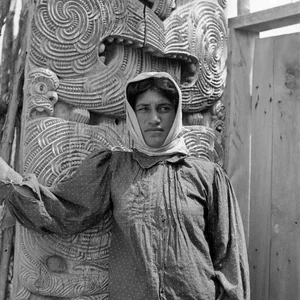
Te Puea Herangi
1883 — 1952
Māori princess from New Zealand (1883–1952), granddaughter of King Tāwhiao, she devoted her life to the cultural and political revival of her people. She resisted the conscription of Māori during World War I and built the village of Tūrangawaewae, a symbol of Māori dignity.
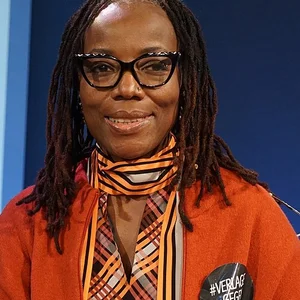
Tsitsi Dangarembga
1959 — ?
Zimbabwean novelist and filmmaker born in 1959, Tsitsi Dangarembga is the first Black woman from Zimbabwe to have published a novel in English. Her work explores colonization, the condition of women, and African identity in a postcolonial society.
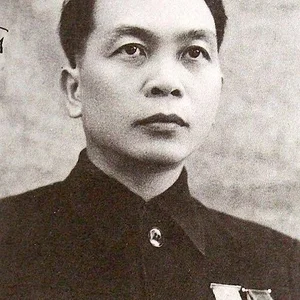
Vo Nguyen Giap
1911 — 2013
Vietnamese general and politician, the principal military leader of the Việt Minh and later of the North Vietnamese army. The architect of the victory at Diên Biên Phu against France in 1954, he was one of the strategists of both the war of independence and the Vietnam War.
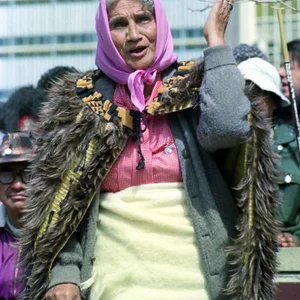
Whina Cooper
1895 — 1994
A New Zealand Māori activist, Whina Cooper dedicated her life to defending her people's land rights. In 1975, at the age of 80, she led the great Māori Land March from Te Hapua to Wellington. Regarded as the 'Mother of the Nation' of the Māori people, she remains a symbol of peaceful resistance.
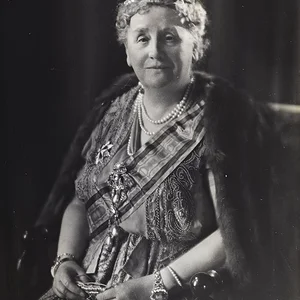
Wilhelmine
1880 — 1962
Queen of the Netherlands from 1890 to 1948, Wilhelmine embodied the national resistance during the Nazi occupation. Taking refuge in London, she led the government in exile and kept the morale of the Dutch people alive through her radio broadcasts.
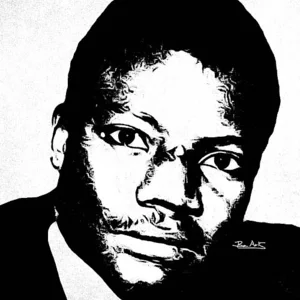
Yambo Ouologuem
1940 — 2017
Yambo Ouologuem (1940-2017) was a Malian writer, the first African author to win the Prix Renaudot in 1968 for his novel “Bound to Violence.” A major and controversial figure of francophone African literature, he later withdrew from public life.
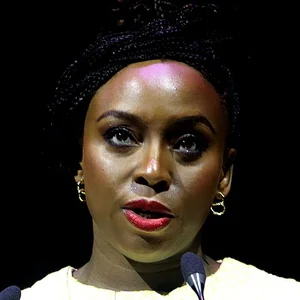
Chimamanda Ngozi Adichie
1977 —
Nigerian writer

Leymah Gbowee
Liberian pacifist activist, she led the women's peace movement in Liberia, helping to end the second civil war in 2003. Nobel Peace Prize in 2011.
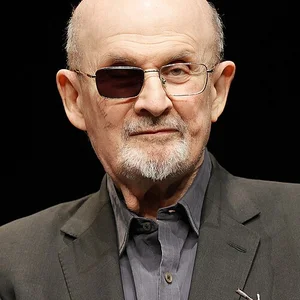
Salman Rushdie
1947 — ?
British-American writer of Indian origin born in 1947, a major figure in English-language postcolonial literature. Known worldwide for his novels blending magical realism with the history of India, as well as for the fatwa issued against him after the publication of The Satanic Verses.
Wangechi Mutu
1972 — ?
Wangechi Mutu is a Kenyan-American visual artist born in 1972 in Nairobi. She is famous for her monumental collages, sculptures, and installations that explore the Black female body, post-colonialism, and African identity.