 flip
flipStreet wafers of Paris
Street wafers of Paris
Why this dish? In Perrault's Paris, the 'oublieurs' roamed the streets at nightfall, their box on their back, crying out their wares. These rolled wafers were part of the soundscape and gourmet scenery of the city the writer walked every day, from the Louvre to the Tuileries.
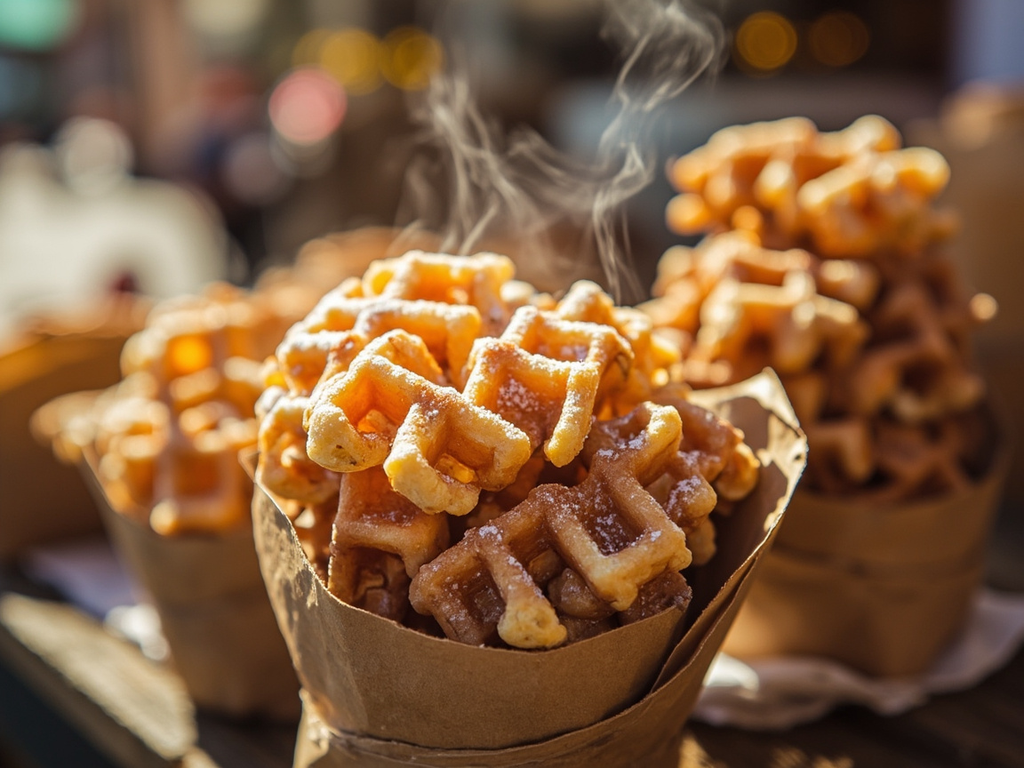
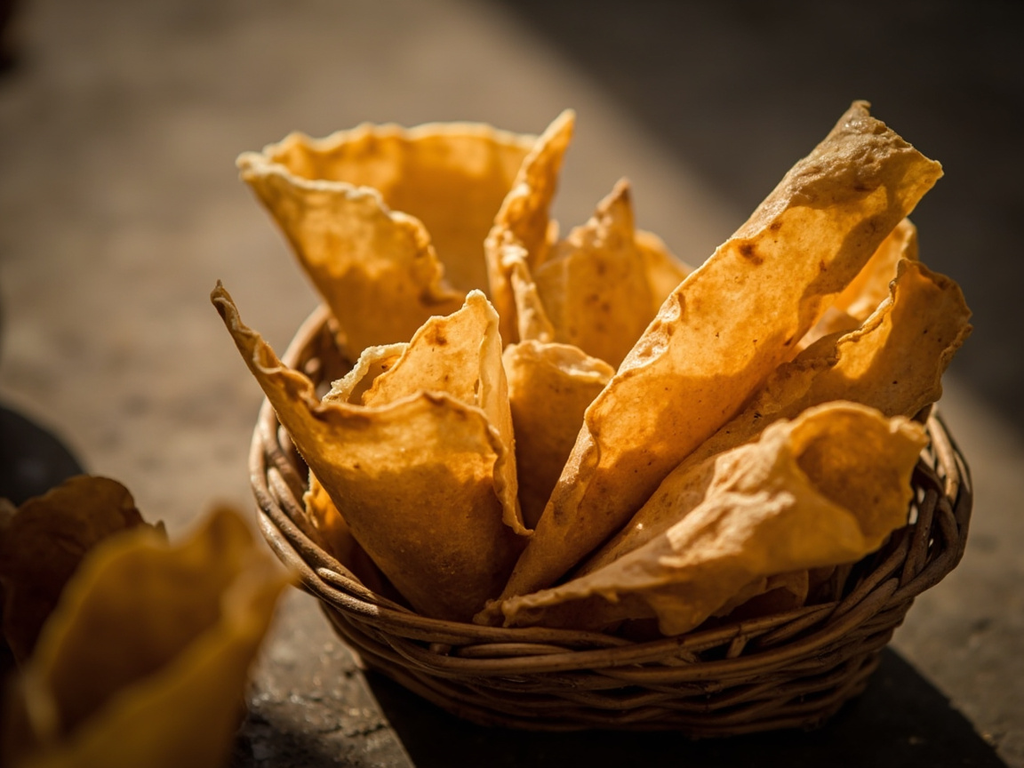
Thin wafers cooked between two hot irons, rolled while still warm into small cones or cylinders. Crisp, lightly sweetened, and perfumed, sold by street vendors.
Have you heard them, those oublieurs who through the streets, night fallen, their iron on their shoulder, cry at full voice: 'Here is pleasure, ladies!'? Their secret is thin as a leaf: a little fine flour, water, sugar, and the iron hot on the embers. You pour, you press, you count until the wafer browns, and quickly you roll it on a stick before it hardens. It is a trifle that costs but a liard, and yet every child of Paris keeps its taste all his life.
- •Fine wheat flour — a measure (structure)
- •Water (or white wine cut) — enough for a fluid batter (liquid)
- •Fine sugar — a handful (sweetness)
- •Egg — one (binder)
- •Orange blossom water — a few drops (flavor)
Street wafers of Paris
Thin wafers cooked between two hot irons, rolled while still warm into small cones or cylinders. Crisp, lightly sweetened, and perfumed, sold by street vendors.
Why this dish? In Perrault's Paris, the 'oublieurs' roamed the streets at nightfall, their box on their back, crying out their wares. These rolled wafers were part of the soundscape and gourmet scenery of the city the writer walked every day, from the Louvre to the Tuileries.
Have you heard them, those oublieurs who through the streets, night fallen, their iron on their shoulder, cry at full voice: 'Here is pleasure, ladies!'? Their secret is thin as a leaf: a little fine flour, water, sugar, and the iron hot on the embers. You pour, you press, you count until the wafer browns, and quickly you roll it on a stick before it hardens. It is a trifle that costs but a liard, and yet every child of Paris keeps its taste all his life.
Ingredients (period version)
- Fine wheat flour — a measure (structure)
- Water (or white wine cut) — enough for a fluid batter (liquid)
- Fine sugar — a handful (sweetness)
- Egg — one (binder)
- Orange blossom water — a few drops (flavor)
Ingredients
- Flour — 125 g (structure)
- Water — 200 ml (liquid)
- Sugar — 60 g (sweetness)
- Egg — 1 (binder)
- Melted butter — 30 g (tenderness)
- Orange blossom water — 1 teaspoon (flavor)
Method
- Whisk the flour, sugar, egg, and melted butter, then thin with water and orange blossom water to a fluid batter.
- Heat a thin waffle iron (or a very hot non-stick pan).
- Pour a thin ladle of batter, spread into a very thin disc, and cook until lightly golden.
- Remove the hot wafer and immediately roll it around a wooden handle to form a cone.
- Let harden a few seconds and slide off. Repeat until all batter is used.
- Store in a dry airtight container; they soften in humidity.
How it was made : Oublies (ancestors of the waffle and ice cream cone) were cooked between two engraved irons and rolled hot. The 'oublieurs', organized as a guild, sold them in the evenings in the streets of Paris, sometimes gambling for them with dice. Their cry 'Voilà le plaisir!' is attested throughout the Ancien Régime.
The contemporary twist : Fill the cones with orange blossom whipped cream just before serving — a 17th-century 'ice cream cone' revisited, two centuries before its official invention.
Sources : Alfred Franklin, La Vie privée d'autrefois — Les Repas · La Varenne, Le Pâtissier françois, 1653
Charles Perrault · Charactorium