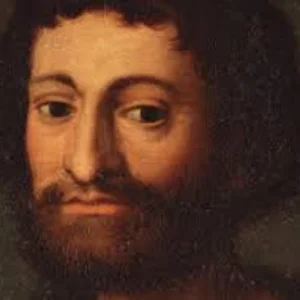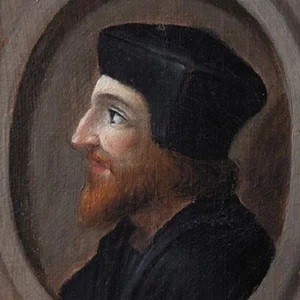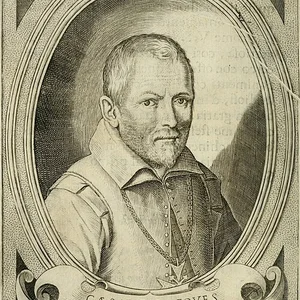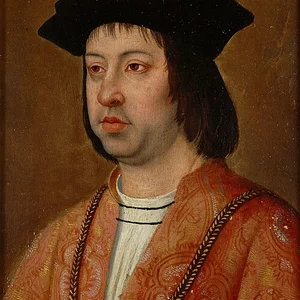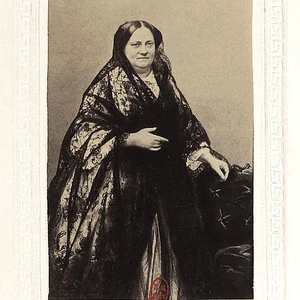

Ciriaco Mattei (1545–1614) was a Roman nobleman and influential patron of the arts in the late Renaissance. A major collector of antiquities and paintings, he was one of Caravaggio's principal patrons in Rome.
Ciriaco Mattei(1545 — 1614)
Ciriaco Mattei
8 min read
Frequently asked questions
Key Facts
- Born in 1545 in Rome into a patrician noble family
- Commissioned several major works by Caravaggio, including the Mattei cycle (c. 1599–1602)
- His collection included Greek and Roman antiquities as well as contemporary paintings
- His villa and palace in Rome were important cultural centers of the period
Works & Achievements
A masterpiece commissioned by Ciriaco Mattei from Caravaggio, depicting the arrest of Jesus in the Garden of Gethsemane. Long believed lost, the painting was rediscovered in 1990 in Dublin and is now one of Caravaggio's most celebrated works.
A canvas commissioned by Ciriaco Mattei depicting the young John the Baptist in Caravaggio's innovative style. It is now held at the Nelson-Atkins Museum of Art in Kansas City and stands as a testament to the close relationship between the patron and the artist.
Ciriaco Mattei assembled one of the richest private collections in Rome, combining ancient sculptures unearthed through archaeological excavations with contemporary paintings by Baroque masters. This collection spread his family's cultural reputation across Europe.
Ciriaco Mattei welcomed Caravaggio into his palace during a decisive period of the artist's career and gave him several successive commissions. This material and financial support was crucial to the development of the Caravaggesque style in Rome.
Ciriaco Mattei commissioned excavations in the gardens of his villa on the Caelian Hill, uncovering numerous ancient Roman sculptures. These discoveries enriched his collection and confirmed the Mattei family's reputation as distinguished collectors of antiquities.
Anecdotes
Around 1599–1600, Ciriaco Mattei welcomed Caravaggio into his Roman palazzo, providing him with lodging and commissions. This patronage relationship proved decisive in the painter's career: sheltered by one of Rome's most influential families, Caravaggio was free to produce some of his masterpieces without financial constraints.
Among the paintings commissioned by Ciriaco Mattei, *The Taking of Christ* (1602) had a remarkable fate. The canvas depicts the arrest of Jesus in the Garden of Gethsemane with striking realism. Kept by the family for two centuries, it vanished from sight until its spectacular rediscovery in 1990 at a Jesuit residence in Dublin — it is now on display at the National Gallery of Ireland.
The Villa Mattei on the Caelian Hill was a veritable open-air museum. Ciriaco had assembled an impressive collection of ancient sculptures, bas-reliefs, sarcophagi, and Roman inscriptions arranged along the garden paths. The estate was greatly admired by foreign travelers and artists in search of classical inspiration.
The Mattei brothers — Ciriaco, Asdrubale, and Girolamo — together formed one of Rome's most active patronage networks. While Ciriaco focused on antiquities and cabinet paintings, his brothers commissioned religious works, making the Mattei family an indispensable pillar of Roman artistic life at the turn of the sixteenth and seventeenth centuries.
Ciriaco Mattei maintained close ties with Rome's humanist and intellectual circles. His palazzo served as a meeting place for scholars, artists, and churchmen, carrying on the tradition of Renaissance academic gatherings in a Counter-Reformation context where art was expected both to captivate and to instruct.
Primary Sources
A dì 11 gennaro 1602. Io Michelangelo Merisi da Caravaggio ho ricevuto dal signor Ciriaco Mattei scudi centocinquanta di moneta per un San Giovanni Battista.
Inventario de' quadri, statue, e altri mobili che si trovano nel palazzo e nella vigna dell'Ill.mo Sig. Ciriaco Mattei, con la stima fattane da pittori e scultori periti.
…si trovano nella vigna alcune sculture di marmo antiche, tra le quali una testa di imperatore assai bella, et alcune figure intere che potrebbero aggradare alla Signoria Vostra Illustrissima…
Key Places
The Mattei family's main residence in the district near the ghetto in Rome, a home and reception venue where Caravaggio was welcomed and worked for Ciriaco. The palazzo housed an important collection of paintings and antiquities.
The Mattei family's magnificent country villa on the Caelian Hill, renowned for its gardens filled with ancient sculptures. A favorite haunt of Roman scholars and artists, it was considered one of the most beautiful gardens in the city.
The church where Caravaggio painted his first major public works, thanks to the support of patrons connected to the same networks as the Mattei. This site stands as a symbol of the rise of Baroque painting in Rome, driven by the city's great collectors.
The museum that today holds Caravaggio's *The Taking of Christ*, commissioned by Ciriaco Mattei in 1602. The painting was rediscovered there in 1990 after having been lost from sight for nearly two centuries.
Typical Objects

Ciriaco Mattei commissioned and acquired numerous oil paintings on canvas, the preferred format of Baroque painters such as Caravaggio. These works adorned the reception rooms of the Palazzo Mattei and bore witness to the collector's refined taste and wealth.

The gardens and halls of the Palazzo Mattei housed ancient Roman sculptures unearthed during excavations organized at the family's villa on the Caelian Hill. These antiquities were a mark of prestige and erudition among the Roman nobility.

The relationships between patrons and artists were formalized through documents specifying the subject, format, deadlines, and price of a work. Ciriaco Mattei used these agreements to govern his many commissions with Roman painters.

Renaissance collectors assembled ancient coins and medals as proof of their humanist culture. The Mattei collection included pieces illustrating the history of ancient Rome, highly prized among scholars.

The cultivated nobles of the era read treatises on painting, architecture, and antiquity. These works circulated in the circles frequented by Ciriaco Mattei and fueled discussions about artistic commissions.

A sign of aristocratic rank, the carriage bearing the Mattei coat of arms allowed Ciriaco to travel through Rome while displaying his power. The great patrician families had their heraldic arms painted on their carriages so they would be recognized throughout the city.
School Curriculum
Vocabulary & Tags
Key Vocabulary
Daily Life
Morning
Ciriaco Mattei began his day with religious devotions, in keeping with the customs of the Catholic Roman nobility. He would then receive his stewards to manage his properties and landed revenues, before consulting his advisers on the family's legal and patrimonial affairs.
Afternoon
The afternoon was devoted to receiving guests, visiting artists and art dealers, and inspecting his collection. Ciriaco oversaw acquisitions proposed by antiquarians and painters — among them, on occasion, Caravaggio himself — and toured the construction work at his villa.
Evening
Evenings were often spent in the company of humanists, prelates, and ambassadors at banquets and literary gatherings in his palazzo. Music, readings of classical texts, and discussions on art and Antiquity held pride of place on these occasions.
Food
The Mattei table reflected the family's rank: roasted meats, game, fish from nearby lakes, vegetables from the villa garden, and wines from Roman vineyards. Meals were served on silver plate by a large household staff, following the strict ceremonial of the Roman nobility.
Clothing
Ciriaco wore the dress of a Roman nobleman: a doublet of velvet or fine cloth, an Italian-style cloak, and a broad-brimmed hat. For papal audiences and official ceremonies, he donned his finest attire adorned with embroidery, lace, and gold or silver buttons.
Housing
The Palazzo Mattei di Giove was a multi-storey aristocratic residence featuring reception halls decorated with frescoes, picture galleries, and interior courtyards. The Villa Mattei on the Caelian Hill served as a summer residence, surrounded by gardens and ancient sculptures that offered both cool shade and prestige.
Historical Timeline
Period Vocabulary
Liens externes & ressources
Références
Œuvres
Saint Jean-Baptiste dans le désert (commande à Caravage)
1602
Mécénat en faveur de Caravage (logement et commandes répétées)
1601-1602