Economics
Entrepreneuriat, industrie, finance
119 characters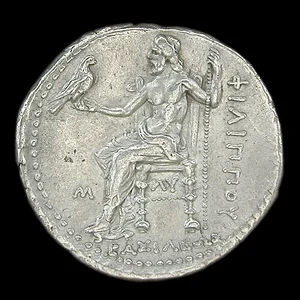


119 characters
Before Christ(5)
Alexander II of Macedon
King of Macedon from 370 to 368 BC, son of Amyntas III and elder brother of Philip II. His brief reign was marked by internal unrest before his assassination by Ptolemy of Aloros.
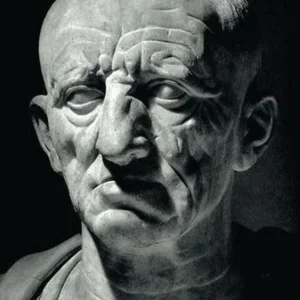
Cato the Elder
233 av. J.-C. — 148 av. J.-C.
Roman statesman and writer (234–149 BC), consul in 195 BC and censor in 184 BC. An uncompromising defender of traditional Roman values, he opposed Greek influence and pursued strict economic policies. He is also considered the first great Latin prose writer, known for his treatise on agriculture.
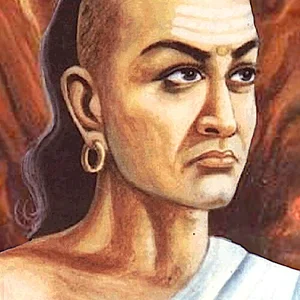
Chanakya
374 av. J.-C. — 282 av. J.-C.
An Indian philosopher, economist, and political strategist of the 4th century BCE, Chanakya served as advisor to Chandragupta Maurya, founder of the Maurya Empire. Often called the "Indian Machiavelli," he authored the Arthashastra, a foundational treatise on politics and economics.
Croesus of Lydia
The last king of Lydia (c. 561–546 BC), Croesus remained famous for his legendary wealth, drawn from the gold mines of the Pactolus River. His kingdom was conquered by Cyrus the Great, marking the end of Lydian independence.
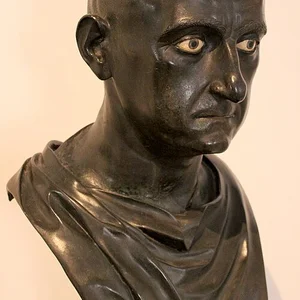
Scipio Africanus
234 av. J.-C. — 182 av. J.-C.
Roman general of the 2nd century BC, victor over Hannibal at the Battle of Zama (202 BC). He brought the Second Punic War to an end and secured Rome's dominance over Carthage.
Middle Ages(7)
Jacques Cœur
1395 — 1456
A French merchant and financier of the 15th century, Jacques Cœur became the chief treasurer (*grand argentier*) of King Charles VII. The builder of a vast trading empire reaching toward the Levant, he was one of the wealthiest men in the kingdom before falling from grace.
Khadija
557 — 619
A wealthy caravan merchant from Mecca, Khadija bint Khuwaylid was the first wife of the prophet Muhammad and the very first person to embrace Islam. Her fortune and moral support were decisive in the early days of his preaching.
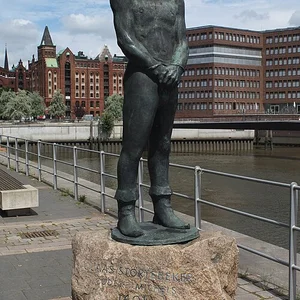
Klaus Störtebeker
1360 — 1401
Klaus Störtebeker was a German pirate of the late 14th century, a leading figure of the Vitalienbrüder (Victual Brothers). He raided the North Sea and the Baltic Sea, preying on ships of the Hanseatic League, before being captured and beheaded in Hamburg around 1401.
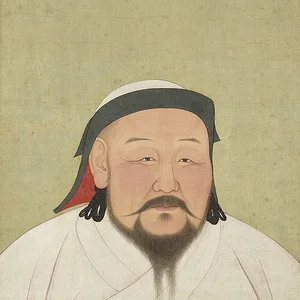
Kublai Khan
1215 — 1294
Grandson of Genghis Khan, Kublai Khan founded the Yuan dynasty in China and ruled from 1260 to 1294. He expanded the Mongol Empire to its greatest extent and opened China to international trade, most notably welcoming Marco Polo.
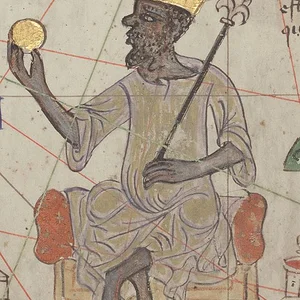
Mansa Musa
1280 — 1337
Mansa Musa (c. 1280–1337) was the tenth mansa (king) of the Mali Empire, one of the largest and wealthiest empires in the medieval world. His pilgrimage to Mecca in 1324–1325 revealed to the world the extraordinary riches of his kingdom.

Mansa Souleymane
1400 — 1360
Mansa (emperor) of the Mali Empire from 1341 to 1360, Souleymane was the brother and successor of Mansa Musa. His reign was marked by rigorous administration, economic prosperity, and the Islamic prestige of the empire.

Mohammed ben Toughlouq
Sultan of the Delhi Sultanate from 1324 to 1351, Muhammad ibn Tughluq was one of the most ambitious and controversial rulers of medieval India. A bold reformer, he attempted to relocate the capital from Delhi to Daulatabad and to introduce copper currency — projects that failed and ruined the sultanate.
Renaissance(5)
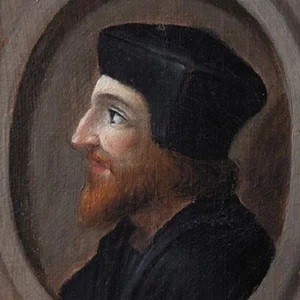
Agostino Chigi
1466 — 1520
Agostino Chigi (1466–1520) was the greatest banker of the Italian Renaissance, financier to popes Julius II and Leo X. A lavish patron of the arts, he commissioned the construction and decoration of the Villa Farnesina in Rome, with frescoes by Raphael and his pupils.
Ciriaco Mattei
1545 — 1614
Ciriaco Mattei (1545–1614) was a Roman nobleman and influential patron of the arts in the late Renaissance. A major collector of antiquities and paintings, he was one of Caravaggio's principal patrons in Rome.
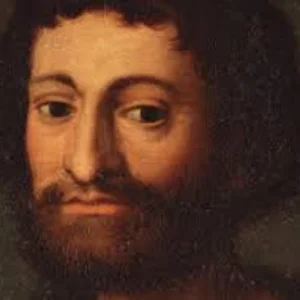
Francesco del Giocondo
1460 — 1542
A Florentine merchant and magistrate of the Renaissance, Francesco del Giocondo is best known for having commissioned Leonardo da Vinci to paint the portrait of his wife Lisa Gherardini, known as the Mona Lisa. Born in 1465 in Florence, he was a prosperous silk merchant.

Orazio Lomellini
Genoese nobleman and merchant of the 16th century, from the influential Lomellini family. The Lomellinis controlled major commercial networks across the Mediterranean, including the concession of the island of Tabarka for coral fishing and trade with North Africa.

Virginia Dormoli
The wealthy widow of a fur merchant (furrier), Virginia Dormoli married Bernardino Palissy in 1581. Her fortune helped improve the final years of the French craftsman-ceramist.
Early Modern(7)
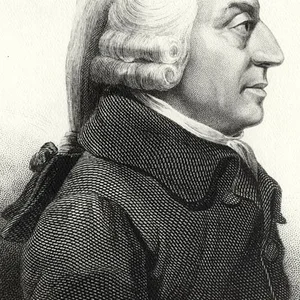
Adam Smith
1723 — 1790
An 18th-century Scottish philosopher and economist, Adam Smith is considered the father of modern political economy. His landmark work, The Wealth of Nations (1776), laid the foundations of economic liberalism and capitalism.
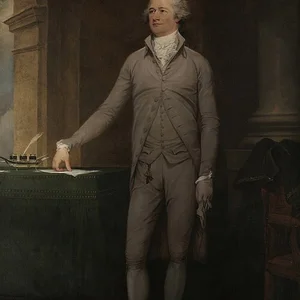
Alexander Hamilton
1757 — 1804
A Founding Father of the United States, Alexander Hamilton was the first Secretary of the Treasury (1789-1795). The architect of the American financial system, he created the first national bank and laid the foundations of the young United States' economy. He died in 1804 in a duel with Aaron Burr.
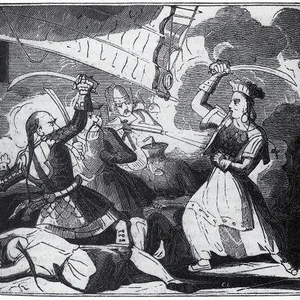
Ching Shih
1775 — 1844
Ching Shih (c. 1775–1844) was a Chinese pirate who became one of the most formidable military commanders in history. She led the Red Flag Fleet, a confederation of over 1,800 ships and 80,000 men, imposing her rule across the South China Sea.
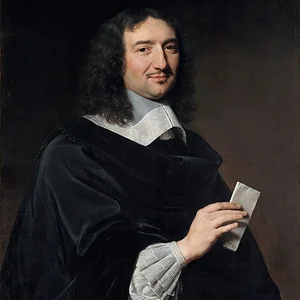
Colbert
1619 — 1683
Jean-Baptiste Colbert (1619-1683) was the principal minister of Louis XIV, serving as Controller-General of Finances from 1665. The architect of an interventionist economic policy, he reorganized the royal finances and developed French industry and trade.
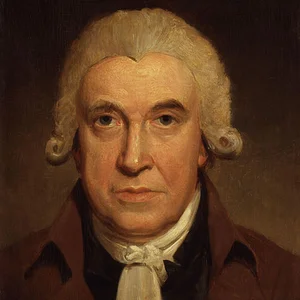
James Watt
1736 — 1819
Scottish engineer and inventor (1736–1819), James Watt greatly improved Newcomen's steam engine in 1769, making it efficient and economical. His invention revolutionized industry and transportation, earning him a place as one of the fathers of the Industrial Revolution.
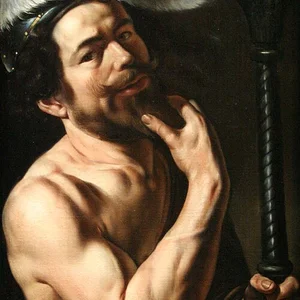
Louis Finson
1580 — 1617
Louis Finson (c. 1580–1617) was a Flemish painter and art dealer, trained in Naples where he associated with Caravaggio. A key figure in spreading Caravaggism to Northern Europe, he owned several works by the master and helped disseminate this style in France and the Low Countries.

Maximilien de Béthune duc de Sully
A loyal companion of Henry IV, Sully served as superintendent of finances from 1598 to 1610. He restored royal finances, reduced the debt, and promoted agriculture and infrastructure. A committed Huguenot, he embodied the kingdom's reconstruction following the Wars of Religion.
19th Century(28)
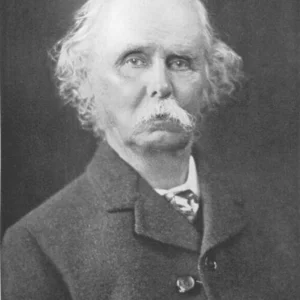
Alfred Marshall
1842 — 1924
Alfred Marshall (1842-1924) was a British economist and a leading figure of the neoclassical school. His textbook *Principles of Economics* (1890) profoundly shaped the teaching of economic science for several decades.
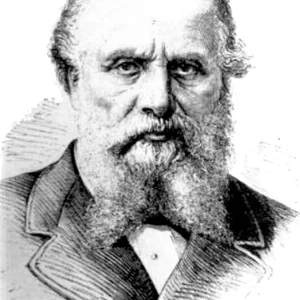
Aristide Boucicaut
1810 — 1877
Aristide Boucicaut (1810-1877) was a French entrepreneur who founded Le Bon Marché in Paris in 1852, inventing the concept of the modern department store. He revolutionized retail by introducing fixed prices, free entry, and clearance sales.
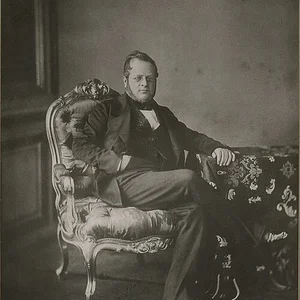
Camillo Cavour
1810 — 1861
Piedmontese statesman (1810–1861), Cavour was the principal architect of Italian unification. As President of the Council of the Kingdom of Sardinia, he pursued a liberal policy and used diplomacy to win over France and isolate Austria.
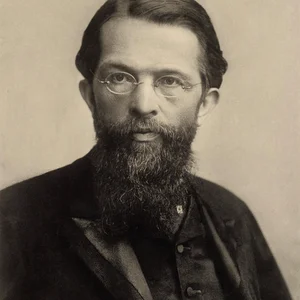
Carl Menger
1840 — 1921
Carl Menger (1840-1921) was an Austrian economist and the founder of the Austrian School of economics. With his theory of marginal utility, he took part in the “marginalist revolution” that transformed economic thought in the 19th century.
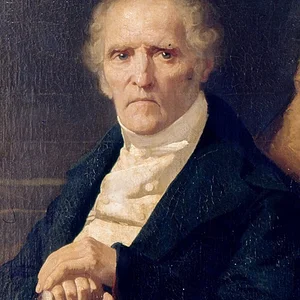
Charles Fourier
1772 — 1837
Charles Fourier was a French philosopher and social theorist, one of the leading representatives of utopian socialism. He envisioned a harmonious society organized into self-sufficient communities called phalansteries.
Édouard Chaligny
A French industrialist of the 19th century, Édouard Chaligny was a key figure in the development of the 12th arrondissement of Paris. His name lives on through the rue Chaligny and the Faidherbe-Chaligny metro station (line 8).
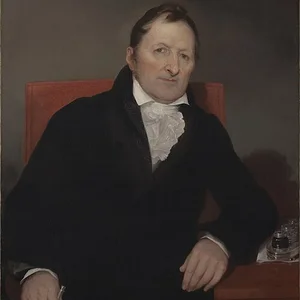
Eli Whitney
1765 — 1825
American inventor and industrialist (1765–1825), Eli Whitney is famous for inventing the cotton gin in 1793 and for developing the concept of interchangeable parts in industrial production. His innovations profoundly transformed the American economy and foreshadowed the Industrial Revolution.
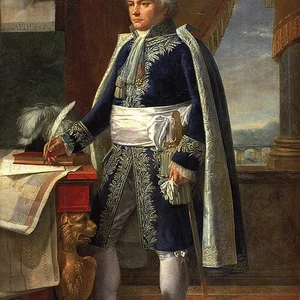
Emmanuel Crétet de Champmol
French statesman (1747-1809), Minister of the Interior under Napoleon I and first governor of the Bank of France. He played a key role in the administrative and financial reorganization of Consular and Imperial France.
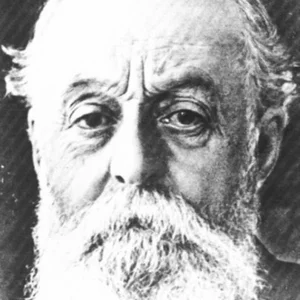
Eusebi Güell
Catalan industrialist and patron of the arts (1846–1918), Eusebi Güell was the principal supporter of architect Antoni Gaudí. Using his textile fortune, he funded the boldest works of Catalan Modernisme, including Park Güell and Palau Güell in Barcelona.
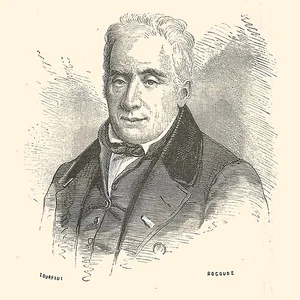
François Richard-Lenoir
1765 — 1839
A Norman industrialist, he became one of the greatest French cotton manufacturers under the First Empire, taking advantage of the Continental Blockade to eliminate British competition. The fall of Napoleon and the return of British cotton ruined his fortune, but he is remembered for his genuine concern for the well-being of his workers.
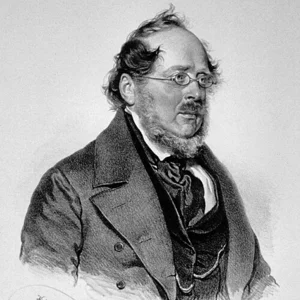
Friedrich List
1789 — 1846
German economist and publicist, theorist of educational protectionism. He advocated the temporary protection of infant industries to allow developing nations to catch up with England.
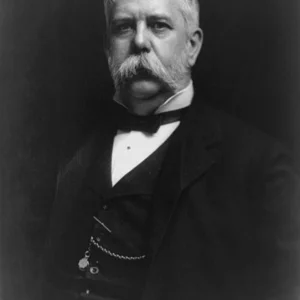
George Westinghouse
1846 — 1914
American engineer and industrialist (1846–1914), George Westinghouse invented the air brake for trains, revolutionizing railroad safety. He championed alternating current (AC) against Thomas Edison in the famous "War of Currents," helping to electrify the modern world.
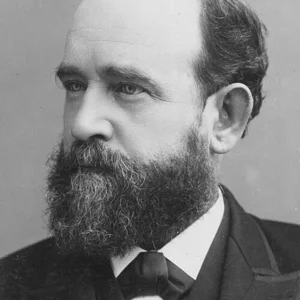
Henry George
1839 — 1897
Henry George was an American economist and journalist. He is famous for his book Progress and Poverty (1879), in which he argues for a single tax on land value as a remedy for inequality.
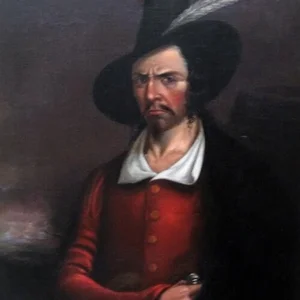
Jean Lafitte
1776 — 1826
French privateer and smuggler based in the Gulf of Mexico in the early 19th century. As leader of the buccaneer community of Barataria, near New Orleans, he came to the aid of the Americans at the Battle of New Orleans in 1815.
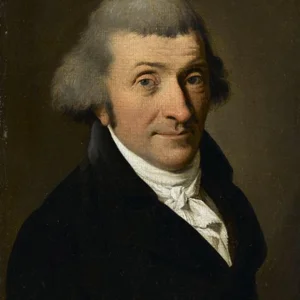
Jean-Frédéric Perregaux
1744 — 1808
A Swiss banker based in Paris, Jean-Frédéric Perregaux was one of the co-founders of the Banque de France in 1800 and its first regent. A senator of the First Empire, he played a central role in stabilizing the finances of Napoleonic France.
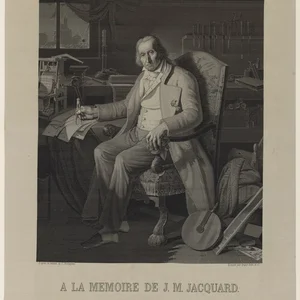
Joseph Marie Jacquard
1752 — 1834
French inventor born in Lyon in 1752, Jacquard developed in 1801 an automated loom using punched cards to control patterns. His invention revolutionized the textile industry and foreshadowed the concept of computer programming.
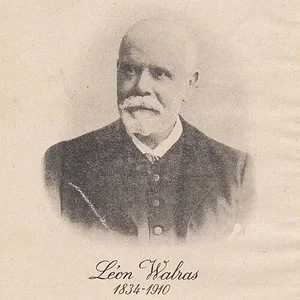
Léon Walras
1834 — 1910
Léon Walras (1834-1910) was a French economist and founder of the Lausanne School. He is one of the fathers of the neoclassical approach and developed the theory of general equilibrium, described using mathematical tools.
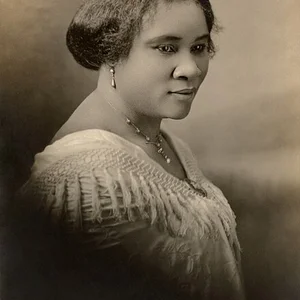
Madam C.J. Walker
1867 — 1919
First self-made female millionaire in the USA, born to formerly enslaved parents
Manuel Vicens
A 19th-century Catalan businessman, ceramic tile merchant and stockbroker, Manuel Vicens i Montaner is best known for commissioning Antoni Gaudí to build his summer home in Barcelona, the Casa Vicens (1883–1885), the architect's first major work.
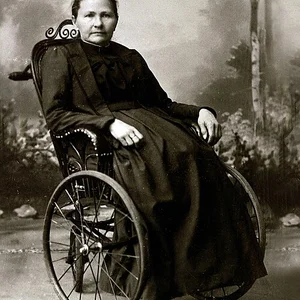
Margarete Steiff
1847 — 1909
Margarete Steiff (1847-1909) was a German seamstress and entrepreneur, founder of the Steiff toy manufacturing company. Stricken with polio and using a wheelchair, she built a thriving business from her hand-sewn felt animals, which gave rise to the famous teddy bear.
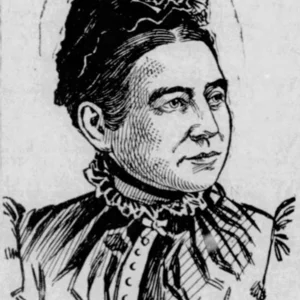
Maria Beasley
1836 — 1913
Maria Beasley (1836-1904) was an American inventor and entrepreneur. She is famous for perfecting the life raft and for designing a barrel-making machine that made her fortune.
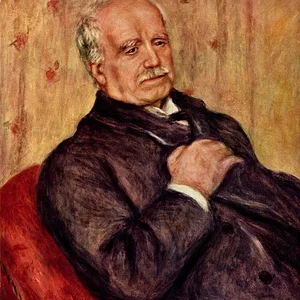
Paul Durand-Ruel
1831 — 1922
Paul Durand-Ruel (1831-1922) was the principal art dealer of the French Impressionists. He provided financial support to Monet, Renoir, Pissarro, and their contemporaries at a time when their art was being rejected, playing a decisive role in their international recognition.

Pereire Brothers (Émile and Isaac)
Banker brothers of Bordeaux origin and disciples of Saint-Simonianism, they financed the first French railway (Paris–Saint-Germain, 1837) and founded the Crédit Mobilier (1852), an innovative investment bank that rivaled the Rothschilds under the Second Empire.
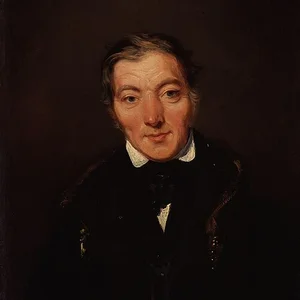
Robert Owen
1771 — 1858
A Welsh industrialist and socialist theorist, Robert Owen transformed the New Lanark cotton mill into a model of social reform. A pioneer of utopian socialism and the cooperative movement, he championed better conditions for workers and education for all.
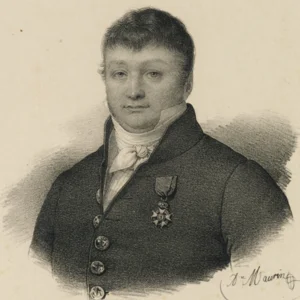
Robert Surcouf
1773 — 1827
French Malouin privateer, shipowner and slave trader (1773-1827). Nicknamed the “King of Corsairs,” he led feared campaigns against British maritime trade in the Indian Ocean during the Revolutionary and Napoleonic Wars, before becoming a wealthy shipowner in Saint-Malo.
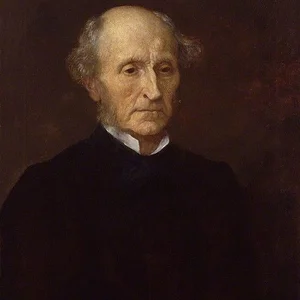
Stuart Mill
John Stuart Mill (1806-1873) was a British philosopher, economist, and politician. A major figure of liberalism and utilitarianism, he championed individual liberties, freedom of expression, and the emancipation of women.
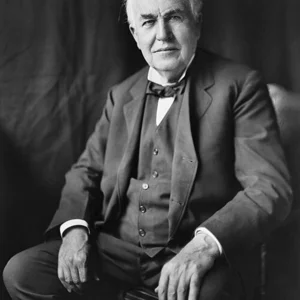
Thomas Edison
1847 — 1931
American inventor and industrialist (1847–1931), Edison is one of the greatest innovators in history. He filed more than 1,000 patents and created the incandescent light bulb, the phonograph, and the electrical distribution system.
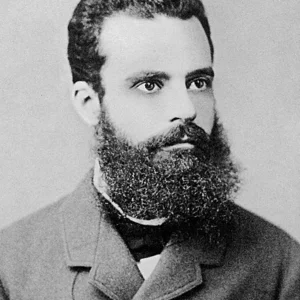
Vilfredo Pareto
1848 — 1923
Vilfredo Pareto (1848-1923) was an Italian economist and sociologist, a major figure of the Lausanne School. He left his mark on neoclassical political economy and sociology through his work on the distribution of wealth and the behavior of elites.
20th Century(40)

Agnez Mo
1986 — ?
Agnez Mo is an Indonesian-American singer-songwriter and actress born in 1986 in Jakarta. A pop star in Indonesia from childhood, she broke onto the international scene in the 2010s.

Alla Pugacheva
1949 — ?
Alla Pugacheva (born 1949) is the most famous pop singer of the Soviet Union and Russia. Nicknamed "the Primadonna," she dominated the Soviet and then Russian music scene for over forty years. Her career illustrates mass culture and the entertainment industry under a communist regime.
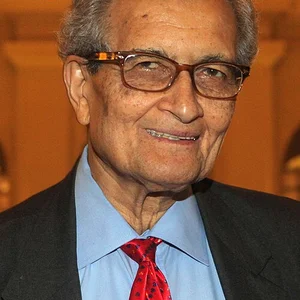
Amartya Sen
1933 — ?
Amartya Sen is an Indian economist and philosopher born in 1933. Winner of the Nobel Prize in Economics in 1998, he reshaped the analysis of well-being, poverty and famines, and founded the “capability” approach.
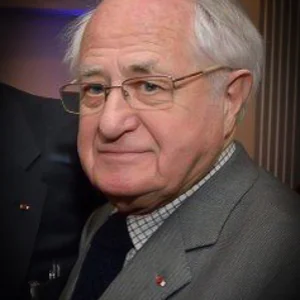
Antoine Veil
1926 — 2013
A senior French civil servant and business executive, Antoine Veil served as an inspector of finances and led major corporations. Married to Simone Veil since 1946, he shared her life and her commitments. Their ashes were transferred together to the Panthéon in 2018.
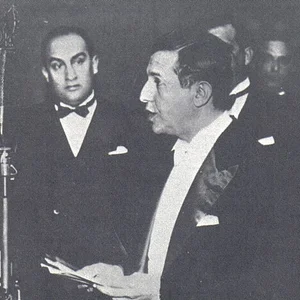
Assis Chateaubriand
1892 — 1968
Assis Chateaubriand (1892-1968) was a Brazilian journalist, entrepreneur, and patron of the arts, founder of the largest media empire in Latin America in the 20th century. He created the Diários Associados, a network of newspapers, radio stations, and television channels, and introduced television to Brazil in 1950.

Ayumi Hamasaki
1978 — ?
Ayumi Hamasaki is a Japanese singer, songwriter, and pop icon born in 1978 in Fukuoka. Nicknamed the "Empress of Pop" in Japan, she is one of the best-selling female artists in the history of Japanese music.
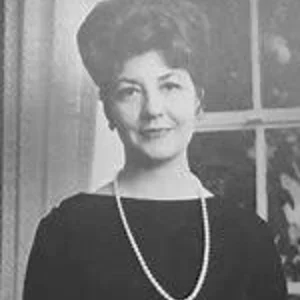
Bette Nesmith Graham
1924 — 1980
Bette Nesmith Graham (1924-1980) was an American secretary who became an inventor and entrepreneur. She developed the white correction fluid (Liquid Paper) to cover up typing mistakes, then built a thriving company around her invention.
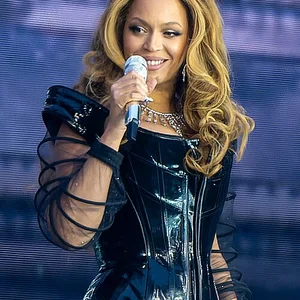
Beyoncé
1981 — ?
Beyoncé is an American singer, songwriter, and producer born in 1981 in Houston, Texas. A former member of Destiny's Child, she became one of the most influential solo artists of the 21st century, blending R&B, pop, and hip-hop.

Christina Aguilera
1980 — ?
Christina Aguilera is an American singer, songwriter, and actress born in 1980. Breaking through in 1999, she established herself as one of the most powerful voices of her generation, blending pop, R&B, and soul. She became a symbol of female empowerment in the music industry at the turn of the 21st century.
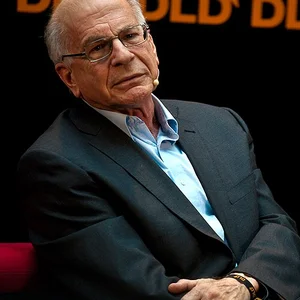
Daniel Kahneman
1934 — 2024
Daniel Kahneman was an Israeli-American psychologist and economist, a pioneer of behavioral economics. His work on cognitive biases and decision-making under uncertainty earned him the Nobel Prize in Economics in 2002.
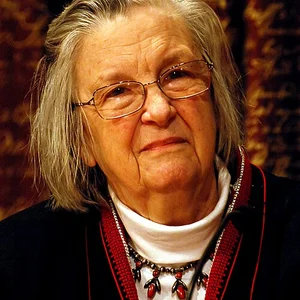
Elinor Ostrom
1933 — 2012
Elinor Ostrom (1933-2012) was an American economist and political scientist. The first woman to receive the Nobel Prize in Economics, in 2009, she showed how communities can sustainably manage shared resources (the “commons”) without resorting to either the state or the private market.
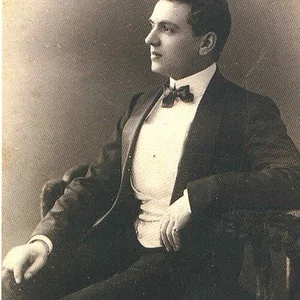
Ernest Beaux
1881 — 1961
Ernest Beaux (1881–1961) was a Franco-Russian perfumer who created the legendary Chanel N°5 in 1921, revolutionizing the art of perfumery with his innovative use of aldehydes. He is considered one of the greatest noses of the twentieth century.
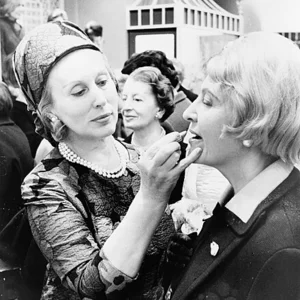
Estée Lauder
1908 — 2004
American businesswoman (1906–2004)
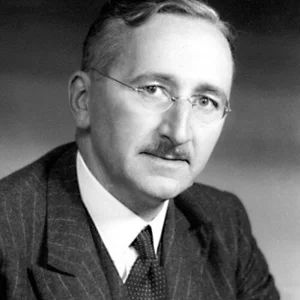
Friedrich Hayek
1899 — 1992
Austrian economist and philosopher, a major figure of classical liberalism and the Austrian school of economics. Winner of the Nobel Prize in Economics in 1974, he championed the spontaneous order of the market and criticized central planning.

Gary Becker
American economist of the Chicago school, winner of the Nobel Prize in Economics in 1992. He extended economic analysis to fields previously reserved for sociology, such as the family, education, crime, and discrimination.
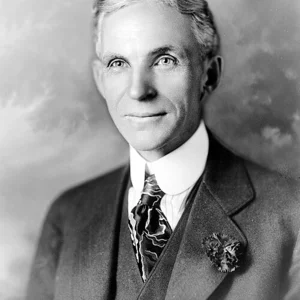
Henry Ford
1863 — 1947
American industrialist (1863–1947), Henry Ford revolutionized automobile manufacturing by introducing the assembly line and the Model T. He is the founder of the Ford Motor Company and one of the founding fathers of modern industrial capitalism.
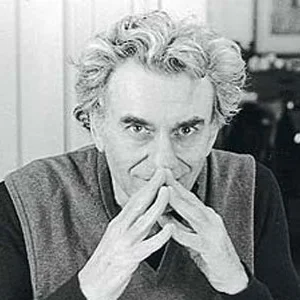
Hyman Minsky
1919 — 1996
Hyman Minsky (1919-1996) was an American economist famous for his theory of financial instability. He showed how periods of stability and growth push players to take on increasing risks, leading to financial crises.
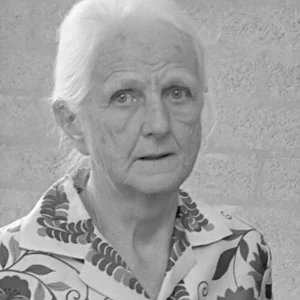
Joan Robinson
1903 — 1983
Joan Robinson (1903-1983) was a British economist of the Cambridge school and a leading figure of the post-Keynesian movement. She is known for her theory of imperfect competition and her contributions to the analysis of capital accumulation.
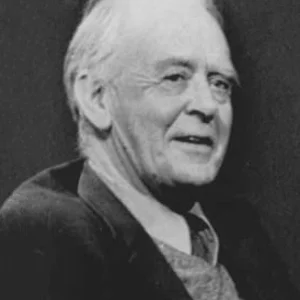
John Hicks
1904 — 1989
British economist, one of the major figures of 20th-century economic thought. He helped formalize Keynesian theory and develop modern microeconomics, which earned him the Nobel Prize in Economics in 1972.
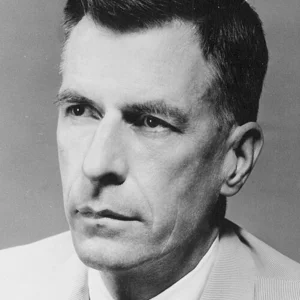
John Kenneth Galbraith
1908 — 2006
John Kenneth Galbraith was an American-Canadian economist, a major figure of twentieth-century institutionalism and Keynesianism. A critic of consumer society, he shaped public debate through his books written for a general audience.
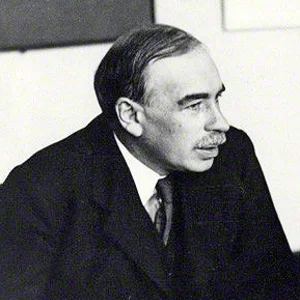
John Maynard Keynes
1883 — 1946
British economist, founder of modern macroeconomics. His general theory, published in 1936 in response to the Great Depression, argues for government intervention to support demand and employment.
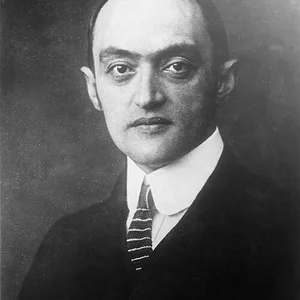
Joseph Schumpeter
1883 — 1950
Austrian economist and political scientist, naturalized American, Joseph Schumpeter is one of the major thinkers of 20th-century economics. He is famous for his analyses of innovation, the entrepreneur, and business cycles.
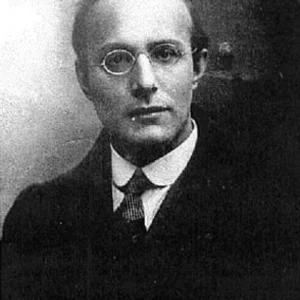
Karl Polanyi
1886 — 1964
Karl Polanyi (1886-1964) was an Austro-Hungarian economist and economic anthropologist. A critic of economic liberalism, he analyzed the rise of the market economy and its grip on society in his major work, *The Great Transformation* (1944).
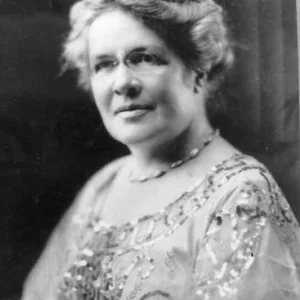
Kate Gleason
1865 — 1933
Kate Gleason (1865-1933) was an American engineer and businesswoman, a pioneer of the machine-tool industry. The first woman admitted to Cornell University's engineering program, she also made her mark in the construction of prefabricated concrete housing.
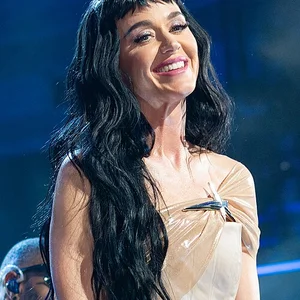
Katy Perry
1984 — ?
Katy Perry is an American singer-songwriter born in 1984 in Santa Barbara. She rose to prominence in the 2000s–2010s as one of the best-selling pop artists in the world, with global hits such as 'Roar' and 'Firework'.
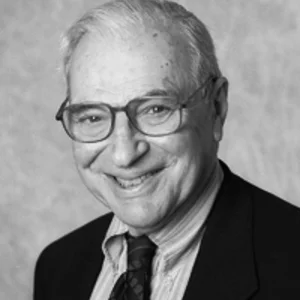
Kenneth Arrow
1921 — 2017
American economist, a major figure of 20th-century economics. The youngest-ever winner of the Nobel Prize in Economics (1972), he revolutionized social choice theory, welfare economics, and general equilibrium analysis.
Louis Bachelier
1870 — 1946
Louis Bachelier was a French mathematician who pioneered the modern theory of probability applied to finance. His 1900 thesis on stock market speculation introduced Brownian motion before Einstein, founding the field of financial mathematics.
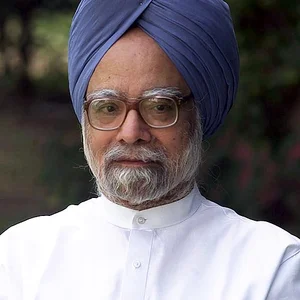
Manmohan Singh
1932 — 2024
Indian economist and statesman, Manmohan Singh served as Prime Minister of India from 2004 to 2014. Architect of the economic reforms of the 1990s, he profoundly modernized the Indian economy.
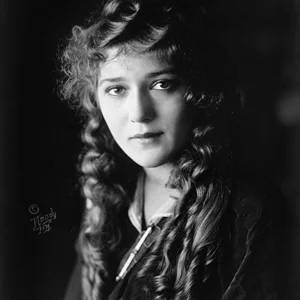
Mary Pickford
1892 — 1979
A Canadian-American actress nicknamed “America's Sweetheart,” she was one of the greatest stars of silent cinema. A pioneer of the Hollywood industry, she co-founded the United Artists studio in 1919.
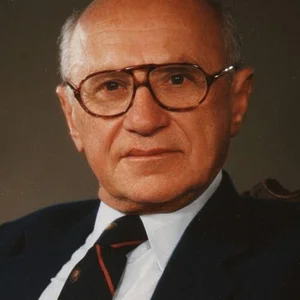
Milton Friedman
1912 — 2006
American economist, leader of the Chicago School and a major figure of monetarism. A champion of economic liberalism and free markets, he received the Nobel Prize in Economics in 1976. His influence shaped the economic policies of the late 20th century.
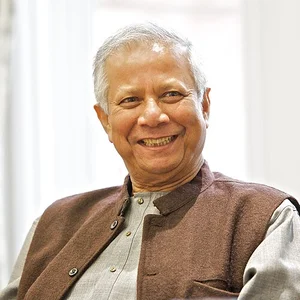
Muhammad Yunus
1940 — ?
Bangladeshi economist and social entrepreneur, founder of the Grameen Bank and a pioneer of microcredit. He received the Nobel Peace Prize in 2006 for his work against poverty.
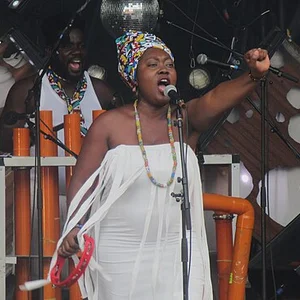
Nana Benz
Collective nickname for the prominent Togolese businesswomen who dominated the wax fabric market in Lomé from the 1960s onward. Iconic figures of female entrepreneurship in West Africa, they earned their nickname from the Mercedes-Benz cars they could afford thanks to their commercial fortunes.
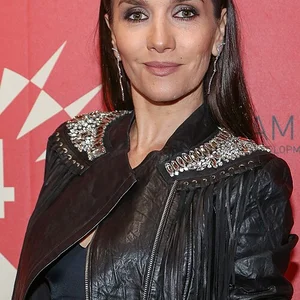
Natalia Oreiro
1977 — ?
Natalia Oreiro is a Uruguayan actress and singer born in 1977 in Montevideo. She gained international fame through Argentine telenovelas of the 1990s and 2000s, and a music career that made her especially popular in Eastern Europe.
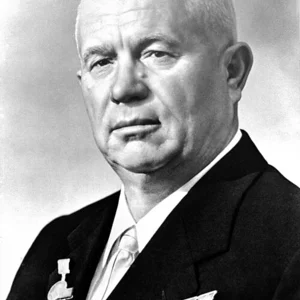
Nikita Khrushchev
1894 — 1971
Soviet leader from 1953 to 1964, Khrushchev succeeded Stalin and launched a policy of de-Stalinization. A central figure of the Cold War, he confronted the United States during the Cuban Missile Crisis of 1962.
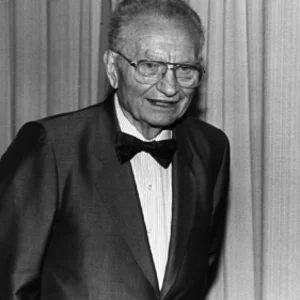
Paul Samuelson
1915 — 2009
American economist, a major figure of the 20th century. The first American to receive the Nobel Prize in Economics in 1970, he helped found modern economics by introducing mathematical formalization into it, and was the author of a world-renowned economics textbook.
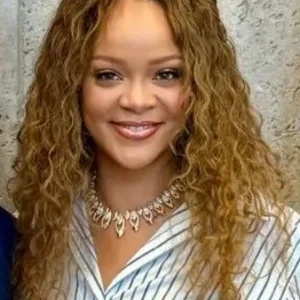
Rihanna
1988 — ?
Rihanna is a Barbadian singer, actress, and businesswoman born in 1988. She rose to international fame in the 2000s and became one of the best-selling music artists in history. She is also the founder of the Fenty Beauty and Savage X Fenty brands.
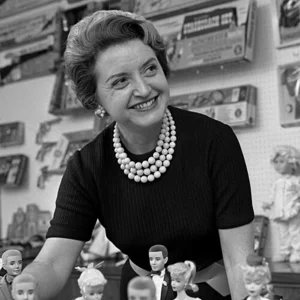
Ruth Handler
1916 — 2002
American businesswoman, co-founder of the toy company Mattel. In 1959 she designed the Barbie doll, which became one of the best-selling toys in the world.
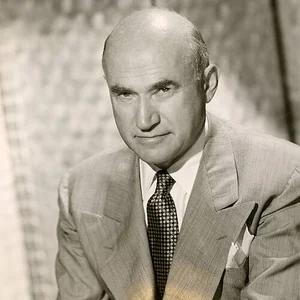
Samuel Goldwyn
1879 — 1974
A Polish-born Hollywood producer, Samuel Goldwyn was one of the founders of the American film industry. He co-founded several major studios and produced hundreds of films that shaped the golden age of Hollywood.

Selena Gomez
1992 — ?
Selena Gomez is an American singer and actress born on July 22, 1992, in Grand Prairie, Texas. Rising to fame through a Disney Channel series, she became a global pop icon and influential entrepreneur. She is also an advocate for mental health awareness and Latino representation in the media.
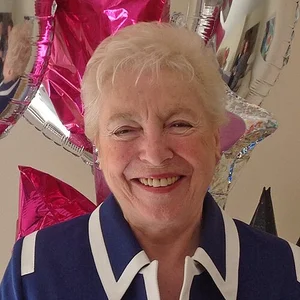
Stephanie Shirley
1933 — 2025
Stephanie Shirley, known as “Steve,” is a British computer scientist and entrepreneur of German origin, who arrived in the United Kingdom as a child thanks to the Kindertransport. A software pioneer, she founded a programming company in 1962 that employed almost exclusively women working from home. Later a philanthropist, she gave away most of her fortune.
21st Century(27)
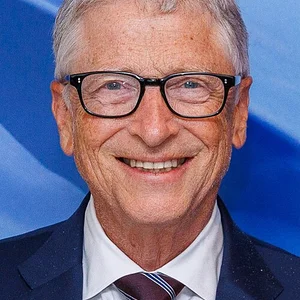
Bill Gates
1955 — ?
Co-founder of Microsoft, Bill Gates revolutionized personal computing with the Windows operating system. Having become one of the wealthiest people in the world, he went on to dedicate himself to philanthropy through the Bill & Melinda Gates Foundation.
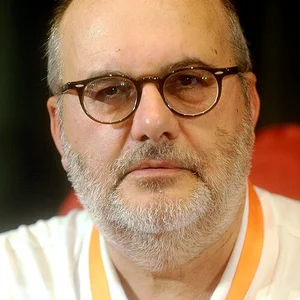
Branko Milanović
1953 — ?
Serbian-American economist specializing in the study of income inequality on a global scale. A former lead economist in the World Bank's research department, he is one of the leading contemporary theorists on the measurement of global inequality.
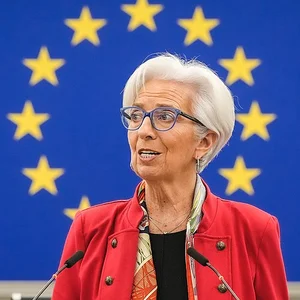
Christine Lagarde
1956 — ?
French business lawyer and politician, the first woman to head the International Monetary Fund (2011) and later the European Central Bank (2019). She had previously served as France's Minister of the Economy and Finance.
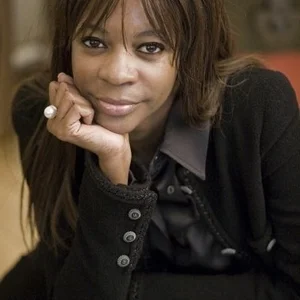
Dambisa Moyo
1969 — ?
Dambisa Moyo is a Zambian economist specializing in macroeconomics and development. She is famous worldwide for her radical critique of international aid to Africa, which she considers counterproductive.
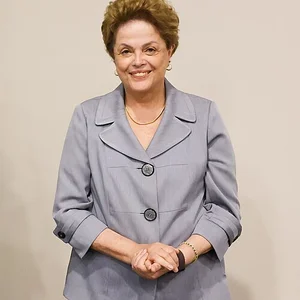
Dilma Rousseff
1947 — ?
Brazilian economist and politician, she became in 2011 the first woman president of Brazil. A member of the Workers' Party (PT), she was removed from office by impeachment in 2016 amid an economic and political crisis.
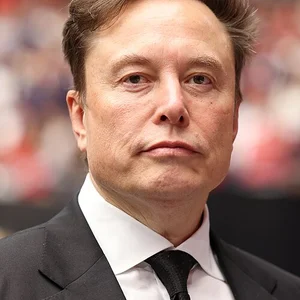
Elon Musk
1971 — ?
American-South African entrepreneur and businessman, Elon Musk is co-founder of Tesla and founder of SpaceX. He embodies the archetype of the 21st-century tech entrepreneur, with a sweeping influence on the automotive industry, private space exploration, and social media.
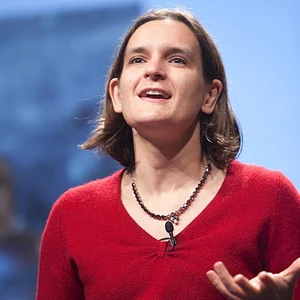
Esther Duflo
1972 — ?
French-American economist born in 1972, a specialist in development economics. She reshaped the fight against poverty by relying on rigorous field experiments. In 2019, she became the youngest person ever to win the Nobel Prize in Economics.
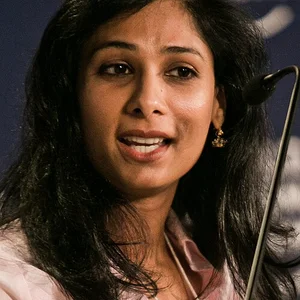
Gita Gopinath
1971 — ?
Gita Gopinath is an American economist of Indian origin, specializing in international macroeconomics, exchange rates, and trade. She became the First Deputy Managing Director of the International Monetary Fund (IMF) in 2022, having previously served as its chief economist.
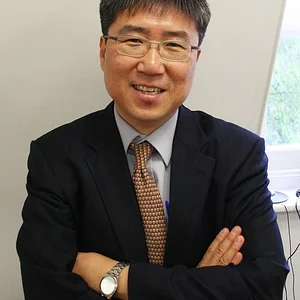
Ha-Joon Chang
1963 — ?
Heterodox South Korean economist, professor at Cambridge and later at SOAS in London. A critic of dogmatic free-trade ideology, he champions the role of the state in economic development and highlights the place of protectionism in the history of industrialization among today's wealthy countries.
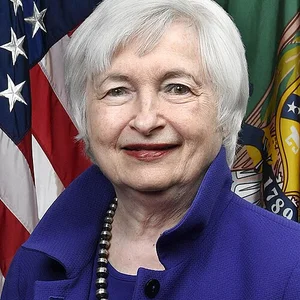
Janet Yellen
1946 — ?
Janet Yellen is an American economist specializing in the labor market and monetary policy. She chaired the Federal Reserve of the United States from 2014 to 2018, becoming the first woman to hold this position, and later served as Secretary of the Treasury from 2021 to 2025 — again the first woman appointed to this office.
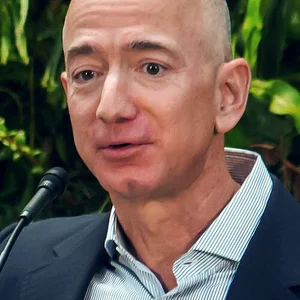
Jeff Bezos
1964 — ?
Founder of Amazon in 1994, Jeff Bezos transformed global commerce through e-commerce and cloud computing. He is one of the wealthiest people in the world and founded Blue Origin for private space exploration.
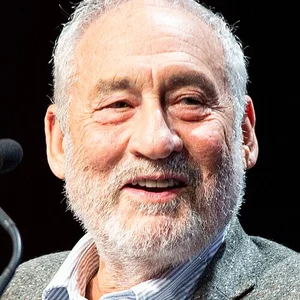
Joseph Stiglitz
1943 — ?
American economist born in 1943, winner of the 2001 Nobel Prize in Economics for his work on information asymmetries. A former chief economist of the World Bank, he has become a leading critic of neoliberal globalization.
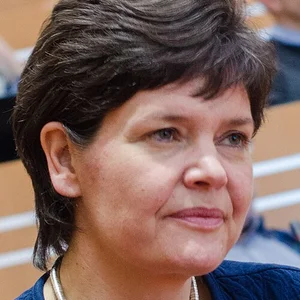
Kate Raworth
1970 — ?
British economist born in 1970, she is known for having designed "Doughnut Economics," an economic model aiming to reconcile human needs with the ecological limits of the planet. Her major work renewed thinking about sustainable development.

Larry Ellison
1944 — ?
Co-founder and CEO of Oracle Corporation, Larry Ellison built one of the largest enterprise software empires in the world. A pioneer of relational databases, he is one of the wealthiest people on the planet.
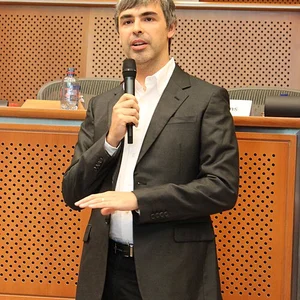
Larry Page
1973 — ?
Co-founder of Google with Sergey Brin in 1998, Larry Page revolutionized access to information on the Internet through the PageRank algorithm. He led Google then Alphabet, one of the most highly valued companies in the world.
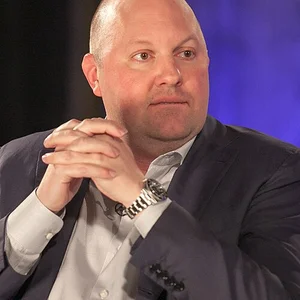
Marc Andreessen
1971 — ?
Co-creator of Mosaic (1993), the first mainstream web browser, and then co-founder of Netscape, Marc Andreessen revolutionized access to the Internet. He went on to become one of Silicon Valley's most influential investors, co-founding the venture capital firm Andreessen Horowitz.
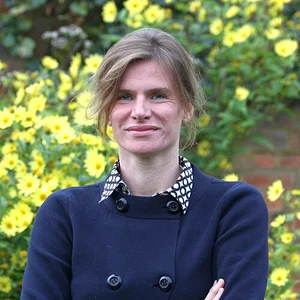
Mariana Mazzucato
1968 — ?
Mariana Mazzucato is an Italian-American economist born in 1968, a professor at University College London. She is known for her work on the driving role of the state in innovation and on value creation in the economy.
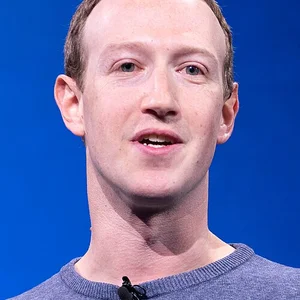
Mark Zuckerberg
1984 — ?
American computer scientist and entrepreneur born in 1984, co-founder of Facebook in 2004. He transformed global communication by creating the first mass social network, and now leads Meta Platforms.
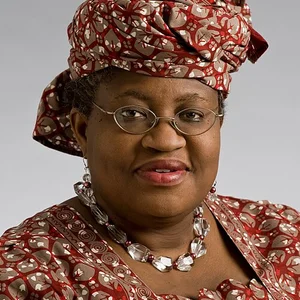
Ngozi Okonjo-Iweala
1954 — ?
Nigerian economist and politician, twice Minister of Finance of Nigeria and Director-General of the World Trade Organization since 2021. She is the first woman and the first African to lead the WTO.
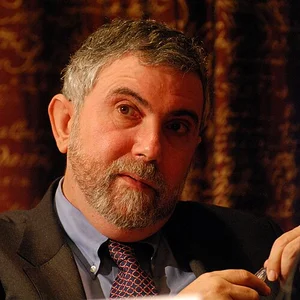
Paul Krugman
1953 — ?
Paul Krugman is an American economist born in 1953, a specialist in international trade and economic geography. Winner of the Nobel Prize in Economics in 2008, he is also an influential columnist at the New York Times.
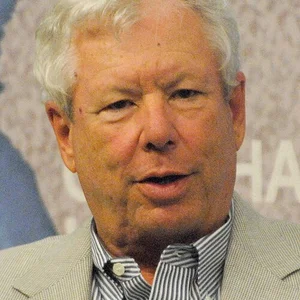
Richard Thaler
1945 — ?
Richard Thaler is an American economist and a leading figure in behavioral economics. He showed how psychological biases influence economic decisions, challenging the assumption of perfect rationality. He received the Nobel Prize in Economics in 2017.

Sergey Brin
1973 — ?
Sergey Brin is an American entrepreneur of Russian origin, co-founder of Google with Larry Page in 1998. He revolutionized Internet search through the PageRank algorithm. He also led the experimental projects of Google X.
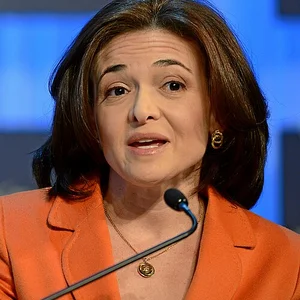
Sheryl Sandberg
1969 — ?
Chief Operating Officer of Facebook (Meta) from 2008 to 2022, Sheryl Sandberg is one of the most influential women in Silicon Valley. Author of *Lean In* (2013), she is a prominent advocate for women's leadership in the corporate world.
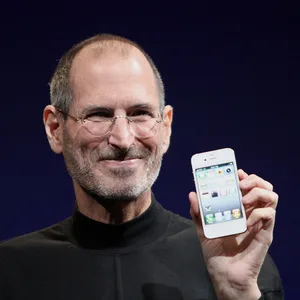
Steve Jobs
1955 — 2011
Co-founder of Apple Inc., Steve Jobs revolutionized personal computing, digital music, and mobile telephony. A visionary entrepreneur like no other, he transformed entire sectors of the global economy.
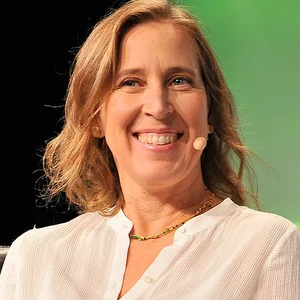
Susan Wojcicki
1968 — 2024
CEO of YouTube from 2014 to 2023, Susan Wojcicki is one of Silicon Valley's pioneers. She was Google's 16th employee, and in 1998 she rented her garage to Larry Page and Sergey Brin to house the company's first servers. Her leadership turned YouTube into the world's leading online video platform.
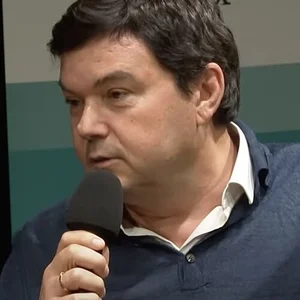
Thomas Piketty
1971 — ?
Thomas Piketty is a French economist born in 1971, a specialist in economic inequality and wealth distribution. A director of studies at the EHESS and a professor at the Paris School of Economics, he is renowned worldwide for his work on capital and inequality.
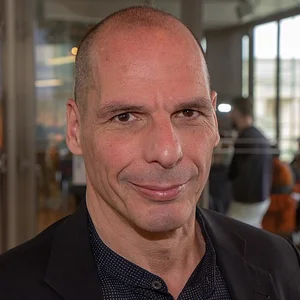
Yanis Varoufakis
1961 — ?
Yánis Varoufákis is a Greek economist and politician, a professor of economics renowned for his work on game theory. He served as Greece's Minister of Finance in 2015, at the heart of the debt negotiations during the eurozone crisis.